

Based on recent developments as of March 2026, the U.S. remains deeply engaged in the region through military, diplomatic, and economic levers, particularly under the second Trump administration.
However, there are signs of shifting dynamics, including strained alliances and a pivot toward more unilateral actions, which some analysts interpret as a relative waning compared to past decades. Far from retreating, the U.S. has ramped up its presence significantly.
In late January 2026, the U.S. initiated its largest military buildup in the Middle East since the 2003 Iraq invasion, deploying carrier strike groups (e.g., USS Abraham Lincoln and USS Gerald R. Ford), advanced aircraft like F-22 Raptors and F-35s, and missile defenses across bases in Israel, Jordan, and Qatar.
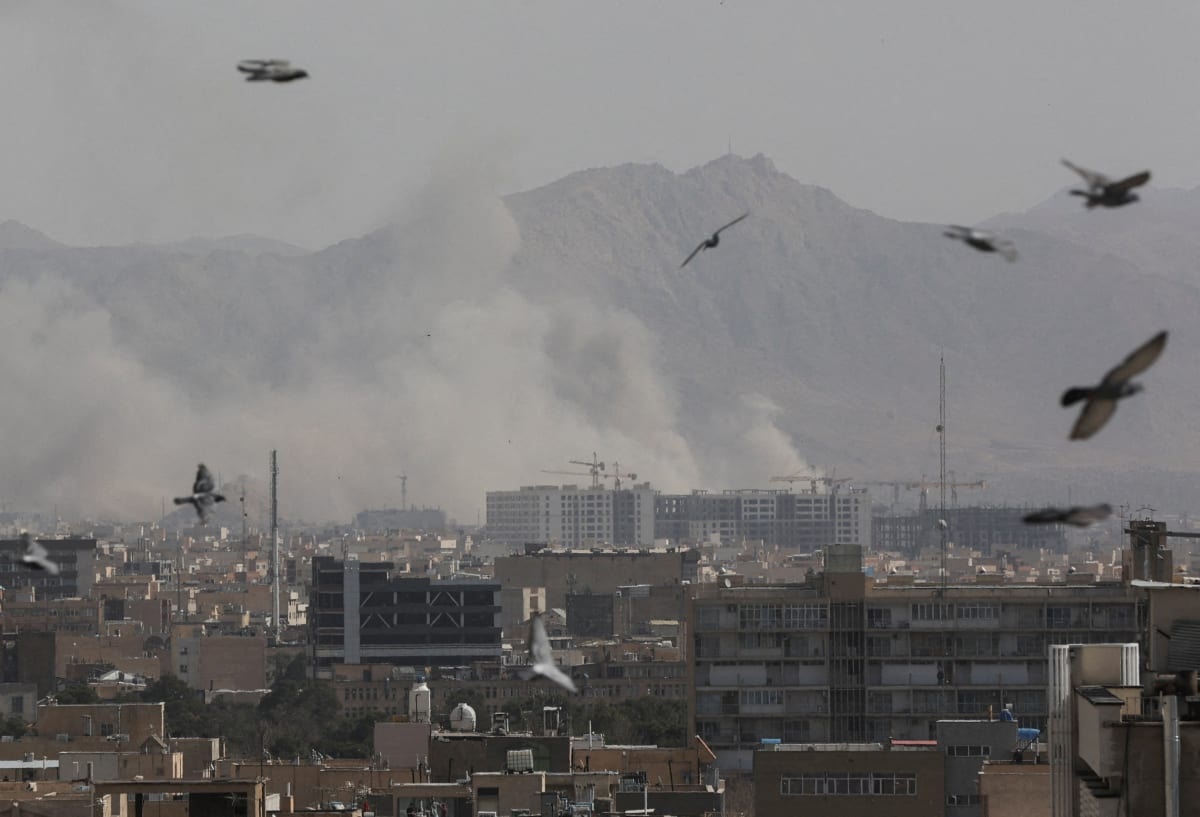
This buildup culminated in joint U.S.-Israeli strikes on Iran on February 28, 2026, which killed Supreme Leader Ali Khamenei and aimed at regime change, sparking the ongoing 2026 Iran war. The stated objectives include dismantling Iran’s nuclear program, halting the crackdown on 2025–2026 protests and preventing alleged weapons of mass destruction threats.
Register for Tekedia Mini-MBA edition 20 (June 8 – Sept 5, 2026).
Register for Tekedia AI in Business Masterclass.
Join Tekedia Capital Syndicate and co-invest in great global startups.
Register for Tekedia AI Lab.
This level of involvement underscores active U.S. influence: the strikes have weakened Iran and its proxies allowing for potential realignments in Iraq, Syria, and Lebanon toward Western-leaning governments. Analysts note that Trump’s policies have inflicted “significant damage” on adversaries like Iran and ISIS, with more regional impact than in other global theaters like Ukraine or China.
The administration has also lifted sanctions on Syria’s transitional government and normalized relations, further shaping post-conflict outcomes. The Trump 2.0 approach emphasizes a “pivot to the Gulf,” prioritizing partnerships with Saudi Arabia, the UAE, and others under the Abraham Accords framework to counter Iran and expand U.S. commercial interests.
This includes new security guarantees and efforts to normalize Israel-Saudi ties, potentially creating a “new Middle East order” with U.S. leadership. North Africa is emerging as a U.S. priority, with engagement reducing tensions and opening political space.

However, not all trends point to sustained dominance. The U.S. withdrawal from numerous UN-linked organizations in January 2026 has created a “strategic vacuum” in multilateral forums, weakening indirect influence on issues like climate, health, and peacekeeping. Gulf states have shown reluctance, denying U.S. access to bases and airspace during the buildup due to fears of Iranian retaliation, which highlights dependency on allies and potential isolation.
Some experts argue this war is “unravelling U.S. strategy,” as it risks broader instability, oil price spikes, and proxy attacks on U.S. interests. Trump’s “unpredictable” stance on Iran—balancing escalation with possible de-escalation—adds uncertainty.
Sentiment on platforms like X often portrays U.S. influence as fading or “dead,” with claims that the Strait of Hormuz now favors Chinese and Russian ships, the U.S. is “abandoning” Arab allies for Israel, and a “shameful defeat” looms. Older analyses echo this, citing OPEC+ oil cuts as rebukes to U.S. requests and broader geopolitical tensions.
Think tanks like Defense Priorities suggest the administration aims to “deprioritize” the Middle East in 2026 to focus on China and the Western Hemisphere, potentially signaling a long-term drawdown. Yet, these views contrast with the reality of U.S.-led actions yielding “tremendous strides” against Iran, as acknowledged in the 2025 National Security Strategy.

Results have been “uneven,” with no “durable gains” for peace yet, but the U.S. has invested more in the region than any president since 2009 in their first year.
There is no “official” declaration or policy framing U.S. influence as in terminal decline—quite the opposite, with the Iran war and military buildup demonstrating robust projection of power. That said, the shift from multilateralism to more aggressive, Israel-centric unilateralism, combined with ally hesitance and global backlash, could erode soft power over time.
If the war leads to a stable, pro-Western Iran or expanded accords, U.S. influence might even strengthen; if it drags on with high costs, perceptions of overextension could accelerate a perceived sunset. As of now, the U.S. is far from disengaged—it’s at the center of reshaping the region.