

SunPerp, a new perpetual decentralized exchange (perp DEX), officially launched on the Tron blockchain around September 19-21, 2025, marking the first native perp DEX in the Tron ecosystem.
Founded by Tron creator Justin Sun, the platform aims to fill a key gap in Tron’s derivatives trading infrastructure, leveraging the network’s dominance in USDT circulation the largest among blockchains to support high-volume perpetual futures trading.
Advertised as the “lowest trading fees in the market,” with Tron network fees reduced by up to 60%. Full refunds on gas fees for successful deposits, making onboarding cost-free.
Register for Tekedia Mini-MBA edition 20 (June 8 – Sept 5, 2026).
Register for Tekedia AI in Business Masterclass.
Join Tekedia Capital Syndicate and co-invest in great global startups.
Register for Tekedia AI Lab.
Uses zero-knowledge proofs (ZK) for order data transmission to the Tron mainnet, allowing users to opt-in for position visibility. Millisecond executions, cross-chain liquidity aggregation, and an integrated auto-deleveraging (ADL) system to manage risk.
Upcoming points system, airdrops, and leaderboards to reward trading activity. During its public testing phase (pre-full launch), SunPerp attracted over 3,000 users without any marketing, signaling strong organic demand.
The platform is positioned to compete with leaders like Hyperliquid, dYdX, and GMX by emphasizing speed, low costs, and USDT-native trades. Tron-based wallets, bridges, and potential Layer-2 integrations are planned for scalability.
This launch intensifies the 2025 perp DEX race, where Q2 volumes hit $898 billion, driven by ecosystems like Tron and Binance entering the space.

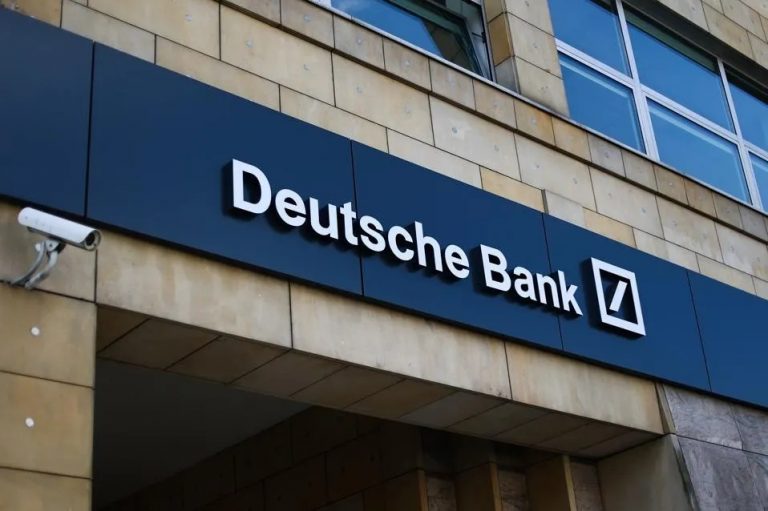
Deutsche Bank Predicts Central Banks Will Buy and Hold Bitcoin by 2030
Deutsche Bank—a $1.05 trillion asset manager—forecasted that central banks could begin purchasing and holding Bitcoin (BTC) on their balance sheets by 2030, positioning it as a complementary reserve asset alongside gold.
The prediction stems from Bitcoin’s maturation as “digital gold,” with declining volatility (hitting multi-year lows in August 2025), deeper market liquidity, and clearer regulations in major jurisdictions. Reducing exposure to USD shocks which holds 57% of global reserves and hedging against inflation/geopolitical risks.
Like gold global reserves ~60,370 tons, Bitcoin’s fixed supply (21 million cap) and low correlation to traditional assets make it ideal for wealth preservation. 2025 saw gold demand surge (43% of central banks plan increases), while Bitcoin ETFs amassed $110B+ in AUM.
Examples include China’s $57B UST sell-off in 2024 and U.S. proposals for a Strategic Bitcoin Reserve. Adoption hinges on secure custody, contained volatility, and regulatory clarity; gold will retain primacy short-term.

The report echoes Deutsche’s March 2025 view of Bitcoin as “21st-century gold,” too vital to ignore. SunPerp’s launch as Tron’s first native perpetual futures DEX fills a critical gap in its DeFi ecosystem, potentially attracting traders and increasing on-chain activity.
Tron’s dominance in USDT circulation positions SunPerp to capture significant trading volume, especially for USDT-based pairs. Ultra-low fees and gas-free deposits could draw users from competing perp DEXs like Hyperliquid or dYdX, enhancing Tron’s reputation as a cost-effective blockchain.
Cross-chain liquidity aggregation and planned Layer-2 integrations could improve scalability, making Tron a stronger contender in the $898B perp DEX market. The use of zero-knowledge proofs for private order transmission sets a new standard for user control and security in DeFi, potentially inspiring other DEXs to adopt similar tech.
SunPerp’s entry escalates the 2025 perp DEX race, challenging established platforms like GMX and Binance-backed projects. This could lead to fee wars or innovation spikes across the sector.
Implications of Deutsche Bank’s Bitcoin Prediction for Central Banks by 2030
Central banks holding Bitcoin on balance sheets would signal unprecedented institutional legitimacy, potentially driving broader adoption by governments, corporates, and retail investors.
Sovereign demand could significantly boost Bitcoin’s price, building on its 2025 rally toward $124K. Historical parallels with gold suggest long-term appreciation but with higher volatility. Central banks diversifying away from USD toward Bitcoin and gold could weaken dollar hegemony, reshaping global finance dynamics.
Nations like China, already reducing UST holdings, might accelerate Bitcoin adoption to counter U.S. financial influence, escalating economic rivalries. Increased central bank participation could deepen Bitcoin’s market liquidity and reduce volatility, making it a more stable reserve asset.
However, initial purchases might spike short-term volatility. Widespread adoption would likely force clearer global regulations, balancing innovation with oversight. Jurisdictions lagging in crypto policy (e.g., EU, India) might face pressure to act.
Bitcoin’s fixed supply could appeal to central banks in high-inflation economies, offering a hedge akin to gold but with digital advantages. Sovereign adoption might shift public sentiment, reducing skepticism about crypto’s utility and encouraging retail investment, though risks of speculative bubbles remain.
Central banks would need robust custody solutions to mitigate hacking risks, a significant hurdle given Bitcoin’s decentralized nature. Deutsche Bank notes gold will remain the primary reserve asset short-term, limiting Bitcoin’s immediate impact. Adoption by 2030 depends on sustained volatility declines and regulatory clarity.
SunPerp’s launch could indirectly benefit from Bitcoin’s growing legitimacy, as a bullish BTC market driven by central bank interest might increase trading volumes on perp DEXs, including SunPerp.
If Bitcoin becomes a reserve asset, Tron’s USDT-heavy ecosystem might see increased BTC/USDT trading pairs on SunPerp, amplifying its role in DeFi.
Both developments face regulatory risks. SunPerp’s privacy features and Bitcoin’s sovereign adoption could trigger scrutiny, potentially harmonizing or clashing with global crypto policies.