

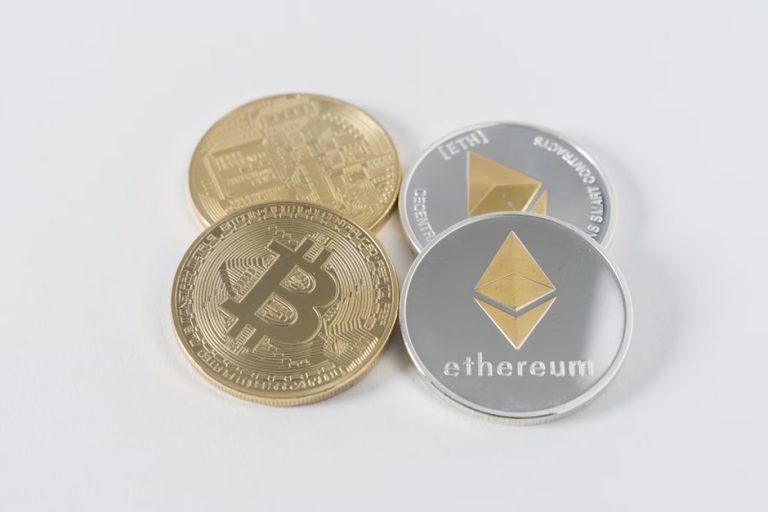
A massive Bitcoin whale, holding nearly $6 billion in assets, has reportedly shifted over $3 billion into Ethereum (ETH), with significant purchases made through platforms like HyperUnit.
This whale, identified as a long-dormant Bitcoin “OG,” sold thousands of BTC to acquire ETH, with total holdings now exceeding 800,000 ETH, valued at around $4 billion, much of which is staked for rewards.
On August 31, 2025, the whale sold 4,000 BTC for 96,859 ETH (~$433 million), and on September 1, sold 2,000 BTC for 48,942 ETH (~$215 million). This rotation aligns with broader market trends, as Ethereum ETFs saw $3.87 billion in net inflows in August 2025, while Bitcoin ETFs faced $751 million in outflows, signaling growing institutional and whale interest in ETH.
Analysts suggest this move reflects Ethereum’s appeal due to its staking yields and smart contract capabilities, with some predicting a potential ETH price surge toward $4,800 or higher if resistance levels are breached. However, the whale still holds over $5 billion in BTC, indicating diversification rather than a complete exit from Bitcoin.
Register for Tekedia Mini-MBA edition 20 (June 8 – Sept 5, 2026).
Register for Tekedia AI in Business Masterclass.
Join Tekedia Capital Syndicate and co-invest in great global startups.
Register for Tekedia AI Lab.
The whale’s move signals growing confidence in Ethereum’s long-term value, potentially influencing retail and institutional investors to follow suit. This could bolster ETH’s market dominance, especially as Bitcoin ETF outflows ($751M in August 2025) contrast with Ethereum ETF inflows ($3.87B).
Increased ETH buying pressure, especially from large players, may drive prices toward key resistance levels like $4,800, as analysts suggest. However, the whale’s remaining $5B BTC holdings indicate a balanced strategy, potentially stabilizing BTC’s price while boosting ETH.
Large-scale rotations can temporarily increase volatility in both BTC and ETH markets. ETH’s liquidity may improve with heightened trading activity, but sudden whale movements could trigger short-term price swings.

The shift underscores Ethereum’s appeal for its smart contract functionality and staking rewards, reinforcing its role in DeFi and Web3. This could attract more developers and projects, enhancing network utility.
While Bitcoin remains a store of value, the rotation highlights Ethereum’s edge in generating passive income via staking, potentially challenging BTC’s dominance if similar trends continue.
Benefits of ETH Staking to the Market
Staking locks up ETH to validate transactions on Ethereum’s Proof-of-Stake (PoS) network, enhancing security. As of September 2025, over 28% of ETH’s supply (~33M ETH) is staked, reducing circulating supply and potential sell pressure.

Staking reduces available ETH for trading, which can dampen downward price pressure and support long-term price appreciation, benefiting investors. Stakers earn ~3-5% annual yield (depending on network conditions), attracting long-term holders, including whales like the one in question (with 800,000 ETH staked). This incentivizes holding over selling, stabilizing the market.
Staked ETH can be used in liquid staking protocols (e.g., Lido, Rocket Pool), providing stETH or similar tokens for use in DeFi. This boosts liquidity in decentralized markets, fostering growth in lending, trading, and yield farming.
High staking participation signals trust in Ethereum’s scalability and upgrades (e.g., post-Merge improvements). This draws institutional interest, as seen with ETF inflows, and supports broader crypto adoption.
PoS staking makes Ethereum environmentally sustainable compared to Bitcoin’s energy-intensive mining, improving its appeal to ESG-focused investors and regulators. The $3.4B BTC-to-ETH rotation reflects Ethereum’s growing prominence, driven by staking and ecosystem utility.
Staking benefits the market by enhancing security, reducing circulating supply, and fostering DeFi innovation, while signaling long-term confidence that could propel ETH’s price and adoption. However, Bitcoin’s enduring value suggests a diversified crypto market rather than a zero-sum shift.