

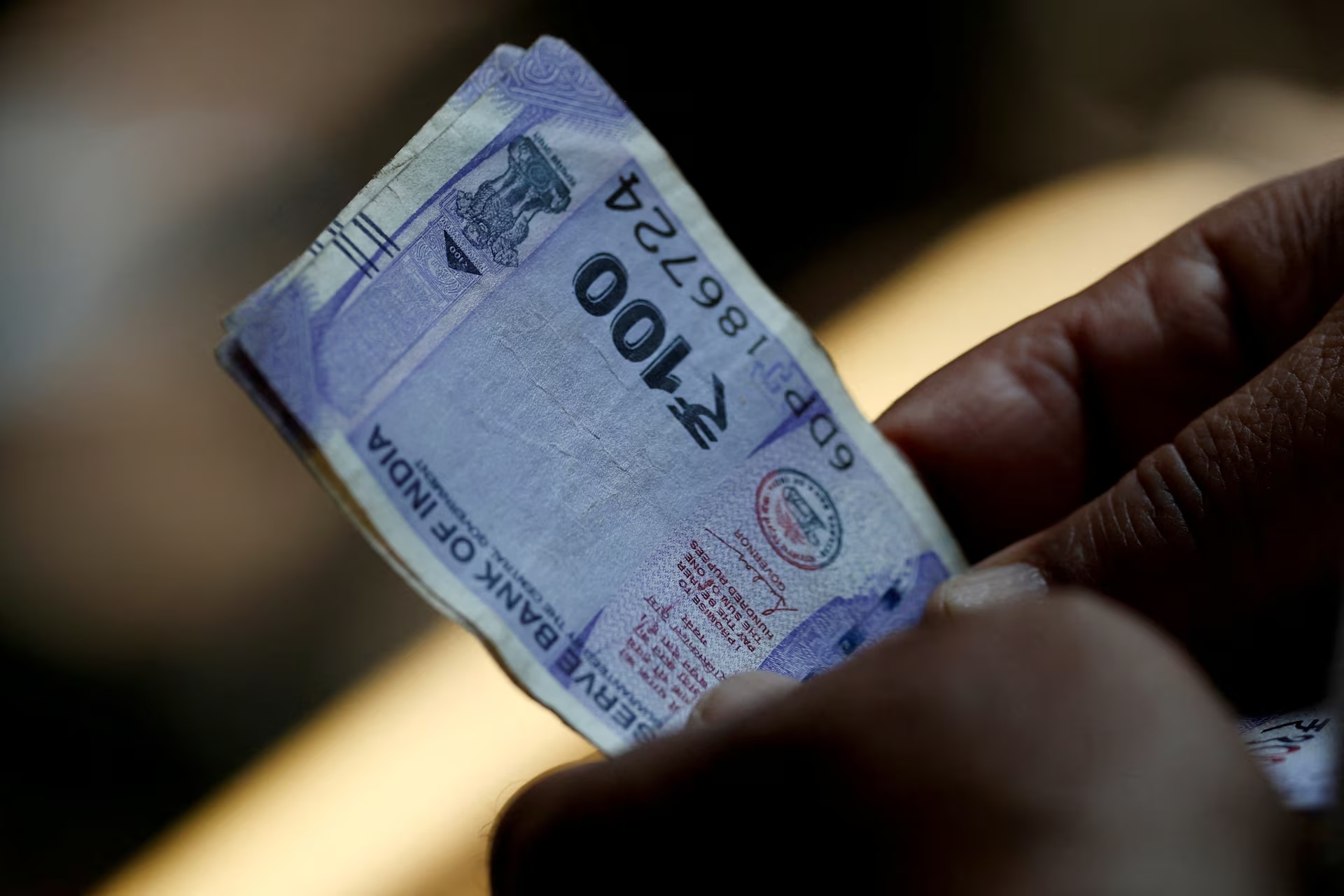
India’s foreign exchange reserves climbed to a near three-month high at the end of July, strengthening the Reserve Bank of India’s (RBI) ability to shield the rupee from external shocks, but economists expect the currency to remain largely range-bound as the central bank continues to manage sizable dollar obligations accumulated from previous market interventions.
Data released by the RBI on Wednesday showed foreign exchange reserves rose by nearly $10.5 billion to $692.9 billion in the week ended July 31, marking the largest weekly increase since late January.
The jump reflects the success of the central bank’s foreign-currency deposit initiative launched in June, which was designed to shore up India’s external buffers as oil price volatility linked to the U.S.-Israeli conflict with Iran heightened risks to the country’s balance of payments and currency stability.
Register for the next Tekedia Mini-MBA.
Register for Tekedia AI in Business Masterclass.
Join Tekedia Capital Syndicate and co-invest in great global startups.
The RBI has so far received $36.7 billion through Foreign Currency Non-Resident (FCNR) deposits mobilized by banks under the special scheme through July 31. The facility allows banks to swap those foreign-currency deposits with the RBI under a zero-cost hedging arrangement that remains open until the end of September.
The stronger reserve position provides the central bank with greater firepower to smooth excessive volatility in the rupee, which has faced pressure this year from elevated crude oil prices, capital flow swings and geopolitical uncertainty affecting global financial markets.
“India’s foreign exchange reserves continue to be adequate in terms of the standard metrics of reserve adequacy with import cover of over 10 months and external debt cover of 90.8%,” RBI Governor Sanjay Malhotra said while presenting the central bank’s monetary policy decision in Mumbai.

The RBI left its benchmark repo rate unchanged at 5.25% on Wednesday, a widely anticipated decision that underscored the central bank’s preference to preserve policy flexibility while monitoring inflation and global risks.
The reserve build-up coincided with a sharp appreciation in the rupee. During the week covered by the data, the currency gained 1.2% against the U.S. dollar to close at 95.38, its strongest weekly advance in four months.
However, analysts caution that stronger reserves do not necessarily translate into sustained currency appreciation.

A Reuters poll of 36 foreign exchange strategists found broad consensus that the rupee will remain largely stable over the coming months before weakening modestly over the next year.
The median forecast projects the currency at 95.25 per dollar in three months and at the end of January 2027, before easing to 95.95 in twelve months.
The relatively subdued outlook reflects expectations that much of the incoming foreign capital will be used to offset the RBI’s sizeable forward dollar commitments rather than support a stronger exchange rate.
“Inflows will be enough to fund the RBI’s requirements rather than be used for currency appreciation. I expect more sideways movement for the rupee rather than any upside,” said Anitha Rangan, chief economist at RBL Bank.
Dhaval Shah, founder and managing director of De-Risk Forex Consultancy, said the FCNR mobilization has materially strengthened India’s external position and could push reserves above another major milestone.
“As flows from the FCNR scheme have gained pace, we expect the headline FX reserve figure to cross $700 billion in coming weeks, and it will also help the RBI to reduce its short FX book,” Shah said.
“The bigger picture will continue to favor rupee appreciation.”
Economists estimate the RBI’s June measures could ultimately attract around $50 billion in foreign currency by year-end, further boosting India’s external buffers.
Nevertheless, analysts say the central bank’s sizeable forward dollar book, estimated at more than $100 billion as of June, will likely absorb much of those inflows, limiting their impact on the exchange rate.
The forward positions stem from previous interventions aimed at smoothing volatility in the foreign exchange market. As those contracts mature, the RBI will need dollar inflows to meet its obligations, reducing the scope for reserves to translate directly into a stronger rupee.
Unlike several emerging-market central banks that have raised interest rates to defend their currencies against imported inflation, the RBI has so far avoided using monetary policy as an exchange-rate tool, instead relying primarily on its substantial reserve stockpile and targeted market intervention to maintain orderly currency movements.
However, the latest reserve increase bolsters India’s position among countries with the world’s largest foreign exchange buffers, providing policymakers with greater flexibility to manage external shocks even as higher oil prices, geopolitical tensions and global monetary uncertainty continue to cloud the outlook for emerging-market currencies.