

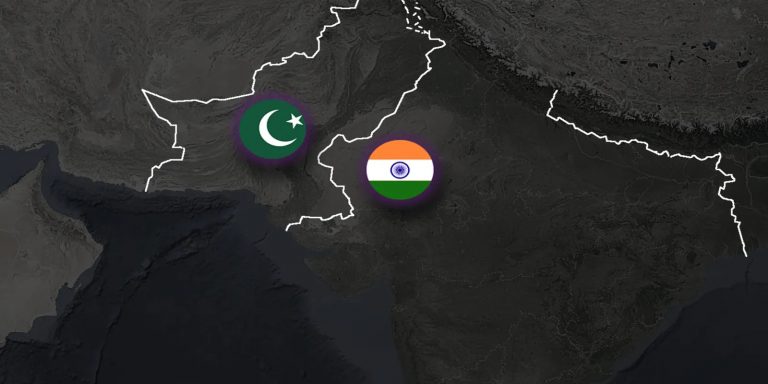
India launched military strikes, codenamed Operation Sindoor, targeting nine sites in Pakistan and Pakistan-administered Kashmir. The strikes were in retaliation for a militant attack on April 22, 2025, in Pahalgam, Indian-administered Kashmir, which killed 26 civilians, mostly Hindu tourists. India’s Ministry of Defence described the operation as “focused, measured, and non-escalatory,” targeting terrorist infrastructure linked to groups like Lashkar-e-Taiba and Jaish-e-Mohammed, with no Pakistani military facilities hit.
The strikes hit locations in Muzaffarabad, Kotli, and Bahawalpur, among others, using precision missiles without Indian aircraft entering Pakistani airspace. Pakistan condemned the strikes as an “act of war,” reporting 31 civilian deaths, including women and children, and 57 injuries. Pakistani officials denied the targets were terrorist camps, claiming civilian areas, including mosques, were hit. Pakistan’s military claimed to have shot down five Indian jets, including French-made Rafales, though India has not confirmed these losses.
Pakistan retaliated with missile strikes and heavy shelling along the Line of Control, killing at least 15 civilians in Indian-administered Kashmir. Tensions had been rising since the Pahalgam attack, with India accusing Pakistan of supporting the attackers, a charge Islamabad denied. Diplomatic measures, including visa suspensions and airspace closures, preceded the strikes. Global leaders, including the UN, US, and UAE, urged restraint, with concerns about escalation between the nuclear-armed neighbors.
Register for Tekedia Mini-MBA edition 20 (June 8 – Sept 5, 2026).
Register for Tekedia AI in Business Masterclass.
Join Tekedia Capital Syndicate and co-invest in great global startups.
Register for Tekedia AI Lab.
Analysts warn that Pakistan’s vowed retaliation could lead to further conflict, though both sides’ actions suggest an intent to avoid full-scale war. The situation remains fluid, with both nations on high alert and international calls for de-escalation intensifying. The military strikes between India and Pakistan, following Operation Sindoor on May 7, 2025, carry significant implications across multiple dimensions.
Both nations possess nuclear arsenals, raising fears of escalation. While current actions appear calibrated to avoid all-out war, miscalculations or further retaliatory strikes could spiral, especially if Pakistan’s vowed response targets critical Indian infrastructure. Increased shelling and skirmishes along the LoC could destabilize Jammu and Kashmir, potentially drawing in more militant groups and complicating de-escalation.
India’s strikes aim to deter Pakistan-backed militant groups, but they may provoke intensified proxy attacks by groups like Lashkar-e-Taiba, further inflaming the Kashmir conflict. The strikes bolster Prime Minister Narendra Modi’s image as a strong leader ahead of domestic elections, but civilian casualties from Pakistani retaliation could fuel public discontent if the situation worsens.

Pakistan: The government faces pressure to respond decisively to restore national pride, but economic fragility and internal political divisions may limit its ability to sustain prolonged conflict. Anti-India sentiment could unify factions temporarily but risks domestic unrest if civilian losses mount.
Trade and Investment: Already limited bilateral trade is likely halted, with both nations closing airspaces and suspending visas. Foreign investors may pull back from South Asia due to heightened geopolitical risks. Pakistan, grappling with high inflation and debt, faces further strain from military mobilization and potential sanctions if branded the aggressor.
India’s economy, projected to grow steadily, could face disruptions in border regions and global market confidence if conflict escalates. The US, China, and Russia have stakes in South Asia. The US and UAE urge restraint, while China, Pakistan’s ally, may provide diplomatic or material support, potentially straining India-China ties further. Russia, balancing ties with both, may push for mediation.

Calls for UN intervention or sanctions could emerge, but Security Council divisions (e.g., China vs. US) may stall action. The strikes spotlight the Kashmir dispute, possibly reviving international debates over self-determination and human rights. India’s alignment with the Quad (US, Japan, Australia) may strengthen, while Pakistan could lean further on China and Turkey, polarizing South Asia’s geopolitical landscape.
Over 70 deaths (31 in Pakistan, 15 in India from retaliation, 26 from the initial Pahalgam attack) and numerous injuries signal a rising humanitarian crisis. Displacement along the LoC is likely as shelling continues. In India, anti-Pakistan rhetoric could fuel Hindu-Muslim tensions, while in Pakistan, nationalist fervor may suppress dissent but exacerbate sectarian divides. Prolonged conflict could drive refugees into neighboring Afghanistan or Bangladesh, straining regional stability.
Both nations may accelerate defense spending, with India leveraging its Rafale jets and Pakistan seeking Chinese or Turkish systems, escalating the arms race. Pakistan risks further isolation if evidence links it to the Pahalgam attack, while India’s unilateral strikes may draw criticism for bypassing international norms.
The strikes reinforce India’s hardline stance on Kashmir but may galvanize separatist sentiments, prolonging the insurgency. South Asia’s instability could disrupt regional energy routes (e.g., proposed pipelines) and global trade, given India’s role in tech and pharmaceuticals. The strikes highlight the persistent challenge of cross-border terrorism, potentially prompting stricter global counterterrorism measures or renewed focus on groups operating in Pakistan.
Military focus may divert resources from climate adaptation and food security, critical for both nations facing monsoon disruptions and agricultural stress. The immediate priority is de-escalation through backchannel diplomacy or third-party mediation (e.g., UAE, UN).
However, entrenched mistrust and domestic pressures make sustained peace elusive. The crisis underscores the need for a long-term resolution to the Kashmir dispute, though current dynamics suggest continued volatility. Global powers must balance strategic interests with humanitarian imperatives to prevent a broader conflict with catastrophic consequences.