

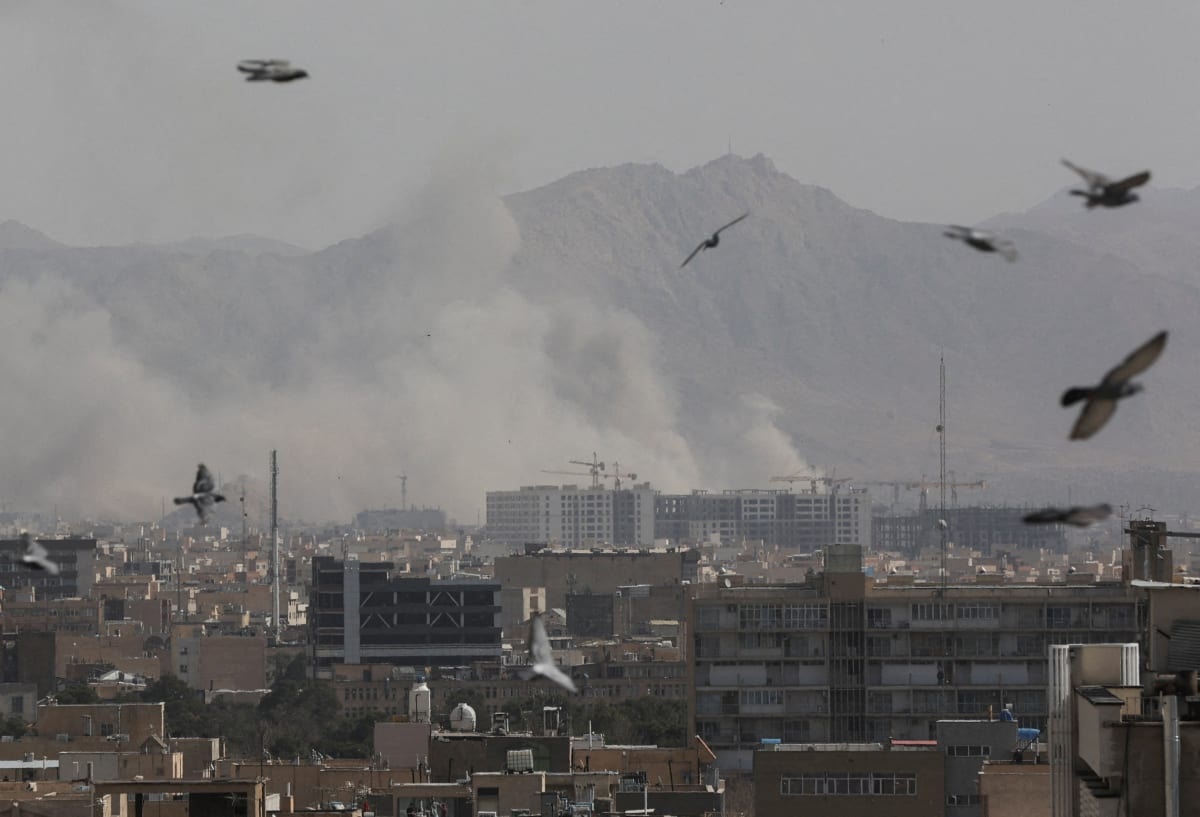
Iran’s decision to fire missiles at Israel and then quickly halt offensive operations highlights the fragile and volatile nature of Middle Eastern security dynamics. The latest exchange between the two regional rivals has once again demonstrated how rapidly tensions can escalate and how difficult it is to prevent broader conflict once military action begins.
The confrontation began after Israel carried out airstrikes linked to its ongoing campaign against Hezbollah positions in and around Beirut, Lebanon. Iran, a long-time supporter of Hezbollah and a key player in the region’s network of allied groups, responded by launching missile attacks toward Israel. The strikes marked Iran’s first direct missile attack on Israel since a fragile ceasefire was established earlier in 2026, raising fears that the region could be heading toward another major war.
According to reports, Iran fired multiple ballistic missiles in several waves, targeting locations in northern Israel. Israeli air defense systems were activated, and authorities issued alerts across affected regions.
While most of the missiles were reportedly intercepted or landed in open areas, the attack represented a significant escalation in the ongoing confrontation between the two countries. The missile launches triggered international concern and renewed calls for restraint from global leaders. However, the situation shifted rapidly.
Register for the next Tekedia Mini-MBA.
Register for Tekedia AI in Business Masterclass.
Join Tekedia Capital Syndicate and co-invest in great global startups.
Within a short period, Iranian military authorities announced a halt to offensive operations, declaring that they had delivered what they described as a sufficient response to Israeli actions. Iranian officials warned that while operations had been suspended, any further Israeli attacks would provoke a stronger and more severe reaction. The message was clear: Iran sought to demonstrate its willingness and ability to retaliate while avoiding an immediate slide into full-scale war.
The temporary cessation of hostilities was welcomed by many observers who feared that continued missile exchanges could destabilize the entire region. Financial markets reacted nervously to the confrontation, particularly because any prolonged conflict involving Iran and Israel could threaten major energy routes and disrupt global oil supplies. Concerns also emerged about the potential involvement of additional actors, including Hezbollah in Lebanon and Iranian-backed groups operating elsewhere in the Middle East.
The United States played a significant diplomatic role during the crisis. President Donald Trump publicly urged both sides to exercise restraint and avoid actions that could derail ongoing diplomatic efforts.
Washington remains interested in preserving regional stability and preventing a wider conflict that could draw in multiple countries and further complicate negotiations on broader security issues. Reports indicate that American pressure contributed to efforts aimed at preventing immediate retaliation and encouraging de-escalation.

Despite the pause, the underlying issues that fueled the confrontation remain unresolved. Iran continues to view Israeli military operations in Lebanon and elsewhere as direct threats to its strategic interests, while Israel remains committed to countering Hezbollah and limiting Iran’s regional influence. As a result, the current halt in offensive operations should not be mistaken for a lasting peace agreement. Rather, it represents a temporary pause in a conflict that remains highly combustible.
The missile exchange and subsequent suspension of attacks serve as a reminder that the Middle East remains vulnerable to sudden escalations. While both sides have stepped back from immediate confrontation, the risk of renewed hostilities remains significant. The coming weeks will likely determine whether diplomacy can stabilize the situation or whether another incident will push the region closer to a broader and more dangerous conflict.