

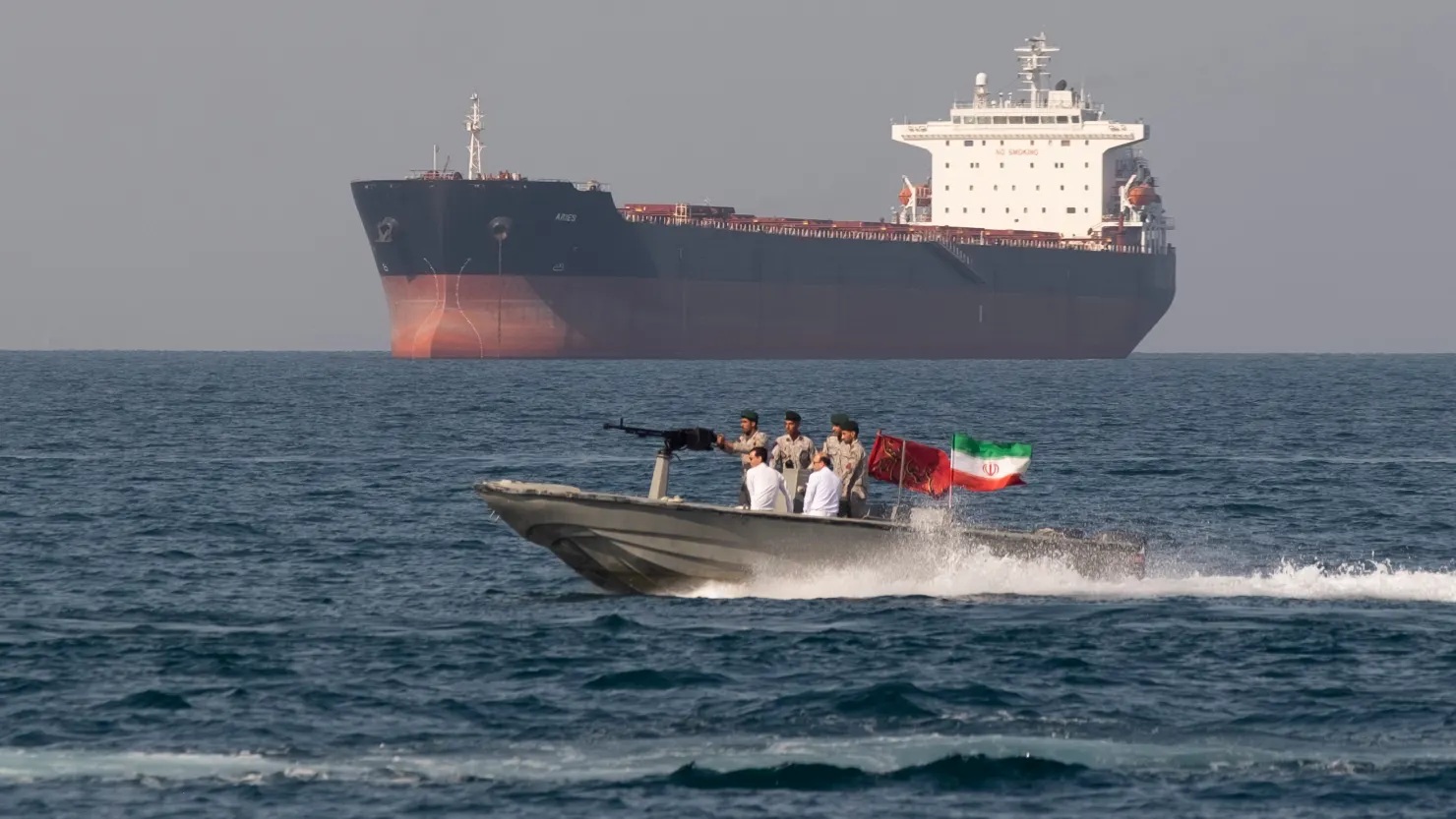
Maritime trade between Iran and Qatar has resumed after nearly five months of disruption, marking another step toward restoring commercial activity across the Gulf following last month’s U.S.-brokered agreement that ended months of conflict between Tehran and Washington.
Iran’s commercial attaché in Doha, Abbas Abdolkhani, confirmed on Sunday that shipping operations between Iran’s Dayyer Port and Qatar’s Al Ruwais Port have restarted after coordination between the Iranian Embassy in Doha and Qatari authorities.
The resumption restores an important regional trade corridor that had been suspended during the conflict, disrupting the movement of goods between the two neighboring countries.
Register for the next Tekedia Mini-MBA.
Register for Tekedia AI in Business Masterclass.
Join Tekedia Capital Syndicate and co-invest in great global startups.
According to Abdolkhani, the shipping link resumed following diplomatic and logistical coordination designed to restore normal commercial operations after the ceasefire agreement.
The reopening follows the interim agreement signed last month between Iran and the United States that formally ended four months of hostilities and called for the restoration of pre-war maritime traffic across the Gulf.
Although the agreement significantly reduced military tensions, shipping conditions in the region remain fragile. Commercial vessels continue to face uncertainty as transit into and out of the Gulf remains contested, denoting lingering security concerns and the continued military presence of regional and international forces.

The restoration of the Dayyer-Al Ruwais route nevertheless represents one of the clearest signs that Gulf trade is gradually normalizing. The two ports primarily handle regional cargo, supplying food products, construction materials, manufactured goods, and other commercial shipments that support trade between southern Iran and northern Qatar.
Dayyer Port, located along Iran’s southern coastline, sustained repeated attacks during the conflict, disrupting port operations and damaging infrastructure that serves local exporters and importers. Its reopening is expected to provide relief for traders who had been forced to seek alternative, often more expensive, shipping routes during the conflict.
The latest development follows another indication that commercial ties across the Gulf are recovering. In late June, Iran’s Trade Promotion Organization announced that Iranian cargo was once again being cleared through the United Arab Emirates’ Jebel Ali Port, the Middle East’s largest commercial port and one of the world’s busiest container terminals.

The resumption of cargo handling at Jebel Ali signaled a gradual restoration of trade flows between Iran and Gulf Arab states after months of disruption caused by the conflict.
Together, the reopening of shipping links with Qatar and renewed cargo processing in the UAE suggest regional supply chains are slowly returning to normal, although businesses remain cautious given the possibility of renewed geopolitical tensions.
The normalization of maritime trade bears enormous weight because the Gulf serves as one of the world’s most strategically important shipping corridors. Beyond regional commerce, the waterway carries a substantial share of global energy exports and connects major ports across the Middle East with markets in Asia, Europe and Africa.
During the conflict, heightened security risks disrupted shipping schedules, increased freight insurance premiums, and forced some vessels to alter routes, adding costs for exporters and importers across the region.
Analysts say the gradual reopening of trade routes is likely to support broader economic recovery in Gulf economies by lowering transportation costs, improving supply chain reliability and restoring confidence among regional businesses. However, they caution that commercial activity remains vulnerable to geopolitical developments, as the durability of the ceasefire and broader regional stability will ultimately determine how quickly trade volumes return to pre-conflict levels.
The reopening of maritime trade with Iran’s neighboring Gulf states also offers an opportunity to revive non-oil exports, strengthen regional commercial ties and ease some of the economic pressures created by months of disrupted trade and logistics.