

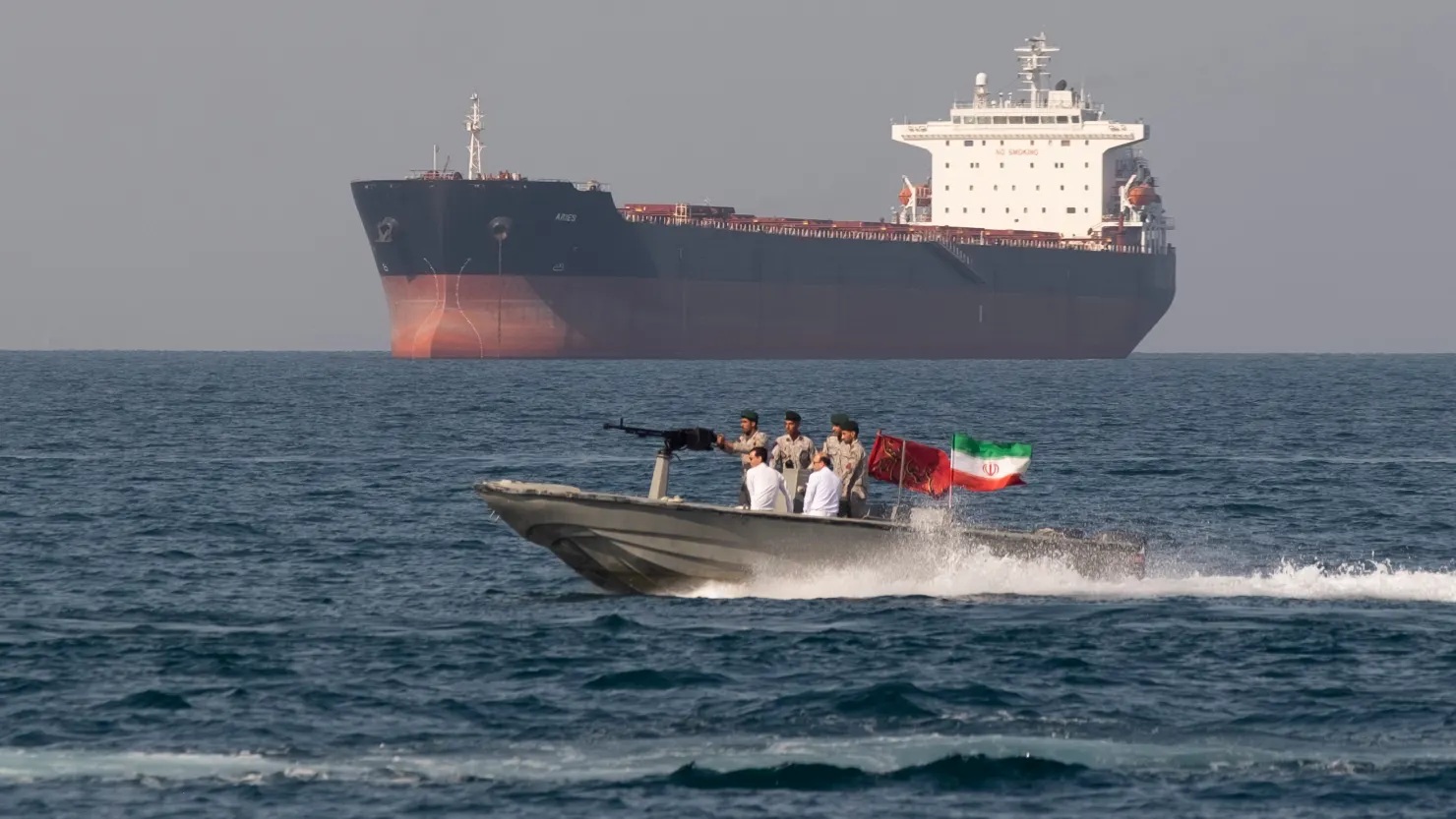
Iran has begun laying naval mines in the Strait of Hormuz. This development comes amid the ongoing U.S.-Israel conflict with Iran, where the strait—a critical chokepoint for roughly 20% of global oil and liquefied natural gas shipments—has already seen effectively halted commercial traffic due to threats, attacks on vessels, and insurance risks.
U.S. intelligence sources indicate Iran has started deploying mines, with reports of “a few dozen” placed so far. Iran retains significant capacity, including 80–90% of its small boats and mine-laying vessels, and an estimated inventory of thousands of mines.
Iran declared the strait closed in early March, vowed to attack passing ships, and has used drones, missiles, and other tactics to disrupt traffic without a full blockade initially. The U.S. military is actively responding, with strikes on Iranian mine-laying vessels, storage facilities, and naval assets to prevent wider deployment and keep the strait viable.
Register for Tekedia Mini-MBA edition 20 (June 8 – Sept 5, 2026).
Register for Tekedia AI in Business Masterclass.
Join Tekedia Capital Syndicate and co-invest in great global startups.
Register for Tekedia AI Lab.
Officials note this as a major escalation, potentially aimed at economic pressure rather than total closure (Iran also relies on the strait for its own exports). The move has immediate market implications, with oil prices spiking on the news (e.g., reports of sharp increases in the past hour tied to these developments).
Global energy markets are already under strain from the de-facto shutdown, and further mining could prolong disruptions, drive insurance rates higher, and risk broader economic fallout. This fits into Iran’s layered strategy in the conflict, combining mines with anti-ship missiles, drones, and small craft swarms to complicate U.S./allied naval operations.
The situation remains fluid, with U.S. officials including Defense Secretary Hegseth warning of severe retaliation if Iran fully disrupts oil flows, and ongoing strikes targeting Iranian capabilities. The escalation involving Iran laying naval mines in the Strait of Hormuz, combined with broader conflict disruptions (including threats to shipping, attacks on vessels, and halted tanker traffic), has caused significant volatility and upward pressure on global oil prices.
The Strait of Hormuz remains a critical chokepoint, handling about 20% of the world’s seaborne crude oil and a substantial portion of liquefied natural gas (LNG). The effective near-shutdown of commercial traffic—due to mining, missile/drone threats, insurance skyrocketing, and ships anchoring or avoiding the route—has stranded millions of barrels of oil from key producers like Saudi Arabia, Iraq, Kuwait, UAE, and others.

This has triggered production cuts in some cases due to storage limits and created a severe supply shock perception in markets. Brent crude (global benchmark) has seen dramatic swings: It spiked sharply in early March (reaching highs above $100–$119 per barrel in some sessions amid peak fears), but as of March 10, 2026, it has pulled back significantly, trading around $84–$92 per barrel with closes reported in the $87–$90 range in various sources, down 6–11% in recent sessions.
WTI crude (U.S. benchmark) has followed a similar pattern, dropping to around $83 per barrel in some reports after earlier surges. This pullback appears tied to market anticipation of interventions, such as potential releases from emergency reserves (e.g., IEA or U.S. Strategic Petroleum Reserve discussions), U.S. naval escorts to reopen routes, or hopes for de-escalation signals.
Earlier in the crisis (late February to early March), prices jumped 10–30%+ in single sessions or short periods on news of closures and attacks, with analysts warning of prolonged disruptions pushing levels to $100+, $150, or even higher in worst-case full-blockade scenarios. Risk premium from uncertainty, halted ~15–20 million barrels/day of flows, damaged infrastructure, and higher shipping/insurance costs.

Downward pressures recently: Expectations of supply offsets (e.g., spare capacity elsewhere, reserve draws), partial U.S./allied efforts to secure the strait, and some market relief from conflict updates. Gasoline and consumer effects: U.S. pump prices have risen ~17% since the war intensified, with further hikes possible if disruptions persist. Global energy costs (including European natural gas) have also surged.
Analysts from Goldman Sachs, Wood Mackenzie, Bloomberg note that sustained mining/blockade could drive prices well over $100/barrel, potentially evoking 1970s-style shocks, inflation, and economic slowdowns. However, a quick resolution or partial reopening could stabilize or reverse gains.
The situation is highly fluid—prices remain elevated versus pre-conflict levels (~$60–$70/barrel baselines earlier in 2026) but have corrected from peak panic highs. Markets are pricing in both escalation risks and potential stabilization efforts.