

Recent trading shows volatility driven by the ongoing US-Iran conflict, which has pushed oil prices back toward or above $100 per barrel, raising fears of economic damage, higher inflation, and disrupted shipping/energy markets.
S&P 500: Closed at 6,672.62, down 103.18 points or about 1.5%. Dow Jones Industrial Average: Closed at 46,677.85, down 739.42 points or about 1.6%. Nasdaq Composite: Closed at 22,311.98, down 404.16 points or about 1.8%. Russell 2000: Down around 2.1%. These were solid but not catastrophic declines, with broad-based selling tied to geopolitical risks.
Earlier in March 2026 there were intraday swings with the Dow down as much as 1,200+ points temporarily amid war worries, but it closed with more modest losses ~0.8-1%. Some social media posts, videos, and commentary have referenced ~$1 trillion losses in recent sessions or cumulatively over days/weeks due to the Iran escalation and related oil spikes.
Markets remain highly sensitive right now to any Middle East developments, oil supply risks, and potential economic fallout could shift this picture. Volatility is elevated, so expect continued swings. The US-Iran conflict, with US and Israeli strikes on Iran followed by Iranian retaliation, has significantly impacted financial markets.
Register for Tekedia Mini-MBA edition 20 (June 8 – Sept 5, 2026).
Register for Tekedia AI in Business Masterclass.
Join Tekedia Capital Syndicate and co-invest in great global startups.
Register for Tekedia AI Lab.
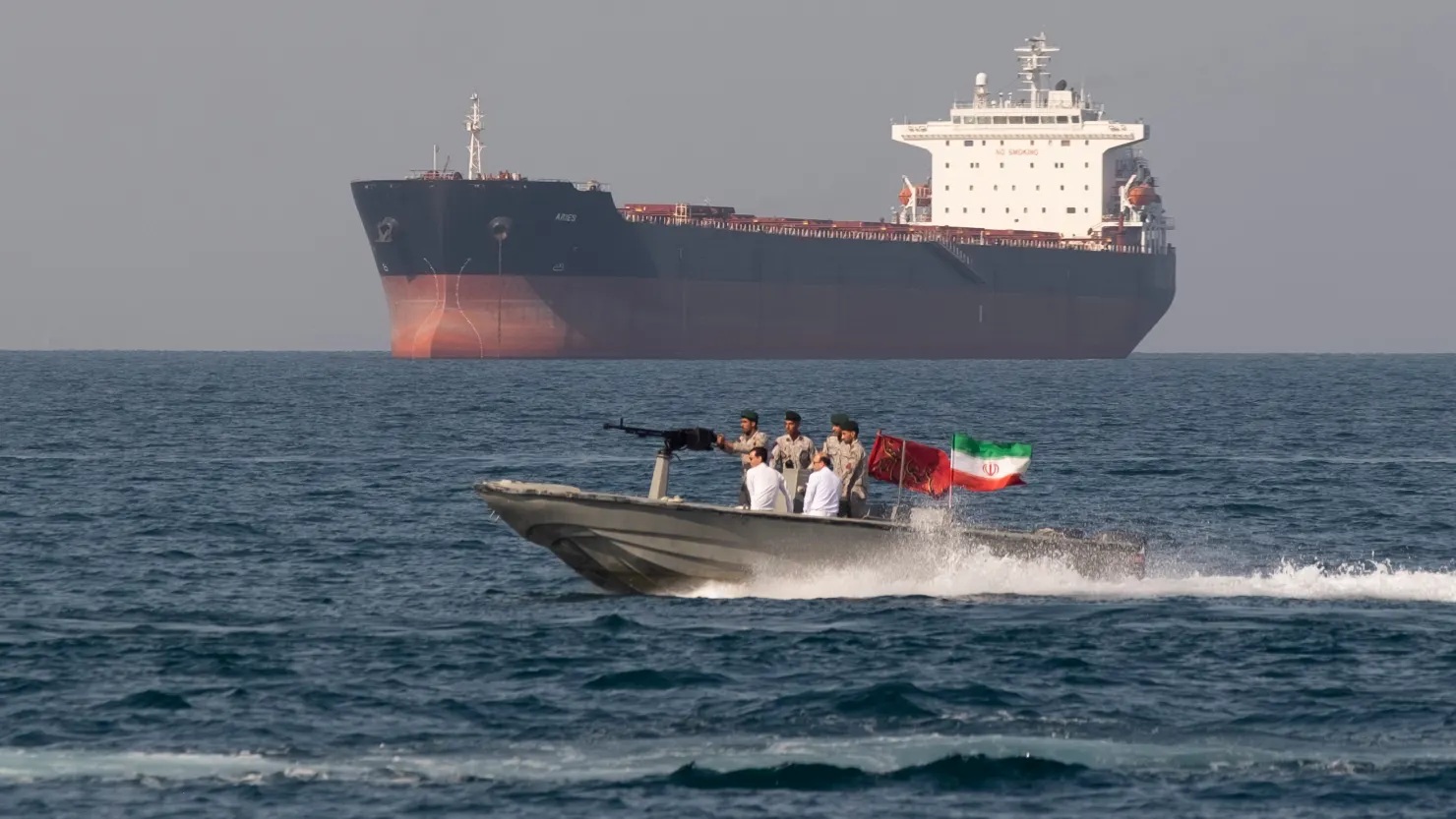
The primary channel is through energy supply disruptions, particularly threats to and partial closures of the Strait of Hormuz, which handles about one-fifth of global oil trade. Oil prices have surged sharply since the conflict began, driven by fears of prolonged supply interruptions, attacks on tankers/ports, and Iranian vows to restrict flows including warnings of prices reaching $200/barrel.
Brent crude (global benchmark) has climbed from pre-conflict levels around $70–75/barrel to over $100/barrel in recent sessions, with peaks near $101–106 in volatile trading. WTI (US benchmark) has followed suit, often trading in the high $90s to low $100s, with daily gains of 6–10% on escalation news (e.g., tanker strikes off Iraq, port closures).
This marks the largest supply disruption in recent history in some estimates, with Gulf output curtailed by millions of barrels per day. Responses include emergency reserve releases but these have only partially offset the rally. Retail gasoline in the US has risen notably, pressuring consumers and raising inflation concerns.
Higher energy costs boost profits for oil companies and related sectors but hurt energy-intensive industries like airlines, transportation, and manufacturing. Equity markets have experienced heightened volatility and broad sell-offs, as risk appetite sours amid fears of prolonged war, inflation resurgence, economic slowdown, and potential recession risks if energy shocks persist.

Patterns include: Sharp intraday swings; Dow down 1,200+ points early in sessions before partial recoveries. Multi-day declines, with the S&P 500, Dow, and Nasdaq often down 1–2% on escalation days. Recent sessions around March 10–12, 2026 saw the Dow drop 700–750 points (1.5–1.6%), S&P 500 and Nasdaq down ~1.5–1.8%, amid oil surging toward/above $100.
Risk assets (tech, cyclicals) underperform; safe havens like gold, US dollar, and Treasuries gain. Defense stocks e.g., Lockheed Martin, Northrop Grumman and energy outperform. Markets down several percent since late February, with the S&P 500 erasing gains and volatility (VIX) spiking.
The conflict has complicated expectations for Federal Reserve policy, as higher inflation from energy could delay rate cuts, while growth risks might push for easing—creating uncertainty. A sustained oil shock could add meaningfully to CPI echoing past energy crises. Europe and Asia (heavy energy importers) face steeper hits; US relatively insulated via domestic production but still vulnerable via consumer spending and supply chains.

Some see a limited war ending soon (minimal long-term damage), others warn of prolonged disruption pushing oil to $150+ and derailing recovery. Markets price in uncertainty, with quick rebounds on de-escalation signals. No resolution is evident, keeping volatility elevated and sentiment cautious.
The conflict acts as a classic geopolitical risk premium: spiking energy costs, pressuring equities especially growth-sensitive ones, and favoring defensive/haven assets until clarity emerges. Investors are closely watching any diplomatic/military developments for relief or further escalation.