

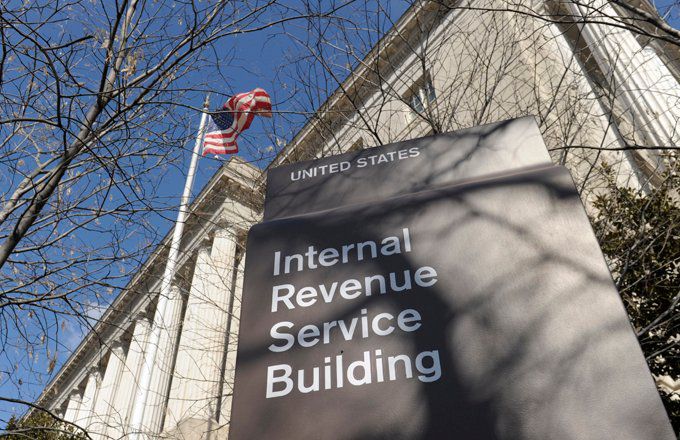
The IRS has proposed a rule that would allow cryptocurrency exchanges and other digital asset brokers to send tax forms electronically only, without needing to provide paper copies.
The proposal specifically targets Form 1099-DA; Digital Asset Proceeds from Broker Transactions, the new form brokers use to report gross proceeds and eventually cost basis from digital asset sales or exchanges to both customers and the IRS.
Under current rules, brokers must generally offer paper delivery unless the customer consents to electronic statements. The proposed regulations provide an optional alternative process for digital asset brokers. They could obtain customer consent for electronic-only delivery without offering a paper option, and without allowing easy withdrawal of that consent.
Register for Tekedia Mini-MBA edition 20 (June 8 – Sept 5, 2026).
Register for Tekedia AI in Business Masterclass.
Join Tekedia Capital Syndicate and co-invest in great global startups.
Register for Tekedia AI Lab.
Brokers would need to meet enhanced requirements, such as notifying customers when statements are available electronically and ensuring ongoing access to them via online dashboards or email. This aligns with the electronic nature of crypto transactions and aims to reduce burdens on brokers while modernizing compliance.
The change is part of the broader rollout of broker reporting for digital assets, mandated by the Infrastructure Investment and Jobs Act, with gross proceeds reporting starting for transactions on or after January 1, 2025. Form 1099-DA applies to custodial brokers platforms like Coinbase or Kraken that hold user assets.
For 2025 transactions, brokers report gross proceeds basis reporting phases in later, for certain transactions from 2026. Statements are due to customers by mid-February or March 2026 with some transitional relief, and e-filed to the IRS shortly after. The proposal is not yet finalized—it’s open for comments—but if adopted, it could apply starting with statements required after January 1, 2027, or earlier in some cases.

Form 1099-DA, titled Digital Asset Proceeds From Broker Transactions, is a new IRS information return introduced to standardize and enhance tax reporting for digital asset (crypto) transactions. It stems from changes made by the Infrastructure Investment and Jobs Act (2021), which expanded the definition of “broker” under IRC §6045 to include many custodial cryptocurrency platforms.
Brokers use this form to report certain dispositions; sales, exchanges, or other transfers of ownership of digital assets to both the taxpayer and the IRS. This helps ensure better compliance, as taxpayers must report all digital asset income, gains, and losses on their tax returns regardless of receiving a form.
Primarily U.S. persons or entities including custodial platforms like exchanges, hosted wallet providers, certain kiosks, and payment processors that effect sales of digital assets on behalf of customers in the ordinary course of business. Non-U.S. brokers generally are not required to report unless specific conditions apply.

Reporting applies to “sale” transactions including crypto-to-crypto trades, sales for fiat, redemptions, etc., but not all transfers; simple wallet-to-wallet moves without a broker effecting a sale. Brokers report dispositions where they effect the sale and exchange for the customer, such as: Selling crypto for fiat currency.
Trading one digital asset for another (crypto-to-crypto). Using crypto to purchase goods/services (in some cases). Other dispositions that result in proceeds. Digital assets include cryptocurrencies (e.g., Bitcoin, Ethereum), stablecoins, non-fungible tokens (NFTs), and similar assets.
For transactions on or after January 1, 2026 reported in 2027+: Brokers must report gross proceeds for all digital assets, plus cost basis and adjustments for covered securities generally those acquired on/after Jan 1, 2026, where the broker has the necessary acquisition info to track basis.
Basis reporting for noncovered securities; assets bought earlier or transferred in without basis data remains voluntary. Covered vs. noncovered distinction mirrors traditional securities rules but adapted for digital assets. Special rules apply for de minimis transactions, optional aggregated reporting for certain NFTs and stablecoins, and exemptions in some cases.
The form supports electronic delivery, with recent proposed rules allowing brokers to make electronic-only delivery easier; no mandatory paper option if consent obtained under enhanced rules. Form 1099-DA is excluded from the Combined Federal/State Filing program for 2025.
Tax rules for digital assets can be complex; hard forks, airdrops, staking may have separate treatment. This move streamlines processes for the crypto industry but may concern users who prefer paper statements or worry about digital access and security.
Taxpayers must still report all digital asset transactions on their returns, even without receiving a form. If you’re affected, consult a tax professional.
I lost about $600k Bitcoin last year, I searched around and tried to work with some recovery firm unfortunately I was scammed as well. This happened for months until I came across coinhackrecovery @gmail .com They came to my rescue and all my funds were recovered within few days I’m so happy right now .
Most people have been scammed severally and they give up on their funds I’m saying these because I was a victim too After loosing 745,000 USD I lose my mind until I read about COIN HACK RECOVERY I decided to contact the company on: coinhackrecoveryAT gmail .com and I’m glad I made the decision not to give up. they helped me to recover all my lost funds within two days.