

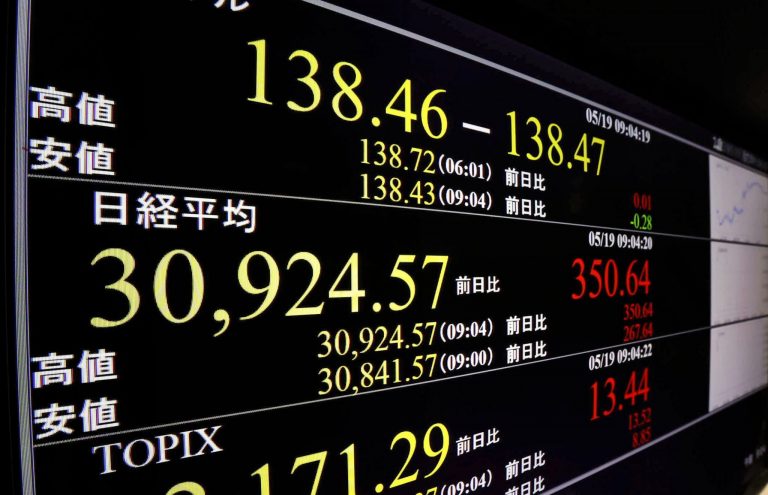
Japan’s Nikkei 225 opened sharply lower, falling as much as ~5% hitting intraday lows around 50,567 amid a broader sell-off in Asian equities, before paring some losses to close down about 2.8% at 51,886 on Monday and then sliding further to close at 51,064 on Tuesday down 1.58%.
The primary driver is an escalating energy crisis tied to the ongoing US-Iran conflict now in its fifth week or more. Key factors include: Disruptions in the Strait of Hormuz. Iran has attacked energy infrastructure and shipping, severely limiting oil flows from the Persian Gulf. This has pushed Brent crude above $115 per barrel in recent sessions.
Japan’s Vulnerability
Register for Tekedia Mini-MBA edition 20 (June 8 – Sept 5, 2026).
Register for Tekedia AI in Business Masterclass.
Join Tekedia Capital Syndicate and co-invest in great global startups.
Register for Tekedia AI Lab.
As a major energy importer with limited domestic resources, Japan faces higher input costs for industries, transportation, and power generation. This raises inflation risks and squeezes corporate margins, especially for exporters and manufacturers.
South Korea’s KOSPI fell ~4% to around 5,240, with similar pressure on other import-dependent economies. Currencies like the Philippine peso and South Korean won have weakened against the dollar amid rising resource prices. Investors fear prolonged conflict could lead to sustained high energy prices, inflation spikes, delayed rate cuts or even accelerated hikes by the Bank of Japan, and potential recessionary pressures.
The yen has weakened past ¥160/USD, adding to volatility though Tokyo has signaled possible intervention. The Nikkei has now posted its worst monthly performance since the 2008 global financial crisis, down over 13% in March 2026. This isn’t an isolated energy crisis isolated to Asia—it’s a spillover from Middle East geopolitical tensions affecting global supply chains.

Oil prices have surged dramatically since the conflict intensified, amplifying concerns for net energy importers across the region. Markets remain volatile, with safe-haven flows into assets like gold, US Treasuries, and the yen. Analysts note that a resolution or de-escalation in the Strait of Hormuz could ease pressure, but prolonged disruption risks deeper economic pain.
The hardest-hit sectors in the recent Nikkei sell-off and broader Asian markets stem primarily from Japan’s heavy reliance on imported energy—especially oil and LNG from the Middle East routed through the Strait of Hormuz. Surging crude prices raise input costs, squeeze corporate margins, fuel inflation concerns, and heighten fears of stagflation or slower growth. This leads to risk-off selling in economically sensitive and high-cost sectors.
Here’s a breakdown of the most affected areas based on recent trading sessions:Electronics & Technology including semiconductors and AI-related suppliers: These weighed heavily on the Topix and Nikkei. Companies like Advantest, SoftBank Group, Fujikura, Furukawa Electric, and Sumitomo Electric saw sharp drops often 6–9%+ in single sessions. Reasons include higher energy/power costs for manufacturing and data centers, plus global tech demand worries amid economic slowdown fears.
Semiconductor supply chains are particularly vulnerable to rising input costs and potential disruptions in plastics and petrochemicals needed for components. Significant pressure from elevated fuel and raw material costs, which hurt margins for manufacturers and exporters.

Auto stocks have been frequent decliners as higher oil translates to costlier operations and potential demand softening if inflation rises. Higher energy-driven inflation could delay or complicate Bank of Japan policy, while economic slowdown fears weigh on lending and profitability outlooks. Jet fuel and bunker fuel prices have spiked dramatically, leading to higher surcharges, route cuts, and cancellations across Asian carriers.
In Japan, this hits names tied to international travel and freight. Broader transport sectors including some marine and land logistics face similar cost pressures from energy and potential shipping disruptions. Production cuts or halts have been reported in related Asian industries (plastics, packaging, fertilizers), with ripple effects into Japanese manufacturers.
Pulp and paper and ceramics were noted as decliners in some sessions due to fuel and feedstock inflation. As major LNG and fuel consumers for power generation, utilities see margin pressure from higher procurement costs, even as they may pass some on to consumers. Shares have dropped amid concerns over sustained high input prices.
In South Korea, tech giants like Samsung and SK Hynix faced pressure alongside similar energy-cost and demand worries. Across the region, airlines, refiners, and petrochemical-heavy industries have been vulnerable, with some factories operating at reduced capacity due to feedstock shortages. Some oil explorers, LNG players, or defense names gained on higher commodity prices.
Non-energy-intensive or defensive sectors; certain foods or domestic-focused held up better or even rose on rotation. The Nikkei’s worst monthly performance since 2008 reflects these cumulative pressures, amplified by a weak yen (past ¥160/USD), which raises import costs further.
Markets remain volatile—any de-escalation in the Middle East or oil price pullback could provide relief, while prolonged disruption risks deeper pain for importers. Sectors with high energy sensitivity or export exposure have been most punished so far.