

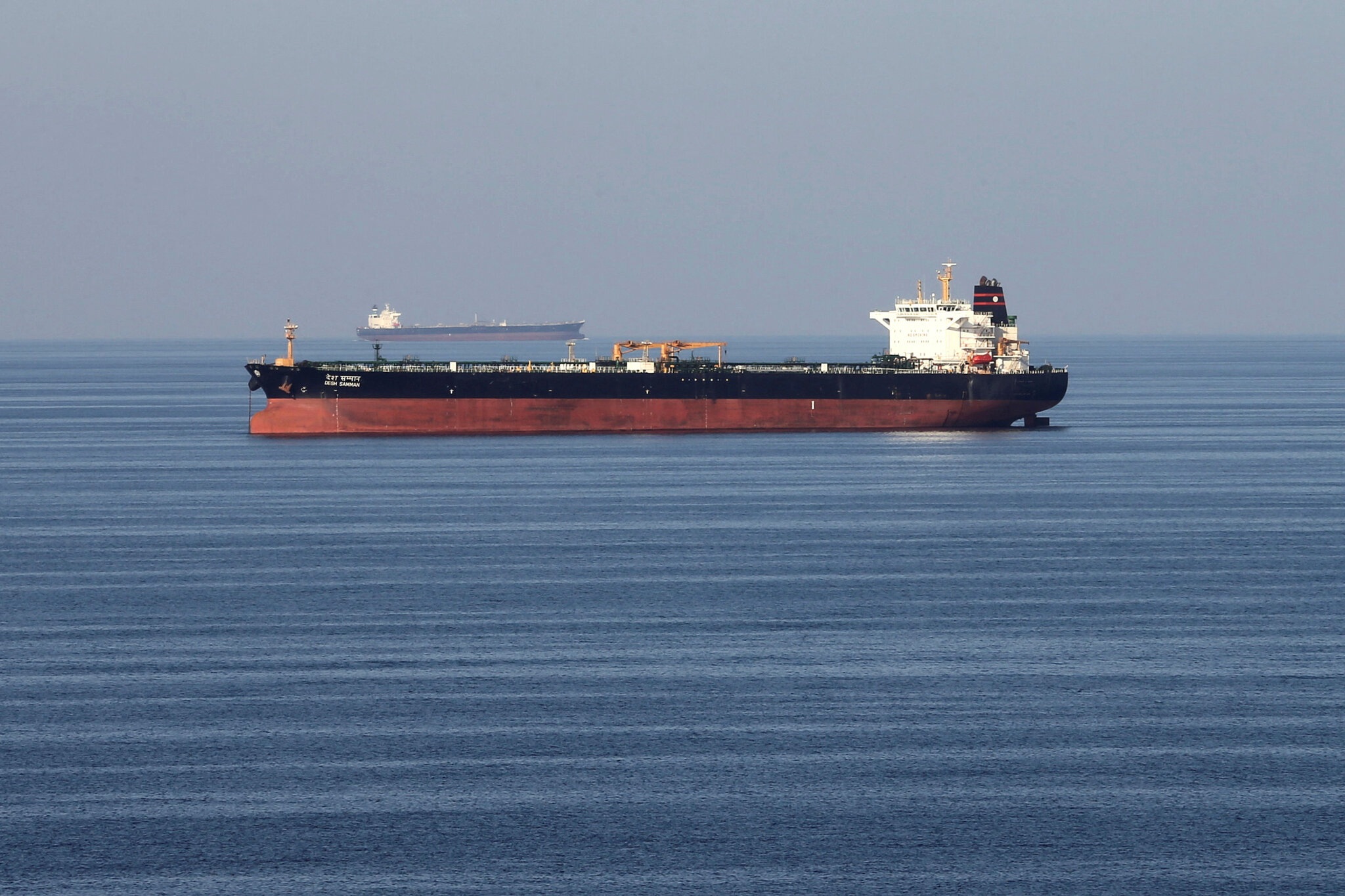
German Foreign Minister Johann Wadephul has called for a stronger crackdown on Russia’s so-called “shadow fleet” — a network of aging oil tankers that Moscow uses to evade Western sanctions on its oil exports following the 2022 invasion of Ukraine.
In statements made during talks in Riga with Latvian Foreign Minister Baiba Braže on January 26, 2026, Wadephul emphasized the dual threats posed by these vessels: They generate revenue for Russia to fund its war efforts.
Many are in poor technical condition, with inadequately trained crews, raising the risk of major accidents like groundings or oil spills in the Baltic Sea. He warned that an oil tanker running aground could cause immediate heavy pollution along Latvian and German coasts, leading to an ecological disaster with severe economic impacts, particularly on tourism.
Wadephul demanded urgent reforms to international maritime law to allow authorities to act against such ships and their operators, even when ownership or registration is unclear. He stressed closing all loopholes exploited by Russia, improving international coordination, and enhancing communication among nations.
Register for Tekedia Mini-MBA edition 20 (June 8 – Sept 5, 2026).
Register for Tekedia AI in Business Masterclass.
Join Tekedia Capital Syndicate and co-invest in great global startups.
Register for Tekedia AI Lab.
This comes amid broader concerns over Russian hybrid threats in the Baltic region, including damage to undersea cables often attributed to Russia and other security issues. Germany has been ramping up actions against the shadow fleet in recent months and years, including: Insurance checks on passing tankers starting mid-2025.
Denying entry to suspected vessels like the Tavian in January 2026. Coordinating with Baltic and Nordic countries to disrupt the fleet. The shadow fleet has grown significantly since sanctions began, often involving old tankers with opaque ownership, flags of convenience, and no proper insurance — heightening environmental risks in busy European waters.
Wadephul’s remarks align with ongoing EU and G7 efforts to tighten sanctions and enforcement on these operations, though challenges remain due to the fleet’s evasive tactics.
The Russian shadow fleet — the network of aging, often poorly maintained oil tankers used to transport sanctioned Russian crude and products while evading Western sanctions — poses significant environmental risks, primarily through the heightened potential for major oil spills, pollution, and ecological damage in sensitive marine areas.

These vessels differ markedly from standard commercial tankers in ways that amplify hazards: — Many shadow fleet tankers are over 15–20 years old with averages around 16–20 years, compared to ~13 years for the global fleet.
Older ships are more prone to mechanical failures, structural weaknesses, corrosion, engine breakdowns, fires, explosions, and loss of steerage. Reports indicate over 70% of some analyzed vessels exceed 15 years, exponentially raising malfunction risks.
A core issue is the lack of credible Protection & Indemnity (P&I) coverage from established international groups, the International Group of P&I Clubs. Many rely on Russian insurers like Ingosstrakh often sanctioned itself or opaque offshore providers, with frequent cases of falsified, expired, or voided certificates due to sanctions clauses.

In an accident, unreliable insurers may refuse payouts, leaving coastal states, taxpayers, or other parties to fund cleanup — costs that can reach billions of euros for a major spill. Shadow vessels often disable or spoof AIS transponders making them “dark” or hard to track, bypass pilotage in narrow straits, change flags frequently and operate with opaque ownership via shell companies.
This increases collision risks in busy routes and complicates accountability. The fleet transports millions of barrels daily, with heavy traffic through chokepoints like the Baltic Sea where ~40–60% of Russian seaborne oil transits, Danish Straits, North Sea, Black Sea, and others.
These include ecologically fragile zones with bird sanctuaries, nature reserves, ice-prone waters (worsening winter spills), and narrow passages prone to accidents. While no single “Exxon Valdez”-scale disaster has yet occurred from the shadow fleet in European waters, incidents highlight the dangers.
Dozens of collisions, fires, engine failures, and oil slicks linked to shadow vessels between 2022–2025. December 2024: Two tankers linked to Russian operators caused severe oil spills in the Black Sea due to negligence/storm damage, polluting coastlines.
Fires and explosions on vessels like Kairos and Virat off Turkey (2025). Near-misses in the Baltic, including collisions where empty hulls prevented worse spills. Experts like Greenpeace, Kyiv School of Economics, Atlantic Council describe a “major environmental disaster” as inevitable or “only a question of time,” especially in the Baltic’s congested, semi-enclosed waters.
A large spill could devastate marine ecosystems, fisheries, tourism, and coastal economies: Long-term pollution of beaches, wildlife, and food chains. Cleanup costs in the billions, with limited recovery from owners/insurers. Exacerbated in icy Baltic winters, where response is nearly impossible.
Broader impacts on biodiversity in protected areas along German, Latvian, Finnish, Swedish, Danish, and other coasts. Western nations increasingly view these risks as unacceptable, prompting calls for tighter enforcement — such as denying access to vessels without verifiable insurance, enhanced monitoring, and reforms to maritime law.
However, the fleet’s evasive tactics and growth now over 1,000 vessels in some estimates make full mitigation challenging.