

Kenya is on the brink of a financial revolution, after its Parliament approved the Virtual Asset Service Providers (VASP) Bill 2025, marking a significant step toward regulating digital currencies and virtual assets in the country.
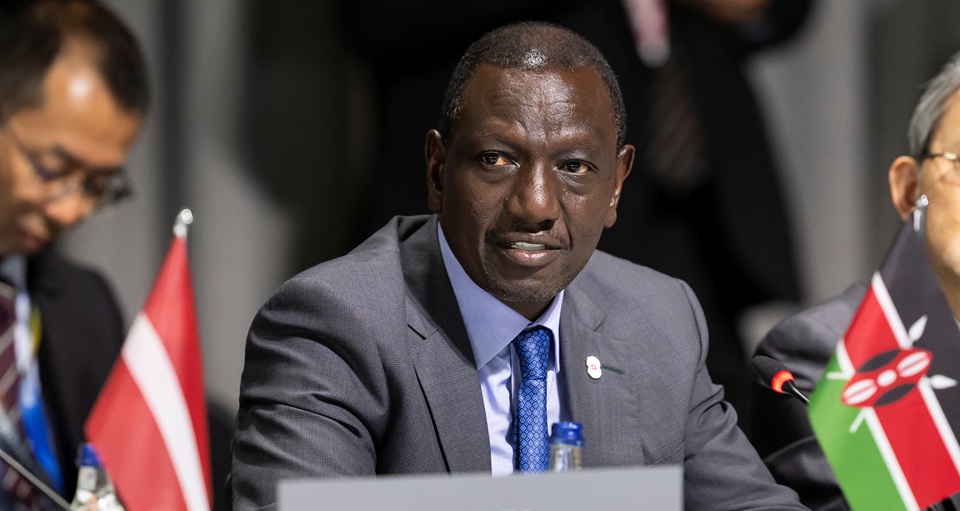
The bill passed last week now awaits President William Ruto’s assent before it becomes law. The new legislation introduces a clear licensing framework to regulate virtual asset service providers and address risks associated with the misuse of virtual asset products and virtual asset service provider services. This move is designed to strengthen investor confidence and attract fresh investments into Kenya’s expanding fintech ecosystem.
By formalizing oversight of the sector, Kenya is positioning itself as a potential hub for crypto innovation in Africa, amid growing interest in digital finance across the continent.
Register for Tekedia Mini-MBA edition 20 (June 8 – Sept 5, 2026).
Register for Tekedia AI in Business Masterclass.
Join Tekedia Capital Syndicate and co-invest in great global startups.
Register for Tekedia AI Lab.
The VASP Bill establishes a dual regulatory structure, distributing oversight between two existing institutions. The Central Bank of Kenya (CBK) will regulate the issuance of stablecoins and other virtual assets, while the Capital Markets Authority (CMA) will oversee exchanges, brokers, and trading platforms.
This arrangement replaces earlier proposals to create a new regulatory body, streamlining supervision under existing financial regulators whose mandates have been extended to cover crypto-related activities. Under the new framework, operators will be required to segregate client funds, maintain robust anti-money laundering (AML) systems, and adhere to strict compliance and reporting standards.
Kenya’s approach reflects an effort to balance technological innovation with risk management, following regulatory models seen in the United States and the United Kingdom. The legislation aims to curb illicit activities such as fraud, money laundering, and terrorism financing, while ensuring that legitimate operators can thrive in a safer and more transparent environment.

Kenya’s Growing Crypto Market Driven by Youth
Kenya’s youthful population, especially those aged 18 to 35, has rapidly embraced virtual assets for trading, payments, and business transactions.
For years, cryptocurrency trading in Kenya operated in a regulatory gray area due to the absence of clear laws. However, the new bill fills this gap, aligning Kenya’s policies with international standards and enhancing the country’s appeal to global fintech investors.
Earlier this year, Treasury Cabinet Secretary John Mbadi reaffirmed the government’s intention to legalize cryptocurrencies and expand the digital economy. He emphasized the importance of finding a balance between innovation and regulation, acknowledging that while digital assets present opportunities for growth and inclusion, they also pose risks that must be carefully managed.

Although Kenya once maintained a restrictive stance toward cryptocurrencies, their use continued to rise informally. The new VASP Bill represents a strategic shift, transforming what was once a largely underground sector into a regulated, transparent, and investment-ready industry.
Strategic Timing Amid Global Stablecoin Growth
Kenya’s passage of the Virtual Asset Service Providers (VASP) Bill 2025 coincides with a global surge in stablecoin adoption.
Stablecoin cryptocurrencies pegged to stable assets like the U.S. dollar have evolved from a crypto trading tool into a cornerstone of global finance. By providing price stability alongside blockchain’s speed and low costs, they have bridged traditional money with digital systems, enabling everything from remittances to institutional settlements.
As of October 15, 2025, their adoption is accelerating worldwide, driven by regulatory breakthroughs, institutional integrations, and real-world utility in payments.
Reports reveal that over 90% of businesses are testing or using stablecoins for cross-border payments, citing speed (48% prioritize this over cost savings) and 24/7 availability. Major players like PayPal (with PYUSD) and Visa (integrating USDC) are leading the charge, settling billions in transactions monthly.
Many regulators have expressed concern that such assets could destabilize local currencies in emerging markets. By placing stablecoin issuance under the CBK’s direct supervision, Kenya seeks to safeguard its monetary stability while continuing to encourage innovation within the digital economy.
The country is strategically positioning itself to avoid problems that come when stablecoins are deeply used but unregulated, undermined monetary policy, risking of scams or misuse.
Also, as global players demand regulatory clarity before entering markets, Kenya’s legal framework can make it more attractive for crypto exchanges, stablecoin issuers, remittance platforms, and fintech firms. Investors tend to favor jurisdictions with rules in place. The Bill gives Kenya a competitive edge.
With people increasingly using stablecoins as a hedge or for cross-border transfers, regulation will help protect consumers and help ensure that stablecoins don’t destabilize the Kenyan shilling.
Once signed into law, the Virtual Asset Service Providers Bill 2025 will mark a defining moment in Kenya’s financial history, potentially setting the stage for the country to become a regional leader in digital finance and blockchain innovation.