

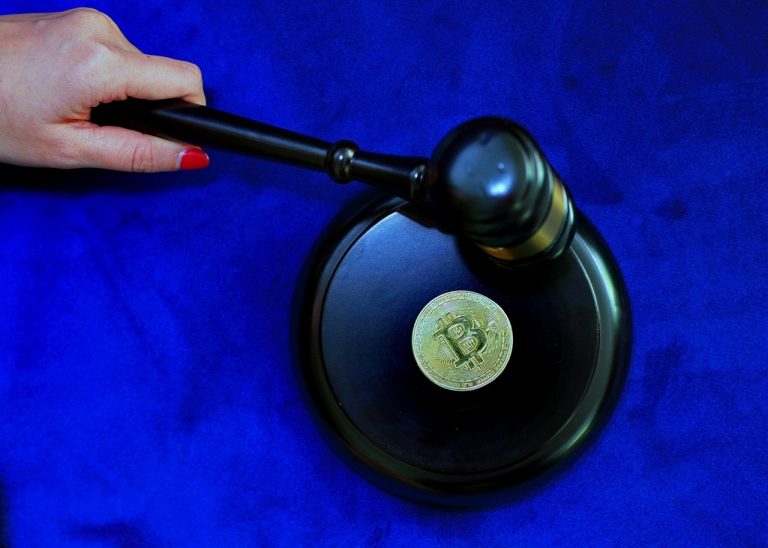
Dubai’s Virtual Assets Regulatory Authority (VARA)—the emirate’s dedicated crypto regulator—has issued a public investor and marketplace alert stating that KuCoin and several affiliated entities has been operating without the required license.
VARA explicitly named entities including Phoenixfin Pte Ltd, MEK Global Limited, Peken Global Limited, and KuCoin Exchange EU GmbH—all commercially advertising as KuCoin via the domain kucoin.com—as providing virtual asset services to Dubai residents without necessary regulatory approvals and misrepresenting their licensing status.
KuCoin does not hold any license to provide virtual asset services in or from Dubai. The regulator ordered these entities to immediately cease and desist all unlicensed virtual asset activities. Any promotion, advertising, or solicitation related to KuCoin in Dubai has not been approved.
Register for Tekedia Mini-MBA edition 20 (June 8 – Sept 5, 2026).
Register for Tekedia AI in Business Masterclass.
Join Tekedia Capital Syndicate and co-invest in great global startups.
Register for Tekedia AI Lab.
VARA warned investors that using unlicensed platforms carries significant financial and legal risks, urging residents to verify providers against its public register of licensed entities and avoid unregulated services. This action aligns with Dubai’s broader push to enforce strict compliance in its ambition to become a regulated crypto hub—while licensing players like Binance and Bybit, it has previously fined and issued cease-and-desist orders to unlicensed firms.
KuCoin has faced similar regulatory challenges elsewhere recently, including restrictions in the EU and earlier U.S. actions, but this Dubai move is a targeted local enforcement rather than a full global shutdown. The exchange has reportedly indicated it will cooperate with regulators and respects local laws.
If you’re in Dubai or using KuCoin, it’s advisable to review your exposure and consider licensed alternatives. KuCoin has encountered regulatory challenges in multiple jurisdictions beyond Dubai, often involving unlicensed operations, compliance failures especially AML/CTF, or outright restrictions and bans.
These stem from its offshore roots originally Seychelles-based, later re-domiciled to Turks and Caicos Islands in 2025 and efforts to expand into regulated markets without fully meeting local standards.
KuCoin faced major enforcement from the U.S. Department of Justice (DOJ). It pleaded guilty to operating an unlicensed money-transmitting business violating FinCEN and CFTC rules and agreed to a $300 million settlement. This led to a mandatory 2-year ban from serving U.S. residents, with the exchange officially exiting the market in early 2025.

KuCoin remains restricted in the U.S., where it never held proper licenses. In February 2026, Austria’s Financial Market Authority (FMA) prohibited it from onboarding new customers, concluding new contracts, or launching new products. The reason: breaches in internal organization, specifically lacking suitable key compliance officers for anti-money laundering (AML), counter-terrorist financing (CTF), and sanctions observance.
Trading and deposit services were suspended starting February 4, 2026. This effectively halts new EU business until compliance gaps are fixed, marking one of the first strict enforcement actions under MiCA. KuCoin is under a permanent ban from the Ontario Securities Commission (OSC) and other provincial regulators.
It falls under broader restrictions from the Canadian Securities Administrators (CSA) Pre-Registration Undertaking regime, which forced many global exchanges to exit or face enforcement. Canadians are barred from using KuCoin services, with risks of account freezes for attempts to bypass geo-blocks. KuCoin officially restricts or does not support services in around 20 countries/regions per its terms of service.

This includes mainland China, Singapore, and various others. In Nigeria, it paused P2P trading and naira services in 2024 amid SEC hints at broader P2P bans, though this predates recent events. Earlier issues include Seychelles regulatory changes in 2025 that prompted re-domiciliation after license pressures, and ongoing global scrutiny over AML/shortcomings.
These actions reflect a worldwide trend of regulators cracking down on unlicensed or non-compliant crypto platforms, especially as frameworks like MiCA in the EU and stablecoin rules in the U.S. mature. KuCoin has stated it aims to cooperate and comply where possible, but users in affected areas face risks like limited access, potential asset freezes, or legal exposure.