

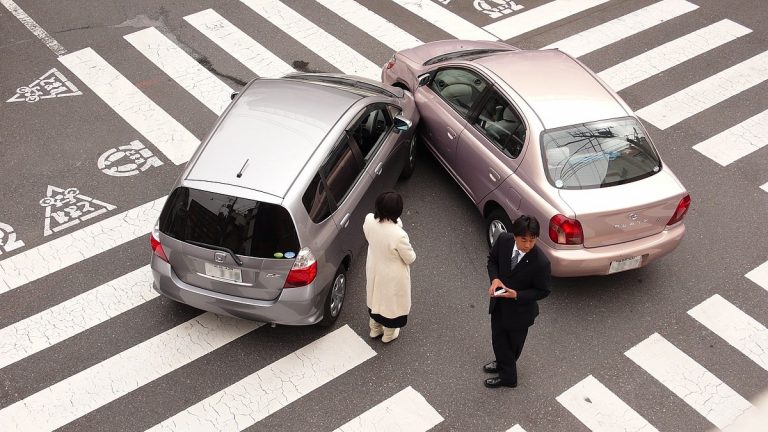
Winter driving conditions create unique challenges that can lead to accidents even when drivers exercise reasonable care. Snow, ice, and reduced visibility contribute to thousands of collisions each year, leaving victims confused about their legal rights and next steps. Understanding the proper legal procedures following a winter road accident can protect your interests and ensure you receive appropriate compensation for damages.
Immediate Actions at the Scene
Prioritize Safety and Medical Attention
Your first priority after any winter accident should be ensuring everyone’s safety and seeking medical attention for injuries. Winter conditions often make accident scenes more hazardous, with ongoing risks from ice, snow, and limited visibility. Move vehicles out of traffic when possible, but leave them in place if anyone sustained injuries.
Call 911 immediately, even if injuries appear minor. Cold temperatures can mask pain and shock, making it difficult to assess injury severity accurately. Emergency responders can also help secure the accident scene and direct traffic around the collision area.
Document the Scene Thoroughly
Winter accident scenes present unique documentation challenges due to weather conditions and fading daylight. Take photographs of vehicle damage, road conditions, weather circumstances, and any relevant traffic signs or signals. Capture images of ice patches, snow accumulation, and visibility conditions that may have contributed to the accident.
Collect contact information from all drivers, passengers, and witnesses. Weather conditions may cause people to leave quickly, so gather this information promptly. Note the specific weather conditions, temperature, and time of day, as these factors can significantly impact liability determinations.
Understanding Winter Weather and Liability
How Weather Affects Legal Responsibility
Winter weather conditions complicate liability determinations in accident cases. While bad weather doesn’t automatically excuse negligent driving, courts recognize that reasonable driving behavior changes with conditions. Drivers have a duty to adjust their speed, following distance, and driving techniques to match current road conditions.
Failure to adapt driving behavior to winter conditions can constitute negligence. This includes driving too fast for conditions, following too closely on icy roads, or failing to clear snow and ice from vehicle windows and lights. Insurance companies and courts will evaluate whether each driver operated their vehicle reasonably given the specific weather conditions.
Comparative Fault in Winter Accidents
Many winter accidents involve shared responsibility between drivers. One driver might have been speeding on icy roads while another failed to yield the right of way. Understanding how comparative fault applies to your situation helps set realistic expectations for potential recovery.
States handle comparative fault differently, with some allowing recovery even when you’re partially at fault, while others bar recovery if your fault percentage exceeds certain thresholds. This complexity makes professional legal guidance particularly valuable in winter accident cases.
Insurance Considerations and Challenges
Dealing with Weather-Related Claims
Insurance companies often scrutinize winter weather claims more carefully, sometimes attempting to classify accidents as “acts of nature” rather than driver negligence. They may argue that weather conditions were the primary cause, reducing their obligation to pay claims.
Proper documentation becomes crucial in countering these arguments. Evidence showing that one driver failed to exercise reasonable care for conditions can establish liability despite challenging weather. This might include proof of excessive speed, inadequate tire tread, or failure to maintain proper control.
Understanding Coverage Limitations
Review your insurance policy carefully to understand how winter conditions might affect coverage. Some policies have specific provisions regarding weather-related accidents or may require certain safety equipment during winter months. Comprehensive coverage typically handles weather damage to your vehicle, while collision coverage applies to impacts with other vehicles or objects.
When Professional Legal Help Becomes Necessary
Complex Liability Situations
Winter accidents often involve multiple contributing factors that complicate liability determinations. Professional legal assistance becomes valuable when accidents involve commercial vehicles, government road maintenance issues, or disputes about whether conditions were reasonably foreseeable.
A qualified car accident lawyer in Taylorsville or your local area can investigate all potential contributing factors, including whether road maintenance was adequate, warning signs were present, and weather forecasts were available to drivers. These investigations often require resources and expertise beyond what individuals can provide themselves.
Dealing with Serious Injuries
Winter accidents can result in severe injuries due to the unpredictable nature of vehicle movements on ice and snow. Head-on collisions, rollovers, and multi-vehicle pile-ups occur more frequently in winter conditions, often resulting in catastrophic injuries requiring extensive medical treatment.
Serious injury cases require careful documentation of current and future medical expenses, lost earning capacity, and quality of life impacts. Insurance companies may dispute the extent of injuries or argue that pre-existing conditions contributed to current problems.
Protecting Your Legal Interests
Time Limitations and Deadlines
Legal deadlines don’t pause for winter weather, making prompt action essential after any accident. Statutes of limitations vary by state but typically range from one to six years for personal injury claims. However, certain procedural requirements may have much shorter deadlines.
Insurance companies also impose their own deadlines for reporting claims and providing documentation. Missing these deadlines can jeopardize your right to recover compensation, regardless of the accident’s circumstances.
Avoiding Common Mistakes
Many winter accident victims make statements at the scene that later hurt their cases. Avoid admitting fault or speculating about causes, even if you believe weather was primarily responsible. Let investigators and insurance adjusters make these determinations based on evidence rather than preliminary impressions.
Don’t accept quick settlement offers without fully understanding your damages. Winter accidents often result in delayed injury symptoms and may require extensive vehicle repairs due to hidden damage from impacts on ice or snow.
Winter road accidents require careful navigation of both immediate safety concerns and long-term legal implications. Understanding your rights and responsibilities can help ensure you receive appropriate compensation while avoiding costly mistakes in the claims process.