

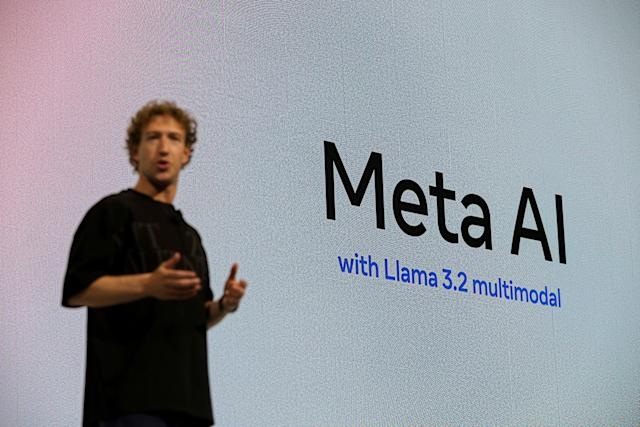
Meta has aggressively positioned artificial intelligence at the center of its advertising business. The company envisions a future where brands can generate images, videos, copy, audience targeting, and campaign optimization with minimal human intervention.
With billions of users across Facebook, Instagram, and WhatsApp, Meta believes AI-driven advertising can dramatically reduce the cost and complexity of digital marketing. However, many advertisers are finding that the reality falls short of the promise.
A growing number of brands and advertising executives argue that Meta’s AI tools remain unreliable, frequently generating inaccurate, distorted, or even absurd outputs. According to several industry insiders, problems such as altered product appearances, misshapen images, incorrect branding elements, and misleading promotional content have become increasingly common.
Rather than simplifying advertising operations, these issues often create additional layers of review, correction, and risk management.
Register for the next Tekedia Mini-MBA.
Register for Tekedia AI in Business Masterclass.
Join Tekedia Capital Syndicate and co-invest in great global startups.
For many businesses, brand consistency is one of the most valuable assets they possess. Consumers expect products to appear exactly as they are in reality. Yet advertisers report instances where Meta’s AI-generated creatives significantly changed product designs, colors, packaging, or key features.
In some cases, the AI created unrealistic visuals that bore little resemblance to the original product being marketed. Such inaccuracies can have serious consequences. Misrepresented advertisements may confuse customers, damage brand credibility, and potentially expose companies to regulatory concerns related to false advertising.
In industries such as healthcare, finance, food, and consumer goods, even minor inaccuracies can create legal and reputational risks. What has particularly frustrated advertisers is Meta’s reported stance regarding responsibility. Several executives claim that when issues arise.
Meta often places the burden on brands themselves, arguing that advertisers are responsible for reviewing and approving AI-generated materials before publication.

While this position may be legally defensible, many marketers believe it undermines Meta’s marketing narrative that its AI tools are mature enough to automate significant portions of the creative process.
This tension highlights a broader issue facing the technology industry: the gap between AI ambition and practical implementation. Generative AI systems are powerful, but they still struggle with contextual understanding, brand nuance, and visual accuracy.
AI models can produce impressive results in controlled environments while simultaneously generating outputs that appear strange, inconsistent, or entirely fabricated. Despite these challenges, advertisers continue using Meta’s AI tools because of the company’s immense market power.

Meta remains one of the world’s largest digital advertising platforms, controlling access to billions of consumers and a vast amount of behavioral data. Many brands feel compelled to experiment with the company’s AI offerings in order to remain competitive, even if the tools require substantial human oversight.
The situation also raises important questions about accountability in the age of AI-generated content. If an automated system produces misleading advertisements, who should bear responsibility—the technology provider or the advertiser using the system? The answer remains legally and ethically uncertain.
As AI becomes increasingly integrated into marketing workflows, trust will become as important as innovation. Advertisers are not merely seeking automation; they require reliability, transparency, and safeguards against errors that could damage their brands.
Meta’s experience demonstrates that while AI may eventually transform digital advertising, the technology still has significant limitations.
For now, many advertisers appear to be adopting a cautious approach: embracing AI’s efficiency gains while maintaining substantial human supervision.
Until generative systems can consistently deliver accurate and brand-safe outputs, human judgment will remain indispensable in the advertising industry.