

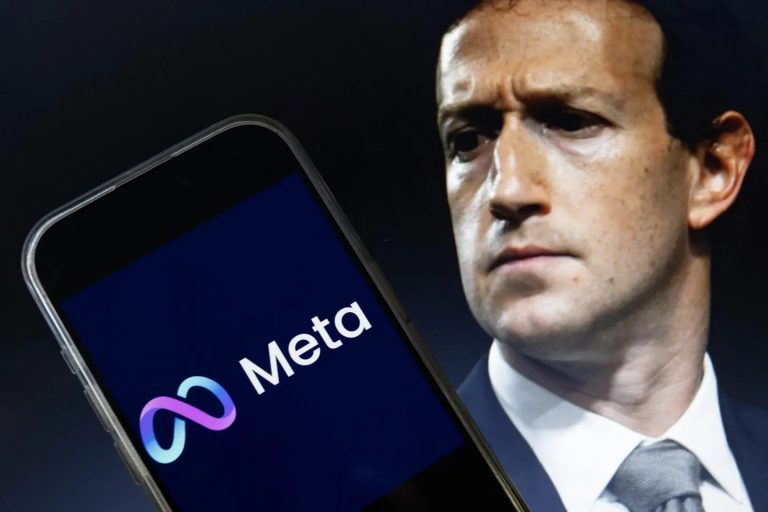
Meta’s massive deal involving Mark Zuckerberg highlights an important reality about modern corporate leadership: even the most powerful executives cannot completely escape the demands of real-world work.
As artificial intelligence transforms workplaces and companies invest billions of dollars in automation, Zuckerberg’s arrangement demonstrates that leadership still requires personal involvement, physical presence, and direct engagement with complex business challenges.
Meta, the parent company of Facebook, Instagram, and WhatsApp, has become one of the world’s most influential technology companies. Under Zuckerberg’s leadership, the company has expanded its advertising business, invested heavily in artificial intelligence, and pursued ambitious virtual reality projects.
Register for the next Tekedia Mini-MBA.
Register for Tekedia AI in Business Masterclass.
Join Tekedia Capital Syndicate and co-invest in great global startups.
However, its latest deal involving the chief executive underscores that technological advancement does not eliminate the practical responsibilities associated with running a global business.
The phrase IRL, meaning in real life, captures the distinction between digital convenience and physical participation. Executives increasingly rely on virtual meetings, automated reporting systems, and AI assistants to manage responsibilities across international markets.
Some assignments require direct attention, whether involving strategic negotiations, operational decisions, or activities that cannot be completed effectively through a screen. Zuckerberg’s position makes this particularly interesting.

As Meta’s chief executive, he oversees a company employing tens of thousands of people and competing against major technology firms, including Google, Microsoft, and OpenAI. His schedule involves decisions affecting product development, advertising revenue, corporate strategy, and investments worth billions of dollars.
Yet executive status does not necessarily remove the need to undertake demanding responsibilities personally. The development reflects a broader shift in how businesses define productivity.
For years, technological innovation has promised to reduce repetitive work and allow employees to concentrate on higher-value activities. Artificial intelligence has accelerated that expectation, enabling companies to automate research, generate reports, analyze information, and improve communication.

Automation has limits, particularly when accountability, judgment, and human interaction remain essential. Senior executives face these limitations just like other employees. Although their responsibilities differ from those of ordinary workers.
They must still participate in meetings, evaluate competing priorities, negotiate agreements, and make decisions under pressure. Their authority may allow them to delegate routine tasks, but delegation cannot replace personal accountability when major corporate interests are involved.
Meta’s enormous resources make the situation significant. The company has invested heavily in artificial intelligence infrastructure, data centers, and advanced computing capabilities.
Zuckerberg has positioned AI as central to Meta’s future, promising improvements across advertising, consumer applications, and business operations. These investments could eventually make many executive responsibilities more efficient, but they cannot guarantee that every important task will become virtual or fully automated.
For workers observing developments in corporate leadership, the episode offers a useful lesson. Technology may change where work happens and how quickly tasks are completed, but professional expectations continue to evolve alongside it.
Employees and executives alike must adapt to new tools without assuming that innovation eliminates responsibility. Zuckerberg’s deal illustrates the enduring importance of practical involvement in business. Digital platforms can connect people across continents, and AI can accelerate decision-making.
But successful organizations still depend on individuals willing to take responsibility and engage directly with challenges. Even at Meta, where technological ambition shapes nearly every major initiative, real-world work remains unavoidable.