

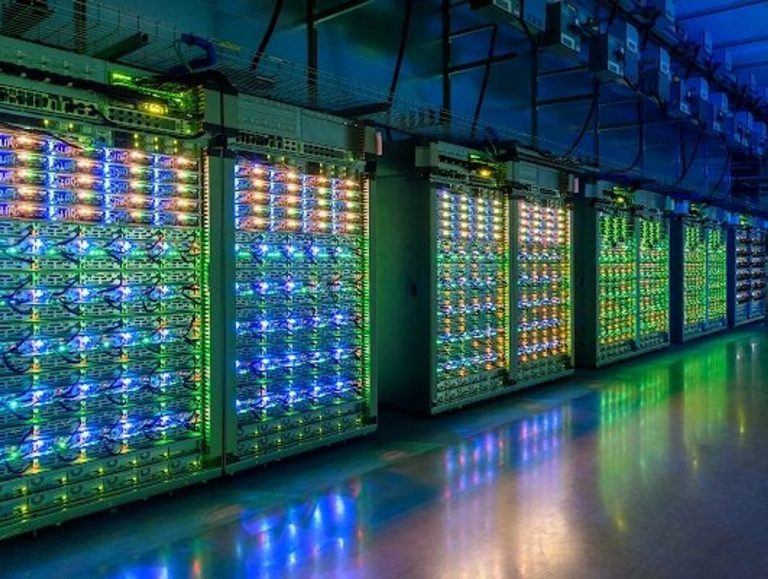
The global race to dominate artificial intelligence infrastructure has reached a significant milestone in India, as Meta has reportedly signed its first Indian AI data center lease agreement with Reliance Industries.
The deal highlights India’s growing importance in the global AI ecosystem and underscores the increasing demand for advanced computing infrastructure capable of supporting next-generation artificial intelligence applications.
Artificial intelligence has rapidly become one of the most transformative technologies of the modern era.
From large language models and recommendation systems to autonomous technologies and business automation tools, AI requires enormous computational resources. These resources are typically housed in specialized data centers equipped with powerful graphics processing units (GPUs), high-speed networking equipment, and massive energy supplies.
Register for the next Tekedia Mini-MBA.
Register for Tekedia AI in Business Masterclass.
Join Tekedia Capital Syndicate and co-invest in great global startups.
As companies compete to develop and deploy increasingly sophisticated AI models, access to reliable data center capacity has become a strategic necessity. Meta, the parent company of Facebook, Instagram, and WhatsApp, has invested heavily in artificial intelligence over the past several years.
The company has introduced advanced AI assistants, recommendation algorithms, and open-source AI models while continuing to expand its computing capabilities worldwide. By leasing AI-focused data center space in India, Meta is positioning itself closer to one of the world’s largest and fastest-growing digital markets.
India represents a particularly attractive destination for AI infrastructure investment. The country boasts a massive population, a rapidly expanding internet user base, and a thriving technology sector. Government initiatives promoting digital transformation and technological innovation have further strengthened India’s appeal as a destination for global technology investments.

As AI adoption accelerates across industries such as healthcare, finance, manufacturing, education, and e-commerce, demand for local computing resources is expected to increase substantially. Reliance Industries, one of India’s largest and most influential corporations, has been aggressively expanding its presence in the digital and technology sectors.
Through its telecommunications subsidiary and digital services ecosystem, the company has already established itself as a major player in India’s technological transformation.
Partnering with a global technology giant like Meta on AI infrastructure aligns with Reliance’s broader ambition to become a central force in the country’s digital economy. The agreement also reflects a broader trend in the technology industry. Major AI companies are increasingly seeking geographic diversification for their infrastructure.
Building and leasing data centers across multiple regions helps reduce latency, improve service reliability, comply with local regulations, and support growing customer demand. For India, attracting such investments strengthens its position as a strategic hub for AI development and cloud computing services.

Large-scale data center projects typically generate employment opportunities, stimulate investment in power and connectivity infrastructure, and encourage the growth of local technology ecosystems. They can also attract additional international investment as other companies seek to establish operations near key digital infrastructure hubs.
The Meta-Reliance agreement signals more than just a commercial transaction. It represents a convergence of global AI ambitions and India’s rising technological influence. As artificial intelligence becomes increasingly central to economic growth and innovation, investments in infrastructure will play a crucial role in determining which regions emerge as leaders in the AI era.
By securing its first AI data center lease in India through Reliance Industries, Meta is making a strategic bet on the country’s future as a major force in the global digital economy.