

Access to digital payments remains a game changer for businesses operating within the informal economy, offering opportunities for growth, transparency, and inclusion.
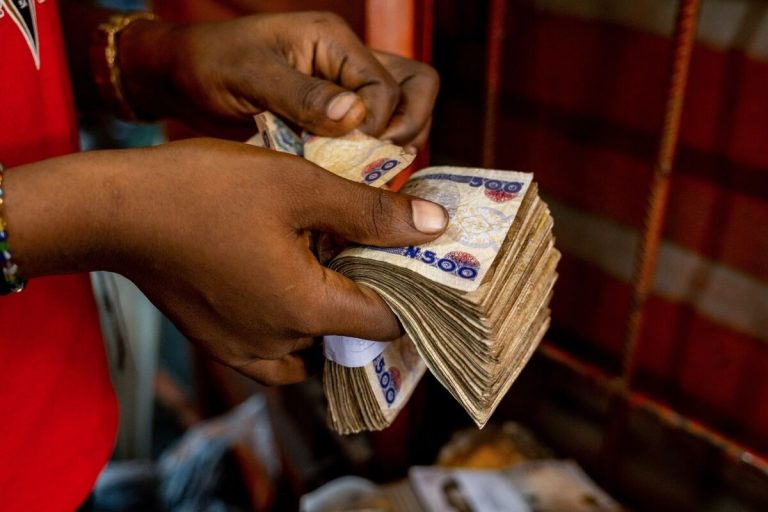
However, despite the rapid expansion of digital financial services across Nigeria, many informal businesses still prefer cash as their primary mode of payment. The idea that “Cash is King” is prevalent in Nigeria’s economic landscape, as currency outside banks was reported to hit N4.6 trillion in March 2025.
A recent Informal Economy Report 2025, powered by Moniepoint, highlights that while mobile money, bank transfers, and POS systems have become more accessible, cash continues to dominate daily transactions among most informal businesses. These businesses still prefer receiving payments through cash from customers.
Register for Tekedia Mini-MBA edition 20 (June 8 – Sept 5, 2026).
Register for Tekedia AI in Business Masterclass.
Join Tekedia Capital Syndicate and co-invest in great global startups.
Register for Tekedia AI Lab.
To many, cash is tangible and immediate. These small business owners feel more secure handling physical money than relying on digital systems they don’t fully understand or trust. Past experiences with failed transfers, network downtimes, or fraud have reinforced this preference for cash.
Also, preference for cash is often driven by low digital literacy. A large portion of informal business owners have limited exposure to digital tools. Without proper training or awareness, using mobile apps, POS systems, or online banking can feel complicated or risky.
The report also noted that while informal businesses continue to accept cash as their primary means of payments, bank transfers was the second most common method, signaling a gradual shift towards digital adoption.

This growing use of bank transfers reflects the increasing penetration of mobile banking and fintech apps that make sending and receiving money faster and more convenient. Interestingly, the preference for bank transfers is more pronounced among semi-formal and urban-based businesses that have access to smartphones, stable internet, and a customer base comfortable with digital payments. In contrast, rural traders and micro-entrepreneurs often struggle with infrastructural and literacy barriers that hinder wider adoption.
The gradual rise of bank transfers among informal businesses suggests that digital payments are gaining trust and acceptance, but to fully replace cash, stakeholders including banks, fintechs, and policymakers need to address the issues of reliability, affordability, and digital education that continue to keep cash king in Nigeria’s informal economy.
Notably, the report further reveals that card transactions are rare. Many business owners attribute this to their inability to afford the tools necessary for card acceptance such as PoS terminals. This, in addition to increased costs in the past year, have made these businesses less capable of receiving digital payments via cards, leading to heavier reliance on transfers.

When it comes to purchasing goods, informal businesses are more likely to payments via transfers particularly when dealing with larger, more formalized suppliers that rely heavily on digital transactions. Transfers are also considered a safer option for larger payments compared to cash.
Despite the advantages that digital payment offers, most informal businesses disclosed that they remain an option. The report reveals that one in four enterprises report digital payments accounting for less than 10% of their total revenue. Only 16% say that digital transactions contribute more than half of their business income.
The future of digital payments in Nigeria’s informal economy looks promising, but concerted efforts are needed to accelerate adoption. Fintech companies are increasingly designing simpler, more intuitive interfaces and localized products that cater to low-literacy users. Also, financial literacy initiatives will be vital in helping small business owners understand the benefits and security of digital payments
Outlook
While cash remains deeply entrenched in Nigeria’s informal economy, the steady rise in the use of bank transfers signals a gradual shift toward a more digital payment culture.
The next few years will likely witness a hybrid ecosystem where cash and digital payments coexist, but the balance will increasingly tilt toward digital as trust, literacy, and access improve.