

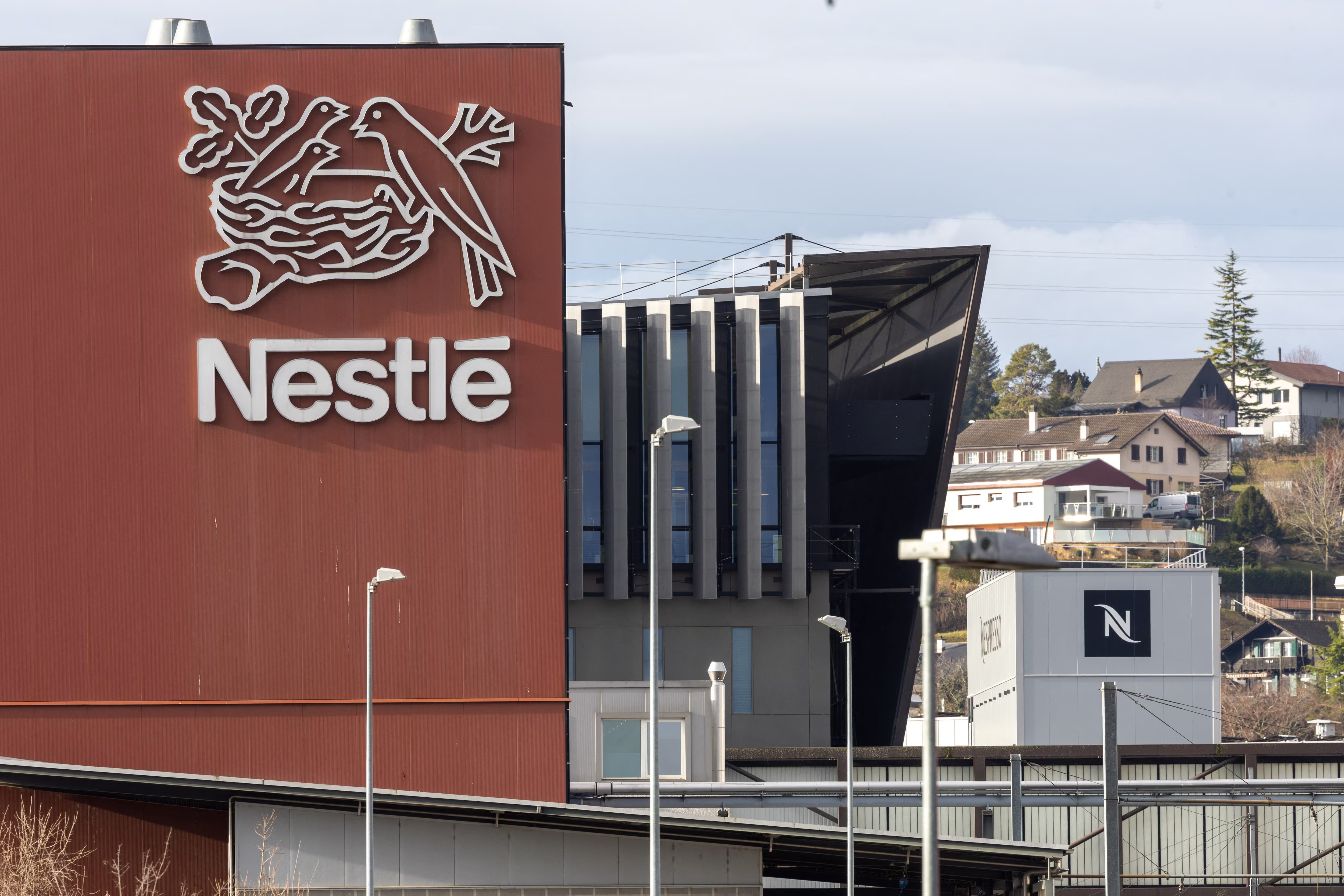
Nestlé is facing mounting pressure from its shareholders after the abrupt departure of a second chief executive in just over a year, with investors calling for Chairman Paul Bulcke to step aside.
The Financial Times reported Saturday that several shareholders expressed frustration over the dismissal of Laurent Freixe, Nestlé’s former chief executive, and the handling of investigations into his conduct. They argue the episode has amplified concerns over corporate governance at the world’s largest packaged food maker and cast doubt on Bulcke’s judgment.
“I don’t think Bulcke will move on before April but he should have left when Mark Schneider was forced out,” Alexandre Stucki, founder of AS Investment Management, which represents Nestlé’s founding family investors, told the newspaper.
Register for Tekedia Mini-MBA edition 20 (June 8 – Sept 5, 2026).
Register for Tekedia AI in Business Masterclass.
Join Tekedia Capital Syndicate and co-invest in great global startups.
Register for Tekedia AI Lab.
The Swiss food giant abruptly dismissed Freixe in early September for failing to disclose a romantic relationship with a subordinate — a violation the company said was a “clear breach” of its code of conduct.
Freixe’s removal followed the sudden departure of his predecessor, Mark Schneider, a year earlier, and came just 2½ months after Bulcke announced plans to step down in 2026. Nestlé stressed to the Financial Times that the two CEO departures were unrelated.
Bulcke, a 70-year-old Belgian and Swiss national, has been with the company since 1979. He led Nestlé as CEO between 2008 and 2016 before becoming chairman in April 2017.

For many investors, patience with Bulcke has worn thin. Shareholders argue that repeated leadership upheaval points to deeper structural governance problems that go beyond individual cases of misconduct.
Support for Bulcke had already been slipping. In April, he was re-elected with 84.8% of shareholder votes, a sharp drop from the nearly 96% approval he received when he first took the chairmanship in 2017.
Doubts have also lingered over Nestlé’s ability to recover post-pandemic. In 2023, sales volumes flagged even as the company hiked prices to offset rising raw material costs, raising questions about consumer demand resilience in its core markets.

The unrest at Nestlé mirrors challenges faced by other consumer goods giants, where governance lapses and abrupt executive exits rattled investor confidence. Unilever, for instance, faced shareholder discontent in 2022 over strategy missteps tied to its failed bid for GSK’s consumer health unit. Danone also saw its CEO ousted in 2021 under pressure from investors frustrated with weak returns.
In Nestlé’s case, two successive CEO exits in such quick succession, compounded by governance questions around oversight and accountability, risk undermining long-term strategic clarity. For a company managing a global footprint of brands spanning Nescafé to KitKat, consistency in leadership is often viewed as critical for navigating inflationary pressures, shifting consumer demand, and competition from agile newcomers in health-focused food sectors.
Nestlé’s boardroom challenges place Bulcke under growing scrutiny ahead of his planned departure. If investor agitation intensifies, pressure could build for an earlier leadership transition to restore stability.
At stake is not only governance credibility but also Nestlé’s ability to reorient itself after a turbulent two years of rising costs, weaker sales, and questions about whether the group can reinvent its growth model in the face of changing consumer habits.
Two abrupt CEO exits in a short span have elevated governance from a boardroom risk to a near-term strategic one. Nestlé’s global scale and portfolio give it resilience, but analysts believe restoring investor confidence will require visible changes: tighter ethics enforcement, a clear succession plan, and a persuasive path back to volume growth. Without those moves, the company risks a drawn-out period of shareholder activism and operational distraction that would make executing long-term strategy far harder.