

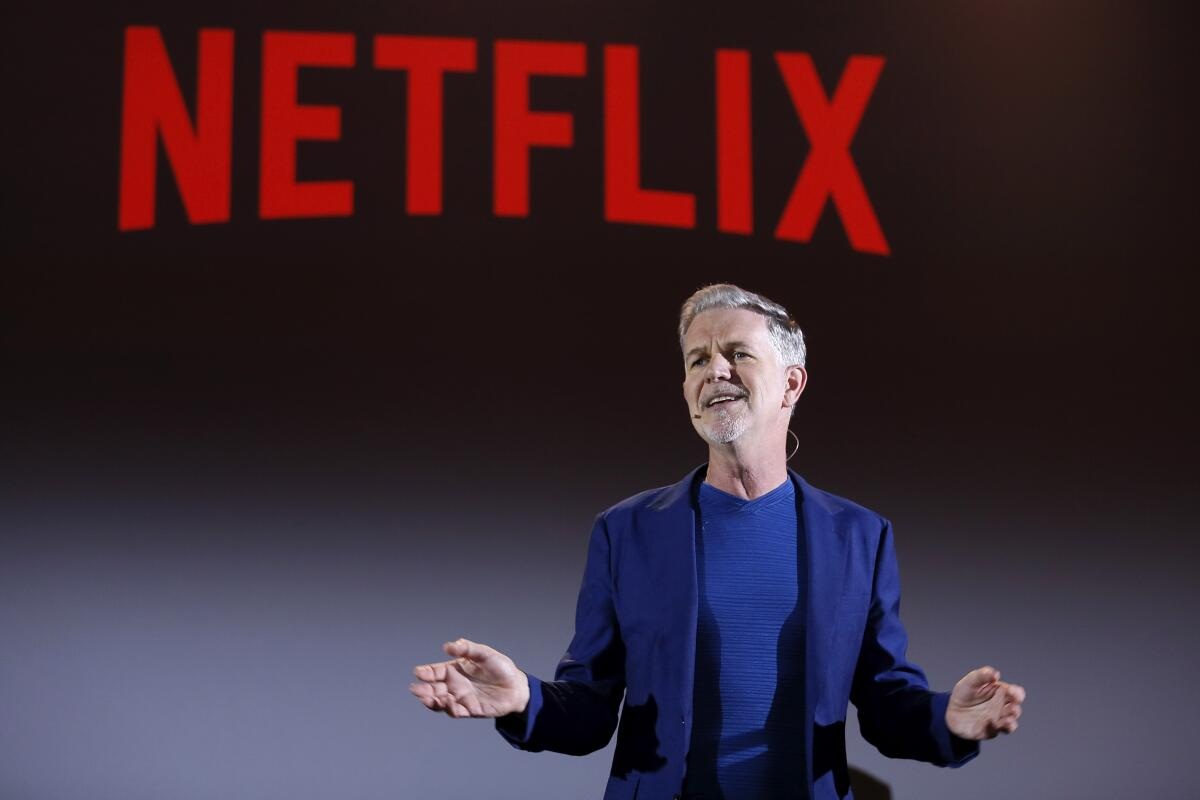
Netflix (NFLX) shares fell sharply in after-hours trading on April 16, 2026, dropping around 8-10%; trading near $98 or lower from a regular-session close around $107.79 despite the company beating Wall Street expectations for its Q1 2026 earnings and revenue.
Key Q1 2026 Results
Revenue stood at $12.25 billion, up 16% year-over-year and above consensus estimates of roughly $12.18–12.19 billion. EPS (diluted) is around $1.23, significantly beating expectations of about $0.76–0.79, nearly double the year-ago figure. The strong bottom-line result was boosted by a one-time $2.8 billion termination fee related to the failed Warner Bros.
Register for the next Tekedia Mini-MBA.
Register for Tekedia AI in Business Masterclass.
Join Tekedia Capital Syndicate and co-invest in great global startups.
Discovery acquisition attempt, which inflated net income to around $5.28 billion. Underlying operating performance was solid but less explosive without that item, with growth driven by subscriber gains especially in Japan, aided by events like the World Baseball Classic higher subscription pricing, and rising advertising revenue.
Netflix ended 2025 with over 325 million global paid subscribers but no longer reports quarterly subscriber totals. Investors focused on forward-looking signals rather than the strong Q1 print: Q2 2026 Guidance was viewed as soft: Revenue projected at $12.57 billion (below analyst consensus of ~$12.64 billion) and EPS at $0.78 vs. ~$0.84 expected. This suggested a potential slowdown in growth momentum.
Full-year 2026 outlook was largely reiterated; revenue growth in the 12-14% range, operating margin ~31.5%, without a more bullish reset after the Warner deal fell through. Co-founder Reed Hastings plans to step down from the board in June, adding a layer of uncertainty for some investors.
In short, this was a classic sell the news reaction where a solid quarter; aided by a non-recurring boost was overshadowed by conservative guidance and the lack of positive surprises on future growth or advertising traction. Netflix shares had risen about 15% year-to-date heading into the report.

The stock’s move aligns with how markets often prioritize outlook over current results, especially for high-valuation growth names like Netflix. The company continues to emphasize advertising-tier expansion aiming to roughly double ad revenue to $3 billion in 2026, live events, gaming, and regional content investments while maintaining disciplined content spending.
After-hours moves can be volatile and often moderate by the next trading session as more investors digest the details. We expect Q2 to have the highest year-over-year content amortization growth rate in 2026, before decelerating to mid-to-high single digit growth in the second half of the year. As a result, we forecast Q2 operating margin of 32.6% compared with 34.1% in the year ago quarter. We expect year-over-year operating margin growth in Q3 and Q4 in order to deliver our 2026 margin target.
Ads remain on track to reach $3B in 2026, up 2x year-over-year. Full-year guidance is the company’s actual internal forecast and strives for accuracy not conservatism. The $12.57 billion Q2 figure implies sequential growth of ~2.7% from Q1’s actual $12.25 billion. This is a deliberate step-down in YoY growth from Q1’s 16.2% to 13.5% that aligns precisely with the reaffirmed full-year 12–14% trajectory. Drivers remain the usual mix: healthy paid membership growth, recent pricing actions and continued ad-tier expansion.

No acceleration was signaled despite Q1’s subscription revenue upside and strong engagement metrics. The number came in $70–$100 million below most analyst models ($12.64 billion), which was the first reason for the negative market reaction.2. Margins & EPS: The real miss — driven by deliberate content timing, not weakness. Q2 operating margin of 32.6% is down 1.5 percentage points YoY (vs. 34.1% in Q2 2025).
This is not a surprise to management — it is the explicit result of front-loaded content amortization. The letter flags Q2 as the peak YoY amortization growth period for the entire year. This directly flows through to the $0.78 EPS guide, which missed consensus estimates of ~$0.84 by roughly 7%. The EPS figure is GAAP.
Management explicitly expects margin expansion to resume in Q3 and Q4, allowing them to hit the full-year 31.5% target (still +200 bps YoY expansion). Content amortization growth is projected to slow to mid-to-high single digits in H2, creating operating leverage. Netflix did not raise or lower the January outlook despite: A strong Q1 beat on revenue and operating income (excluding the one-time termination fee).
Recent U.S. price increases flowing through.
Ads tracking exactly to plan. This steady-as-she-goes message disappointed investors who had hoped for an upward revision now that the Warner Bros. deal is off the table. Revenue growth will be relatively even, but profitability will be back-half weighted. Expect stronger YoY margin gains in Q3/Q4.
The Q2 guidance is conservative but consistent with the plan Netflix laid out in January. The revenue step-down and margin pressure are intentional, not a sign of slowing demand. However, in a high-valuation growth stock, any whiff of no upside to full-year numbers triggers a sell-the-news reaction — especially when combined with Reed Hastings’ planned board departure.
The stock’s after-hours drop reflected this classic dynamic: markets rewarded the Q1 beat less than they punished the lack of positive surprise in the outlook. Longer-term, the reaffirmed 12–14% growth + 200 bps margin expansion + $3 billion ad revenue target still point to a durable, high-quality compounder — just one that is growing at a more measured but very profitable pace.