

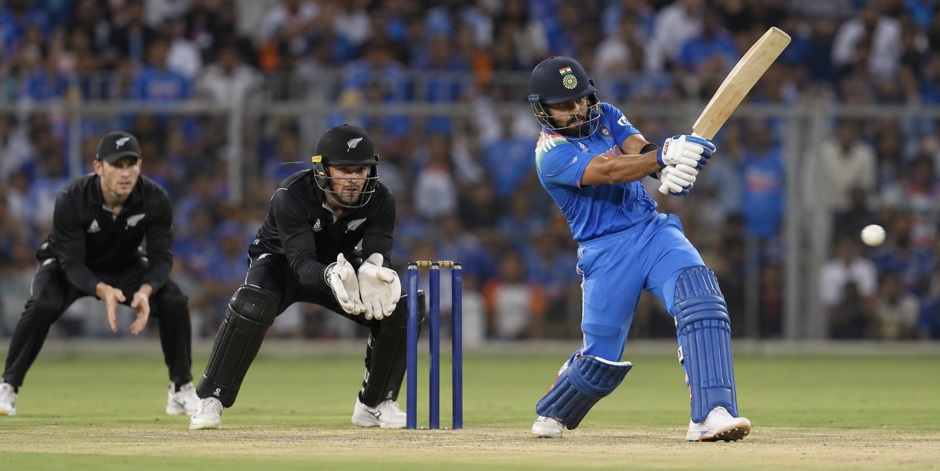
New Zealand has named separate squads for the first three and final two matches of its five-game ODI series against India, beginning November 4. Announced on October 10, the decision gives several Test players extra preparation time while opening places for Finn Allen, Lockie Ferguson and Tim Seifert. Mitchell Santner will captain both groups, but only six players feature in every squad.
India will face a revised batting order and pace attack halfway through the series. A live cricket score will show runs, wickets and overs during each match, while pre-match betting prices must account for the personnel available on that particular date. New Zealand is preparing two different combinations for the same opponent.
Nine days to prepare for red-ball cricket
The third ODI takes place in Hamilton on November 10, and the first Test begins in Wellington on November 19. Players selected for the longer format will leave the one-day group after Hamilton rather than remain through the last two fixtures. That creates a nine-day window to adjust to red-ball preparation before the Basin Reserve Test.
Head coach Rob Walter has linked the decision to World Test Championship points as well as preparation for the 2027 ODI World Cup. Seven players will join the ODI squad for its final two matches, giving the selectors another opportunity to judge combinations against India. The plan prioritises both formats rather than treating the five one-day games as an isolated assignment.
The ODI schedule is compact:
- November 4: Auckland, Eden Park.
- November 7: Wellington.
- November 10: Hamilton.
- November 13: Mount Maunganui.
- November 15: Mount Maunganui.
The two Tests follow in Wellington and Christchurch, with the second starting November 27. India and New Zealand will first contest five T20 internationals from October 22 to November 1. New Zealand will play twelve internationals across six weeks, leaving little recovery time between the last ODI and the opening Test.
Six players remain throughout the series
Santner, Michael Bracewell, Mark Chapman, Jacob Duffy, Blair Tickner and Will Young appear in both selections. The first group contains 14 players; the second has 13. Eight names depart after the third ODI, while seven join for the closing fixtures.
| Selection detail | ODIs 1–3 | ODIs 4–5 |
| Captain | Mitchell Santner | Mitchell Santner |
| Wicketkeeper | Tom Latham | Mitch Hay, Tim Seifert |
| Batting options | Conway, Ravindra, Daryl Mitchell | Allen, Nick Kelly |
| Pace options | Henry, Jamieson, Nathan Smith | Ferguson, Fisher, Clarke |
| Squad size | 14 | 13 |
The reshuffle changes both the wicketkeeper and much of the pace attack. Devon Conway, Matt Henry, Kyle Jamieson, Glenn Phillips, Daryl Mitchell and Rachin Ravindra are among those named only for the opening three games. Seifert and Hay provide two wicketkeeping choices for the closing matches. The six retained players will need to maintain a consistent approach around a different group of teammates. Santner faces a challenge in managing those combinations while trying to secure the series result.
Three familiar faces return at the finish
Allen and Ferguson have not played an ODI since the 2023 World Cup. Ferguson’s most recent appearance in the format was the semi-final against India in Mumbai. Seifert last played a one-day international against Pakistan in 2025, 18 months before this series.
Allen brings aggressive strokeplay, Seifert offers wicketkeeping cover and Ferguson adds pace. Their arrival could shift pre-match odds for New Zealand’s run totals and leading wicket-taker markets in the final two ODIs. Walter views those games as an opportunity to assess all three before the World Cup.
Ravindra’s return happens earlier. The all-rounder is included for the first three matches after a shoulder injury ruled him out of the preceding T20 series. His availability strengthens the opening squad, although he is not scheduled to play the final two ODIs.
A changed attack can change the contest
Henry and Jamieson provide experience in the initial matches, with Ferguson joining the later group. Duffy and Tickner offer continuity across both sets of selections. India will therefore face different pace combinations as the series progresses, even if pitch conditions remain similar.
The altered bowling attack also affects expectations for run totals. A red card can move the odds in live football betting without changing the score; a cricket wicket can do likewise, depending on the batters still to come. The required run rate and overs remaining add further dimensions to an ODI chase.
January’s result gives the series added weight
New Zealand won its ODI series in India 2–1 in January, the country’s first bilateral ODI series victory there. The upcoming home contest provides a chance to build on that result while testing a much larger pool of players. Injured bowlers Zak Foulkes, Will O’Rourke and Ben Sears were unavailable for selection, leaving further questions about the attack beyond November.
Walter will stay with the ODI side for the final games while other staff begin Test preparations. Jacob Oram and Luke Ronchi will oversee Test preparations alongside batting coach BJ Watling. The series will also show how Allen, Ferguson and Seifert fit into New Zealand’s 50-over plans before the World Cup, while the Test-bound players prepare for Wellington.