

As Nigeria prepares for the 2027 general elections, the growing use of artificial intelligence (AI) is introducing a new dimension to an already complicated electoral environment. From synthetic images and manipulated videos to AI-generated political narratives, the technology is changing how information is produced, distributed and interpreted. Yet the challenge may extend beyond the circulation of fabricated content to the ability of citizens to distinguish credible evidence from increasingly sophisticated digital manipulation.
This was among the concerns raised by stakeholders at the AI and Election Summit held in Abuja on 2 and 3 November 2026. Our analysis of their statements reveals a broad recognition that protecting electoral integrity will require more than identifying misleading content. Institutional preparedness, public education, platform accountability and responsible regulation emerged as interconnected priorities.
One particularly concerning dimension of the discussion was the potential for AI-generated content to undermine electoral credibility. Stakeholders raised concerns about the vulnerability of Nigerians to AI-generated political misinformation and disinformation, while also questioning the preparedness of electoral institutions to respond to emerging threats.
Register for the next Tekedia Mini-MBA.
Register for Tekedia AI in Business Masterclass.
Join Tekedia Capital Syndicate and co-invest in great global startups.
The problem, however, is not limited to fabricated information. Foreign actors and other interested parties could exploit the growing uncertainty surrounding synthetic content by presenting genuine evidence as AI-generated. Such a development could weaken public confidence in authentic information, making it increasingly difficult for citizens to establish what actually happened during an election.
This presents a difficult challenge for electoral authorities. While the ability to identify and respond to manipulated content is important, institutions must also ensure that legitimate evidence is not dismissed simply because its authenticity is contested.
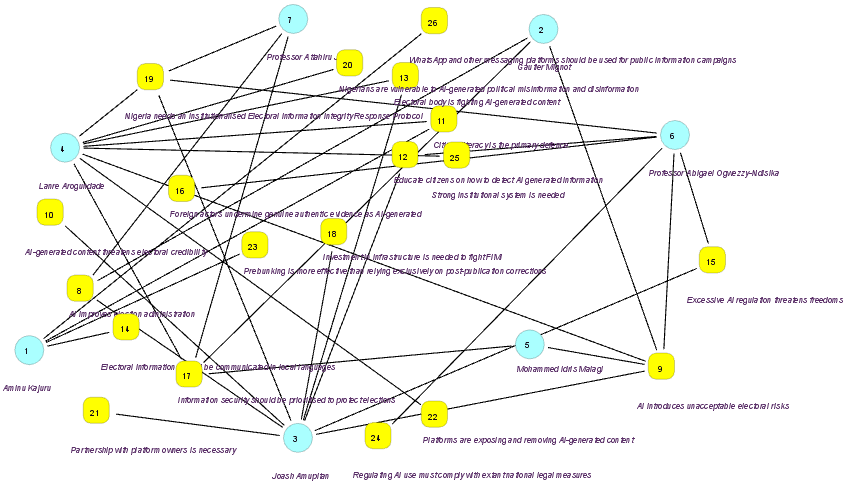
Professor Joash Amupitan’s contributions to the summit’s discourse were connected to several questions surrounding electoral information security, institutional preparedness and the responsibilities of technology platforms. Similarly, Dr Lanre Arogundade’s positions reflected concerns about the integrity of electoral information and the institutional responses required to address emerging threats.

Among the proposals emerging from the summit was the need for an institutionalised Electoral Information Integrity Response Protocol. Such a framework would provide mechanisms for identifying, verifying, reporting and responding to information threats before they undermine public confidence in electoral processes.
Stakeholders also emphasised the importance of investing in infrastructure and strengthening information security. The argument is that institutions cannot effectively respond to increasingly sophisticated information threats without the technical resources, expertise and coordination required to detect and manage them.
However, the responsibility should not rest exclusively with electoral authorities. Professor Abigael Ogwezzy-Ndisika’s contributions brought institutional and governance considerations into the discussion, including the implications of AI regulation for democratic freedoms. The concern is particularly relevant as governments consider stronger regulatory interventions to address misinformation and other forms of digital manipulation.

Regulation may be necessary, but excessive restrictions could create another set of problems. Measures introduced in the name of electoral security must not become instruments for limiting legitimate political expression, suppressing dissent or compromising citizens’ privacy.
The challenge, therefore, is to develop regulatory approaches that protect electoral processes while respecting existing legal frameworks and democratic rights.
Digital platforms also occupy an important position in this debate. Stakeholders recognised the need for stronger partnerships with platform owners, particularly in addressing the circulation of AI-generated content and supporting public information campaigns.
Mohammed Idris Malagi’s contributions were associated with discussions about AI-related electoral risks and the role of platforms in responding to emerging information challenges. The wider discussion suggests that technology companies must become more active partners in protecting electoral information integrity.
Their responsibilities should extend beyond removing harmful content. Platforms can support public education, facilitate access to verified information and strengthen collaboration with electoral institutions and civil society organisations.
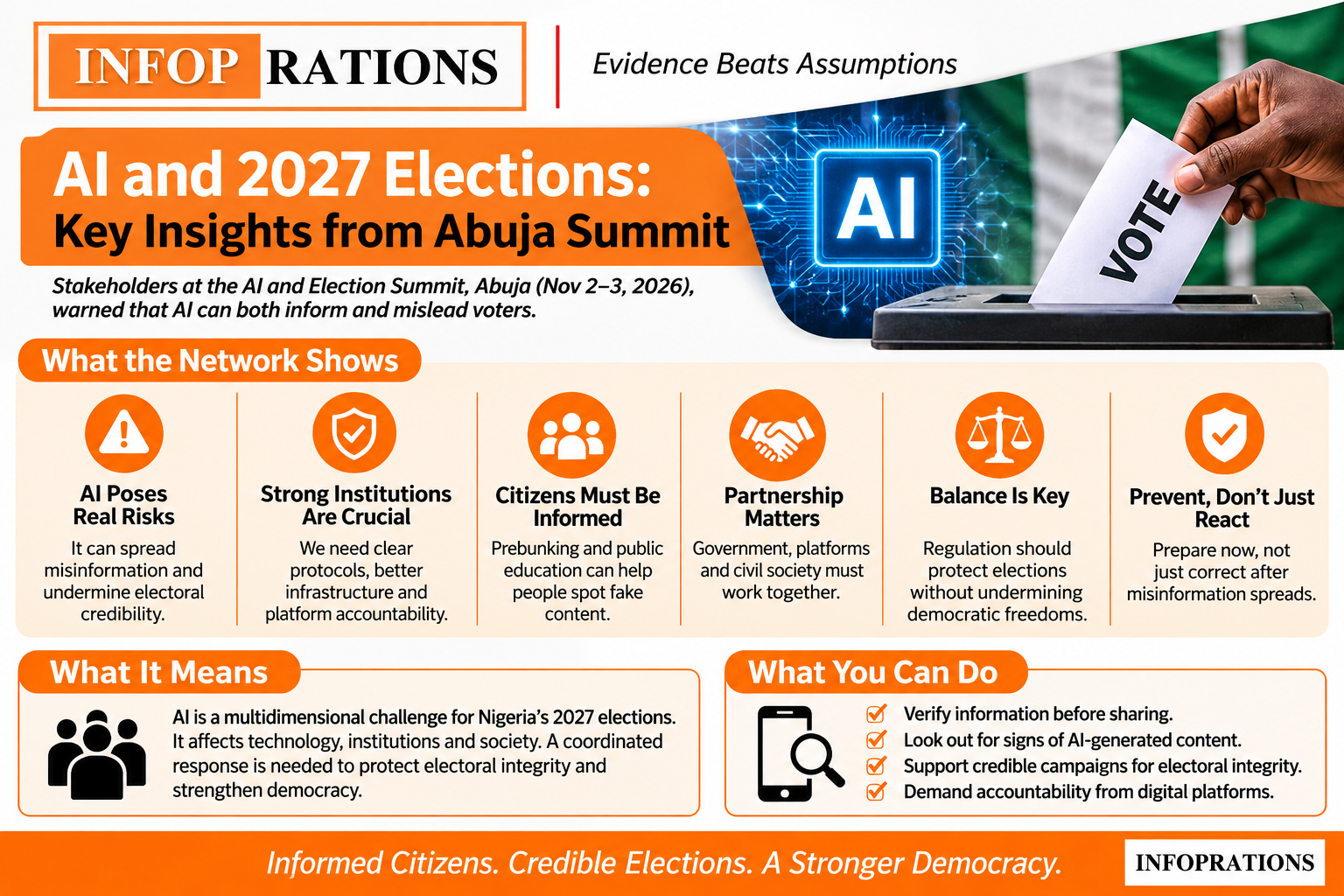
The summit also highlighted the importance of preparing citizens to recognise manipulated information. Stakeholders advocated educating Nigerians on how to detect AI-generated content, while identifying WhatsApp and other messaging platforms as useful channels for public information campaigns.
This is significant because electoral misinformation does not circulate exclusively through publicly accessible social media accounts. Private messaging networks can also become important channels through which political narratives, manipulated images and unverified claims reach voters.
Prebunking, rather than relying exclusively on corrections after misleading information has circulated, was another position reflected in the discussions. The approach involves preparing citizens to recognise manipulation before encountering it. Such interventions could strengthen public resilience, particularly during periods of heightened political activity.
For Nigeria, the implications extend beyond the immediate technical challenges associated with artificial intelligence. The credibility of the 2027 elections will depend partly on whether citizens can access reliable information, whether institutions can respond effectively to emerging threats and whether technology platforms accept their responsibilities within the electoral information environment.
The Abuja summit has brought these interconnected responsibilities into sharper focus. Its discussions suggest that AI should neither be treated exclusively as a technological threat nor approached through regulation alone. The more difficult task is building an electoral information environment in which institutions are prepared, platforms are accountable, citizens are informed and democratic freedoms remain protected.
With the 2027 elections approaching, the opportunity to prepare cannot be postponed until manipulated content begins to circulate at scale. Nigeria’s response must begin before the election campaign reaches its most intense phase. After all, protecting an election is not simply about safeguarding the ballot. It is also about protecting the information through which citizens understand their choices and make democratic decisions.