

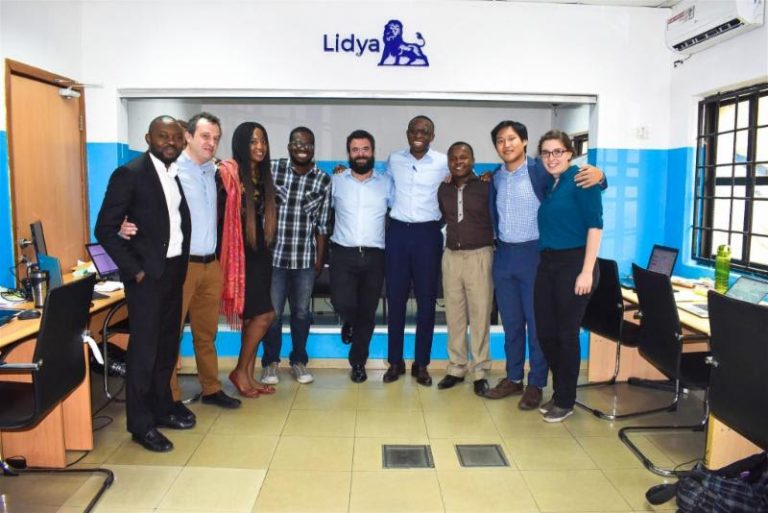
Lidya, a Nigerian digital lending platform that empowered small and medium-sized enterprises (SMEs), has officially shut down operations due to severe financial distress.
In an email sent to customers, the company explained that despite efforts to restructure and sustain its business, it could no longer continue operations.
“Despite best efforts to restructure and sustain operations, the Company has encountered severe financial distress and is no longer able to continue in business. As a result, the Company has ceased all operations,” the email read.
Register for Tekedia Mini-MBA edition 20 (June 8 – Sept 5, 2026).
Register for Tekedia AI in Business Masterclass.
Join Tekedia Capital Syndicate and co-invest in great global startups.
Register for Tekedia AI Lab.
A follow-up statement in the same message added, “Due to the Company’s financial status, it is unable to process funds or settle claims at this time.”
The announcement confirmed what many customers had feared for months. Long before Lidya’s shutdown email arrived, users across Nigeria had been struggling to access their funds. Reports of financial troubles began surfacing as early as June 2025. Customers described a series of frustrating experiences, which included failed withdrawals despite confirmation messages, visible but inaccessible wallet balances, and support tickets that were ignored or automatically closed.
In some cases, the Lidya app displayed “technical maintenance” notices for weeks without resolution. What began as minor complaints on social media has eventually escalated into a full-blown crisis, following the company’s recent shutdown.

Founded in 2016 by former Jumia executives Tunde Kehinde and Ercin Eksin, Lidya emerged with a powerful mission to provide fast, data-driven loans to small businesses often overlooked by traditional banks.
Using artificial intelligence and alternative data sources such as bank statements, mobile money transactions, and even social media activity, Lidya approved loans in under 24 hours. Its model quickly gained traction.
By 2018, the company had disbursed over 50,000 loans in Nigeria and secured $6.9 million in Series A funding led by Omidyar Network and Alitheia Capital. The platform was hailed as a catalyst for SME growth in Africa, targeting a massive market where small businesses contributed half of GDP but accessed less than 5% of bank credit.

Then came the global leap. In 2019, Lidya stunned many Africa-focused investors by launching operations in Warsaw, Poland. The move aimed to test the scalability of its lending model, hedge against naira volatility, and appeal to European investors with a dual-market narrative.
Partnering with BNP Paribas Poland, the company built a localized lending platform and began targeting Polish SMEs facing similar credit challenges. Initially, the expansion appeared promising. By 2020, Lidya had raised $8.5 million from global investors including Accion Venture Lab and Bamboo Capital. Headlines celebrated it as “the first African fintech to successfully expand into Europe.”
But the success was short-lived. Cultural and regulatory differences, limited alternative data, and slow adoption among Polish SMEs hindered growth. The European venture soon became a financial drain rather than a profit driver. Lidya was reportedly burning around $1 million per month across its Nigerian and European operations, with neither achieving profitability.
By early 2025, financial pressure forced Lidya to halt lending operations in both markets. The company quietly shut down its Polish arm and stopped issuing new loans in Nigeria.
In a last-ditch effort to survive, Lidya launched Lidya Collect, a business-to-business (B2B) debt recovery platform designed to monetize its existing loan book and pivot to SaaS. Unfortunately, the pivot came too late. Users began reporting frozen wallets and failed withdrawals as early as June 2025. Customer support went dark, and the app was ghosted.
The shutdown marks the end of a nine-year journey that began with bold ambition. Lidya had once envisioned becoming the “Goldman Sachs of Africa,” expanding across two continents before collapsing.