

Nigeria’s non-oil private sector showed signs of strengthening in July 2025, as employment growth surged to its highest level in nearly two years.
The headline Stanbic IBTC Bank Purchasing Managers’ Index (PMI), compiled by S&P Global, climbed to 54.0 from 51.6 in June—its best reading in three months and the eighth consecutive month of improvement.
The latest PMI data reveals a broader recovery in business conditions, as firms recorded significant increases in new orders and output, prompting them to boost capacity through hiring. The report marks July as the strongest month for both output and new business since April 2025, with companies citing stronger customer demand and the successful launch of new products.
Register for Tekedia Mini-MBA edition 20 (June 8 – Sept 5, 2026).
Register for Tekedia AI in Business Masterclass.
Join Tekedia Capital Syndicate and co-invest in great global startups.
Register for Tekedia AI Lab.
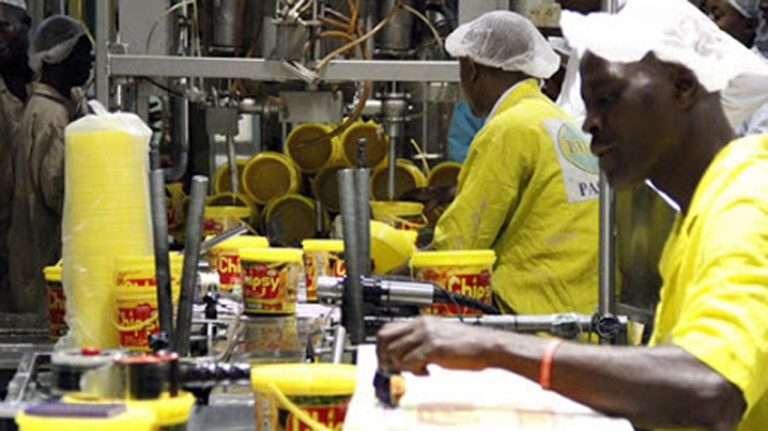
“Rising new orders and efforts to speed up the completion of projects encouraged firms to take on extra staff at the fastest pace since October 2023,” the report said. It added that the added workforce helped stabilize backlogs after three straight months of accumulation.
The PMI serves as a barometer for private-sector health, with readings above 50.0 indicating growth. July’s 54.0 score places the economy firmly in expansion territory, underscoring a positive trajectory as the third quarter begins.
Wages Up Amid Transport Pressures, But Input Cost Inflation Softens
Staff cost inflation, however, picked up, hitting a five-month high as businesses responded to growing transport expenses borne by employees. Firms raised wages to cushion the impact, even as broader inflationary pressures showed signs of easing.

Purchase cost inflation slowed for the third consecutive month, with July recording the weakest pace of increase since April 2020. This easing—despite currency depreciation and raw material cost challenges—gave businesses more room to increase their purchasing activity and accumulate inventories.
The report noted a significant improvement in supplier performance, with shorter delivery times contributing to the stock buildup and helping firms respond more nimbly to rising demand.
Discounting Strategies Temper Output Prices
Output price inflation, meanwhile, slowed for the third straight month, reaching its lowest since May 2023. This moderation was attributed to firms passing on the benefit of lower purchase prices to customers through discounts—a strategic move to gain market share in a competitive environment.

Despite the positive trends in employment and output, business confidence dipped slightly in July after nearing a three-year high in June. The pullback reflects cautious optimism among firms, with concerns about macroeconomic conditions—particularly exchange rate instability and persistent cost pressures—still influencing outlook.
However, the report noted that many firms remain hopeful, expecting continued output growth over the next 12 months.
“Companies remained optimistic that output will rise over the coming year, but sentiment eased from the near three-year high posted in June. Those firms that predicted an increase in output linked this to plans to raise capital for business expansions and advertising,” it said.
Broad-Based Growth Across Key Metrics
The PMI’s five core components—output, new orders, employment, stock of purchases, and suppliers’ delivery times—all showed improvement in July, pointing to growing momentum in Nigeria’s non-oil economy.
The data, gathered between July 10 and 29, captures an evolving private sector that is gradually adapting to a challenging environment through strategic hiring, inventory buildup, and more targeted pricing. With easing input costs providing some relief, firms appear better positioned to meet demand without as much financial strain.
July’s report offers a snapshot of cautious recovery—one that remains vulnerable to macroeconomic instability, but which is increasingly finding its footing through expansion and operational resilience.