

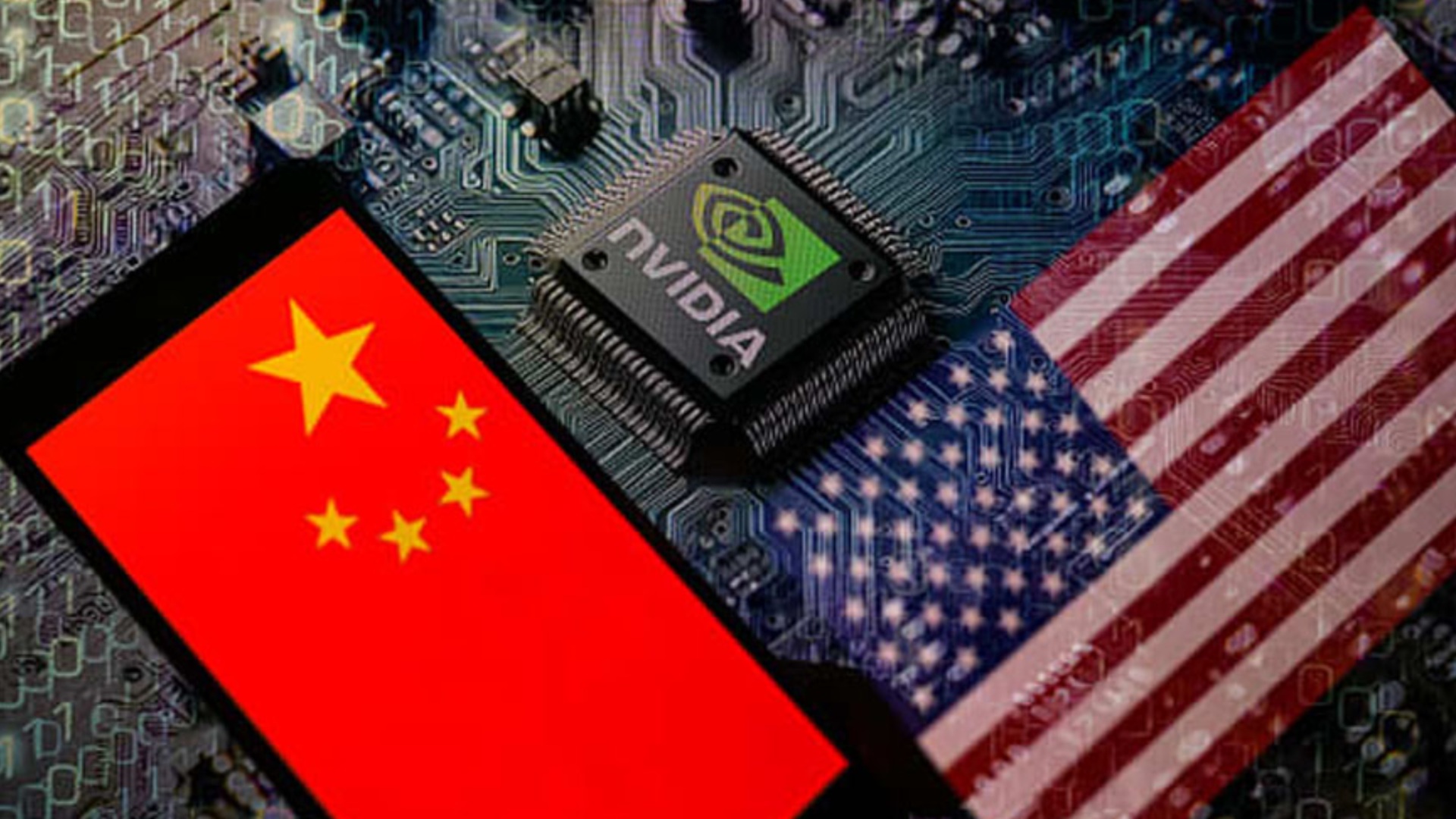
Nvidia on Wednesday released new performance data showing that its newest artificial intelligence server can accelerate the deployment of emerging AI models—including two of China’s most widely used mixture-of-experts systems—by as much as ten times.
The announcement marks another attempt by the company to defend its central role in an industry that is quickly moving from model training to mass-scale usage, an area where Nvidia faces a tougher competitive field.
The company’s findings land at a pivotal moment. For years, Nvidia reigned over the training phase of AI development, supplying hardware that powered nearly every major breakthrough across U.S., European, and Chinese labs. But as AI companies now shift their emphasis to serving models to millions of users, the dynamics have changed. The serving layer is far more cost-sensitive, and rivals such as AMD and Cerebras are positioning themselves aggressively with hardware designed to undercut Nvidia’s dominance.
Register for Tekedia Mini-MBA edition 20 (June 8 – Sept 5, 2026).
Register for Tekedia AI in Business Masterclass.
Join Tekedia Capital Syndicate and co-invest in great global startups.
Register for Tekedia AI Lab.
Nvidia’s latest data centers on mixture-of-experts models, an approach that assigns different segments of a prompt to specialized “experts” within the system. The architecture surged into prominence earlier this year after China’s DeepSeek released an open-source model that stunned global researchers with strong performance, modest training demands, and heavy use of Nvidia hardware. DeepSeek’s ability to push its model to the top of global benchmarks without the massive compute spending seen at U.S. labs reshaped conversations about efficiency.
Since then, the mixture-of-experts race has widened. OpenAI integrated the technique into its newer ChatGPT systems. France’s Mistral adopted it in its own high-performance open-source releases. China’s Moonshot AI—one of the country’s fastest-rising AI firms—entered the field in July with its Kimi K2 Thinking model, which quickly climbed global rankings and drew attention for its ability to scale with lower costs.
Nvidia’s goal is to show that even if mixture-of-experts models reduce the need for training runs, its hardware remains essential once the models go into daily use. On Wednesday, the company said its latest AI server, which combines seventy-two of its top chips into a single system connected by high-speed links, improved the inference performance of Moonshot’s Kimi K2 Thinking model by ten times compared with the previous generation of Nvidia servers. The company has seen similar gains on DeepSeek’s models.

Nvidia attributes the leap to two advantages: the ability to cluster a large number of high-end chips into a single machine, and the ultra-fast interconnects that tie them together. These internal networking features remain areas where the company leads its rivals, especially in systems built for inference at scale.
The shift from training to real-world usage has sharpened interest in these performance claims. Serving models to millions of daily users requires hardware that can guarantee low latency, high throughput, and consistent uptime. It also demands energy efficiency, because power costs rise exponentially as usage expands. Nvidia is wagering that its server architecture will help AI companies meet those challenges without needing to redesign or retrain models for alternative hardware.
Meanwhile, AMD is preparing its own competing server built around clusters of its newest AI chips. The company has said its system will debut next year, and analysts expect AMD to push hard on price competitiveness and interoperability with existing enterprise infrastructure. Cerebras is also expanding its footprint with wafer-scale chips that pitch themselves as simpler alternatives for developers managing large workloads.

The broader question borders on how Nvidia will maintain momentum in a market that is no longer defined solely by training. DeepSeek’s rise underscored how quickly the competitive map can change, and China’s AI ecosystem continues to produce open-source models that spread globally within days of release. At the same time, U.S. and European labs are building mixture-of-experts systems that are far cheaper to scale than older transformer-based models.