

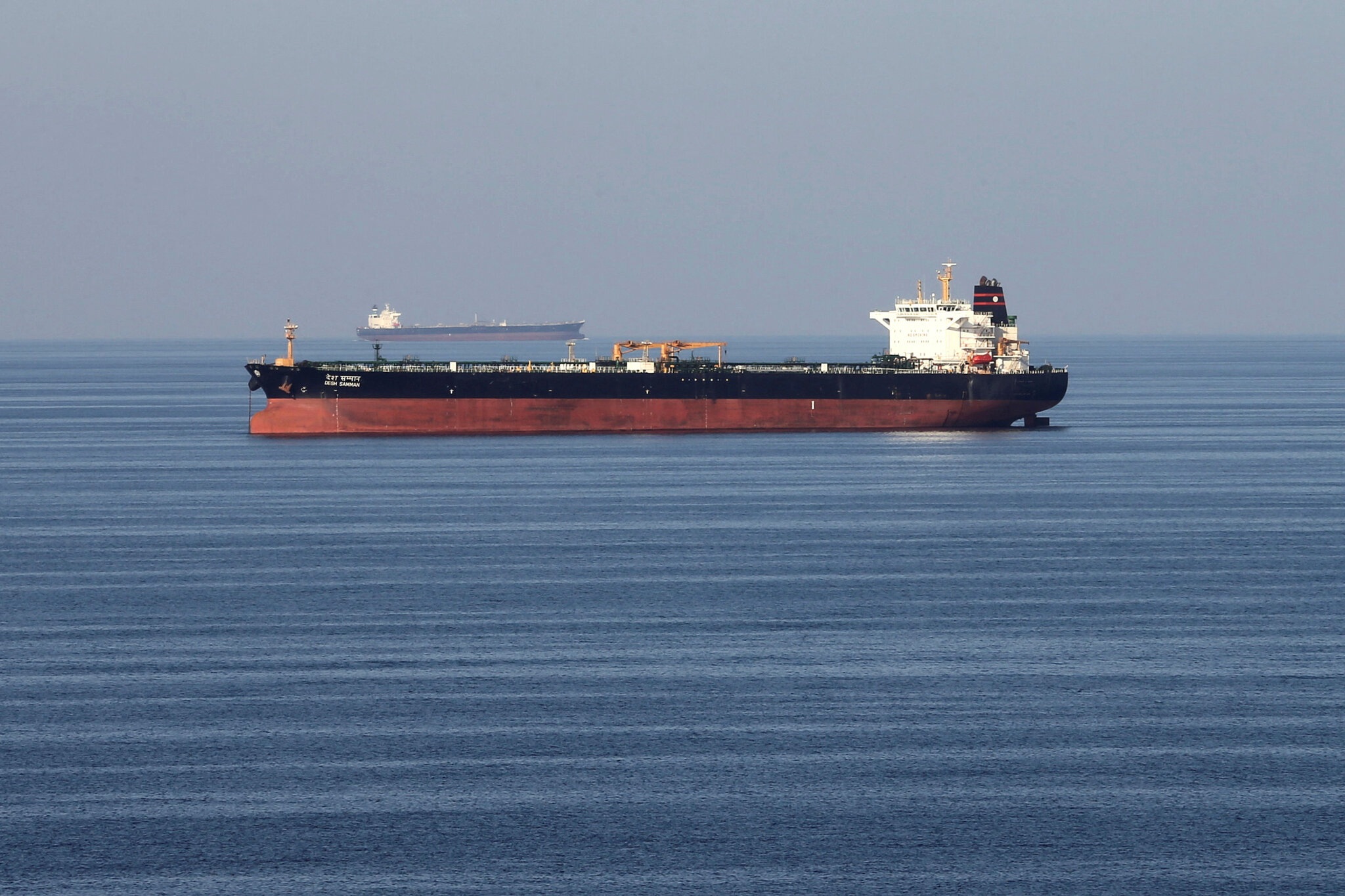
Oil prices have eased as commercial shipping activity through the Strait of Hormuz begins to recover, signaling a potential reduction in immediate fears of a major disruption to global energy supplies.
The development comes after a period of heightened tensions in the Middle East that raised concerns about the safety of one of the world’s most important maritime chokepoints. As tankers cautiously return to the route, markets are reassessing the likelihood of a prolonged supply shock, leading to a pullback in crude oil prices.
The Strait of Hormuz is a narrow waterway connecting the Persian Gulf to the Gulf of Oman and the Arabian Sea.
Despite its relatively small size, it serves as a critical artery for global energy trade. Roughly one-fifth of the world’s oil supply passes through the strait, making any threat to its operation a significant concern for governments, businesses, and investors worldwide.
Register for the next Tekedia Mini-MBA.
Register for Tekedia AI in Business Masterclass.
Join Tekedia Capital Syndicate and co-invest in great global startups.
When tensions rise in the region, energy markets often react swiftly, pricing in the risk of potential supply interruptions. In recent weeks, geopolitical uncertainty surrounding the Middle East had fueled a sharp rise in oil prices.
Traders feared that military confrontations or attacks on shipping vessels could disrupt tanker traffic and limit the flow of crude exports from major producers such as Saudi Arabia, Iraq, Kuwait, and the United Arab Emirates.
Insurance costs for shipping companies increased, and some vessel operators delayed voyages while assessing security risks. However, fresh data indicating that tankers are gradually resuming their journeys through the strait has helped calm market nerves.

Shipping companies appear to be regaining confidence as security conditions stabilize and international naval forces continue to monitor the region. The return of commercial traffic suggests that, for now, the worst-case scenario of a large-scale supply blockade may be avoided.
Oil futures have slipped from recent highs. Investors who previously bet on a sustained supply shock are unwinding some of their positions, leading to downward pressure on prices. The decline reflects a shift in market sentiment from panic-driven buying toward a more balanced assessment of risks.
While geopolitical tensions remain elevated, the immediate threat to oil flows appears less severe than many traders feared.
The easing of oil prices is welcome news for the global economy. Higher energy costs often contribute to inflation, increase transportation expenses, and reduce consumer purchasing power.

Central banks around the world closely monitor energy prices because sustained increases can complicate efforts to manage inflation and support economic growth. A moderation in oil prices could therefore provide some relief to policymakers and consumers alike.
Analysts caution that the situation remains fragile. The Strait of Hormuz continues to be a geopolitical flashpoint, and any new incidents involving military forces or commercial vessels could quickly reignite market volatility.
Energy traders remain highly sensitive to developments in the region, and even minor disruptions could have outsized effects on prices given the strategic importance of the waterway.
The direction of oil markets will likely depend on a combination of geopolitical developments, global demand trends, and production decisions by major oil-producing nations. The gradual return of tankers through the Strait of Hormuz has reduced fears of an immediate supply crisis, allowing oil prices to retreat.
However, the situation remains fluid, and markets will continue to watch the region closely for any signs that risks to global energy supplies may reemerge.