

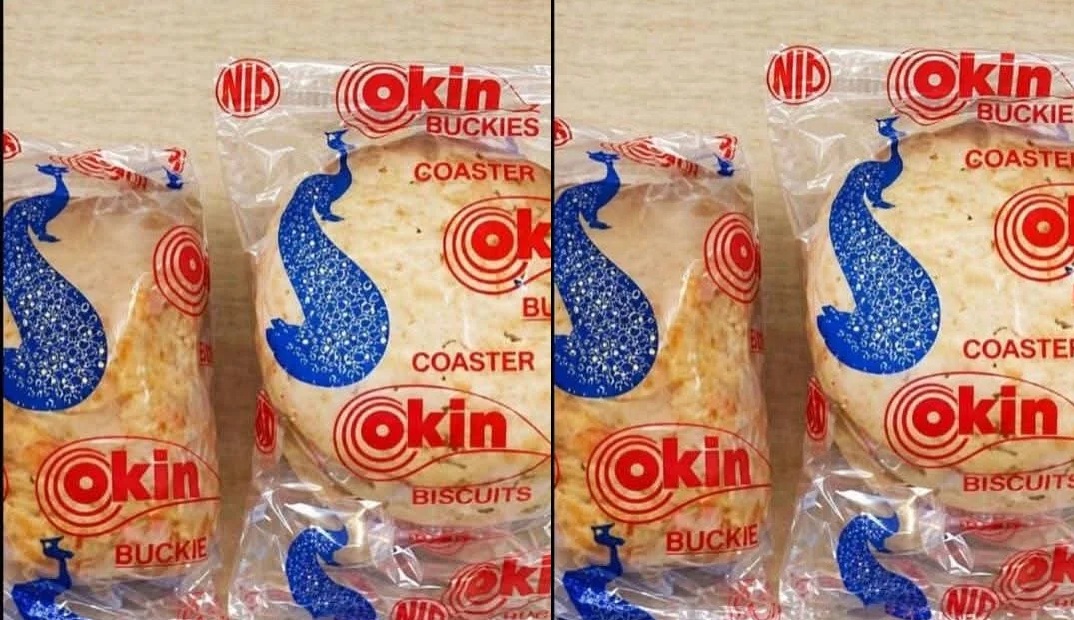
When a product disappears from the shelves, it often fades quietly into memory. Yet some products linger, not just as snacks or commodities, but as cultural touchstones. Okin Shortcake is one of those rare names that has lived on in the hearts of Nigerians long after its absence. Its return is not simply a business decision. It is a story of nostalgia, trust, and the delicate balance between product revitalisation and rebranding.
Revitalisation is about breathing new life into a product without losing its soul. For Okin, the soul lies in the recipe. Consumers have been emphatic in their demands. They want the same deep brown colour, the same rich milky taste, and the same satisfying thickness. These details are not trivial. They are the very essence of Okin’s identity. Revitalisation here means honouring that essence, proving that true taste never changes. Unlike many revitalisation efforts that rely on innovation, Okin’s strength lies in restoration. The market is already crowded with coaster biscuits, but none replicate the unique shortcake that Okin once offered. This gap is an opportunity, and revitalisation is the key to filling it.
At the same time, revitalisation alone cannot carry the brand forward. A product must also speak to the present, and that is where rebranding comes in. Rebranding is about refreshing the image and positioning the product for a new generation. For Okin, this means balancing nostalgia with modern relevance. Packaging design should nod to the past while embracing today’s standards, such as eco?friendly materials and contemporary fonts. Storytelling campaigns can draw directly from consumer memories. Tales of biscuits tucked into school uniforms, of shortcake paired with 7Up during childhood illnesses, and of family breakfasts sealed with Okin are not just anecdotes. They are powerful narratives that position Okin as more than a snack. They make it a cultural bridge between generations.
Register for the next Tekedia Mini-MBA.
Register for Tekedia AI in Business Masterclass.
Join Tekedia Capital Syndicate and co-invest in great global startups.
The voices of consumers reveal a powerful emotional bond. They are not passive buyers. They are guardians of the brand. They warn against excess sugar, they demand quality, and they insist on authenticity. Some even say they are “here to censor it,” a striking reminder that Okin’s revival is under public scrutiny. This is both a challenge and an opportunity. If Okin listens and delivers, it will not only regain trust but deepen it. Revitalisation must therefore be accompanied by clear communication that reassures consumers of the brand’s fidelity to its roots.
Distribution is another critical piece of the puzzle. Nostalgia cannot thrive if the product is inaccessible. Lagos, Ilorin, Sokoto, and other cities are waiting. Rebranding must therefore include a clear rollout strategy that ensures the biscuit is widely available. Accessibility reinforces trust, and trust fuels loyalty. A product that is remembered fondly but difficult to find risks becoming a myth rather than a living brand.
The dual path of revitalisation and rebranding is delicate. Revitalisation demands fidelity to the original recipe, colour, and texture. Rebranding demands fresh storytelling, modern packaging, and digital engagement. The synergy lies in bringing back the old while presenting it in a new way. Okin’s success depends on reassuring loyalists while attracting younger consumers who never experienced the original. This dual strategy ensures that Okin is not just a throwback but a relevant choice in today’s market.

For consumers, Okin’s revival is a chance to relive cherished memories and share them with their children. It is an opportunity to pass down a taste that defined their childhood. For the company, it is a reminder that brand equity is built not just on taste but on trust and emotional connection. Deliver the biscuit exactly as remembered, then wrap it in a modern story that resonates with today’s market.
In the end, Okin Shortcake’s return is more than a product launch. It is a cultural event. Revitalisation ensures the biscuit tastes exactly as it did decades ago. Rebranding ensures it speaks to today’s consumers in a language of nostalgia and modern relevance. If Okin can strike this balance, it will not just sell biscuits. It will sell memories, trust, and continuity, proving that some tastes truly never leave your memory.
The revitalisation and rebranding is not only about Okin. It is a lesson for any company seeking to revive a legacy product. Listen to the consumers who remember. Honour the product’s essence. Refresh the brand’s image. Balance the old with the new. In doing so, a company does more than relaunch a product. It rekindles a relationship, restores trust, and reclaims a place in the cultural fabric of society.
