

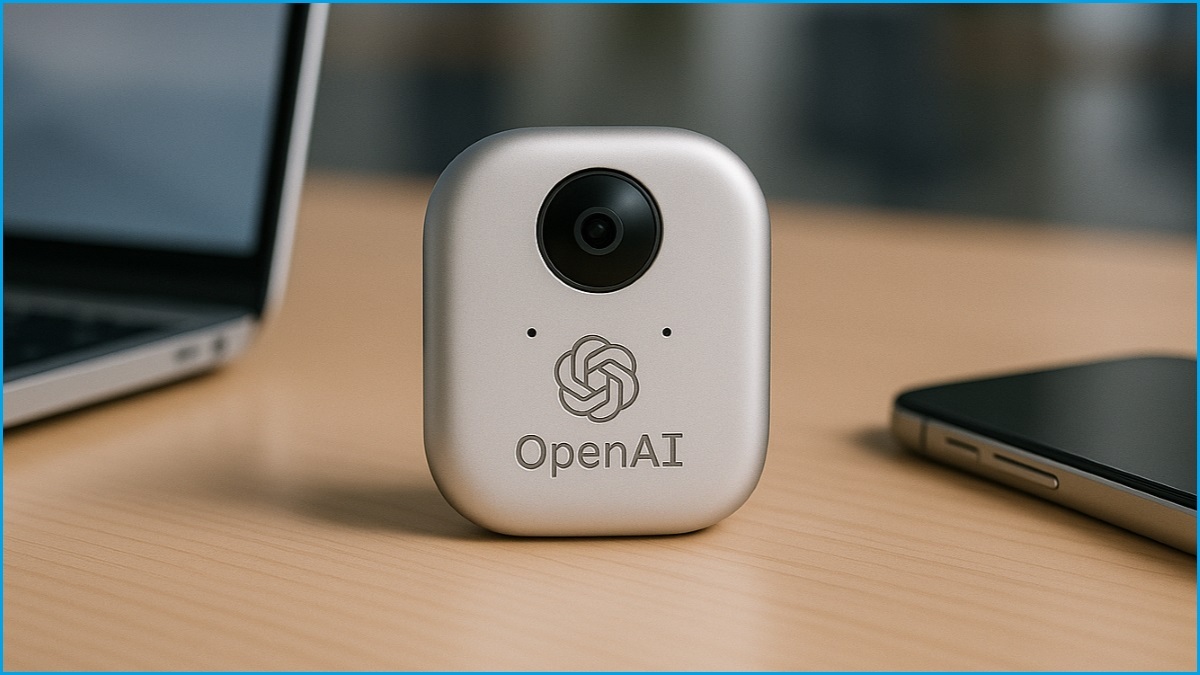
OpenAI has escalated its legal dispute with Apple, accusing the iPhone maker of misappropriating trade secrets and restricting its access to hardware suppliers as the two companies compete for talent, proprietary technology and control of the next generation of AI-powered consumer devices.
The ChatGPT developer filed counterclaims in a California federal court on Friday, alleging that Apple’s employment practices were designed to prevent employees from joining competitors and developing competing technologies.
The countersuit followed Apple’s earlier lawsuit accusing OpenAI of poaching employees to obtain confidential information and trade secrets that could support its expansion into consumer hardware. OpenAI has denied those allegations.
Register for the next Tekedia Mini-MBA.
Register for Tekedia AI in Business Masterclass.
Join Tekedia Capital Syndicate and co-invest in great global startups.
The dispute marks a significant deterioration in the relationship between two companies that had previously worked together to bring ChatGPT to Apple’s devices. Their legal confrontation now extends beyond employee recruitment to questions over access to suppliers and the technology that could underpin future consumer electronics.
The litigation comes as the competition to build AI-powered devices intensifies. Technology companies are exploring products that could allow users to interact with AI assistants directly, potentially reducing their reliance on conventional smartphone applications and operating systems.
That prospect puts Apple’s iPhone business at the centre of the dispute. If OpenAI or another AI developer succeeds in creating a device that becomes a primary interface for digital services, it could challenge Apple’s control over how consumers access software, services and information.

Apple’s original lawsuit, filed earlier this year, accused OpenAI and two former employees of misappropriating trade secrets to support the ChatGPT maker’s move into consumer hardware. The allegations were about former Apple staff improperly transferring confidential information that could give OpenAI an advantage as it develops physical products.
OpenAI’s counterclaims shift the focus to Apple’s own employment practices. The company alleges that Apple has sought to restrict employees from moving to competitors, describing the practices as an attempt to “trap” workers and prevent them from contributing to rival technologies.
The competing claims place employee mobility and access to proprietary information at the heart of a wider commercial rivalry. AI hardware development requires expertise across software, chip design, product engineering and user interfaces. Employees with experience in Apple’s hardware and software ecosystem could therefore be valuable to a company attempting to build devices that compete with established consumer electronics products.

The dispute also raises a separate question about access to the hardware supply chain. OpenAI’s allegation that Apple has blocked its access to hardware suppliers is believed to be an indication that the disagreement is not limited to the movement of employees or confidential information. Supplier relationships can determine whether a company can secure components, manufacturing capacity, and the technical partnerships required to bring a device to market.
Gaining access to those resources could be important to OpenAI as it seeks to move beyond software and establish a presence in consumer hardware. But the emergence of AI devices that operate outside Apple’s ecosystem could threaten a business model built around the integration of its devices, operating systems, applications and services.
The potential commercial stakes extend beyond a conventional dispute between technology companies. Apple’s strength comes partly from controlling the environment in which third-party applications reach consumers. OpenAI’s ambition to make AI assistants a key interface for everyday computing could alter that relationship by allowing users to access services through conversational systems rather than navigating individual apps.
Analysts believe OpenAI is working on a phone or another consumer device, although the company has not confirmed the nature of any such product in the information provided. A successful launch could place it in more direct competition with Apple, particularly if the device offers an alternative way to access digital services.
The legal battle also exposes the tension between Apple’s position as a platform provider and OpenAI’s ambition to build products that could reduce dependence on traditional platforms. Their earlier partnership brought ChatGPT into Apple’s ecosystem, but the emergence of competing hardware ambitions has changed the commercial relationship.
The outcome of the lawsuits could help determine how the companies compete for specialized talent, protect confidential technology and engage with suppliers. More broadly, the dispute exposes how the race to control AI interfaces is moving beyond models and software into the devices through which consumers will interact with the technology.