

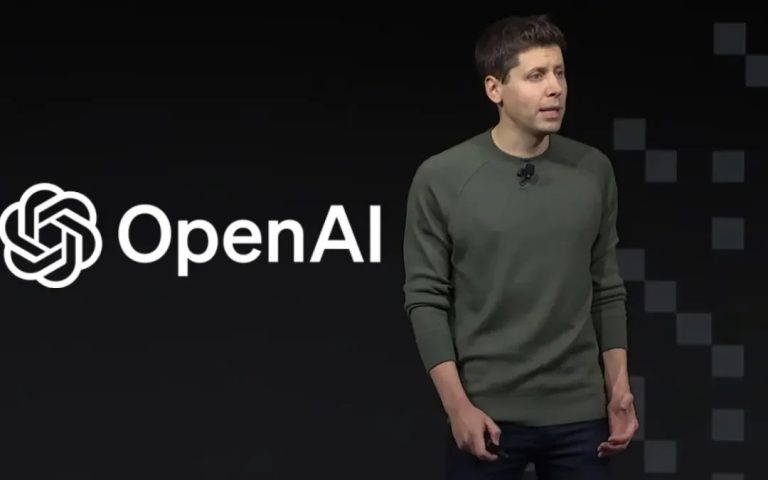
OpenAI, the firm behind ChatGPT and one of the most influential AI labs in the world, finds itself at a critical crossroads. Its early lead in generative AI, which Microsoft CEO Satya Nadella has described as a two-year uncontested advantage, allowed the company to define the modern conversational AI market and attract unprecedented attention from investors, governments, and enterprises.
Yet that head start is now colliding with the financial realities of maintaining dominance in an increasingly competitive and capital-intensive field.
Reports suggest that OpenAI is burning through cash at an extraordinary rate, with projections indicating a potential $14 billion loss in 2026 and up to $40 billion by 2028. The company’s aggressive spending stems from multiple factors, including infrastructure expansion, large-scale model training, hiring top-tier research talent, and compute-intensive operations.
Register for Tekedia Mini-MBA edition 20 (June 8 – Sept 5, 2026).
Register for Tekedia AI in Business Masterclass.
Join Tekedia Capital Syndicate and co-invest in great global startups.
Register for Tekedia AI Lab.
Analysts say these outlays are intended not only to sustain the current ChatGPT product but also to secure long-term technological superiority over competitors such as Google DeepMind, Anthropic, and Cohere, who are racing to close the gap.
Financial pressures are compounded by a host of strategic and operational challenges. OpenAI has faced backlash from users over the integration of advertisements into ChatGPT, a move that has been seen as a departure from the frictionless experience that fueled its early growth. Legal disputes, most notably with Elon Musk over OpenAI’s for-profit restructure and alleged “ill-gotten gains,” have added further uncertainty.
Meanwhile, sourcing high-quality training data remains a bottleneck for scaling future AI models, forcing OpenAI to explore costly licensing agreements and synthetic datasets.

Revenue generation has kept pace to some degree, with estimates suggesting annual income of up to $13 billion from ChatGPT subscriptions, enterprise API access, and other services. However, expenses are escalating rapidly. Computing costs alone are reportedly around $1.4 billion annually, with expectations that these will continue to rise as models grow larger and more sophisticated.
It remains unclear whether the introduction of ads and other monetization strategies can close the widening gap between revenue and operational costs.
CEO Sam Altman has publicly dismissed concerns about an AI spending “bubble,” emphasizing that OpenAI’s revenue is growing steeply and that demand for its consumer and enterprise products continues to surge. Altman has also highlighted ambitions beyond software, including hardware developments and broader ecosystem expansion. Perhaps most notably, he projects that OpenAI’s revenue could reach $100 billion by 2027—a figure that some analysts consider overly optimistic given the scale of projected losses and the competitive environment.

Skeptics have raised an alarm about the firm’s liquidity and sustainability. Tom’s Hardware reported that OpenAI could run out of cash by mid-2027 without additional investment, while economists such as Sebastian Mallaby from the Council on Foreign Relations argue that relying on “overvalued shares” or other financial maneuvers may not be sufficient to navigate the projected multi-billion-dollar deficits.
It is against this backdrop that analysts believe that OpenAI’s $8 billion operational loss in 2025 could swell to $40 billion by 2028, raising urgent questions about funding, cost control, and strategic prioritization.
The situation underscores a broader tension in the AI sector: scale and leadership come at a price. OpenAI may need another round of major fundraising to sustain operations and maintain its competitive edge. Yet investor sentiment, while still strong, is beginning to weigh profitability alongside growth and market influence. This means demonstrating a credible path to long-term profitability is becoming for the firm just as critical as model performance or product innovation.
OpenAI’s predicament also illustrates the broader challenge for the AI industry that chasing technological supremacy requires enormous investment in infrastructure, talent, and data, and even early leaders are not immune to financial strain. The firm’s ability to continue leading the AI revolution will depend not only on innovation but also on its capacity to balance ambition with sustainability, manage operational risk, and secure investor confidence amid unprecedented expenditures.
In short, OpenAI’s story is no longer just about building the next generation of AI—it is also about proving that the business behind it can survive the staggering costs required to stay at the frontier.