DD
MM
YYYY

PAGES

DD
MM
YYYY

spot_img

PAGES

Home Blog Page 1032

Moca Foundation Announces Moca Chain For Self-Sovereign, Privacy-Preserving Identity And User Verification

0

Moca Foundation today announced that it will launch Moca Chain, a Layer 1 blockchain built specifically for identity and user data. Moca Chain will support the development of identity protocols in respective industry verticals to enable individuals, devices, and AI agents to control, unify, and verify their digital credentials without relying on centralized platforms, and accelerate user-centric yet privacy-preserved growth via integrations with consumer applications. Moca Chain testnet and mainnet are expected to launch in Q3 and Q4 2025, respectively.

Moca Chain will allow on- and off-chain user data to be verified via any applications on any chains through its decentralized data storage, cross-chain identity oracle, web proof data generation (zkTLS), and on-chain verifications. It will operate as a modular, EVM-compatible chain, working interoperably with other chains to provide the identity and data layer for partners and adopters. Moca Chain will utilize MOCA Coin as the core token for gas, validator staking, storage, oracle, data generation, and verification fees.

Yat Siu, co-founder and executive chairman of Animoca Brands, said: “Billions of users today go online using single sign-on (SSO), which contains the keys to a user’s data, services, and digital lives. While convenient, SSO represents a centralized point of failure that compromises security while also allowing operators to aggressively extract value from users’ digital selves. Moca Chain seeks to solve this problem by giving users decentralized true ownership of their data, ensuring the sovereignty of users’ digital identity without a single point of failure.

He continued: “In conjunction with Moca Network’s AIR Kit, Moca Chain is creating a digital ecosystem where users can finally own their data, reputations, and contributions. This aligns strongly with the mission of Animoca Brands to advance digital property rights and empower individuals to control and benefit from their online activities and their personal data, enabling more equitable sharing of the value that users generate through their online presence and activity.”

Kenneth Shek, project lead of Moca Network, said: “Moca Chain and AIR Kit are a one-of-a-kind infrastructure for verified identity data to empower consumer apps and their users. By adopting Moca Chain and MOCA Coin, we believe we can disrupt current models of data ownership and break down the dominance of walled garden ecosystems, returning value to the users who generate it and making ecosystem growth more scalable.”

Moca Network is the identity ecosystem of Animoca Brands. As one of the launch partners of Moca Chain, Moca Network is committed to growing Moca Chain’s ecosystem and advancing the adoption of Moca Chain. Moca Network’s AIR Kit is integrated into offerings by various partners including Animoca Brands portfolio companies, partners, and affiliates, estimated to reach over 700 million addressable users. Protocols and applications built on Moca Chain will be able to gain access to the user networks and data of AIR Kit adopters, including SK Planet’s OK Cashbag (28 million KYC’d users) and One Football (over 200 millions users).

Together with its protocol partners, Moca Chain aims to solve common industry pain points for identity verifications: fragmentation, authenticity, privacy, interoperability, and self-sovereign control, with use cases spanning across multiple industries. Current use cases include Healthcare (unified electronic health records verifiable across healthcare providers), Recruitment (verified education credentials and training history), Finance (privacy-preserved KYC/AML), and Advertising (unified user data across apps for verified user onboarding).

Moca Chain is designed for real-world adoption, with Moca Network’s AIR Kit integrated into major Web2 platforms to power identity and rewards directly inside apps already familiar to millions of people. These partnerships make Moca Chain the backbone of a growing ecosystem of identity-based experiences.

Under the traditional paradigm, end users of major platforms and services (such as social networks or online retailers) are effectively locked into closed platforms where their data is siloed and monetized without their control. Moca Chain seeks to give back control to end users by enabling them to prove their identity and safeguard their data in a unified identity framework. Users of Moca Chain will specify which applications are able to access their private data, and they will be able to set granular permissions over how and where the data are shared; data sharing entitles users to partner ecosystem access, benefits, or token rewards for any use of their data.

Moca Chain’s composable identity layer will support seamless movement of user attributes such as loyalty points, social proof, and access rights across multiple dApps. This will enable users to unlock access and rewards across platforms without exposing private data, while maintaining a unified identity that is fully under their control.

Protocols built on Moca Chain can choose to issue or verify reusable on- and off-chain user data and credentials for monetization, while preserving the privacy of identity and reputation data. Once data is issued to the end users, data is verifiable everywhere via zero knowledge proofs, fostering ecosystem growth by cross-pollinating users without any direct API integrations, shifting the counterparty of verifiers from centralized platforms to end users.

Moca Chain will work alongside AIR Kit, the global account, identity, and reputation software development kit (SDK) of Moca Network. Developers can utilize AIR Kit to create feature-rich applications with smart accounts and verifiable credentials, while its support for plug-and-play permissions facilitates the creation of user-friendly applications.

Arizona House Passes HB2324 Bitcoin and Digital Assets Reserve, Waiting Governor Hobbs Signature

0

The Arizona House of Representatives passed House Bill 2324 (HB2324) on June 24, 2025, with a 34-22 vote, following a 16-14 Senate vote on June 19. The bill establishes a state-managed Bitcoin and Digital Assets Reserve Fund for cryptocurrencies seized through criminal forfeiture. It updates Arizona’s forfeiture laws to include digital assets, setting rules for secure seizure and storage using approved digital wallets. The first $300,000 of seized assets goes to the Attorney General’s office, with the remainder split: 50% to the Attorney General, 25% to the state’s general fund, and 25% to the reserve fund.

If signed by Governor Katie Hobbs, HB2324 will be Arizona’s second Bitcoin reserve law, following HB2749, which created a fund for unclaimed digital assets. Unlike previous bills (SB1373 and SB1025), which Hobbs vetoed due to concerns over speculative investments, HB2324 avoids direct state investment by focusing on forfeited assets, potentially increasing its chances of approval. The bill now awaits the governor’s signature, with no public comment from her yet. If enacted, it could position Arizona as a leader in state-level crypto governance, following New Hampshire and alongside Texas.

HB2324 positions Arizona as a forward-thinking state in cryptocurrency governance by creating a legal framework for managing seized digital assets. This could attract blockchain businesses, startups, and investors, boosting the state’s tech economy. By establishing a Bitcoin and Digital Assets Reserve Fund, Arizona could accumulate significant crypto holdings over time, potentially benefiting from long-term price appreciation.

If signed into law, Arizona would join states like New Hampshire and Texas in recognizing digital assets at a state level. This could inspire other states to adopt similar measures, normalizing crypto reserves as part of state financial strategies. The bill’s focus on forfeited assets sidesteps the speculative investment concerns that led to vetoes of prior bills, offering a model for other states to follow without risking public funds.

Legal and Operational Framework

The bill modernizes Arizona’s forfeiture laws to include digital assets, ensuring law enforcement can securely seize and store cryptocurrencies using approved digital wallets. This could enhance the state’s ability to combat crypto-related crimes. The allocation of seized assets (50% to the Attorney General, 25% to the general fund, 25% to the reserve fund) provides a balanced approach to funding state operations while building a crypto reserve.

Arizona’s move signals confidence in the longevity and value of digital assets, potentially encouraging broader adoption among businesses and individuals. However, the bill’s success hinges on Governor Katie Hobbs’ approval. Her previous vetoes of crypto-related bills (SB1373 and SB1025) suggest caution, but HB2324’s narrower scope might align better with her stance.

Volatility in crypto markets could affect the reserve fund’s value, though the bill mitigates this by not requiring direct state purchases. Secure storage of digital assets poses technical challenges, requiring robust cybersecurity measures to prevent hacks or losses. If vetoed, it could dampen Arizona’s crypto momentum and reinforce perceptions of regulatory uncertainty.

Republican lawmakers, who dominate Arizona’s legislature, largely back crypto-friendly policies, viewing HB2324 as a way to innovate and diversify state assets. The 34-22 House vote and 16-14 Senate vote suggest strong GOP support but limited bipartisan backing. Democrats, including Governor Hobbs (based on past vetoes), express concerns about crypto’s volatility, regulatory gaps, and environmental impact (e.g., Bitcoin mining’s energy use). Some see state involvement in crypto as premature or risky.

Hobbs’ decision will be pivotal. Her vetoes of SB1373 and SB1025 cited speculative risks and lack of oversight, but HB2324’s focus on seized assets might sway her, though skepticism remains. On X, crypto enthusiasts and libertarian-leaning users celebrate HB2324 as a step toward financial freedom and state-level adoption, with some that Arizona could become a “Bitcoin stronghold.” They argue it protects against fiat currency inflation.

Some X users and environmental groups question the wisdom behind prioritizing crypto over pressing issues like water scarcity or education funding, or express concerns about crypto’s association with illicit activities. Others worry about the state’s ability to manage volatile assets securely. Sentiment on X appears polarized, with pro-crypto voices louder but not necessarily representative of broader Arizona voters.

Urban areas like Phoenix and Tucson, with tech hubs and younger demographics, are more receptive to crypto innovation. Rural areas may see less immediate benefit and prioritize traditional industries, creating a geographic economic split. States like Arizona, Texas, and New Hampshire are embracing crypto to compete globally, while others (e.g., New York, California) impose stricter regulations, reflecting a divide in economic visions—decentralized vs. centralized control.

Supporters view crypto reserves as a hedge against federal monetary policies and a nod to individual sovereignty. They align with libertarian and anti-establishment ideologies. Critics advocate for stronger oversight, citing consumer protection, financial stability, and environmental concerns. They align with progressive or traditional financial systems.

HB2324’s passage underscores Arizona’s ambition to lead in crypto governance, with potential economic benefits but also risks tied to market volatility and political approval. The divide—political, public, economic, and ideological—mirrors national debates over cryptocurrency’s role in society. If signed into law, the bill could bridge some gaps by demonstrating a practical, low-risk approach to state crypto adoption. If vetoed, it may deepen the divide, reinforcing Arizona’s cautious stance on digital assets. The governor’s decision, expected soon, will be a critical turning point.

Backpack Exchange Season 2 Points Program Begins By July 3rd

0

Backpack Exchange has confirmed that Season 2 of its points program will start on July 3, 2025, as announced through various posts on X. This follows the success of Season 1, which began on March 21, 2025, and ran for 10 weeks, rewarding users with points based on their activity on the exchange. Season 2 is expected to expand access to European users and may introduce new ways to earn points, potentially through the Backpack Vault, similar to Hyperliquid’s HLP system, allowing users to farm points without trading futures.

The program aims to incentivize user engagement and platform growth, with points distributed weekly based on activity, though specific criteria remain intentionally opaque. The launch of Backpack Exchange’s Season 2 points program on July 3, 2025, has several implications for the platform, its users, and the broader crypto ecosystem, particularly when considering the potential divide in user activity. Season 2’s points program, like Season 1, rewards users based on their activity (e.g., trading volume, wallet interactions, or potential new features like Backpack Vault).

This gamified approach encourages users to trade more frequently, deposit assets, and engage with the platform’s ecosystem, driving trading volume and liquidity. Season 1 saw Backpack Exchange achieve $27.5 billion in total volume during its beta phase, suggesting Season 2 could further boost these metrics. With the acquisition of FTX EU and plans to offer regulated perpetual futures in Europe starting Q1 2025, Season 2 may attract a broader user base, particularly in Europe. This could enhance Backpack’s global presence and competitiveness against exchanges like Binance or KuCoin.

The points system is widely speculated to be a precursor to a future token airdrop, similar to Hyperliquid’s model. This anticipation could drive speculative trading, as users aim to accumulate points for potential rewards, increasing platform activity but also market volatility. Points earned in Season 2 can be redeemed for benefits like discounted fees, exclusive promotions, or advanced trading features. The tiered ranking system (Bronze to Challenger) fosters a sense of prestige, incentivizing users to climb ranks for better perks.

Backpack’s unique offerings, such as interest-bearing futures and auto-lending, allow users to earn passive income alongside points, potentially attracting both active traders and long-term holders. This could differentiate Backpack from competitors like Binance, which require separate accounts for similar features. Backpack’s ecosystem, including its wallet and Mad Lads NFT collection, aligns with the growing SocialFi trend on Solana. Season 2 may introduce quests or rewards tied to SocialFi platforms, enabling users to monetize content or digital identities, further diversifying engagement opportunities.

Backpack’s use of cryptographic techniques (e.g., zero-knowledge proofs, Multi-Party Computation) and its Virtual Asset Service Provider (VASP) license from Dubai’s VARA enhance its reputation as a secure, regulated platform. Season 2’s expansion into Europe under MiCA regulations could solidify user trust, especially after the FTX collapse, in which Backpack lost 88% of its treasury. Starting May 12, 2025, Backpack will distribute funds to former FTX EU users, potentially integrating these users into Season 2’s points program. This could boost user acquisition but also create logistical challenges in managing payouts alongside new user onboarding.

The structure of Season 2’s points program, while designed to reward engagement, may exacerbate a divide between high-activity and low-activity users, creating both opportunities and challenges. Users with high trading volumes (e.g., >$5,000, as suggested for airdrop eligibility) or those engaging in futures and SocialFi features will likely earn more points and higher ranks (e.g., Platinum, Diamond, Challenger). These users benefit from lower fees (0.085% maker, 0.095% taker vs. industry average 0.1%), exclusive perks, and potentially larger airdrop allocations.

High-activity users drive significant trading volume, contributing to platform liquidity and visibility. Their participation in competitions (e.g., $60,000–$90,000 Volume and PnL rewards) further amplifies their impact, potentially skewing market dynamics toward their strategies. These users are more likely to leverage Backpack’s interest-bearing futures and cross-margined accounts, maximizing returns and consolidating their dominance in the points system.

The opaque criteria for earning points may disadvantage users with lower trading volumes or limited capital, as they struggle to compete with whales for higher ranks. The KYC process and learning curve for features like futures or SocialFi could further deter newcomers. Low-activity users may only achieve lower ranks (e.g., Bronze, Silver), restricting access to premium benefits. This could lead to a perception of inequity, where only high-volume traders reap significant rewards, potentially discouraging broader adoption.

While SocialFi features could appeal to retail users, the technical complexity of blockchain-based platforms and high Solana gas fees (despite being lower than Ethereum) may limit participation for those unfamiliar with DeFi or NFTs. Backpack’s intuitive interface and single cross-margined account simplify trading for newcomers, reducing the complexity seen in platforms like Binance. Season 2 could introduce quests or bonuses tailored to retail users, such as low-volume trading competitions or wallet-based tasks.

The Mad Lads NFT collection and SocialFi integration foster a sense of community, potentially bridging the gap by rewarding non-trading activities like content creation or platform referrals. As a Solana-based platform, Backpack’s success could bolster the Solana ecosystem, often compared to “Binance of Solana.” Season 2’s rewards may drive adoption of Solana-based assets (e.g., SOL/USDC, Mad Lads NFTs), increasing network activity and value.

By offering lower fees, interest-bearing futures, and a points system, Backpack challenges established exchanges. However, the user activity divide could limit its ability to compete with Binance or KuCoin if retail users feel marginalized. The promise of a valuable airdrop (potentially worth $5,000 for active users) could attract speculators, but low competition in Season 2 suggests an opportunity for early adopters. Long-term success depends on balancing rewards with sustainable platform growth to avoid a “pump-and-dump” scenario.

While Backpack’s points program incentivizes growth, the lack of transparency in point allocation criteria raises concerns about fairness. High-activity users may dominate rewards, potentially alienating retail users and creating a perception of exclusivity. Additionally, the speculative nature of airdrop-driven activity could lead to unsustainable trading volumes if not paired with genuine platform utility. Backpack must carefully design Season 2 to include low-barrier tasks and clear communication to ensure broad participation, especially as it expands into Europe and integrates FTX EU users.

Season 2’s launch on July 3, 2025, positions Backpack Exchange to drive user engagement, platform growth, and Solana’s ecosystem development. However, the user activity divide—between high-volume traders and retail users—could widen if rewards heavily favor whales. By leveraging its user-friendly design, SocialFi integration, and educational resources, Backpack can mitigate this divide, fostering inclusive growth.

Tekedia Capital Congratulates Better Auth for Raising $5 million

0

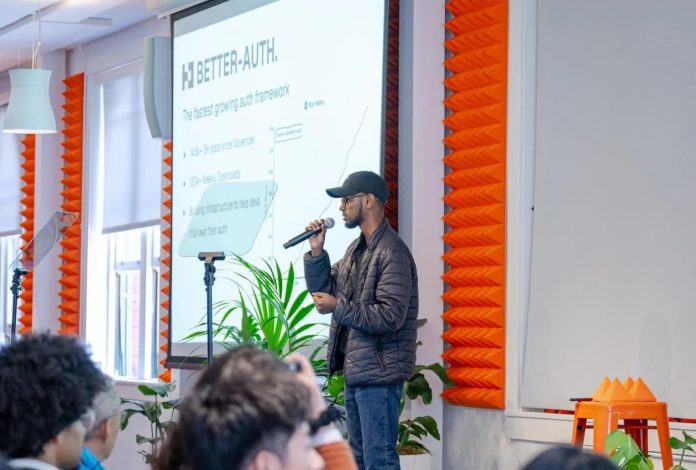
Within 6 months of launch: “Better Auth has clocked 150,000+ weekly downloads, 15,000+ GitHub stars, and a community of over 6,000 Discord members”. Tekedia Capital congratulates Bereket Engida and Better Auth, the world’s most adopted authentication engine by AI startups, for raising $5 million.

Bereket, your story inspires everyone on how you taught yourself how to code in Ethiopia, and decided to fix a major friction in the software community. We’re truly honoured to be part of your journey. Congratulations.

To learn about Better Auth, go here https://www.better-auth.com/ ; for Tekedia Capital capital.tekedia.com

Implications of Germany’s E-Bike Market Leadership and Sales Drop, as Federal Cabinet Approves 2025 Draft Budget

0

Germany remains Europe’s leader in e-bike sales, generating nearly €5.4 billion in revenue in 2024, accounting for almost half of the continent’s €12 billion e-bike market. However, sales declined by 2% to 2 million units, with revenue dropping 12% due to lower prices from discount campaigns to clear excess inventory. Traditional bike sales also fell 5% to 1.8 million units. Despite the downturn, e-bikes comprised 53% of Germany’s bike market in 2023, and the industry anticipates stabilization in 2025, supported by strong cycling infrastructure and consumer demand.

The 12% revenue drop in 2024, despite a modest 2% unit sales decline, indicates price erosion due to aggressive discounting to clear excess inventory. This could squeeze profit margins for manufacturers and retailers, potentially leading to consolidation or reduced investment in innovation. The anticipated stabilization in 2025 suggests resilience, driven by Germany’s robust cycling infrastructure and cultural embrace of e-bikes. However, sustained discounts may normalize lower price points, challenging premium brands.

A prolonged sales slump could impact jobs in manufacturing and retail, though Germany’s dominance (nearly 50% of Europe’s €12 billion market) provides a buffer. Smaller markets like France or the Netherlands may struggle to compete. E-bikes’ 53% share of Germany’s bike market in 2023 reflects a shift toward electric mobility, especially among urban commuters and older demographics seeking assisted cycling. This trend is likely to persist, supported by environmental awareness and fuel cost concerns.

Lower prices may attract new buyers but could also signal oversaturation among early adopters, requiring manufacturers to target untapped segments like younger or rural consumers. Germany’s extensive cycling infrastructure (e.g., bike lanes, subsidies) reinforces its leadership. Continued government support for e-mobility could mitigate sales declines, but policy shifts elsewhere in Europe might narrow Germany’s lead.

The sales drop may prompt calls for incentives like tax breaks or purchase subsidies to stimulate demand, especially if economic pressures persist. E-bikes, as low-emission transport, align with EU carbon reduction goals. A sustained market supports climate objectives, but production (batteries, frames) and disposal challenges require lifecycle improvements to maximize benefits.

E-bikes thrive in cities like Berlin and Munich, where infrastructure supports commuting and short trips. Urbanites, often wealthier and eco-conscious, drive sales. Rural areas, with less cycling infrastructure and longer travel distances, see lower adoption. This divide may widen unless rural-specific models (e.g., longer-range e-bikes) or infrastructure investments emerge.

Older consumers (50+) favor e-bikes for leisure and mobility, while younger buyers (18-35) may prioritize affordability or traditional bikes for fitness. Marketing and pricing strategies must bridge this gap. E-bikes, even with discounts, remain costlier than traditional bikes, limiting access for lower-income groups. Subsidies or financing options could address this.

E-Bike vs. Traditional Bike Market

E-bikes (53% market share) are outpacing traditional bikes (down 5% to 1.8 million units). This divide reflects a technological shift but risks marginalizing traditional bike manufacturers unable to pivot to electric models. Germany’s €5.4 billion e-bike revenue dwarfs other EU markets, highlighting an economic and infrastructural divide. Smaller markets like Spain or Poland, with less developed cycling cultures, struggle to scale, potentially concentrating innovation and profits in Germany.

Discount campaigns favor budget brands, squeezing premium manufacturers like Bosch-powered models. This divide could reshape competition, with cheaper imports (e.g., from Asia) gaining ground unless quality differentiation prevails. Germany’s e-bike market leadership underscores its economic and infrastructural strengths, but the 2024 sales drop signals challenges like oversupply and price pressures.

Germany’s Cabinet Approves A Draft Budget For 2025

Meanwhile, Germany’s cabinet, led by Chancellor Friedrich Merz, approved a draft budget for 2025 and a financial framework for 2026, marking a significant shift from fiscal austerity. The budget includes record investments of €115.7 billion in 2025 and €123.6 billion in 2026, up from €74.5 billion in 2024, aimed at reviving an economy that contracted for two consecutive years. A major increase to 3.5% of GDP by 2029, rising from €95 billion in 2025 to €162 billion by 2029, funded by a €400 billion borrowing program. This aligns with NATO goals and responds to pressures from Russia’s actions and U.S. demands. €8.3 billion is allocated for Ukraine in 2025, doubling previous commitments.

Net new borrowing will jump to €81.8 billion in 2025 from €33.3 billion in 2024, with total borrowing reaching €500 billion by 2029, plus €270 billion through an infrastructure fund. A March 2025 debt brake reform allows unlimited defense spending, keeping Germany’s debt-to-GDP ratio at 63%. A €500 billion infrastructure fund, approved in March, will support transport, energy, housing, and climate initiatives, with €20 billion for housing (including €3.5 billion for social housing) through 2028. Climate and Transformation Fund will also see increased funding.

A €46 billion corporate tax relief package was approved earlier in June to boost businesses. Subsidies for energy costs are included to support energy-intensive industries. Interest payments are projected to double by 2029 due to increased borrowing, a departure from Germany’s balanced-budget tradition. The budget, delayed due to the collapse of Olaf Scholz’s coalition in November 2024, replaces a provisional budget in place since January 2025.

It will be debated in the Bundestag before the summer recess, with final approval expected in September 2025. The 2026 budget draft is slated for cabinet approval on July 30, 2025. Finance Minister Lars Klingbeil emphasized the need for investment over austerity, stating, “I don’t see any particular value in keeping the money and not spending it.” The plan has sparked criticism for excessive borrowing but is seen as a bold move to strengthen Germany’s economy and military.

The €115.7 billion investment in 2025 (rising to €123.6 billion in 2026) targets infrastructure, housing, energy, and climate initiatives, aiming to reverse Germany’s economic contraction. This could boost GDP growth, create jobs, and stimulate demand in construction, renewable energy, and technology sectors. The €46 billion corporate tax relief package and energy cost subsidies should enhance Germany’s appeal to businesses, particularly energy-intensive industries like manufacturing and chemicals, potentially attracting foreign investment.

Increased borrowing (€81.8 billion in 2025) and spending could stoke inflation, especially if supply chains remain constrained or energy prices rise. However, targeted investments may mitigate this by improving productivity. The debt-to-GDP ratio, projected at 63%, remains manageable under EU fiscal rules, but doubling debt interest payments by 2029 could strain future budgets, limiting fiscal flexibility if economic growth falters.

The €500 billion infrastructure fund will address long-standing underinvestment in transport, housing, and energy grids, potentially improving Germany’s economic efficiency and quality of life. The budget marks a departure from Germany’s traditional fiscal conservatism, challenging the legacy of the debt brake. The March 2025 debt brake reform, allowing unlimited defense spending, may face domestic pushback from fiscal hawks, particularly within Merz’s CDU and coalition partners.

The budget’s approval under Chancellor Merz’s leadership strengthens the new coalition post-Scholz but could strain relations if economic outcomes disappoint or borrowing sparks public discontent. Record investments in housing (€20 billion) and social housing (€3.5 billion) may bolster public support, addressing acute housing shortages. However, critics may argue the borrowing-heavy approach risks future generations’ finances.

The budget faces scrutiny in the Bundestag before September 2025 approval. Opposition parties, including the SPD and Greens, may challenge the scale of borrowing or prioritization of defense over social spending, potentially delaying implementation. Raising defense spending to 3.5% of GDP by 2029 positions Germany as a NATO leader, responding to U.S. pressure and Russia’s aggression. The €400 billion borrowing program for defense and €8.3 billion for Ukraine in 2025 signal a robust stance against geopolitical threats.

Germany’s borrowing spree could influence EU fiscal debates, encouraging other member states to relax austerity measures. However, it may also raise concerns among frugal nations like the Netherlands about EU debt rules. Increased funding for the Climate and Transformation Fund reinforces Germany’s commitment to green energy, potentially setting a model for EU climate goals. This could strengthen Berlin’s influence in EU energy policy.

As Europe’s largest economy, Germany’s investment-driven recovery could stabilize the Eurozone, countering global economic slowdown risks. However, reliance on borrowing may expose Germany to international market volatility if investor confidence wanes. International markets may question Germany’s debt sustainability, potentially raising borrowing costs if bond yields spike. Bureaucratic hurdles or political gridlock in the Bundestag could slow infrastructure and defense projects, undermining economic benefits.

Increased military spending and support for Ukraine may escalate tensions with Russia, requiring careful diplomatic balancing. Global factors like U.S. trade policies under a potential Trump administration or China’s economic slowdown could dampen the budget’s impact.

Germany’s 2025 budget reflects a bold pivot toward investment-driven growth and geopolitical assertiveness, with potential to revitalize its economy and strengthen its global standing. However, the heavy reliance on borrowing introduces risks that will require prudent management and robust economic performance to sustain. The budget’s success hinges on efficient execution, political consensus, and favorable global conditions.