DD
MM
YYYY

PAGES

DD
MM
YYYY

spot_img

PAGES

Home Blog Page 1044

What Really Drives Stock Market Fluctuations?

0

Stock market fluctuations can often seem unpredictable, leaving investors wondering what causes sudden changes in prices. While some movements might appear random, stock market fluctuations are driven by a combination of factors, ranging from economic data and company performance to investor sentiment and global events. Understanding these drivers can help you make better decisions when navigating the market. Keeping an eye on reliable sources, such as ASX today live updates, is a great way to stay informed about the latest developments.

Here’s a closer look at what drives stock market fluctuations and how you can interpret these changes to manage your investments effectively.

1. Supply and Demand

At its core, the stock market operates on the principle of supply and demand. Stock prices rise when more investors want to buy (demand) than sell (supply), and they fall when the reverse is true. This balance is influenced by a variety of factors, including company performance, market sentiment, and broader economic conditions.

Key Factors Influencing Supply and Demand:

  • Company news: Positive news, such as strong earnings or a major partnership, can increase demand for a stock.
  • Investor confidence: When confidence in the market is high, more people are likely to buy stocks, pushing prices up.

2. Economic Indicators

Economic data plays a significant role in shaping market behaviour. Indicators such as GDP growth, unemployment rates, and inflation provide insights into the health of the economy, which can impact investor sentiment and stock prices.

How Economic Indicators Affect Stocks:

  • Interest rates: When central banks raise interest rates, borrowing becomes more expensive, which can lead to lower corporate profits and a decrease in stock prices.
  • Inflation: High inflation can erode the value of future earnings, making stocks less attractive to investors.

3. Corporate Performance

The performance of individual companies has a direct impact on their stock prices. Quarterly earnings reports, revenue growth, and management decisions are closely monitored by investors.

What to Look For:

  • Earnings reports: Strong earnings can boost investor confidence and lead to a rise in stock prices.
  • Guidance: Forward-looking statements from a company’s management about future performance can influence stock movements.

4. Global Events

Global events, such as geopolitical tensions, natural disasters, or pandemics, can create uncertainty in financial markets. This uncertainty often leads to increased volatility, as investors react to changing conditions.

Examples of Global Events:

  • Geopolitical conflicts: Wars or trade disputes can disrupt global supply chains and impact specific industries or markets.
  • Pandemics: The COVID-19 pandemic is a prime example of how global health crises can cause widespread market fluctuations.

5. Investor Sentiment and Psychology

Market movements are heavily influenced by investor sentiment, which is often driven by fear, greed, and speculation. When markets are rising, a sense of optimism can lead to more buying, while fear during downturns can trigger panic selling.

Common Psychological Triggers:

  • Fear of missing out (FOMO): Investors may rush to buy into a rising market, driving prices higher.
  • Panic selling: A sharp market drop can lead to emotional decisions to sell, further amplifying the decline.

6. Market Trends and Technical Factors

In addition to fundamental drivers, market trends and technical factors play a role in stock price fluctuations. These include:

  • Market trends: Bull or bear market trends can influence overall market behaviour.
  • Technical analysis: Traders use charts and indicators to identify patterns and predict price movements, which can contribute to short-term fluctuations.

7. Government Policies and Regulations

Changes in government policies, such as tax reforms or new regulations, can have a significant impact on certain industries or the market as a whole. For example:

  • Fiscal policies: Government spending or tax cuts can stimulate the economy, potentially boosting stock prices.
  • Regulatory changes: New rules affecting specific sectors can create winners and losers in the market.

Understanding the factors that drive stock market fluctuations can help you make more informed investment decisions. By staying informed about economic indicators, company performance, and global events, you can better anticipate market movements and position your portfolio for success. Whether you’re monitoring the latest updates or planning a long-term strategy, keeping these drivers in mind will help you navigate the complexities of the market with greater confidence.

A Look Into U.S.-China Trade Talks In United Kingdom

0

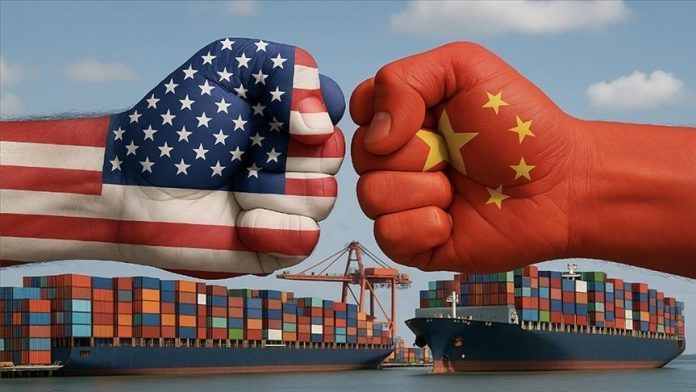
Senior U.S. and Chinese officials met in London June 9, 2025, to address ongoing trade disputes. The U.S. delegation includes Treasury Secretary Scott Bessent, Commerce Secretary Howard Lutnick, and Trade Representative Jamieson Greer, while China is represented by Vice Premier He Lifeng. The talks, held at Lancaster House, aim to build on a fragile truce from Geneva in May, focusing on issues like tariffs and China’s restrictions on rare earth mineral exports. Both sides are under pressure to ease tensions, as China’s exports to the U.S. dropped 34.5% in May, and global supply chains face disruptions. However, analysts expect only limited progress due to deep structural issues.

The U.S.-China trade talks in London on June 9, 2025, carry significant implications for global markets, geopolitics, and economic stability, but the deep divide between the two nations makes substantial progress challenging. If the talks yield even modest agreements, such as tariff reductions or commitments to stabilize supply chains, global markets could see a boost. Reduced uncertainty may stabilize commodity prices, particularly for rare earth minerals, semiconductors, and energy.

Failure to reach any agreement could escalate tensions, leading to further tariff hikes or export restrictions. This risks disrupting global trade flows, with China’s 34.5% drop in U.S. exports in May 2025 already signaling strain. Progress could ease bottlenecks in critical industries like technology and automotive, but continued restrictions (e.g., China’s rare earth export curbs) may exacerbate shortages, raising costs for manufacturers and consumers.

The U.S., under the Trump administration, is pushing a hardline stance with tariffs as leverage to address trade imbalances and national security concerns (e.g., tech transfers). A successful negotiation could strengthen U.S. influence in global trade but risks alienating allies if perceived as overly aggressive. China seeks to protect its economic interests and maintain access to Western markets while countering U.S. dominance. Concessions could signal weakness domestically, so Beijing may prioritize symbolic wins or retaliatory measures.

The talks could influence U.S. and Chinese relations with third parties. For instance, Europe, hosting the talks, may push for multilateral frameworks, while countries reliant on Chinese rare earths or U.S. tech may face pressure to align with one side. U.S.: Progress could lower consumer prices by reducing tariffs but risks backlash from domestic industries (e.g., steel, agriculture) reliant on protectionism. Failure could fuel inflation and harm U.S. businesses dependent on Chinese imports.

Stabilizing trade could support China’s economy amid slowing growth, but concessions on issues like state subsidies or tech restrictions may face resistance from hardliners in Beijing. A successful outcome could lay the groundwork for future negotiations, potentially addressing structural issues like intellectual property theft or market access. However, entrenched mistrust suggests any deal will be narrow, focusing on immediate pain points rather than systemic reform.

The U.S.-China trade relationship is marked by deep structural and ideological differences, which complicate negotiations: The U.S. views its trade deficit with China ($279 billion in 2024, per recent estimates) as unsustainable, accusing China of unfair practices like currency manipulation and dumping. The Trump administration’s 25-50% tariffs on Chinese goods aim to force concessions. China sees tariffs as economic coercion, arguing they harm global trade and violate WTO rules. Beijing’s retaliatory measures, like rare earth export restrictions, target U.S. vulnerabilities in tech and defense supply chains.

The U.S. prioritizes restricting China’s access to advanced technologies (e.g., AI, semiconductors) due to national security fears, citing risks of tech transfers to the Chinese military. Export controls and sanctions on firms like Huawei remain contentious. China views these restrictions as attempts to suppress its technological rise. It demands equal access to global markets and resists U.S. pressure to open its tech sector, citing sovereignty.

The U.S. criticizes China’s state-driven economy, including subsidies for industries like solar and electric vehicles, which it claims distort markets. It seeks reforms to level the playing field for private firms. China defends its economic model, arguing it has lifted millions out of poverty. It accuses the U.S. of hypocrisy, pointing to American subsidies (e.g., CHIPS Act) and protectionist policies. Beyond trade, the talks reflect broader U.S.-China competition for global influence. Issues like Taiwan, the South China Sea, and China’s Belt and Road Initiative loom large, making trust scarce.

The U.S. sees China’s growing ties with Russia and Iran as a threat, while China views U.S. alliances (e.g., AUKUS, Quad) as containment efforts. Domestic politics, especially in an election cycle, limit flexibility. The Trump administration faces pressure to appear tough on China while addressing voter concerns about inflation and job losses. Xi Jinping’s leadership prioritizes stability amid economic slowdown and domestic unrest. Concessions could be seen as weakness, especially after recent protests over economic policies.

The London talks are unlikely to resolve these divides due to entrenched positions and domestic constraints. At best, they may produce limited agreements, such as tariff pauses or commitments to resume rare earth exports, to prevent further escalation. However, the structural nature of the U.S.-China rivalry—spanning trade, technology, and ideology—suggests ongoing tensions. Global markets will closely watch for signals, but analysts remain skeptical of a breakthrough.

Join Ndubuisi Ekekwe on Saturday at Tekedia Mini-MBA on the “Mission of Firms”

0

Every company is established to fix frictions in the market. To fix those frictions, companies must acquire and accumulate capabilities. Capabilities come via pillars which include tools, processes and people. These three pillars are then used to organize and reorganize factors of production to create products and services that are deployed in the markets, as forces, for customers to purchase, to overcome customers’ frictions.

How companies handle that transmutation of turning ideas and raw materials into products and services will determine their competitiveness in the market. Innovation happens when they maximize the outputs, from the lens of productivity, so that the customers are best served even as the least possible utilization of inputs and resources. The mechanical advantage is solidly positive!

Markets reward companies with revenue, as revenue is what companies are compensated with for creating and releasing the forces of products and services, which have the ability to overcome the frictions customers have. When a company consistently delivers innovatively, the reward increases and that means growth is happening.

In summary: markets have frictions as customers have needs, and companies are established to create products which are special forces with capacity to overcome those frictions. For overcoming their frictions, customers reward companies with revenue. Innovative companies do that overcoming in brilliant ways, and overtime, they get rewarded with tons of revenue, enabling massive growth.

In this lecture, I will explain the Mission of Companies and the very essence of why we have companies, linking market needs, innovation and growth. Tekedia Mini-MBA LIVE Session begins on Saturday. Join us as we have seats for you here.

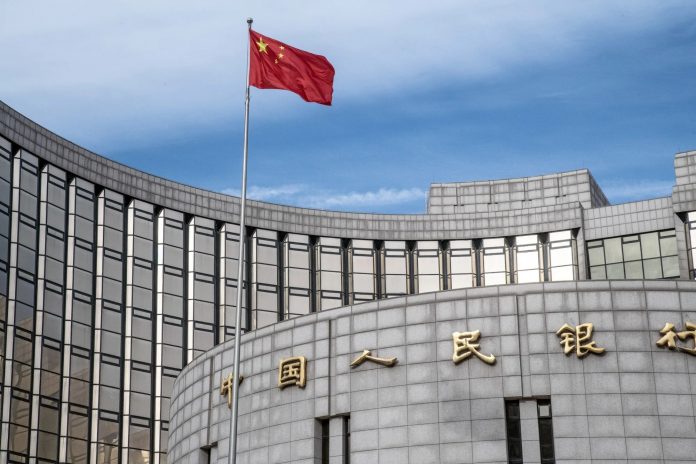
The People’s Bank of China Has Injected Significant Liquidity Through Open Market Operations

0

The PBoC has lowered key policy rates, such as the one-year loan prime rate (LPR) and the seven-day reverse repo rate, to reduce borrowing costs and encourage lending. For instance, in late 2024, the PBoC cut the one-year LPR to 3.35% and the five-year LPR to 3.85%, alongside reductions in the medium-term lending facility (MLF) rate. The PBoC has cut the reserve requirement ratio (RRR) multiple times, with a notable 50 basis point reduction in September 2024, freeing up approximately 1 trillion yuan ($141 billion) in long-term liquidity for banks to lend.

The PBoC has injected significant liquidity through open market operations, including reverse repos and MLF loans. For example, in October 2024, it injected 800 billion yuan via the MLF to maintain ample liquidity in the banking system. These actions are part of a broader stimulus package to counter economic challenges like deflationary pressures, a property sector slump, and weak consumer demand. The PBoC has also introduced measures to support the property market, such as lowering mortgage rates and easing home purchase restrictions, and has launched programs like a 500 billion yuan relending facility for tech innovation and a 300 billion yuan bond-buying program to stabilize markets.

The actions taken by the People’s Bank of China (PBoC)—cutting interest rates, reducing reserve requirements, and injecting liquidity—carry significant implications for China’s economy and highlight a growing economic divide, both domestically and globally. Lower interest rates and increased liquidity aim to boost lending, encourage investment, and stimulate consumer spending. The RRR cuts, freeing up ~1 trillion yuan, and liquidity injections (e.g., 800 billion yuan via MLF) provide banks with more capacity to lend to businesses and households. This is critical for countering deflationary pressures and supporting sectors like manufacturing and technology.

Excessive liquidity could lead to asset bubbles, particularly in real estate or stock markets, despite targeted measures to stabilize property. Weak consumer confidence may limit the effectiveness of these policies, as households prioritize saving over spending. Easing mortgage rates, lowering down payment requirements, and supporting developers through relending facilities aim to revive the beleaguered property sector, a key driver of China’s GDP. These measures could stabilize housing prices and restore confidence.

Overreliance on property stimulus may delay structural reforms, and moral hazard could emerge if developers or investors expect repeated bailouts. Demand-side weakness (e.g., low buyer confidence) may blunt these efforts. A stronger Chinese economy could boost global demand for commodities, benefiting exporters like Australia and Brazil, and support supply chains reliant on Chinese manufacturing.

Aggressive monetary easing may weaken the yuan, potentially triggering capital outflows or competitive devaluations in other emerging markets. This could also exacerbate trade tensions if China’s exports become cheaper. These measures aim to reverse deflationary trends, with consumer prices showing mild recovery (e.g., CPI up 0.4% year-on-year in October 2024). Higher liquidity could stimulate demand-driven inflation.

If stimulus overshoots, it could spark inflation, eroding purchasing power, especially for low-income households. Conversely, persistent deflationary pressures (e.g., from weak global demand) could render these measures insufficient. Urban areas, particularly tier-1 cities like Shanghai and Beijing, benefit more from property stimulus and access to credit, widening the gap with rural regions where financial inclusion remains limited.

Lower interest rates benefit asset owners (e.g., property or stock investors), while low-income households, reliant on wages or savings, face reduced returns and higher living costs if inflation rises. The property focus may further entrench wealth inequality, as homeownership becomes harder for younger or less affluent citizens. Large state-owned enterprises and tech firms often access cheaper credit more easily, while small and medium-sized enterprises (SMEs) struggle with tighter lending standards, despite PBoC’s targeted relending programs.

Stimulus prioritizes property and high-tech sectors (e.g., 500 billion yuan for tech innovation), potentially neglecting traditional manufacturing or service industries. This could lead to uneven recovery across sectors. While liquidity boosts export-oriented industries via a weaker yuan, domestic consumption lags due to low consumer confidence and high savings rates, creating an imbalance in growth drivers.

A weaker yuan and export-driven growth could disadvantage other emerging economies competing in global markets, potentially straining trade relations. Meanwhile, China’s stimulus may attract foreign capital, diverting investment from other regions. China’s ability to deploy large-scale stimulus contrasts with smaller economies lacking fiscal or monetary firepower, widening global economic disparities. However, reliance on debt-fueled growth could strain China’s long-term fiscal position compared to less leveraged developed economies.

Younger generations face challenges like high youth unemployment (14.9% in late 2024) and unaffordable housing, despite property stimulus. Policies favoring asset owners may deepen intergenerational inequality, as older, wealthier cohorts benefit disproportionately. The PBoC’s measures are a pragmatic response to China’s economic slowdown, aiming to stabilize growth, revive key sectors, and counter deflation. However, they risk amplifying domestic and global divides—between rich and poor, urban and rural, and China and other economies.

GM Shifts Mexican Vehicle Production to U.S. Plants in $4bn Bet on Gas-Powered SUVs Amid Trade Pressure

0

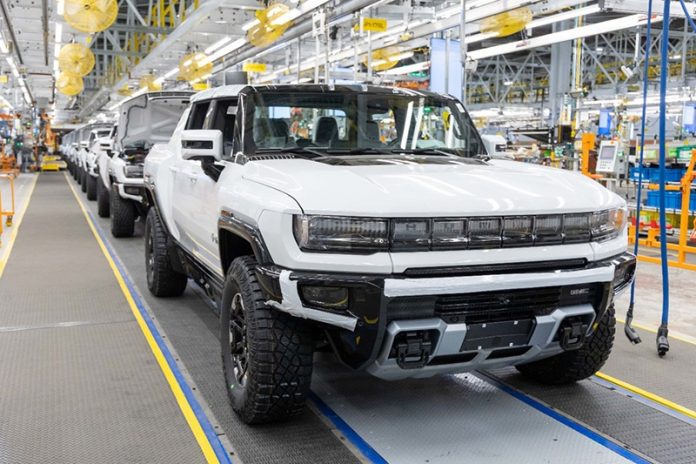
General Motors has announced a $4 billion investment across three U.S. assembly plants, part of a sweeping reshuffle of its North American manufacturing operations that includes relocating production of two vehicles currently built in Mexico.

The move comes as the automaker navigates increasing pressure from the Trump administration’s aggressive trade policies, including 25% tariffs on imported vehicles and many auto parts.

The new investment—set to span through 2027—will fund additional production of the gas-powered Chevrolet Blazer and Chevrolet Equinox at U.S. plants, while also converting a once-idled Michigan factory, initially designated for all-electric trucks, into a hub for gas-powered SUVs and trucks.

A source familiar with GM’s plans said production of the Blazer would fully shift from Mexico to the U.S., while Equinox assembly in the U.S. would augment, not replace, current output at the Ramos Arizpe plant in Mexico. GM has not clarified the future of the Mexican plant, but the shift is already being interpreted as a political and economic win for Trump’s tariffs, which came into effect earlier this year.

GM said the investment will allow it to produce more than two million vehicles annually in the U.S. by the end of the investment cycle.

From EV Dreams to Tariff Realities

The plan also signals a retreat from GM’s earlier aggressive push into electric vehicles. The Orion Assembly plant in Michigan, once projected to become the company’s second EV-exclusive facility, will now be retooled to manufacture gas-powered vehicles instead.

This marks a significant pivot at a time when GM had committed billions to electrification, echoing a wider trend in the auto industry, where automakers are walking back EV ambitions amid persistent cost pressures, regulatory uncertainty, and slower-than-expected consumer adoption.

GM insists the change is rooted in market realities and consumer demand. “Today’s announcement demonstrates our ongoing commitment to build vehicles in the U.S. and to support American jobs,” said CEO Mary Barra, noting that GM remains focused on giving customers a choice between electric and combustion-powered vehicles.

The Fairfax Assembly plant in Kansas will begin building the gas-powered Equinox in mid-2027, while the Spring Hill plant in Tennessee will add Chevrolet Blazer production in the same year.

Although GM refrained from directly linking its decision to political pressure, the timing leaves little room for ambiguity. With Trump’s 25% auto tariffs creating fresh uncertainties across the sector, GM has spent recent months analyzing its production footprint while executives adopted a cautious “wait and see” stance. That caution has now shifted toward tactical adjustments.

The investment is being viewed by analysts as both a nod to economic nationalism and a response to policy headwinds.

“We believe the future of transportation will be driven by American innovation and manufacturing expertise,” Barra said, indirectly echoing themes Trump has championed since returning to the White House.

GM maintained its 2025 capital spending forecast at between $10 billion and $11 billion but now expects annual spending between $10 billion and $12 billion through 2027, likely to accommodate the new reshuffling of its manufacturing plans.

Balancing Tariffs and Strategy

During a recent Bernstein investor event, GM CFO Paul Jacobson downplayed the panic surrounding the tariffs, saying the impact may not be “as bad as the market reacted to.” He noted that GM could mitigate between 30% and 50% of tariff-related costs without new capital spending in the near term. However, this latest investment suggests the company is now taking longer-term steps to restructure its operations to absorb ongoing policy risks.

Meanwhile, Mary Barra hinted that despite the challenges, the new trade landscape may also open doors. “You’re going to see us be very resilient… and seize opportunities where the vehicles are so successful,” she said, referencing strong demand for GM’s gas-powered SUVs.

The automaker’s shift also highlights how tariff threats and shifting trade alliances are accelerating broader recalibrations in global supply chains—particularly as automakers like GM look to de-risk from over-dependence on Mexico and shore up domestic production capacity in anticipation of further regulatory turbulence.

This U.S. manufacturing push not only burnishes GM’s credentials as a patriotic brand under political scrutiny but also aligns it with a growing realization in the auto industry: that consumer preference for gas-powered SUVs remains strong, even as EV investments are scrutinized for long-term profitability.