

DD
MM
YYYY

PAGES

DD
MM
YYYY

spot_img

PAGES

Home Blog Page 1081

Tesla Appeal to Senate As Solar Business Faces Threat from Republican Bill Targeting Clean Energy Tax Credits

0
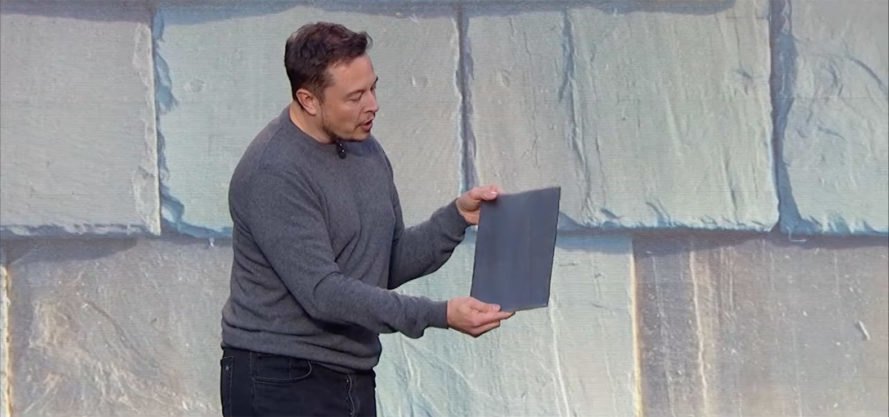
Elon Musk, Founder of Tesla

Tesla’s clean energy business, once a quietly growing part of Elon Musk’s corporate empire, is facing its most serious political threat yet — a direct result, many observers say, of Musk’s vocal alignment with the American Right and the Republican Party’s aggressive push to dismantle climate policies.

House Republicans last week passed a sweeping reconciliation bill that seeks to unravel much of the Inflation Reduction Act (IRA), the landmark 2022 law that unlocked billions in clean energy tax credits. If passed by the Senate in its current form, the bill would slash incentives for both residential and utility-scale solar — incentives that have powered Tesla Energy’s rapid rise amid softening demand for its electric vehicles.

Tesla’s solar and energy storage unit reported $2.7 billion in revenue in the first quarter of 2025, up 67% from a year earlier. But that surge now hangs in the balance. The proposed bill would end residential solar credits four years earlier than planned and impose immediate constraints on developers, requiring construction to begin within 60 days of the law’s passage.

In public, Tesla has issued pleas for a “sensible wind down” of the tax credits to avoid undercutting deployment of solar and grid-scale batteries, which the company says are essential to American energy independence and the country’s ability to support rising AI-powered infrastructure.

Musk’s Alliance with the Right

But behind the industry backlash lies a political calculus that is increasingly scrutinizing Elon Musk himself — a billionaire entrepreneur whose public allegiance to Trump and the far-right policy orbit is now being viewed as self-defeating.

Over the past two years, Musk has openly embraced key figures of the American Right, including Donald Trump, whose administration has made fossil fuel expansion a top priority. Musk has amplified far-right influencers on X (formerly Twitter), rolled back misinformation rules that had been used to curb climate denial, and criticized environmental regulations and government subsidies — even as his companies continue to benefit from both.

While Tesla was founded on the premise of accelerating the world’s transition to clean energy, its CEO has increasingly positioned himself in a political lane hostile to those very goals. That contradiction is now coming to a head.

Trump-era figures and many Republicans in Congress have never disguised their skepticism — or outright hostility — toward green subsidies. Trump himself has routinely mocked electric cars, dismissed climate change as a hoax, and rolled back Obama-era fuel efficiency rules during his first term.

Now again, Trump and the GOP lawmakers have stepped up efforts to undercut the climate law that President Joe Biden made a centerpiece of his economic agenda. That law has catalyzed more than $300 billion in clean energy investments nationwide.

Musk, despite knowing the risks, has remained a vocal supporter of the movement seeking to tear it down.

Growing Apathy and Market Fallout

This has also affected Tesla, shifting the EV’s support base. Once hailed as a climate hero and innovation icon, Musk’s image has become polarizing, especially among younger, left-leaning climate-conscious consumers who once made up Tesla’s core market.

Surveys show declining enthusiasm for Tesla among Democrats and centrists. Meanwhile, Republican-led attacks on the EV industry, from rolled-back fuel standards to derailed charging infrastructure plans, have left Tesla exposed to a hostile political climate it arguably helped shape.

On Wall Street, the signs are already visible. Solar stocks have plummeted this year amid fears that the IRA’s provisions may be repealed. Enphase is down 45%, Sunrun has dropped 25%, and First Solar is off by 15%. Tesla’s energy arm, heavily reliant on those same credits, faces similar headwinds.

The irony is that Tesla, often cited as the single biggest success story of the clean energy transition — is now lobbying frantically to preserve policies that its CEO has politically abandoned.

“Abruptly ending the energy tax credits would threaten America’s energy independence and the reliability of our grid – we urge the Senate to enact legislation with a sensible wind down of 25D and 48E,” Tesla Energy wrote.
“This will ensure continued speedy deployment of over 60 GW capacity per year to support AI and domestic manufacturing growth.”

But many Senate Republicans appear unmoved, and Democrats have only a narrow majority with which to fight off the repeal effort. The reconciliation bill’s future remains uncertain, but the political climate is undeniably shifting against Tesla — and much of that shift can be traced to the man at the center of it all.

The Cost of Political Contradictions

Musk’s business empire was built, in no small part, on government intervention. A $465 million federal loan jumpstarted Tesla in 2009. Since 2012, Tesla has earned nearly a third of its $32 billion in profits from selling emissions credits to other automakers. The IRA’s generous tax incentives helped turbocharge its clean energy division at a moment when EV sales are weakening globally.

Yet Musk has increasingly painted government support as unnecessary or unwise, arguing that markets, not policy, should determine success. This philosophical detour, while popular in libertarian and far-right circles, now threatens to undermine the very industries he leads.

Whether the Senate preserves the IRA’s clean energy credits or allows them to be gutted, Tesla is already suffering the reputational and strategic fallout of Musk’s political choices. And with Trump’s influence growing again on Capitol Hill, the pressure on Tesla’s energy division, once its quiet success story, appears to only just beginning.
AfDB Warns Nigeria to Brace for 75% Interest Payment Burden in 2025 as Debt Servicing Soars

0

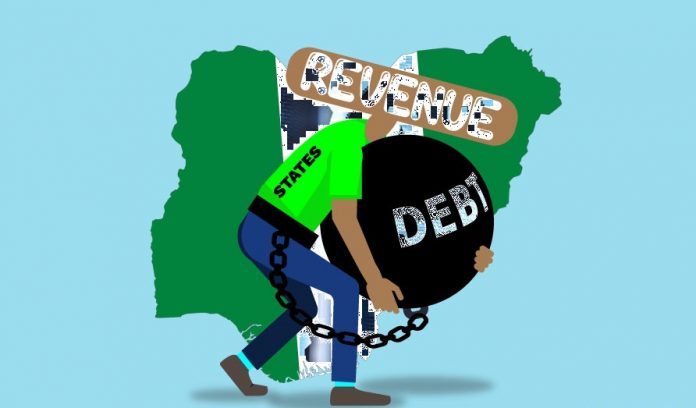
The African Development Bank (AfDB) has sounded fresh alarms over Nigeria’s rising debt burden, warning that the country may spend as much as 75% of its revenues on interest payments alone in 2025—a level that risks choking public spending and stalling economic recovery.

The warning is contained in the AfDB’s 2025 African Economic Outlook, which highlights how countries with seemingly manageable debt-to-GDP ratios can still face unsustainable debt conditions when revenues are persistently low and debt servicing costs rise sharply.

“Nigeria presents a classic case in point. In 2025, the country’s public debt was projected at 47 percent of GDP. In contrast, three quarters of federal government revenues were projected to be spent on federal government interest payments,” the report stated.

This latest caution from Africa’s leading development finance institution comes as President Bola Tinubu’s administration pursues an aggressive borrowing agenda that could push Nigeria’s total public debt above N180 trillion in the coming months.

The Tinubu administration said it is seeking $21.5 billion in new external loans, alongside a N758 billion bond issuance and an additional $2 billion in domestic borrowing, to fund critical infrastructure projects and settle legacy obligations such as pension arrears.

The government has defended the move, citing urgent national needs, including financing infrastructure gaps, modernizing transport systems, completing energy projects, and addressing long-standing public sector liabilities like unpaid pensions. But experts warn that the sheer scale of the proposed borrowing could significantly worsen the country’s debt outlook.

If approved and drawn down, these facilities—especially the dollar-denominated loans—could catapult Nigeria’s total debt stock beyond N180 trillion, up from N144.7 trillion, as of December 2024, according to the Debt Management Office (DMO).

Although the AfDB acknowledges that Nigeria’s debt-to-GDP ratio of 47% may appear sustainable when compared to some advanced economies, it insists that the real concern lies in the country’s weak revenue base, which leaves little room for fiscal maneuverability.

“Debt interest and amortization payments are not necessarily tied to the size of GDP but are made from government revenue,” the report stated, warning that such conditions can create a situation where governments are locked into repaying loans without sufficient funds left for development or essential services.

The Bank further noted that while some African countries benefitted from declining debt ratios between 2022 and 2023 due to favorable interest-growth dynamics, this trend is fragile and could easily reverse if economic growth slows or global interest rates rise. “Reckless fiscal behavior and excessive borrowing, especially on commercial terms, could undermine progress,” it warned.

Foreign Reserves Under Pressure from Debt Payments

New data from the Central Bank of Nigeria (CBN) shows that $2.01 billion was spent on external debt servicing between January and April 2025, a 50% surge from $1.33 billion in the same period in 2024.

Debt servicing accounted for 77.1% of total international payments made by the government in the first four months of 2025, compared to 64.5% in the corresponding period the year before. Overall FX outflows during the period stood at $2.60 billion, with external debt repayment alone wiping out a significant portion of Nigeria’s dollar reserves.

The consequence is a growing crowding out of other critical FX needs, including trade transactions, education remittances, medical tourism, and industrial imports. The country’s reserves were depleted by $3 billion in just four months, largely to service maturing external obligations.

Future Debt Trap Looms

Experts are increasingly warning that unless the Tinubu administration recalibrates its fiscal strategy, Nigeria risks falling into a debt trap, where new loans are simply used to refinance old ones, leaving the country with little to no room for actual investment.

Already, the debt service-to-revenue ratio is among the highest in the world, and the cost of debt—both in naira and foreign currency—continues to rise. The naira’s devaluation since the unification of the FX market in mid-2023 has further inflated the domestic currency equivalent of Nigeria’s external debt, compounding repayment pressures.

The World Bank and International Monetary Fund have previously cautioned Nigeria to increase its domestic revenue mobilization and cut back on non-essential borrowing. Despite these warnings, the Tinubu administration maintains that borrowing remains crucial for delivering on its infrastructure and welfare agenda.

Economists warn that in the short term, these ambitious borrowing plans if pursued without complementary fiscal reforms and transparent execution, could worsen Nigeria’s debt profile, limit capital investment, and strain the economy’s already fragile recovery path.

This Crypto Rival to Shiba Inu, That Recently Blew Up with Top-Tier CEX Listings, Could Soar Another 1700% in May: Buy Like There’s No Tomorrow?

0

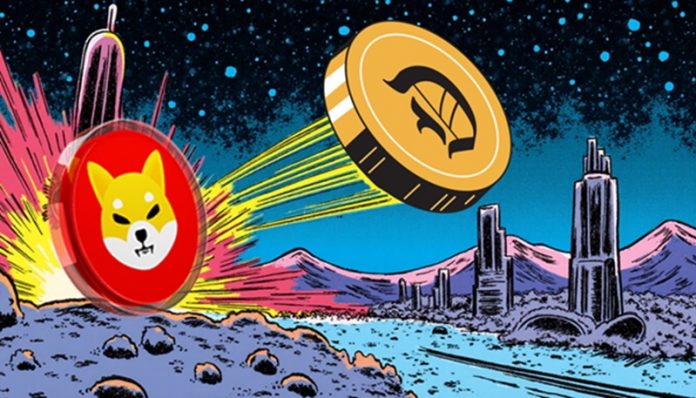
There’s been a growing sentiment across crypto circles about a rising meme token giving Shiba Inu real competition.

Currently trading on major platforms with solid traction, it has gained momentum in the last few weeks. Salamanca, a BSC-based meme project inspired by the infamous Salamanca cartel, has stirred massive interest with strong community backing and top-tier listings.

With talks of further gains this month, this opportunity should be treated as one not to miss.

Understanding the Salamanca Project

Salamanca is not just another meme coin riding the trend wave. The project has crafted its identity around the iconic Salamanca family from Breaking Bad and Better Call Saul, tapping into pop culture with a sharp edge. It combines entertainment appeal with blockchain fundamentals, aiming to lead in the Binance Smart Chain meme sector.

Built on BSC with a fixed supply of 1,000,000,000 tokens, Salamanca’s $DON token is designed for rapid market growth. The project’s vision goes beyond memes, it intends to establish itself as the top meme asset on BSC. Its early traction shows promise, and the groundwork being laid now signals bigger plans for the months ahead.

Recent Listings and Price Performance

$DON is already listed on three major platforms: Gate.io, MEXC, and Pancakeswap. These listings have fueled growing liquidity and visibility, giving the token strong early footing.

According to CoinMarketCap, it trades around $0.001009. Over the week, it has swung between $0.0009895 and $0.001132. This range offers a strategic entry point before a potential breakout.

Trading volume is robust, currently above $3.6 million, and projections for a 2000% rally are being taken seriously by analysts. If momentum pushes it above $0.001132, a run toward its all-time high of $0.008522 could be next. On the flip side, if buying slows, support may hold around $0.0009895, a level from which a solid rebound has been observed previously.

What drives many meme coins forward is not just utility, but community. Salamanca boasts a strong social presence with thousands of active followers on X. Its Telegram group has already crossed 20,000 members, fostering discussions, updates, and organic hype that keeps investor interest alive.

This engaged community acts as a backbone for price movements and provides a steady stream of attention. It also contributes to increased awareness ahead of larger exchange listings, particularly with Binance possibly being next.

Why Salamanca Could Be the Breakout Meme Coin of 2025

Positioned as the best BSC meme coin of 2025, Salamanca ticks all the right boxes. Its narrative is culturally powerful, its tokenomics are tight, and its momentum across major exchanges is evident. The prospect of a Binance listing adds more weight to its trajectory and could unlock even wider adoption in the coming weeks.

With a focused roadmap, increasing volume, and room for a substantial upside move, Salamanca is being closely watched.

A 1700% to 2000% price increase may not be far-fetched given current dynamics and market sentiment. Investors looking for the next breakout meme coin should pay close attention to Salamanca now, before another major price leg takes off.

Bergen County’s Tokenization of $240B In Property Deeds On AVAX Is A Landmark Step Toward Modernizing Real Estate

0

Bergen County, New Jersey, has partnered with blockchain firm Balcony to tokenize 370,000 property deeds, representing $240 billion in real estate, on the Avalanche (AVAX) blockchain. This five-year initiative, announced on May 28, 2025, is the largest blockchain-based deed tokenization project in U.S. history. It aims to digitize records across 70 municipalities, serving nearly one million residents.

The project, supported by Avalanche’s AvaCloud and backed by the Blizzard Fund, reduces deed processing times from 90 days to one, enhances security against fraud and cyberattacks, and improves transparency. Balcony’s platform has already uncovered nearly $1 million in lost revenue in Orange, NJ, due to outdated records. The initiative is part of a broader effort across New Jersey, with over 460,000 deeds tokenized, totaling $290 billion in value, including municipalities like Camden and Morristown. This move aligns with a growing trend of real-world asset (RWA) tokenization, projected to reach $18.9 trillion by 2033, with real estate as a key sector.

The tokenization of $240 billion in property deeds on the Avalanche (AVAX) blockchain in Bergen County, New Jersey, has significant implications, both positive and challenging, and highlights a growing divide in technology adoption, economic access, and societal impact. Tokenizing property deeds reduces processing times from 90 days to one day, cutting bureaucratic delays and administrative costs for municipalities and residents. This could set a precedent for other counties and states to adopt blockchain for public records.

As seen in Orange, NJ, where Balcony’s platform identified nearly $1 million in lost revenue, tokenization can uncover financial discrepancies, improving fiscal accountability. Blockchain’s immutable ledger enhances security against deed fraud and cyberattacks, protecting property owners from title disputes or unauthorized changes. Transparent, digitized records allow easier access for residents, auditors, and regulators, fostering trust in local governance.

This project is part of a broader trend where real estate, valued at $240 billion in this case, is tokenized, contributing to a projected $18.9 trillion RWA market by 2033. Tokenization could unlock liquidity by enabling fractional ownership, attracting investors to real estate markets. The initiative may draw blockchain-related businesses and jobs to New Jersey, positioning it as a hub for innovation. As the largest U.S. deed tokenization project, Bergen County’s success could inspire other regions to adopt blockchain, potentially modernizing property records nationwide.

This aligns with global trends in countries like the UAE and Singapore, where blockchain is used for land registries, suggesting a shift toward decentralized systems in governance.  Tokenization requires digital infrastructure, including reliable internet and technical literacy. Rural or low-income areas in Bergen County or beyond may lack the resources to engage with blockchain-based systems, potentially excluding residents from benefiting.

Understanding blockchain and tokenized deeds requires technical knowledge. Without adequate education or outreach, some residents—particularly older or less tech-savvy populations—may struggle to navigate the system. Tokenization could enable fractional ownership, but access to investment opportunities may favor wealthier individuals or institutions with the capital and knowledge to participate, potentially widening wealth gaps.

While the project reduces long-term costs, initial implementation (training, infrastructure, and maintenance) may strain municipal budgets, disproportionately affecting underfunded areas. Blockchain-based deeds may face inconsistent legal recognition across states or countries, creating friction for property transactions involving non-tokenized jurisdictions. While blockchain enhances transparency, it raises questions about data privacy. Residents in marginalized communities may distrust systems that expose property data, fearing misuse or discrimination.

While Bergen County and others like Camden and Morristown are early adopters, smaller or less progressive municipalities may lag, creating uneven access to modernized systems across New Jersey. Traditional stakeholders (e.g., title companies, real estate firms) may resist blockchain adoption due to disruption of their business models, slowing broader implementation.

The tokenization of $240 billion in property deeds on AVAX is a landmark step toward modernizing real estate records, offering efficiency, security, and economic potential. However, it risks deepening digital, economic, and regulatory divides unless proactive measures ensure inclusivity. By addressing these challenges, New Jersey could model how blockchain can transform governance equitably, setting a global standard.

Tinubu Establishes N100bn National Credit Guarantee Company, Appoints Yakubu Dogara as Chairman

0

President Bola Ahmed Tinubu has launched a new institution aimed at transforming Nigeria’s credit environment, with the establishment of the National Credit Guarantee Company Limited (NCGC)—a financial vehicle designed to unlock credit for businesses and households long shut out of Nigeria’s lending system.

According to a statement released Thursday by the Presidency, former Speaker of the House of Representatives, Rt. Hon. Yakubu Dogara, has been appointed Chairman of the NCGC board, while Mr. Bonaventure Okhaimo will serve as Managing Director and Chief Executive Officer. The institution is backed by an initial capital base of N100 billion, sourced from a consortium of government-backed institutions.

“President Bola Ahmed Tinubu has approved the establishment of the National Credit Guarantee Company Limited (NCGC), a transformative institution designed to de-risk lending and boost access to finance for Micro, Small and Medium Enterprises (MSMEs), Small Corporates, Manufacturers, Consumers and Large Enterprises across Nigeria,” the statement read.

The NCGC is intended to address Nigeria’s chronic access-to-credit problem, especially for the underbanked and underserved. The company will help reduce the risk banks face in lending to small businesses and individuals, by providing guarantees on loans, thereby promoting a more inclusive financial system.

According to the Presidency, the NCGC aligns with Tinubu’s 2025 New Year message, where he pledged to “unlock credit access and stimulate inclusive economic growth.” The company will target MSMEs, which constitute over 90% of businesses in Nigeria, as well as larger corporates, manufacturers, and consumers who lack access to affordable credit.

In addition to expanding financial inclusion, the company is expected to strengthen confidence in the financial system, promote industrialization, generate employment opportunities, and target specific demographics like women and youth, who have traditionally faced difficulty securing loans due to lack of collateral or credit history.

Key Appointments to Board and Management

President Tinubu has named a mix of public-sector technocrats and private-sector experts to drive the NCGC’s mission. In addition to Dogara and Okhaimo, the executive management includes:

  • Mrs. Tinoula Aigwedo, appointed Executive Director of Strategy and Operations.
  • Dr. Ezekiel Oseni, named Executive Director, Risk Management.
  • Ms. Yeside Kazeem, a seasoned actuarial expert, will serve as an Independent Non-Executive Director.

The President also appointed representatives from Nigeria’s leading financial institutions and government investment arms as non-executive board members:

  • Mr. Aminu Sadiq-Umar, Managing Director of the Nigeria Sovereign Investment Authority (NSIA).
  • Dr. Olasupo Olusi, Managing Director of the Bank of Industry (BOI).
  • Mr. Uzoma Nwagba, Managing Director of the Nigeria Consumer Credit Corporation (CrediCorp).
  • Mrs. Oluwakemi Owonubi, representing the Ministry of Finance Incorporated (MOFI).

The NCGC’s N100 billion initial capital is jointly funded by MOFI, NSIA, BOI, and CrediCorp. In a further boost to its institutional credibility, the World Bank Group is providing technical assistance, drawing on global experience with credit guarantee schemes to help establish regulatory frameworks and operational best practices.

The support from the World Bank is expected to help NCGC develop risk-sharing frameworks, performance benchmarks, and transparency tools to monitor the effectiveness of guarantees issued and to avoid moral hazards in loan issuance.

Reforming Nigeria’s Credit Sector

The creation of the NCGC comes at a time when Nigeria’s credit penetration remains critically low, with just 3 to 5 percent of Nigerians having access to formal credit, according to industry estimates. Collateral demands, high interest rates, and underdeveloped credit scoring systems have been major obstacles to growth.

While the Central Bank of Nigeria has attempted credit interventions through the Anchor Borrowers Programme and other lending schemes, the outcomes have been mixed, often plagued by repayment defaults and political interference.

By design, the NCGC is intended to act independently, using a risk-based framework to guarantee loans issued by commercial banks and microfinance institutions, thereby creating a viable lending ecosystem where banks can lend confidently and borrowers can access finance without excessive collateral requirements.

The establishment of the NCGC is also expected to complement President Tinubu’s recent move to launch the Nigeria Consumer Credit Corporation (CrediCorp), a parallel initiative focused on improving consumer credit access. Together, the two institutions are part of broader economic reforms aimed at boosting domestic demand, supporting small business growth, and fostering financial inclusion.