DD
MM
YYYY

PAGES

DD
MM
YYYY

spot_img

PAGES

Home Blog Page 1098

Early Bitcoin, XRP, and Dogecoin Investors Waited a Decade to Build Life-Changing Wealth; Holders of This Crypto Will Do It By Q4

0

In the ever-evolving world of cryptocurrency, each cycle brings a few rare tokens that challenge conventional expectations by appreciating value and shifting the landscape. Bitcoin did this in 2011. XRP followed suit in 2017. Dogecoin gained cultural relevance as a meme coin in 2020. In 2025, Little Pepe ($LILPEPE) is quietly executing a more ambitious mission: not to mimic those before it, but to build a fully operational Layer-2 blockchain tailored to the meme coin economy—and do it faster than anyone expects.

From Meme to Movement: Why LILPEPE is More Than Just Hype

Dogecoin and Shiba Inu paved the way for meme coin culture to flourish. But these early pioneers left huge gaps in utility and scalability. Dogecoin is famous, yet its code remains stuck in the past and has not received any major upgrades. Shiba Inu investors continue to hype Shibarium, yet the platform consistently struggles with poor infrastructure and scaling issues. Little Pepe was designed to tackle the daily headaches meme coin fans face. The Layer-2 network puts speed, low fees, and full features right at the fingertips of traders and community builders.  LILPEPE spins up an EVM-compatible chain that runs at lightning speed and incurs almost no costs. That’s great news for developers who want to launch new ideas or move existing projects over from Ethereum. It also eliminates one of the most predatory aspects of meme coin trading: sniper bots. Little Pepe’s custom-built framework removes the technical loopholes that allow these bots to outperform retail investors—a powerful incentive for both new investors and developers alike.

Tokenomics That Align with Community and Growth

What makes Little Pepe different from the endless stream of meme tokens? The project’s token setup is open and easy to follow. A chunk goes to the presale, another piece adds liquidity on exchanges, and the rest fuels staking rewards plus long-term community incentives. There are no sneaky buy or sell taxes or shady dev wallet hiding extra coins. It’s just plain math, not a giveaway for early insiders. The current presale in Stage 2 is priced at $0.0011, with nearly 80% of allocated tokens already sold. Early backers are quickly scooping up the remaining tokens at this stage as anticipation builds around its upcoming exchange debut. The presale not only serves as a fundraising mechanism—it’s also a means to ensure community-driven distribution at the foundational level of the ecosystem. Every transaction on the Little Pepe network—from token launches to staking—runs on $LILPEPE. This utility essentially links token demand to real, on-chain activity, rather than hype. The stronger that link gets, the sturdier and more lasting the token’s growth tends to be.

A Layer-2 Ecosystem Designed for Meme Coin Dominance

Unlike other meme tokens that exist solely as assets, $LILPEPE powers an entire blockchain explicitly designed for the meme economy. The Little Pepe chain offers a complete suite of tools for meme coin developers, including:

  • A dedicated launchpad for new meme tokens
  • Instant EVM compatibility, enabling fast deployment
  • Ultra-low fees for both developers and users
  • Bot-resistant architecture, leveling the field for fairer trading

This is the first Layer-2 blockchain designed entirely around the needs of meme coin culture. Projects that would otherwise struggle with gas fees, technical onboarding, or bot manipulation on Ethereum now have a home on Little Pepe. Every interaction—whether it’s a new token launch, a meme NFT mint, or a staking contract—feeds demand for the $LILPEPE token. Due to the chain’s robust backbone, developers are already discussing Layer-3 upgrades that could introduce meme-minded DeFi applications, cross-chain bridges, and even DAO-run voting systems. That kind of planning is a big hint that Little Pepe won’t fade out after one meme season; roomy foundations like this usually grow into year-after-year ecosystems.

Big Exchange Listings Confirmed—and More Expected

LILPEPE is already ahead of most meme tokens, having secured confirmed listings on two top-tier centralized exchanges and launched on Uniswap. This immediate availability on both CEX and DEX platforms significantly expands its reach across the global crypto user base. Few meme tokens have entered the market with such a robust plan for liquidity and visibility. Moreover, industry whispers suggest that the team is actively pursuing additional Tier 1 exchange listings, potentially including the world’s largest exchange. While details remain under wraps, the trajectory is clear: Little Pepe is not content with being a niche meme coin. It’s aiming for a top 100 placement on CoinMarketCap and long-term relevance in the broader altcoin space. The strategic alignment of presale momentum, exchange access, and an operational blockchain positions Little Pepe for fast-tracked adoption, both in retail and institutional markets.

Community, Culture, and the $777K Catalyst

Little Pepe isn’t just launching a blockchain—it’s igniting a cultural movement around meme coin empowerment. With a community-centered rollout and meme-rich branding, the project is tapping into the exact energy that made Dogecoin and Shiba Inu global sensations. But it doesn’t stop at branding. The team has launched a $777,000 giveaway campaign, awarding ten early supporters $77,000 each in $LILPEPE tokens. The new drive isn’t just about flashy ads; it’s a smart move to attract thousands of new users to the fold. The people who join now will help shape the first rules and uses of Little Pepe, and their excitement could kick off a loop where activity, value, and brand loyalty continue to grow.

Final Take

Little Pepe is everything a modern meme coin should be—and more. It combines the cultural explosiveness of Dogecoin with the technological power of Ethereum Layer 2s, while offering utility, fairness, and speed in a space that often lacks all three. While past meme coins required years to prove their worth, LILPEPE’s infrastructure, utility, and community allow it to make that leap within months. It’s not just another coin—it’s an ecosystem ready to lead the next chapter in meme coin history.


For more information about Little Pepe (LILPEPE) visit the links below:

Website: https://littlepepe.com

Whitepaper: https://littlepepe.com/whitepaper.pdf

Telegram: https://t.me/littlepepetoken

Twitter/X: https://x.com/littlepepetoken
Implications of Iran’s Crypto Trading Curfew

0

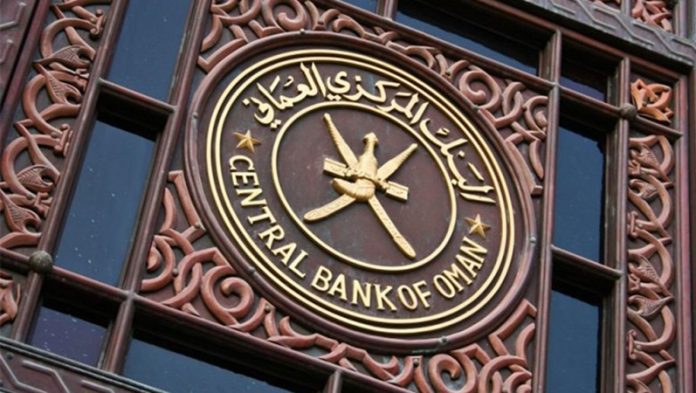
Iran’s central bank has ordered domestic cryptocurrency exchanges to restrict trading hours to 10 AM–8 PM following a $90–100 million hack on Nobitex, the country’s largest crypto platform, on June 18, 2025. The curfew aims to enhance oversight and reduce the risk of cyberattacks during off-hours when response times are slower. The hack, claimed by the pro-Israel group Gonjeshke Darande (Predatory Sparrow), was politically motivated, with funds sent to inaccessible “burner” wallets to disrupt Iran’s financial system rather than for profit.

Nobitex, processing over $11 billion in inflows, is a key hub for Iranians bypassing sanctions. The exchange has moved assets to cold storage and promised to cover losses via its reserve fund, though user access remains unavailable due to ongoing internet disruptions. Critics argue the curfew limits access to 24/7 global markets and may push users toward decentralized platforms.

Restricting trading to 10 AM–8 PM allows better monitoring during peak hours, potentially reducing hack risks by enabling faster response to suspicious activity. The Nobitex hack, executed during off-hours, exposed vulnerabilities in Iran’s crypto infrastructure. The curfew disrupts access to the 24/7 global crypto market, limiting trading opportunities for Iranians already constrained by sanctions. This could push users to unregulated decentralized exchanges (DEXs), which are harder to monitor and secure.

Iran’s crypto market, with Nobitex alone handling $11 billion in inflows, is a critical workaround for sanctions. Restricted hours may reduce liquidity and deter investors, potentially weakening this financial lifeline. Smaller exchanges may struggle to comply with new security mandates, consolidating market share to larger players like Nobitex.

The hack by Gonjeshke Darande, a pro-Israel group, highlights crypto’s role in geopolitical conflicts. Funds sent to burner wallets signal intent to disrupt rather than steal, escalating tensions in Iran’s financial ecosystem. The curfew may be seen as a defensive move, but it could also signal to adversaries that Iran’s crypto sector is vulnerable, inviting further attacks.

Users may turn to VPNs or offshore platforms to bypass restrictions, increasing exposure to scams or less secure environments. The curfew could accelerate adoption of decentralized finance (DeFi), complicating government oversight and tax collection. Government seeks control and security, prioritizing stability over user convenience. The central bank views crypto as both a sanction-evasion tool and a liability due to hacks.

Users value unrestricted access to global markets, especially for hedging against inflation and sanctions. The curfew frustrates retail traders reliant on flexible trading hours. Centralized Exchanges (e.g., Nobitex) benefit from regulatory compliance but face operational constraints and are prime hacking targets due to large asset pools.

Decentralized Platforms gain appeal as users seek alternatives, but lack of oversight increases risks of fraud and technical errors. Iran’s restrictions contrast with the crypto ethos of borderless, 24/7 trading, isolating its users from global trends. The hack’s geopolitical motive underscores how Iran’s crypto market is a battleground for international actors, unlike the relatively neutral global crypto space.

The curfew reflects a broader tension: balancing cybersecurity with financial freedom. While protecting against hacks, it limits economic agency for Iranians navigating a sanctioned economy. The curfew may bolster short-term security but risks alienating users and driving them to less regulated platforms, undermining Iran’s crypto ecosystem.

German President’s Call for Closer Japan Relations

0

German President Frank-Walter Steinmeier, during a three-day visit to Tokyo in June 2025, called for stronger ties with Japan to address shared geopolitical challenges. Meeting with Prime Minister Shigeru Ishiba, Steinmeier highlighted concerns like Russia’s war in Ukraine and North Korea’s nuclear ambitions, emphasizing that security and prosperity in Europe and East Asia are interconnected. He noted ongoing progress, including the first German-Japanese government consultations in 2023 and a defense agreement for mutual logistical support. Ishiba echoed the sentiment, stating bilateral relations have grown stronger since Steinmeier’s 2017 appointment.

Steinmeier’s push for stronger Germany-Japan ties signals a strategic alignment to counter shared threats, notably Russia’s aggression in Ukraine and North Korea’s nuclear provocations. This reflects a broader trend of democracies coalescing to address authoritarian challenges, potentially strengthening multilateral frameworks like the G7, where both nations are active. The 2023 government consultations and defense agreement for mutual logistical support indicate deepening military and security collaboration. This could lead to joint exercises, intelligence sharing, or coordinated responses to regional crises, enhancing deterrence in both Europe and East Asia.

Closer ties could boost trade, investment, and innovation, especially in areas like green energy, AI, and critical supply chains (e.g., semiconductors). Japan’s technological prowess and Germany’s industrial base are complementary, potentially reducing reliance on adversarial economies like China. A fortified Germany-Japan partnership could amplify their collective voice in global governance, advocating for rules-based order, human rights, and climate action. This may also encourage other middle powers to align with democratic coalitions.

The call for unity underscores a growing divide between democratic nations and authoritarian regimes (e.g., Russia, China, North Korea). Germany and Japan’s alignment may provoke countermeasures, such as economic coercion or military posturing, particularly from China in the Indo-Pacific or Russia in Europe.

The Bavarian Alps experienced an unusually dry winter in 2024-2025, with record-low snowfall in several areas, according to meteorologists. At Zugspitze, Germany’s highest ski area, snowfall was below the previous record low from 1971-1972. The region saw only 470 liters of precipitation per square meter, close to the 1933-1934 record of 400 liters, marking the driest winter in over 90 years.

High-pressure systems led to increased sunshine hours and temperatures about 2°C warmer than the long-term average at summit locations. This aligns with broader trends of declining snowfall in the Alps, with a 34% decrease from 1920 to 2020, particularly pronounced below 2,000 meters. The climate crisis has warmed the Alpine region significantly, exacerbating snow loss and impacting water reserves and winter tourism.

In East Asia, Japan’s historical legacy (e.g., wartime aggression) could complicate regional acceptance of its enhanced global role, despite Germany’s support. South Korea and China may view Japan’s military cooperation with skepticism, potentially straining regional dynamics. Both nations face internal divides that could hinder bold cooperation. Germany grapples with economic pressures and political polarization, while Japan navigates a sluggish economy and an aging population. Public support for prioritizing international partnerships over domestic issues may waver.

Germany’s focus on Japan could create tensions with its EU and NATO allies, who prioritize countering Russia in Europe. Balancing commitments across two theaters may strain resources and highlight strategic divides within the West. While closer Germany-Japan ties promise strategic and economic benefits, they also deepen global democratic-authoritarian divides and risk regional and domestic friction. The partnership’s success hinges on navigating these fault lines while sustaining momentum in cooperation.

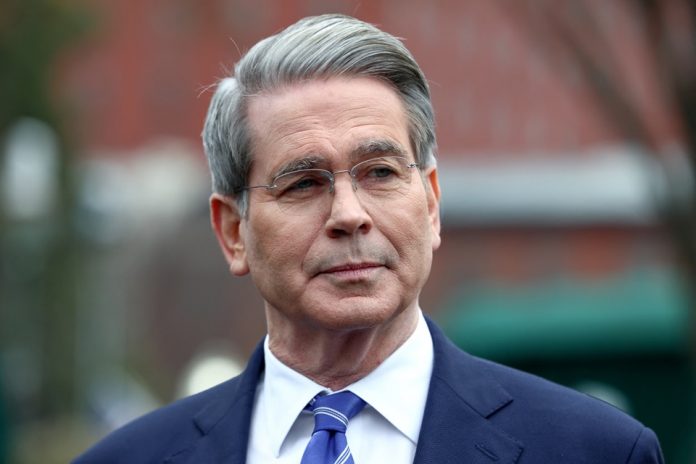
Scott Bessent Thinks Stablecoin could Reinforce the U.S. dollar’s Global Dominance Rather than Threaten It

0

U.S. Treasury Secretary Scott Bessent has publicly stated that cryptocurrencies, particularly stablecoins, could reinforce the U.S. dollar’s global dominance rather than threaten it. In a video interview posted to X on June 18, 2025, Bessent argued that stablecoins, which are typically pegged to the U.S. dollar, could become significant buyers of U.S. Treasuries, thereby increasing demand for U.S. government debt and strengthening the dollar’s position in the global economy.

He emphasized that this could “lock in” dollar supremacy, especially as stablecoins facilitate dollar-based transactions worldwide, such as in Nigeria, without requiring physical dollars. Bessent’s remarks align with President Donald Trump’s pro-crypto stance and came a day after the U.S. Senate passed landmark stablecoin legislation, the GENIUS Act, on June 17, 2025. He also criticized the Biden administration for attempting to stifle crypto innovation, suggesting that embracing digital assets is key to maintaining U.S. financial leadership.

Scott Bessent’s belief that cryptocurrencies, especially stablecoins, will reinforce U.S. dollar supremacy carries significant implications for global finance, geopolitics, and domestic policy. Stablecoins, pegged to the U.S. dollar, incentivize global users to hold and transact in dollar-backed digital assets. Bessent highlighted in his June 18, 2025, X interview that stablecoins could become major buyers of U.S. Treasuries, increasing demand for U.S. debt and reinforcing the dollar’s role as the world’s reserve currency.

This could extend dollar dominance in emerging markets (e.g., Nigeria, as Bessent noted), where stablecoins facilitate dollar-based transactions without physical currency, reducing reliance on local currencies and central banks. A stronger dollar bolsters U.S. influence over global trade, sanctions enforcement, and financial systems, countering efforts by nations like China to promote alternatives (e.g., digital yuan).

Crypto as a U.S. Financial Asset

Bessent’s view aligns with the Trump administration’s pro-crypto pivot, evidenced by the GENIUS Act (passed June 17, 2025), which regulates stablecoins and encourages innovation. This contrasts with the Biden administration’s perceived hostility toward crypto, which Bessent criticized. By integrating crypto into the U.S. financial system, the U.S. could attract blockchain investment, talent, and infrastructure, potentially creating jobs and fostering a new tech-driven economic sector.

Stablecoin regulation ensures transparency and reserve backing, mitigating risks like those seen in past failures (e.g., TerraUSD), which could stabilize markets and build trust. Stablecoins bypass traditional banking rails, potentially reducing the role of commercial banks in cross-border payments and remittances. This could pressure banks to innovate or lose market share. While stablecoins may lock in dollar demand, they could complicate Federal Reserve control over money supply if digital dollars proliferate outside traditional channels.

The U.S. must balance innovation with oversight to prevent illicit use (e.g., money laundering), which could otherwise undermine the dollar’s credibility. Stablecoins enable unbanked populations in developing nations to access dollar-based financial systems via smartphones, promoting inclusion but also tying these economies to U.S. monetary policy. Increased reliance on dollar-backed stablecoins could deepen global dependence on the U.S. economy, potentially exacerbating vulnerabilities to U.S. policy shifts or sanctions.

Figures like Bessent, Trump, and crypto advocates (e.g., posts on X celebrate the GENIUS Act) see crypto as a tool to modernize finance, boost U.S. competitiveness, and lock in dollar supremacy. They argue stablecoins amplify the dollar’s reach without undermining its value. Traditional economists and regulators (e.g., some Federal Reserve officials) worry that crypto could destabilize markets, evade monetary policy, or enable illicit activity. They question whether stablecoins truly strengthen the dollar or merely shift control to private issuers like Tether or Circle.

As of June 2025, Tether (USDT) and USD Coin (USDC) dominate stablecoin markets, with over $150 billion in circulation, per web sources, underscoring their economic weight but also regulatory concerns about reserve transparency. The Trump administration, with Bessent as Treasury Secretary, champions crypto as part of a broader deregulation and innovation agenda. The GENIUS Act’s passage reflects GOP support for integrating crypto into U.S. finance, as seen in X posts from pro-Trump accounts praising the move.

Many Democrats, including Biden-era regulators, advocate stricter oversight, citing consumer protection and systemic risks. Some, like Senator Elizabeth Warren, have called crypto a haven for crime, creating a partisan split on policy. The GENIUS Act’s bipartisan Senate passage (June 17, 2025) suggests some convergence, but debates over enforcement and scope persist. Crypto purists on X and elsewhere argue that cryptocurrencies should challenge state-controlled currencies, including the dollar, by enabling decentralized finance (DeFi). They view Bessent’s dollar-centric vision as co-opting crypto’s revolutionary potential.

Bessent and establishment figures see crypto as a tool to extend, not disrupt, U.S. financial power. This aligns with Wall Street interests (e.g., BlackRock’s crypto ETFs) that seek to integrate digital assets into existing systems. The libertarian camp fears stablecoins, backed by U.S. policy, could centralize crypto markets, while statists worry that unregulated DeFi could undermine dollar stability.

Bessent’s vision positions the U.S. to lead the crypto economy, countering China’s digital yuan and Russia’s crypto experiments to evade sanctions. X posts from crypto analysts note that U.S. stablecoin dominance could marginalize rival digital currencies. Countries adopting crypto (e.g., El Salvador’s Bitcoin experiment) may resist dollar-backed stablecoins, fearing economic subordination, while others embrace them for stability and access.

Stablecoins could enhance U.S. sanctions enforcement by tracking dollar flows, but privacy-focused coins (e.g., Monero) could enable evasion, deepening global tensions. Bessent’s belief that crypto will lock in dollar supremacy signals a strategic embrace of digital assets to maintain U.S. financial dominance. The implications include stronger dollar demand, economic growth through innovation, and enhanced geopolitical leverage, but also risks like banking disruption and regulatory challenges.

CME Group Plans To Launch Spot-Quoted Futures On June 30

0

CME Group plans to launch Spot-Quoted futures on June 30, 2025, pending regulatory approval. These contracts will allow investors to trade futures positions in spot-market terms for bitcoin, ether, and major U.S. equity indices, including the S&P 500, Nasdaq-100, Russell 2000, and Dow Jones Industrial Average. The contracts are designed to be smaller-sized, capital-efficient, and can be held for up to five years without needing to roll, making long-term positions more accessible for retail investors.

The launch of CME Group’s Spot-Quoted futures for bitcoin, ether, and major U.S. equity indices, pending regulatory approval, has several implications for markets, investors, and the broader financial ecosystem. These futures are designed to be smaller than traditional futures, lowering the capital required to participate. This democratizes access to sophisticated financial instruments typically dominated by institutional investors.

The ability to hold contracts without rolling reduces costs and complexity, making it easier for retail investors to take long-term positions in volatile assets like cryptocurrencies or equity indices. Pricing futures in spot-market terms simplifies understanding and aligns with how retail investors already view these assets, reducing the learning curve. Introducing futures for bitcoin and ether alongside equity indices could attract more participants, increasing liquidity in these markets.

Higher liquidity typically reduces bid-ask spreads and improves price discovery. The five-year holding period may encourage longer-term strategies, potentially stabilizing price volatility in cryptocurrencies, which are often subject to short-term speculation. CME Group’s involvement, as a regulated exchange, further legitimizes bitcoin and ether in traditional finance. This could accelerate institutional adoption and encourage other exchanges to offer similar products.

Spot-Quoted futures may bridge the gap between crypto and traditional markets, attracting investors who were previously hesitant due to regulatory or operational concerns. Investors can use these futures to hedge exposure to cryptocurrencies or equity indices without directly owning the underlying assets. This is particularly valuable for portfolio managers balancing risk in volatile markets.

The long-term nature of the contracts allows for strategic hedging over extended periods, appealing to businesses or investors with long-term exposure (e.g., crypto miners or tech-heavy portfolios). Pending regulatory approval highlights ongoing scrutiny of crypto-related financial products. Approval could signal a more favorable regulatory environment, while delays or rejection might dampen market enthusiasm.

These futures operate in a regulated environment, which may contrast with decentralized crypto markets, potentially creating tension between regulated and unregulated ecosystems. CME’s move could spur competitors like CBOE or Binance to develop similar products, fostering innovation in derivatives markets. The inclusion of both crypto and equity indices in one product type may blur lines between asset classes, encouraging hybrid investment strategies.

Smaller contract sizes and simplified pricing make these futures more accessible to retail investors, reducing the historical divide between institutional and individual market participants. This could empower a broader demographic to engage with crypto and equity markets. Despite lower barriers, not all retail investors have the financial literacy, access to trading platforms, or disposable income to participate. This could exacerbate wealth inequality if only moderately affluent or educated investors benefit. Additionally, access may vary by region due to regulatory differences or platform availability.

By offering crypto futures alongside equity indices, CME Group integrates cryptocurrencies into mainstream finance, narrowing the divide between decentralized and regulated markets. This could attract traditional investors to crypto and vice versa. Crypto purists who value decentralization may view regulated futures as a co-optation of their ethos, reinforcing a philosophical divide between “TradFi” and “DeFi” communities. This could lead to parallel markets where unregulated crypto trading persists outside CME’s ecosystem.

The long-term, capital-efficient nature of these contracts levels the playing field, allowing retail investors to mimic institutional strategies (e.g., long-term hedging or speculation). Institutions with superior resources (e.g., high-frequency trading algorithms, market data subscriptions) may still dominate liquidity and price movements