DD
MM
YYYY

PAGES

DD
MM
YYYY

spot_img

PAGES

Home Blog Page 11

Amazon Raises Hardware Prices by Up to 60% as AI-Driven Memory Shortage Pushes Costs Higher

0

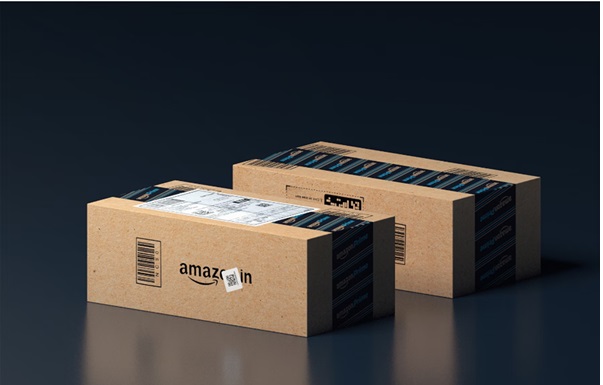
Amazon has sharply increased prices across several of its hardware product lines, with some devices becoming as much as 60% more expensive as the global shortage of memory and storage components raises manufacturing costs.

The increases, introduced over the weekend, affect products including Fire TV devices, Echo smart speakers, Kindle e-readers and Eero networking equipment. The changes mark a significant shift for Amazon, which has historically used relatively aggressive pricing on its consumer hardware to encourage adoption of its devices and broader ecosystem.

One of the clearest examples is the Echo Dot. Amazon raised the price of the smart speaker from $49.99 to $79.99, a 60% increase. Price-tracking services such as CamelCamelCamel show how sharply the price has moved compared with its previous levels.

Amazon attributed the increases directly to higher component costs.

“The consumer electronics industry is facing significant increases in memory and storage component costs,” the company told TechCrunch. “After absorbing these increases for as long as we could, we recently adjusted pricing across our product lines.”

Amazon said it would continue to offer occasional promotions to customers over the next year, suggesting that list prices may remain elevated while discounts become an important way of managing consumer demand.

The increases provide another indication that the artificial intelligence boom is now affecting the economics of mainstream consumer electronics. The explosive construction of AI data centers has driven enormous demand for memory and storage components, tightening supply for manufacturers of everything from servers to smartphones, smart speakers and televisions.

The resulting shortage, sometimes referred to as “RAMmageddon,” is raising the cost of components that had previously become increasingly inexpensive as manufacturing capacity expanded.

Memory manufacturers are now prioritizing higher-value products used in AI systems, including high-bandwidth memory, while broader demand for conventional DRAM and NAND storage remains strong. That combination has put pressure on supplies available to consumer electronics manufacturers.

For companies such as Amazon, the problem is difficult because hardware margins are often thin. A significant increase in memory and storage costs can therefore have a disproportionate impact on the profitability of devices unless manufacturers either absorb the additional expense or pass it on to consumers.

Amazon’s decision suggests it has reached a point where absorbing those costs is no longer sustainable across its hardware portfolio. The timing could also alter the economics of buying consumer electronics. Higher component costs are likely to make manufacturers more cautious about discounting products, potentially reversing years of falling or relatively stable hardware prices.

The pressure is not limited to Amazon.

Apple has also raised prices recently and has sought to soften the impact on consumers by introducing a device-leasing programme that allows customers to spread payments over time. That approach effectively shifts part of the affordability problem from the upfront purchase price to financing.

However, the implications extend beyond a single company’s products for consumers. If memory costs remain elevated, manufacturers across the electronics industry could face similar choices: raise prices, accept lower margins, reduce specifications, or delay product launches.

The supply pressure is closely linked to the economics of AI infrastructure. Technology companies are spending enormous amounts on data centers and computing capacity, creating demand for memory and storage at a scale that competes directly with consumer electronics supply chains. That creates an unusual situation in which a consumer buying a relatively inexpensive smart speaker is indirectly competing for the same broad semiconductor manufacturing capacity being consumed by the AI infrastructure buildout.

The shortage is expected to persist through 2027, with memory prices potentially peaking and stabilizing in 2028. If that forecast holds, manufacturers could face elevated component costs for several product cycles rather than a short-lived supply disruption.

For Amazon, the price increases also raise a strategic question about its hardware business. The company has historically treated devices such as Echo and Fire products as tools for expanding its ecosystem and driving engagement with services, rather than simply maximizing hardware profits. A 60% increase on a mass-market product such as the Echo Dot could make that strategy more difficult by putting devices out of reach for some consumers and reducing the incentive for existing customers to upgrade.

Amazon’s promise of periodic promotions may therefore become important. The company can maintain higher official prices while using temporary discounts to preserve demand during major shopping periods. But if component costs remain elevated for years, promotions alone may not be enough to restore the economics that made low-cost consumer hardware attractive.

The broader lesson is that the AI boom is increasingly creating costs outside the data-center industry. The competition for memory and storage capacity is moving through the supply chain and reaching ordinary consumer products, forcing companies to reassess prices that were once supported by abundant and relatively cheap components.


Trump Administration Proposes Over $100,000 H-1B Visa Fee, Raising Stakes for US Tech Talent

0

The Trump administration has proposed making a controversial H-1B visa fee of $103,265 permanent, a move that would dramatically increase the cost of hiring highly skilled foreign workers and could reshape how U.S. technology companies, universities and research institutions recruit talent from abroad.

The proposal, published Monday in the Federal Register, would replace the $100,000 fee President Donald Trump temporarily imposed on certain H-1B applications last year. It is now subject to a 30-day public comment period before the Department of Homeland Security can decide whether to issue a final rule.

The proposed charge would represent an extraordinary increase from the traditional cost of an H-1B application, which has generally ranged from about $2,000 to $5,000 depending on the employer and circumstances of the application.

The H-1B programme allows U.S. employers to hire foreign workers in specialty occupations, including technology, engineering, education, medicine and research. The programme provides 65,000 visas annually, with an additional 20,000 available to foreign workers holding advanced degrees from U.S. institutions. Visas are generally approved for three years and can be extended to six.

For employers that depend heavily on international recruitment, the proposed fee could fundamentally alter the economics of hiring foreign workers. Last year, some companies, including Walmart, paused hiring due to the decision.

A six-figure government charge would be particularly significant for startups, universities and research organizations that cannot absorb the cost as easily as large technology companies. It could also encourage companies to shift some hiring and development work outside the United States rather than incur the expense of bringing foreign employees into the country.

The administration’s proposal comes as the H-1B programme is already under considerable pressure.

Trump imposed a $100,000 fee last year, but federal courts subsequently blocked the administration from collecting it. A federal judge ruled in June that the fee was illegal, while an appeals court in Boston is reviewing that decision. A separate court is considering a challenge brought by a major business group after a Washington, D.C., judge rejected the case.

The new proposal could give the administration another mechanism for pursuing the same policy while potentially triggering a new round of litigation.

The legal dispute goes to the heart of the administration’s authority over the H-1B system.

The U.S. Chamber of Commerce, Democratic-led states, unions and employer groups have challenged the fee, arguing that the president’s authority to restrict the entry of foreign nationals does not allow the administration to override the statute establishing the H-1B programme.

The challengers also point out that the Department of Homeland Security cannot impose what amounts to a revenue-generating fee without explicit congressional authorization. The administration disputes that interpretation. It has argued that the charge is not a conventional tax and that the courts have limited authority to second-guess the president’s immigration powers.

The scale of the proposed increase is already having an effect on employer behavior.

According to administration court filings, U.S. Citizenship and Immigration Services had received only 85 payments of the $100,000 fee from 70 employers as of February 15. The relatively small number suggests that the previous fee has already discouraged some employers from pursuing H-1B hires.

H-1B demand has also fallen sharply under the administration’s broader immigration restrictions. Employers registered for about 344,000 H-1B visas last year, more than 25% below the number registered in 2024 and less than half the roughly 794,000 registrations recorded in 2023, according to USCIS data.

That decline is notable because the programme has historically been one of the main channels through which U.S. technology companies and other employers recruit specialized workers from overseas.

Trump and supporters of tighter immigration controls believe that the programme has been abused by companies seeking cheaper foreign labor and, in some cases, replacing American workers.

Business groups and many employers counter that the H-1B system addresses shortages in specialized occupations where U.S. companies cannot find enough qualified workers domestically. They also note that the ability to recruit internationally is essential for maintaining the United States’ position in technology, scientific research and other high-skilled industries.

The proposed fee therefore goes beyond an immigration policy dispute, with experts warning that it could become a competitiveness issue for the U.S. economy.

The technology sector is exposed because many companies depend on engineers, software developers, researchers and other specialized workers whose skills are in high demand globally. A significantly higher cost of bringing such employees into the United States could encourage companies to recruit talent in Canada, Europe, India and other technology centers instead.

It could also change the calculus for multinational companies deciding where to establish research and development operations.

The administration has simultaneously moved to make the H-1B system more selective. It has ordered enhanced vetting of applicants and proposed a selection system that would give greater weight to highly skilled and highly paid workers.

Earlier, DHS also proposed separate fees of up to $4,500 for certain applications involving H-1B workers seeking to extend their stay or transfer to the United States from overseas.

Together, the measures point toward a significantly more restrictive and expensive H-1B system, with the administration seeking to reduce what it views as low-value use of the programme while favoring highly compensated workers.

If the $103,265 fee survives the legal challenges and becomes permanent, hiring an H-1B worker would carry a government cost that in some cases could exceed the employee’s annual salary at smaller companies and research institutions. That would make the H-1B visa not simply an immigration pathway, but a major financial consideration in corporate hiring decisions.

Cramer Warns Rising Treasury Yields Are Becoming A Bigger Threat To Stocks As AI Borrowing And Oil Drive Inflation

0

CNBC’s Jim Cramer has warned investors that the bond market is becoming increasingly difficult to ignore as rising long-term Treasury yields, persistent inflation and heavy corporate borrowing linked to the artificial intelligence boom put additional pressure on U.S. equities.

“Normally, I don’t like to talk about bonds, because you don’t want to hear about bonds,” Cramer said Monday on CNBC’s “Mad Money.” “Unfortunately, it’s very important now that long-term interest rates are on the rise.”

The 10-year Treasury yield has climbed from below 4% in February to nearly 4.7%, while the 30-year yield recently moved above 5.3%, its highest level in almost two decades.

The rise in yields has become a growing concern for investors because it changes the relative attractiveness of stocks while increasing the discount rate applied to future corporate earnings. Higher Treasury yields can also raise financing costs for companies, potentially reducing investment and profitability.

The pressure has increasingly appeared in equity markets. The S&P 500 has fallen in five of its past seven trading sessions as investors reassess the outlook for interest rates and corporate earnings.

The bond market’s deterioration has also raised questions about demand for U.S. government debt. A recent 30-year Treasury auction attracted weaker demand than the previous month’s sale, even though yields remained elevated, adding to concerns that investors may require higher returns to absorb the government’s expanding borrowing needs.

The Treasury Department attempted to address some of those concerns last week by announcing that it would more than double planned purchases of longer-dated government securities. The announcement initially pushed Treasury yields lower and stocks higher, but the improvement quickly faded. Yields rose again on Thursday and Friday, suggesting investors remain focused on the underlying forces driving long-term borrowing costs rather than Treasury’s debt-management operation alone.

Cramer said the Treasury has limited ability to address those fundamental pressures.

“The only real solution to this problem is to either cut spending or raise more revenue and the Treasury can’t do either of those things on its own,” he said.

The size of the U.S. government’s debt is central to the concern. With the national debt now around $40 trillion, the government faces enormous financing requirements, meaning Treasury must continue issuing large quantities of securities to fund deficits and refinance maturing debt.

But Cramer pointed to two additional forces that could keep long-term rates elevated: higher oil prices and a surge in corporate borrowing to finance AI infrastructure.

Oil prices have risen sharply during the war with Iran, adding to inflationary pressure across the economy. Higher energy prices feed into transportation, manufacturing, and consumer costs, complicating the Federal Reserve’s efforts to bring inflation back toward its target. That creates a problem for both ends of the yield curve. Persistent inflation can keep short-term rates higher for longer, while investors may demand higher yields on longer-dated Treasurys to compensate for inflation risk and the government’s borrowing requirements.

The AI investment boom is adding another layer of pressure through corporate debt markets.

Technology companies and major hyperscalers are committing enormous sums to data centers, computing capacity, electricity infrastructure and other equipment needed to expand AI services. Some of that spending is being financed through debt issuance.

That means Treasury securities are now competing with corporate bonds for investors’ capital.

“As more incremental dollars go to shares or bonds from a hyperscaler, Treasury yields have to creep higher in order to stay competitive,” Cramer said.

The dynamic creates a feedback mechanism for equity markets. Higher Treasury yields make government bonds more attractive relative to stocks, while higher corporate borrowing costs make it more expensive for technology companies to finance AI infrastructure. That could become essential as investors demand evidence that the enormous capital expenditures associated with AI will eventually produce sufficient revenue and profits.

The issue is not simply the amount companies are spending. The cost of financing that spending matters as well. If interest rates remain elevated, the time required for large infrastructure investments to generate attractive returns can become longer, putting additional pressure on valuations.

Cramer said a sustained decline in long-term rates ultimately depends on reducing the inflation pressures that are keeping yields elevated.

“We want long-term interest rates to go lower, but that’s only gonna happen if we can get inflation under control by reopening the Strait of Hormuz, and that’s a tall order,” he said.

He also argued that the Treasury’s intervention may have unsettled investors rather than reassuring them.

“The Treasury Department’s attempts to get this under control I think have only made investors more nervous,” Cramer said.

The broader concern is that Treasury can alter the composition and timing of government debt issuance, but it cannot by itself eliminate the structural forces pushing yields higher. Fiscal deficits determine how much debt ultimately needs to be financed, while inflation, economic growth and monetary policy influence the returns investors demand for holding it.

That leaves the stock market vulnerable if long-term yields continue rising even without a recession.

Uniper and Equinor Strengthen Germany’s Long-Term Gas Supply

0

German energy company Uniper has signed a long-term natural gas supply agreement with Norwegian producer Equinor, marking another important step in Germany’s effort to secure reliable energy supplies as it navigates a changing European energy market.

Under the agreement, Equinor will deliver more than 30 terawatt hours of natural gas annually to Germany, with supplies scheduled to begin in 2027.

The deal highlights the growing importance of Norway as a major energy partner for Germany. Since the disruption of Russian pipeline gas supplies following Russia’s invasion of Ukraine, Germany has significantly diversified its energy sources.

Norwegian natural gas has become a crucial component of that strategy, helping German utilities and industries maintain access to dependable fuel while the country expands renewable energy and reduces its dependence on fossil fuels over the longer term.

For Uniper, the agreement provides greater visibility over future gas supplies. Natural gas remains important to Germany’s electricity system, particularly during periods when renewable generation from wind and solar is insufficient to meet demand.

Gas-fired power plants can respond relatively quickly to changes in electricity consumption, making natural gas an important balancing fuel as Germany continues its energy transition.

The agreement reflects the strategic relationship between Uniper and Equinor.

Norway has emerged as one of Europe’s most important suppliers of natural gas, with its production and pipeline network providing a relatively stable source of energy for countries seeking alternatives to Russian supplies.

Long-term contracts can provide buyers with greater supply security while giving producers predictable demand and revenue. The more than 30 terawatt hours of annual deliveries represent a substantial volume.

Particularly at a time when European energy markets remain sensitive to geopolitical developments, weather conditions and fluctuations in global gas prices. Securing supplies years ahead can therefore help energy companies manage some of the risks associated with market volatility.

The agreement comes against the backdrop of an ambitious energy transformation. Berlin is investing heavily in renewable energy, grid infrastructure, energy storage and other technologies designed to reduce emissions. However, the transition cannot happen overnight.

Natural gas is expected to remain part of the energy mix during the transition, particularly as Germany seeks to maintain industrial competitiveness and electricity-system reliability.

The agreement may have implications for German industry. Natural gas is not only used for electricity generation and heating but also serves as an essential feedstock and energy source for industries such as chemicals, manufacturing and other energy-intensive sectors.

Stable supplies can therefore contribute to greater certainty for companies making long-term production and investment decisions. The deal illustrates the complex balance facing European policymakers.

Germany must maintain energy security while pursuing climate targets and reducing fossil-fuel consumption. Long-term gas agreements can strengthen short- and medium-term security, but they also raise questions about how quickly Europe can shift away from hydrocarbons without creating shortages or excessive energy costs.

The Uniper-Equinor agreement demonstrates that natural gas will continue to play a significant role in Germany’s energy system well into the next decade. While renewable energy remains central to the country’s future.

Reliable gas supplies will help bridge the gap between today’s energy infrastructure and a lower-carbon system. Beginning in 2027, Norwegian gas will therefore provide not only additional supply but also another layer of security for Germany’s complex energy transition.

Nigeria’s Inflation Cools as Food Prices Remain a Major Pressure Point

0

Nigeria’s inflation rate continued its downward movement in July 2026, providing evidence that price pressures may be gradually easing across the economy.

Headline inflation fell to 15.43% year-on-year in July from 15.91% in June, a decline of 0.48 percentage points and the second consecutive monthly reduction.

The latest figure is also substantially below the 24.94% recorded in July 2025, highlighting the extent of the disinflation achieved over the past year.

On a month-on-month basis, inflation also moderated, falling to 1.57% in July from 1.66% in June. While prices are still increasing, the slower monthly pace indicates that the intensity of price growth has weakened.

The headline figure does not tell the full story of Nigeria’s inflation environment, as an acceleration in food prices offset some of the improvement recorded in other parts of the economy.

The clearest sign of easing underlying pressure came from core inflation, which excludes volatile food and energy prices. Core inflation dropped to 14.97% year-on-year in July from 15.92% in June. Its month-on-month performance was even more significant, falling to 0.15% from 1.66% in June.

This moderation suggests that improvements in currency stability and logistics are beginning to feed into the prices of non-food and non-energy goods and services. A more stable naira can reduce the cost pressures associated with imported inputs.

While lower logistics expenses can reduce the amount businesses need to spend moving goods through the country. If these conditions persist, companies may gain greater certainty over costs and consumers could gradually benefit from slower price increases.

Food inflation, remains a major concern. Instead of following the broader downward trend, food inflation accelerated sharply in July. Year-on-year food inflation climbed to 20.31% from 17.52% in June, while the month-on-month rate jumped to 5.56% from 3.75%.

The increase was driven by higher prices for several consumed products, including crayfish, pepper, onions, tomatoes, rice, garri and beef. Because food represents a substantial share of household spending in Nigeria.

Rising food prices can continue to place significant pressure on living standards even when headline inflation is declining.

The divergence between core and food inflation underscores the structural nature of Nigeria’s price challenges. Monetary and currency conditions can help moderate imported inflation and stabilize non-food prices.

But food costs are also heavily influenced by agricultural output, seasonal supply, transportation, storage, insecurity, distribution networks and market efficiency. The July data therefore represents both progress and a warning.

The decline in headline and core inflation suggests that stabilization efforts are producing results, but the renewed acceleration in food inflation shows that monetary measures alone cannot deliver broad-based price relief.

Maintaining the disinflation trend will require continued naira stability, alongside measures that increase agricultural productivity and improve food distribution. Investments in storage, roads, transportation and supply chains could reduce the losses and costs that ultimately reach consumers.

Nigeria’s July inflation report is therefore a mixed but important signal. The economy is moving toward slower overall price growth, particularly outside food, but households remain exposed to significant increases in essential goods.

The real test will be whether the current improvement can translate into lower and more predictable living costs. For millions of Nigerians, the success of disinflation will be measured not by the headline number alone, but by what they can afford to buy with their income.