DD
MM
YYYY

PAGES

DD
MM
YYYY

spot_img

PAGES

Home Blog Page 1118

Brazil’s Strategic Bitcoin Reserve Bill Passes First Committee Review

0

Brazil’s Strategic Bitcoin Reserve Bill (PL 4501/2023) passed its first committee review in the Economic Development Committee of the Chamber of Deputies on June 12, 2025. Introduced by Deputy Eros Biondini, the bill proposes creating a “Sovereign Strategic Bitcoin Reserve” (RESBiT), allowing up to 5% of Brazil’s foreign exchange reserves—approximately $18.5 billion—to be allocated to Bitcoin. The initiative aims to diversify national assets, hedge against inflation and geopolitical risks, and support Brazil’s upcoming digital currency, Drex, using blockchain and AI for transaction integrity.

The bill advocates a cautious, gradual approach, with Bitcoin stored in secure cold wallets and monitored by experts to prevent fraud. It now faces review by the technology, constitution, and finance committees before moving to a full congressional vote and potential approval by President Lula. If passed, Brazil would be the second Latin American country after El Salvador to hold Bitcoin in its national reserves, marking a significant step in institutional cryptocurrency adoption.

Allocating up to 5% of Brazil’s foreign exchange reserves ($18.5 billion) to Bitcoin could hedge against inflation and currency devaluation, given Bitcoin’s fixed supply of 21 million coins. However, Bitcoin’s volatility—price swings of 20-30% in weeks—poses risks to reserve stability. If passed, Brazil would join El Salvador as a pioneer in holding Bitcoin as a national asset, potentially inspiring other emerging economies to follow. This could increase institutional demand, driving Bitcoin’s price higher (current price ~$103,000, up 2.45% in 24 hours as of June 18, 2025).

The bill ties Bitcoin to Brazil’s digital currency, Drex, leveraging blockchain for transparency. This could enhance trust in Drex and position Brazil as a leader in digital finance in Latin America. Large-scale Bitcoin purchases by Brazil could trigger short-term price spikes, while any future sales could cause market dips, impacting global crypto investors. Holding Bitcoin could lessen reliance on the U.S. dollar, aligning with BRICS nations’ (Brazil, Russia, India, China, South Africa) push for alternative reserve assets amid geopolitical tensions.

Adopting Bitcoin may signal Brazil’s openness to innovation, attracting crypto-friendly investors and businesses. However, it risks criticism from traditional financial institutions like the IMF, which has warned against crypto reserves due to volatility. Bitcoin’s price appreciation could bolster Brazil’s fiscal position if managed well, but losses could strain public trust and government budgets.

The bill’s emphasis on secure storage (cold wallets) and expert oversight could spur robust crypto regulations, fostering a safer environment for domestic blockchain innovation. With 30% of Brazilians owning crypto (per 2024 surveys), the bill may resonate with younger, tech-savvy voters but alienate others wary of speculative assets.

Brazilian crypto communities on X celebrate the bill as a “game-changer,” arguing it validates Bitcoin’s legitimacy and could drive mass adoption. They highlight its potential to protect against inflation (Brazil’s IPCA inflation was 4.42% in 2024). Figures like Deputy Eros Biondini view Bitcoin as a tool for economic modernization, aligning with Brazil’s tech ambitions (e.g., Drex). They argue it could attract foreign investment and position Brazil as a crypto hub.

Polls show 18-34-year-olds in Brazil are twice as likely to support crypto policies, seeing Bitcoin as a hedge against economic instability (e.g., 2015-2016 recession). Brazil’s central bank and economists like Roberto Campos Neto (former central bank governor) express skepticism, citing Bitcoin’s lack of intrinsic value and risks to monetary policy. They fear losses could destabilize reserves needed for debt servicing ($400 billion external debt in 2024).

Some in President Lula’s coalition worry about political fallout from a volatile asset. Lula’s administration has prioritized fiscal discipline, and Bitcoin’s unpredictability could undermine this. Brazilians over 50, less familiar with crypto (only 10% ownership per 2024 data), view Bitcoin as speculative and risky, preferring traditional assets like gold or dollars.

The debate mirrors global crypto divides, with supporters emphasizing innovation and sovereignty, while critics focus on stability and systemic risks. If the bill passes, Brazil could see increased crypto investment and blockchain development but faces risks of market crashes or international pushback. Failure to pass could slow Brazil’s crypto ambitions, maintaining the status quo but avoiding speculative risks. The bill’s multi-committee review suggests a long road ahead, with amendments likely.

Gemini Trust Files Formal Complaint Against CFTC

0
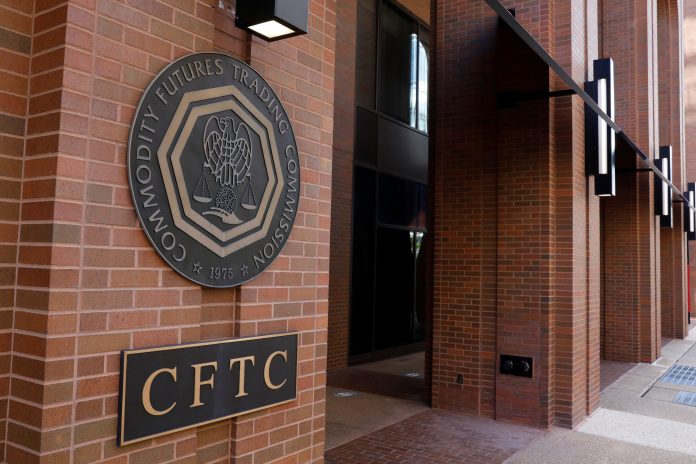
Signage is seen outside of the US Commodity Futures Trading Commission (CFTC) in Washington, D.C., U.S., August 30, 2020. REUTERS/Andrew Kelly

Gemini Trust Company, founded by Cameron and Tyler Winklevoss, filed a formal complaint on June 13, 2025, with the Commodity Futures Trading Commission’s (CFTC) Inspector General, Christopher Skinner, accusing the agency’s Division of Enforcement (DOE) of conducting a seven-year “lawfare” campaign against the crypto exchange. The 13-page letter alleges that the CFTC’s 2022 lawsuit, which claimed Gemini made false or misleading statements about its Bitcoin futures contract in 2017, was based on fraudulent whistleblower claims from a discredited former Chief Operating Officer, Benjamin Small.

Gemini asserts that Small, fired in 2017 for facilitating a $7.45 million rebate fraud scheme involving customers Hashtech LLC and Cardano Singapore, filed false whistleblower reports to “destroy” the exchange. A 2022 arbitrator ruling found Small had lied about his experience, fraudulently obtained his job, and made false statements in his whistleblower submission. Despite this, the CFTC pursued Gemini for years, culminating in a $5 million settlement in January 2025, which Gemini claims it paid without admitting fault due to a lack of viable alternatives.

The complaint names nine CFTC lawyers, accusing them of prioritizing career advancement over consumer protection and wasting taxpayer resources on baseless charges. Gemini argues that its Bitcoin futures contract, linked to Cboe’s 2017 launch, operated without manipulation for 19 months, and no market harm was proven. The exchange aligns its complaint with CFTC Acting Chair Caroline Pham’s calls for reform, criticizing the agency’s “regulation-by-enforcement” approach and toxic culture. Gemini seeks internal accountability and supports broader regulatory clarity for crypto markets.

The CFTC’s 2022 complaint alleged Gemini misled regulators about its Bitcoin auction pricing mechanism’s susceptibility to manipulation, violating the Commodity Exchange Act. Gemini counters that the investigation ignored evidence discrediting Small and failed to address the actual fraud perpetrators. Gemini’s accusation of a “lawfare” campaign suggests the CFTC’s enforcement actions may prioritize aggressive litigation over fair regulation, potentially chilling innovation in the crypto industry. If substantiated, this could erode trust in the CFTC’s impartiality and fuel broader criticism of “regulation-by-enforcement” tactics, as echoed by CFTC Acting Chair Caroline Pham and industry stakeholders.

The complaint highlights a perceived misuse of whistleblower programs, where false or self-serving claims (e.g., Benjamin Small’s) could trigger costly investigations, disproportionately harming compliant firms like Gemini. This may prompt calls for stricter vetting of whistleblower allegations to prevent abuse. The case underscores ongoing tensions between crypto exchanges and regulators, particularly as the CFTC asserts jurisdiction over digital assets like Bitcoin as commodities. A successful challenge by Gemini could limit the CFTC’s ability to pursue similar enforcement actions, potentially emboldening other crypto firms to resist regulatory pressure.

However, if the CFTC’s actions are upheld, it could signal tighter scrutiny of crypto exchanges’ compliance with Commodity Exchange Act requirements, especially around market manipulation and transparency in futures contracts. Gemini’s claim that Small, a discredited former employee, may receive a $1.5 million whistleblower award despite fraudulent conduct raises questions about the CFTC’s whistleblower program integrity. This could lead to reforms in how awards are evaluated, ensuring they reward genuine misconduct reports rather than incentivizing bad-faith claims.

Gemini’s $5 million settlement, despite no admission of liability, reflects the financial burden of prolonged regulatory battles, even for firms confident in their compliance. This may push other crypto firms to settle rather than fight, reinforcing perceptions of regulatory coercion. The complaint’s outcome could set a precedent for how agencies handle enforcement actions based on disputed whistleblower claims, potentially influencing future litigation strategies across financial sectors.

Regulators argue that robust enforcement protects investors and market integrity, while crypto firms like Gemini see these actions as punitive and misaligned with the decentralized, rapidly evolving nature of digital assets. Gemini’s alignment with Acting Chair Pham’s reformist stance highlights a divide within the CFTC itself. Progressive voices within the agency advocate for clearer rules and less reliance on enforcement, while the Division of Enforcement’s aggressive tactics suggest a more traditional, litigation-heavy approach. This internal conflict could shape future CFTC policies.

The public and industry may perceive the CFTC as either a necessary enforcer of market fairness or an overzealous regulator targeting crypto firms for political or careerist reasons. Gemini’s complaint, if validated, could amplify distrust in federal agencies, particularly among crypto advocates who already view regulators skeptically. Conversely, if the CFTC successfully defends its actions, it could bolster its authority but deepen the crypto industry’s sense of being unfairly targeted, widening the divide.

The case exposes a divide between whistleblower protections meant to uncover misconduct and their potential exploitation for personal gain. This could spark debate over balancing incentives for legitimate whistleblowers with safeguards against frivolous or vindictive claims, affecting how firms and regulators interact with such programs.

Gemini’s complaint arrives amid heightened regulatory scrutiny of crypto exchanges, with the SEC and CFTC increasingly active. Posts on X reflect polarized sentiments: some users support Gemini’s pushback against perceived regulatory overreach, while others argue the CFTC’s actions are justified to curb crypto market risks. The outcome of this complaint could influence not only Gemini’s operations but also the regulatory landscape for cryptocurrencies, potentially prompting Congressional oversight or policy changes to address the growing regulator-industry divide.

Italy detains German rescue ship Sea-Eye 5, as German Chancellor Merz’s Coalition Sees Stress

0

Italy detained the German rescue ship Sea-Eye 5 in a Sicilian port, preventing it from resuming operations in the Mediterranean. The move is part of Italy’s stricter migration policies under Prime Minister Giorgia Meloni’s government, which has repeatedly targeted NGO-operated rescue vessels. Italian authorities cited unspecified irregularities, a tactic critics argue is politically motivated to curb migrant rescues. The Sea-Eye 5, operated by the German charity Sea-Eye, had recently rescued migrants off Libya.

Posts on X reflect polarized sentiment, with some praising Italy’s actions as a defense of national sovereignty, while others condemn it as a violation of international maritime law, which mandates rescuing and disembarking people in distress at a safe port. This follows a pattern of Italian restrictions on NGO ships, with similar incidents reported in 2019, 2020, 2021, 2022, and 2023, often involving safety or administrative pretexts. NGOs argue these blockades delay life-saving missions, while Italy insists flag states like Germany should take responsibility for migrants.

No official statement from Italian authorities specifies the duration of the Sea-Eye 5’s detention or exact reasons beyond vague “irregularities.” The detention of the Sea-Eye 5 by Italy in a Sicilian port on June 17, 2025, highlights significant implications and deepens the divide over migration policy in Europe, particularly in the Mediterranean. The detention delays Sea-Eye 5’s ability to conduct rescue operations, potentially endangering migrants crossing the Mediterranean in unsafe vessels. In 2024, over 2,500 migrants were reported dead or missing in the region, per the International Organization for Migration (IOM). Blocking NGO ships could exacerbate this crisis.

NGOs like Sea-Eye argue that Italy’s actions violate international maritime law, specifically the 1974 SOLAS Convention and the 1982 UNCLOS, which require rescuing people in distress and disembarking them at a safe port. Prolonged detentions strain NGO resources and reduce operational capacity. Italy’s actions align with Prime Minister Giorgia Meloni’s hardline migration stance, which prioritizes border control and deterrence. By targeting NGO ships, Italy pressures flag states like Germany to take greater responsibility for rescued migrants, potentially straining EU relations.

Legal challenges may arise. NGOs have previously contested Italy’s detentions in European courts, citing violations of human rights and maritime obligations. A prolonged detention could escalate to international tribunals, though outcomes are uncertain given Italy’s claim of national sovereignty. The incident underscores the lack of a unified EU migration strategy. Southern states like Italy, Greece, and Malta face disproportionate pressure as entry points, while northern states like Germany often host NGOs or accept migrants. This fuels resentment and unilateral actions like ship detentions.

It could accelerate calls for revising the EU’s Dublin Regulation, which assigns asylum processing to the first country of entry, or push for stronger external border controls, as seen in recent EU deals with countries like Tunisia and Libya. Italy’s policies resonate with domestic voters favoring stricter migration controls, boosting Meloni’s far-right coalition. However, they draw criticism from human rights groups and liberal EU states, potentially isolating Italy diplomatically.

Supporters of Italy’s actions, including Meloni’s base and right-wing groups across Europe, view the detention as a necessary measure to protect national borders and deter illegal migration. They argue NGOs act as a “pull factor,” encouraging dangerous crossings by providing rescue guarantees. On X, posts from this camp praise Italy for asserting sovereignty and pressuring Germany to manage migrant inflows. Some claim NGOs are complicit in smuggling networks, though these claims lack substantiation.

This side often emphasizes the burden on Italy, which received over 150,000 migrants in 2023, per Frontex, straining local resources and infrastructure. Critics, including human rights organizations, liberal EU politicians, and NGOs, condemn Italy’s detentions as inhumane and illegal. They argue that rescuing migrants is a moral and legal obligation, and blocking ships endangers lives while scapegoating NGOs for broader migration challenges.

X posts from this group highlight the humanitarian crisis, citing data like the IOM’s 2024 Mediterranean death toll and accusing Italy of violating international law. They frame the detentions as politically motivated to appease far-right voters. This side calls for shared EU responsibility, arguing that Italy’s actions reflect a failure of collective action and burden-sharing within the EU.

The issue reflects a deeper cultural and political schism in Europe between nationalist, anti-immigration sentiments and cosmopolitan, pro-humanitarian values. This divide is amplified on X, where polarized echo chambers reinforce opposing views with little middle ground. Nationalists prioritize state control and cultural homogeneity, while humanitarians emphasize global human rights and solidarity. The Sea-Eye 5 detention becomes a flashpoint for these competing visions of Europe’s future.

The detention of Sea-Eye 5 intensifies the Mediterranean migration crisis, risks legal and diplomatic fallout, and highlights the EU’s fractured approach to migration. It deepens the divide between those prioritizing border security and those advocating for humanitarian rescue, with both sides entrenched in their views. Without a cohesive EU policy or compromise, such incidents will likely recur, further polarizing public discourse and complicating solutions to the migration challenge.

Disagreement Between Schwarz and Reiche Exposes Friction Within Chancellor Merz’s Coalition Government

German Environment Minister Steffen Schwarz criticized Economy Minister Katherina Reiche for attending a meeting with nuclear-friendly EU countries, calling it an “individual decision” that didn’t reflect Germany’s official anti-nuclear stance. Reiche’s participation in the nuclear alliance meeting, instead of an EU renewable energy summit, sparked tensions within Chancellor Friedrich Merz’s government. Germany, which phased out nuclear power in 2023, continues to prioritize renewables, though Reiche has agreed to respect other EU states’ pro-nuclear choices at the EU level.

The incident highlights a deeper divide within Germany and the EU over energy policy, with significant implications. The disagreement between Schwarz (Environment) and Reiche (Economy) exposes friction within Chancellor Merz’s coalition government. Germany’s firm anti-nuclear stance, cemented by its 2023 nuclear phase-out, clashes with Reiche’s engagement with pro-nuclear states, signaling potential policy incoherence. This could weaken public trust in the government’s unified commitment to renewables and climate goals, especially as energy prices and security remain contentious issues.

The meeting Reiche attended reflects a broader EU split. Pro-nuclear countries (e.g., France, Hungary) advocate for nuclear energy as a low-carbon solution to meet 2050 net-zero targets, while anti-nuclear states like Germany, Austria, and Denmark prioritize renewables. Reiche’s presence at the nuclear alliance meeting, despite Germany’s official stance, risks signaling tacit support for nuclear, potentially undermining Germany’s influence in pushing the EU toward renewable-focused policies.

Germany’s renewable-heavy strategy faces challenges like intermittency and grid stability, especially amid recent energy price volatility. Pro-nuclear advocates argue nuclear offers a stable, low-carbon complement. Reiche’s engagement might suggest openness to pragmatic energy diversification, but it risks alienating Germany’s anti-nuclear base, which sees nuclear as costly and risky compared to wind, solar, and hydrogen.

Reiche’s assurance to respect other EU states’ nuclear choices at the EU level aims to maintain diplomatic harmony but could complicate Germany’s leadership in shaping EU energy policy. If Germany appears to waver, it might weaken its push for EU-wide renewable investment and green taxonomy rules that exclude nuclear.

The public spat could fuel domestic debates over energy strategy. Anti-nuclear sentiment remains strong in Germany, rooted in historical fears post-Fukushima. Schwarz’s criticism taps into this, framing Reiche’s move as a betrayal of national policy, which could escalate political pressure on Merz’s government to clarify its stance.

The Bavarian Alps experienced an unusually dry winter in 2024-2025, with record-low snowfall in several areas, according to meteorologists. At Zugspitze, Germany’s highest ski area, snowfall was below the previous record low from 1971-1972. The region saw only 470 liters of precipitation per square meter, close to the 1933-1934 record of 400 liters, marking the driest winter in over 90 years.

High-pressure systems led to increased sunshine hours and temperatures about 2°C warmer than the long-term average at summit locations. This aligns with broader trends of declining snowfall in the Alps, with a 34% decrease from 1920 to 2020, particularly pronounced below 2,000 meters. The climate crisis has warmed the Alpine region significantly, exacerbating snow loss and impacting water reserves and winter tourism.

This incident underscores a delicate balance: Germany’s commitment to renewables versus pragmatic engagement with nuclear-friendly EU partners. It risks internal coalition strain and could dilute Germany’s influence in EU energy debates, while highlighting the ongoing challenge of aligning national priorities with collective EU climate goals.

JP Morgan To Deploy JPMD Stablecoin On Coinbase’s Base Blockchain, an Ethereum Layer-2 Network

0

J.P. Morgan is launching JPMD, a permissioned USD deposit token, on Coinbase’s Base blockchain, an Ethereum Layer-2 network. Unlike stablecoins, JPMD represents a digital claim on actual dollar deposits held at the bank, aimed at institutional clients for fast, secure, 24/7 on-chain transactions, such as cross-border payments and asset settlements. The pilot program, set to begin within days, will initially involve select Coinbase institutional clients, with plans to expand to other users and currencies pending regulatory approval.

JPMD is designed to integrate with J.P. Morgan’s Kinexys platform, which processes over $2 billion in daily transactions, and offers potential interest-bearing features, distinguishing it from typical stablecoins. This move marks the first time a major U.S. bank has deployed a deposit-based product on a public blockchain, signaling a significant step in blending traditional banking with blockchain technology. J.P. Morgan’s launch of JPMD on Coinbase’s Base blockchain signals a major step toward integrating traditional banking with public blockchain infrastructure.

As the first major U.S. bank to deploy a deposit token on a public chain, it could encourage other financial institutions to explore similar initiatives, accelerating blockchain adoption in institutional finance. The use of a permissioned USD deposit token (representing actual dollar deposits) rather than a stablecoin bridges the gap between traditional banking and decentralized finance (DeFi), potentially legitimizing public blockchains for high-value, regulated transactions. JPMD enables 24/7, near-instantaneous transactions for institutional clients, streamlining cross-border payments, asset settlements, and other financial operations.

This could reduce reliance on slower, traditional systems like SWIFT, cutting costs and settlement times. Integration with J.P. Morgan’s Kinexys platform, which already handles $2 billion in daily transactions, suggests JPMD could scale rapidly, offering a robust alternative to existing payment rails. The pilot’s success hinges on regulatory approval, particularly from U.S. authorities. A successful rollout could set a precedent for how regulators view tokenized deposits on public blockchains, potentially shaping future policies for digital assets in banking.

The permissioned nature of JPMD ensures compliance with KYC/AML requirements, addressing regulatory concerns while leveraging blockchain’s transparency and efficiency. By launching JPMD, J.P. Morgan positions itself as a leader in the evolving digital finance landscape, competing with fintechs and crypto-native firms offering tokenized payment solutions. This could pressure other banks to innovate or risk losing market share.

The potential for interest-bearing features on JPMD could attract institutional clients, offering a unique value proposition compared to non-interest-bearing stablecoins. Deploying JPMD on Base, an Ethereum Layer-2, validates the scalability and cost-efficiency of L2 solutions for institutional use cases. This could drive further development and adoption of Base and similar networks. It may also pave the way for greater interoperability between traditional finance and DeFi, as institutional-grade tokens like JPMD could eventually interact with DeFi protocols under controlled conditions.

JPMD is permissioned, meaning J.P. Morgan retains control over access, issuance, and compliance. This contrasts with the decentralized ethos of public blockchains, creating a divide between traditional banking’s gated systems and DeFi’s open, permissionless networks. Crypto purists may view JPMD as a co-optation of blockchain technology, prioritizing institutional control over decentralization. This could spark debates about the “true” purpose of blockchain in finance.

JPMD is designed for institutional clients, initially limited to select Coinbase clients. This excludes retail users and smaller entities, reinforcing a divide between well-resourced institutions and the broader public. The high entry barriers for institutional-grade products like JPMD could widen the gap between large financial players and smaller market participants, limiting the democratizing potential of blockchain.

The pilot’s reliance on regulatory approval highlights the divide between innovation and compliance. While J.P. Morgan’s involvement may push regulators to clarify rules for tokenized deposits, any delays or restrictions could slow broader adoption. Globally, differing regulatory frameworks may create a patchwork of adoption, with some regions embracing tokenized banking products faster than others, deepening geographic disparities.

Not all financial institutions have the resources or expertise to deploy blockchain-based solutions like JPMD, creating a divide between tech-forward banks and those lagging behind. While JPMD operates on Base, integrating with other blockchains or legacy systems could be complex, potentially isolating it from broader crypto ecosystems. JPMD’s distinction as a deposit token (backed by actual bank deposits) versus stablecoins (often backed by reserves or assets) creates a competitive divide. Stablecoin issuers like Tether or Circle may face increased scrutiny or pressure to align with banking standards, while deposit tokens could gain favor among regulators and institutions.

However, stablecoins’ broader accessibility and established market presence like USDT, USDC may maintain their dominance in retail and DeFi, creating a bifurcated market. J.P. Morgan’s JPMD launch is a pivotal moment for blockchain in traditional finance, promising faster, more efficient transactions and potentially reshaping regulatory frameworks. However, it also underscores divides between centralized and decentralized finance, institutional and retail access, and technological haves and have-nots.

Top Strategies for Playing Jetx on 1win

0

Jetx is rapidly gaining popularity among online casino enthusiasts for its unique blend of excitement, speed, and strategy. Available on 1win, this dynamic game challenges players to predict how high the multiplier will climb before the spaceship “flies away.” While Jetx may seem simple at first glance, mastering it requires understanding the game’s mechanics and employing smart tactics to maximize your winnings.

Many players jump in hoping for big wins but often find themselves losing due to impulsive decisions or lack of strategy. The key to success lies in managing your bets, timing your cash-outs effectively, and adapting your approach based on how the game unfolds. Whether you are new to Jetx or want to improve your gameplay, developing a well-rounded strategy is essential.

In this article, we’ll walk you through the top strategies for playing Jetx on 1win. From bankroll management and bet sizing to recognizing patterns and leveraging bonuses, these tips will help you play more confidently and increase your chances of winning. Get ready to take your Jetx experience to the next level with proven techniques that combine skill, patience, and smart decision-making.

Understanding the Basics of Jetx

Before diving into advanced strategies, it’s important to understand how Jetx works. Jetx is an exciting online game available on 1win where players bet on a multiplier that increases as a rocket flies upward. The main goal is to cash out before the rocket flies away, securing your winnings based on the current multiplier. If you wait too long and the rocket flies off before you cash out, you lose your bet.

The game rounds are fast-paced, and each multiplier is randomly generated, adding an element of suspense and unpredictability. Unlike traditional slot games, Jetx requires players to make quick decisions, balancing the risk of waiting for a higher multiplier with the chance of losing everything if the rocket leaves too soon.

Knowing these basic rules and gameplay mechanics is crucial before applying any strategy. Playing Jetx on 1win gives you access to a user-friendly interface and real-time statistics, helping you track past rounds and make informed choices.

Strategy 1: Manage Your Bankroll Wisely

One of the most important strategies for playing Jetx successfully is managing your bankroll wisely. Your bankroll is the total amount of money you set aside specifically for playing the game, and treating it with discipline can protect you from big losses while maximizing your chances to play longer and win.

Start by setting a clear budget for each gaming session and never exceed that amount, no matter how tempting it might be to chase losses. Divide your bankroll into smaller, manageable bets instead of risking a large portion on a single round. This approach helps you stay in the game longer and reduces the stress of losing big amounts quickly.

Additionally, it’s wise to decide in advance how much you’re willing to lose and stick to that limit. Using stop-loss limits and profit goals keeps your gameplay controlled and helps avoid emotional betting decisions. Remember, Jetx is a game of both chance and strategy, so protecting your bankroll is essential to enjoy the experience sustainably.

By managing your bankroll wisely, you ensure you have enough funds to explore different strategies, learn from each round, and increase your chances of success over time.

Strategy 2: Know When to Cash Out

Knowing when to cash out is one of the most critical strategies for winning at Jetx. Since the game’s multiplier increases as the rocket flies, your goal is to withdraw your bet before the rocket disappears. Waiting too long can mean losing everything, while cashing out too early might reduce your potential winnings.

The key is to find a balance between risk and reward. Experienced players often set target multipliers based on their risk tolerance — some prefer safer, lower multipliers for steady, smaller wins, while others aim for higher multipliers, accepting the risk of losing their bet.

It’s also helpful to pay attention to the game’s patterns and statistics available on 1win. While Jetx outcomes are random, observing recent multipliers can sometimes guide your timing decisions. Practicing patience and discipline helps avoid emotional decisions like chasing losses or holding out too long in hopes of big payouts.

By mastering the timing of your cash-outs, you can maximize profits and minimize losses, making this strategy essential for anyone looking to succeed at Jetx on 1win.

Strategy 3: Use Small, Consistent Bets

When playing Jetx, using small, consistent bets is a smart approach that helps you stay in the game longer and manage your risk effectively. Instead of placing large bets that can quickly drain your bankroll if luck isn’t on your side, smaller bets allow you to play more rounds and increase your chances of hitting a good multiplier.

This strategy also encourages patience and steady gameplay. By betting consistently with smaller amounts, you avoid the temptation to make impulsive decisions or chase losses, which often leads to bigger setbacks. Over time, these smaller wins can add up and help build your overall profit.

Additionally, small bets make it easier to test different cash-out strategies without risking too much on any single round. This lets you learn how the game behaves and refine your tactics without the pressure of big losses.

On 1win, where the fast-paced nature of Jetx can be thrilling, using small, consistent bets is a reliable way to balance excitement with control, giving you a better chance to enjoy the game and win steadily.

Strategy 4: Analyze Patterns and Trends

While Jetx is a game of chance with random outcomes, many players find value in observing patterns and trends during gameplay to make more informed decisions. On 1win, you can access real-time statistics and past round results, which can help you identify how multipliers have behaved recently.

By analyzing these trends, you might spot sequences such as several low multipliers followed by a high one, or vice versa. This information can guide your betting strategy—deciding when to play cautiously or when to take more risks. Although no pattern guarantees a win, staying aware of recent game behavior allows you to adjust your approach dynamically instead of relying purely on luck.

Remember, pattern analysis should be used as a helpful tool rather than a foolproof system. Combining this strategy with solid bankroll management and disciplined cash-out timing increases your overall chances of success in Jetx on 1win. Staying observant and adaptable can give you a strategic edge in this fast-paced game.