DD
MM
YYYY

PAGES

DD
MM
YYYY

spot_img

PAGES

Home Blog Page 1145

Oil Prices Surge 7% as Israel-Iran Conflict Escalates – But It’s Not All Good News For Nigeria

0

Global oil prices surged on Friday, marking the sharpest single-day gain in over two years, as hostilities between Israel and Iran intensified. The spike was ignited by fears of a wider conflict in the Middle East that could severely disrupt oil exports from the region.

Brent crude jumped by 7 percent to close at $74.23 per barrel, after touching an intraday high of $78.50 — the strongest level seen since January 27. Similarly, U.S. West Texas Intermediate (WTI) surged to $72.98 per barrel, up $4.94 or 7.6 percent, after earlier reaching $77.62. Both benchmarks recorded their largest intraday gains since Russia’s 2022 invasion of Ukraine, which had caused a similar shock across global energy markets.

The price rally follows Israel’s targeted airstrikes on Iran’s nuclear facilities, ballistic missile factories, and senior military command infrastructure. Iran responded by launching missile attacks on Tel Aviv and parts of southern Israel. Both sides have vowed to continue their operations, signaling a prolonged conflict that investors worry could spill over into energy infrastructure or transport routes.

At the center of this concern is the Strait of Hormuz, a narrow maritime chokepoint that handles nearly 20 percent of global oil traffic — roughly 18 to 19 million barrels per day. Any threat to free passage through this waterway could significantly disrupt global oil supply chains.

Although Israeli strikes have so far avoided Iranian oil infrastructure, including Kharg Island, which is responsible for about 90 percent of Iran’s crude oil exports, analysts warn that any retaliatory attacks could follow an “energy-for-energy” pattern. This raises the specter of Iranian strikes on Gulf oil facilities or Israel’s allies in the region.

Not All Good News for Nigeria

For Nigeria, which relies heavily on oil exports, the sharp increase in oil prices offers an immediate fiscal upside. The country’s 2025 national budget is benchmarked at $75 per barrel. A sustained rally above this threshold could translate into higher revenues, potentially easing Nigeria’s budget deficit and enhancing foreign exchange reserves.

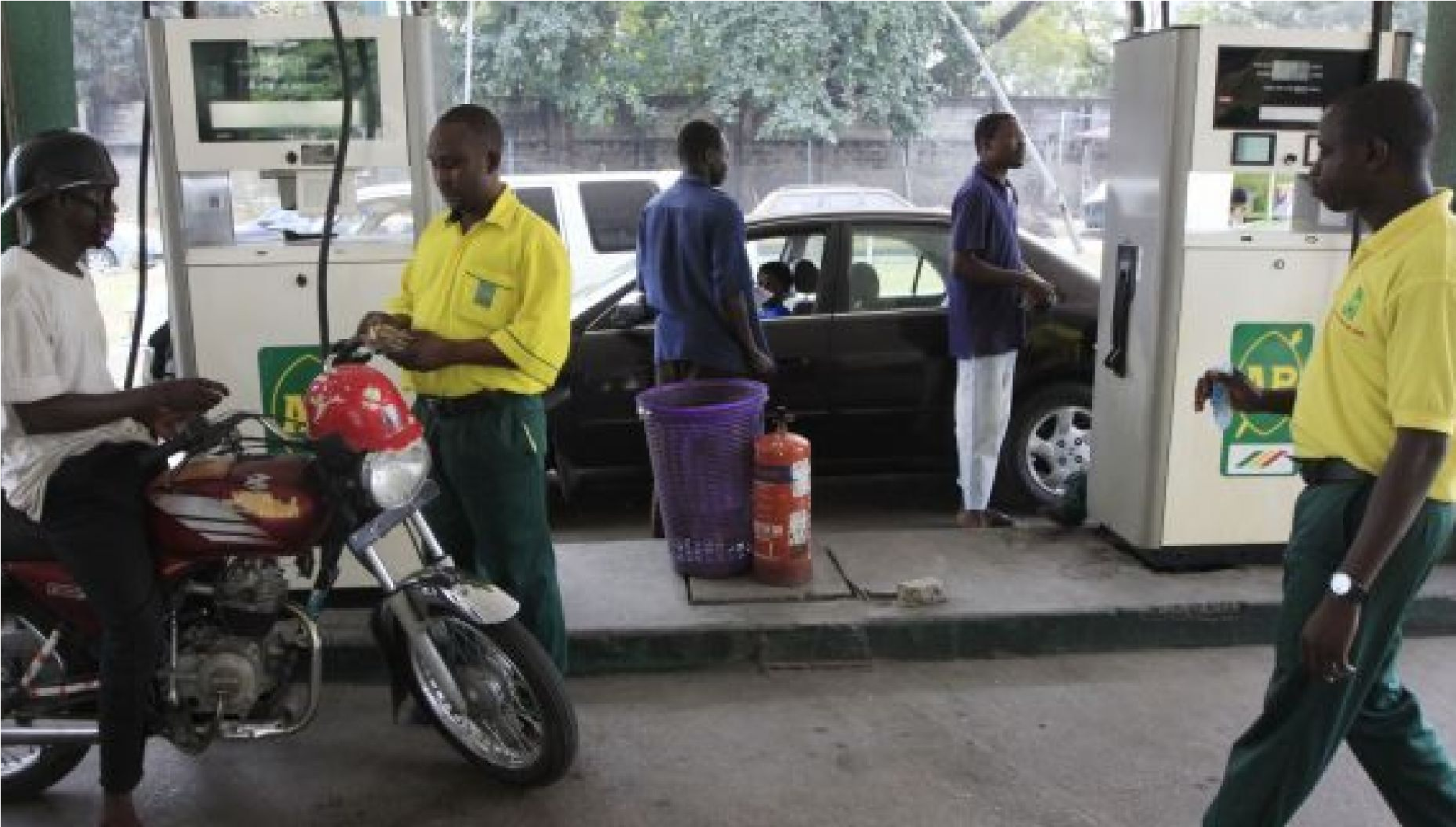
However, the development is far from good news for the general public. Nigeria, despite being an oil-producing country, depends heavily on imported petroleum products to meet domestic fuel demand. Although the recent activation of the Dangote Refinery has reduced the volume of petrol imports, the price of refined fuel in the country still responds to movements in international crude prices. The refinery sources crude from outside Nigerian shores.

Since commencing partial operations, the Dangote Refinery has helped ease petrol prices by selling at a lower rate compared to imported alternatives. In recent months, Dangote Industries slashed its ex-depot petrol price to around N840 per liter, making retail prices in Lagos fall to between N860 and N910. This was largely possible due to declining crude oil prices earlier in the year, which allowed the refinery to maintain relatively cheaper production costs.

But with crude now threatening to breach $100 per barrel amid escalating geopolitical tensions, the situation may soon reverse. Should oil prices remain elevated, the cost of refined products from Dangote Refinery will inevitably rise, erasing the gains made so far. This means Nigerians could begin to pay well over N1,000 per liter of petrol — a move that could trigger widespread discontent in a country already battling soaring inflation and meager wages.

Such a scenario also risks dragging the government back into subsidy territory. The administration of President Bola Tinubu removed petrol subsidies in mid-2023, citing unsustainable fiscal costs. However, if pump prices spiral out of control and public backlash intensifies, pressure may mount on the government to either intervene or reinstate some form of price support — an action that could further strain public finances.


Shocking Truth—Why Neo Pepe Protocol Isn’t What You Think

0

In the thrilling rollercoaster of cryptocurrency markets, meme coins have surged in popularity, capturing headlines and wallets alike. Initially dismissed as whimsical digital novelties without lasting substance, memecoins like Dogecoin and Shiba Inu shocked skeptics by garnering significant market attention. Now, Neo Pepe Protocol ($NEOP) steps into the limelight, deceptively cloaked in meme humor. But here’s the shocker—this seemingly playful crypto asset masks a meticulously crafted, deeply sophisticated decentralized system designed not just to entertain, but to revolutionize community governance and crypto investment security. Could the market’s most unexpected success story be hiding behind this whimsical green frog?

Many seasoned investors typically overlook memecoins, labeling them as fleeting hype. Yet Neo Pepe has quietly captivated this discerning audience. The critical question arises—what hidden strengths distinguish Neo Pepe Protocol from its meme peers? Let’s dive into the depths of this crypto enigma.

Unmasking the Meme: Neo Pepe’s Astonishing Governance Secret

Behind the smiling facade of Neo Pepe Protocol lies a groundbreaking decentralized autonomous organization (DAO), offering genuine democratic power to its token holders. Unlike the opaque centralization prevalent among most meme coins, Neo Pepe’s DAO is an intricate, transparent governance mechanism. Token holders with at least one million $NEOP tokens can propose and vote on essential community decisions. Rigorous review processes and quorum requirements further bolster its genuinely decentralized, community-focused governance.

Neo Pepe’s governance is serious business, extending far beyond mere symbolism. From treasury management to strategic exchange listings, all crucial decisions are determined by the community through a transparent TimeLock governance system, safeguarding against potential misuse. This level of transparency fosters genuine trust among investors, setting Neo Pepe apart as a protocol genuinely governed by its community.

Additionally, Neo Pepe’s governance extends beyond token holder engagement; it also includes built-in mechanisms for continuous feedback and adaptation, creating a resilient ecosystem capable of adjusting dynamically to market demands and community priorities.

Shattering the Meme Myth: The Groundbreaking Liquidity Method Revealed

While traditional meme cryptos use hidden liquidity schemes and short-term gimmicks, Neo Pepe Protocol employs an innovative auto-liquidity mechanism. Each transaction automatically contributes 2.5% to a liquidity pool, with tokens permanently burned. This ensures long-term price stability and market confidence, starkly contrasting typical meme coin volatility and protecting investors from potential rug-pulls.

Neo Pepe’s sophisticated liquidity strategy provides lasting stability, attracting discerning investors seeking secure and predictable investment environments. In a market plagued by volatility and uncertainty, this feature alone places Neo Pepe significantly ahead of the competition. Its auto-liquidity model ensures continuous, sustainable growth, eliminating the risks commonly associated with meme investments.

Further enhancing Neo Pepe’s liquidity strength, the protocol’s mechanisms are entirely transparent and verifiable on-chain, assuring investors of fairness and accountability.

Explosive Truth: How Neo Pepe’s Transparent Tokenomics and Presale Set a New Standard

Transparency and clarity underpin Neo Pepe Protocol’s tokenomics, featuring advanced mechanisms like Chainlink oracles anchoring $NEOP’s valuation to USD, protecting against speculative pricing games. Clearly defined token distributions ensure investor confidence:

  • 45% for presale participants, rewarding early commitment.
  • 10% dedicated to liquidity support.
  • 25% allocated for marketing initiatives.
  • Remaining tokens strategically reserved for development and community incentives.

Neo Pepe’s strategically structured presale is meticulously planned across 16 escalating stages, fostering urgency, exclusivity, and rewarding early investors. This strategic approach elevates it from conventional crypto presales, establishing it as a calculated financial opportunity and making it one of the Best Presale opportunities available. Investors participating early stand to benefit significantly from the incremental price increases, ensuring those who believe in the project early on receive the maximum potential value.

Neo Pepe Protocol’s Strengths vs. Typical Memecoin Weaknesses:

  • Decentralized governance opaque centralization
  • Transparent liquidity management hidden liquidity schemes
  • Strategically structured presale chaotic initial token offerings
  • Chainlink-backed robust tokenomics speculative pricing games
  • Permanent liquidity assurance potential rug-pulls

Mind-Blowing Fusion: Where Meme Culture Meets Financial Genius

Perhaps most intriguingly, Neo Pepe masterfully combines serious decentralized finance innovation with meme culture’s universal appeal. Unlike typical memecoins, Neo Pepe strategically leverages its playful aesthetic to drive deep, meaningful community engagement, fostering long-term project commitment rather than transient hype.

This unique blend of accessible meme culture and serious financial engineering positions Neo Pepe Protocol distinctly within the crypto market, appealing equally to meme enthusiasts and seasoned investors. This nuanced strategy ensures sustained interest, differentiating Neo Pepe Protocol significantly from fleeting market sensations driven solely by hype.

Epic Vision Unveiled: Neo Pepe’s Unstoppable Roadmap to Domination

Neo Pepe Protocol boasts an ambitious roadmap emphasizing global strategic initiatives, robust platform enhancements, and comprehensive governance improvements. Each milestone underscores its commitment to sustained innovation and community empowerment. Investors can anticipate ongoing advancements solidifying Neo Pepe’s unique status and market influence. Future initiatives include cross-chain integrations, strategic partnerships, global marketing campaigns, and continuous refinement of governance processes, all designed to enhance market penetration and community value.

Neo Pepe Protocol transcends typical meme coin classifications, representing a sophisticated financial ecosystem cleverly disguised beneath playful aesthetics. Its calculated presale, robust governance structures, and innovative liquidity mechanisms offer genuine substance for crypto investors.

For savvy investors, underestimating Neo Pepe Protocol isn’t just a missed opportunity—it’s a critical oversight in digital finance’s rapidly evolving landscape. To explore this groundbreaking opportunity and secure your participation in what many experts deem a rare crypto investment gem, visit Neo Pepe’s official website today and become part of the future of decentralized finance. Whether you’re drawn to it by its innovative financial engineering, transparent community governance, or its playful yet profound meme aesthetic, Neo Pepe Protocol promises an exciting, sustainable future for every participant.

Is Everything You Heard About This Crypto Project Wrong? Experts Reveal Shocking Truth About Neo Pepe ($NEOP) & Its Untapped Potential

0

In crypto, misinformation is as abundant as opportunity. Whispered rumors, viral tweets, and hastily written analyses often shape investor perceptions more than documented facts and nuanced insights. One project consistently caught between hype and skepticism is Neo Pepe ($NEOP). Touted by many as an Exclusive Token Launch with revolutionary features, yet viewed by skeptics as merely another memecoin chasing fleeting fame, Neo Pepe has become a lightning rod for debate. But is the chatter accurate? Or is everything you’ve heard about this crypto project fundamentally flawed?

Crypto enthusiasts live in an ecosystem saturated by competing narratives. The allure of rapid profits and sensational headlines often eclipses comprehensive, factual analysis, making informed investment decisions increasingly challenging. Within this noise, Neo Pepe stands out due to its paradoxical branding—appearing superficially playful but carrying profound, serious ideological commitments. Its very existence invites debate and misunderstanding, frequently clouding its authentic ambitions and technical sophistication. It’s essential, therefore, to critically examine and clarify what Neo Pepe truly represents, beyond surface-level perceptions and rampant speculation.

Beyond the Meme: The Serious Symbolism and Philosophical Roots

Categorizing Neo Pepe solely as a memecoin based on its association with the iconic meme frog Pepe is a severe misjudgment. Unlike meme-centric projects like Dogecoin or Shiba Inu, Neo Pepe anchors itself in a powerful symbolic message focused on decentralization, financial liberation, and resistance to centralized authority. Its official documentation outlines a “Memetrix” narrative emphasizing serious themes over humor, highlighting a philosophical commitment to crypto ideals far deeper than initial impressions suggest.

This seriousness extends beyond symbolism. Neo Pepe transparently discloses legal clarity, explicitly stating that $NEOP tokens offer no equity, ownership, or guaranteed returns. Instead, the tokens emphasize governance participation and symbolic representation, a clear ethical stance distinctly separating Neo Pepe from less transparent crypto initiatives.

Demystifying Presale Dynamics and Auto-Liquidity Innovation

Presales often face misconceptions as mere short-term gain mechanisms. However, Neo Pepe’s presale strategy defies these simplistic stereotypes with its carefully structured 16-stage approach, incrementally priced from $0.05 to $0.16, accompanied by hourly token unlocks post-launch. This nuanced design methodically cultivates momentum, community alignment, and sustained investor confidence.

Equally impressive is Neo Pepe’s innovative auto-liquidity mechanism, thoroughly detailed in its whitepaper. This unique system allocates 2.5% of every transaction to liquidity pools, permanently burning LP tokens to ensure lasting market stability. Contrary to superficial price-pumping strategies, Neo Pepe’s auto-liquidity fortifies against volatility, enhancing long-term market integrity.

Robust Governance and Technical Superiority

Misconceptions around governance tokens often lead to an undervaluation of their utility. Neo Pepe’s governance model is meticulously decentralized, executed via advanced Governor and TimelockController smart contracts. Holders of $NEOP tokens hold tangible influence over pivotal decisions, including strategic exchange listings and treasury management, secured through Zodiac Module integration, guaranteeing transparency and genuine community control.

Additionally, Neo Pepe is underpinned by exceptional technical rigor, evidenced by comprehensive pre-launch audits, stringent ERC-20 compliance, and immutable smart contracts. These technical safeguards elevate Neo Pepe significantly above superficially decentralized competitors, ensuring authentic community empowerment and project transparency.

Transparent Tokenomics for Long-Term Sustainability

Tokenomics often breeds misunderstanding and misrepresentation. Neo Pepe’s transparent tokenomics framework is clearly defined—45% presale allocation, 25% dedicated to marketing, 10% liquidity, 10% development, with the remainder earmarked for ecosystem growth and community incentives. Such strategic allocations support sustained community growth, project stability, and investor confidence, directly aligning with Neo Pepe’s ideological foundations.

Reassessing Neo Pepe: Distinguishing Fact from Fiction

Neo Pepe ($NEOP) serves as a compelling example of crypto narrative distortions and misconceptions. Far from a superficial or speculative project, Neo Pepe emerges as a meticulously structured, philosophically profound initiative prioritizing decentralization, enduring stability, and genuine community governance. Its precise technical framework, innovative liquidity strategies, transparent tokenomics, and clear ethical commitments position Neo Pepe as an exceptional Crypto Investment Gem.

It’s essential for investors to challenge prevailing misconceptions and authentically explore Neo Pepe’s genuine potential. For those seeking meaningful crypto innovation and enduring value, Neo Pepe represents an opportunity to fundamentally rethink their understanding of crypto’s possibilities.

Nigeria’s Petrol Imports Drop by 54% as Dangote Refinery Ramps Up Supply

0

Nigeria’s petrol import bill plunged to N1.76 trillion in the first quarter of 2025, a sharp 54% drop from N3.81 trillion recorded in the same period last year, according to new foreign trade data released by the National Bureau of Statistics (NBS).

This also represents a 47% decline compared to Q4 2024, when the country spent N3.3 trillion on petrol imports.

The steep fall marks a significant break from Nigeria’s multi-year pattern of rising dependence on foreign refined petrol and points to a growing shift driven by increased domestic supply from the Dangote Refinery, which has gained momentum this year.

Industry players say the downward trend is largely the result of the Dangote Refinery’s aggressive pricing strategy. Since beginning local distribution, the refinery has offered petrol at prices that are significantly cheaper than imported fuel—drawing strong interest from independent and major marketers nationwide. In early 2025, the pump price of petrol dropped to as low as N860 per liter in Lagos, down from over N1,000 previously, marking the first major retail relief in nearly a year.

Dangote’s competitive pricing has made his refinery a more attractive alternative to importation. Marketers are now sourcing directly from the local refinery in increasing numbers, encouraged by lower logistics costs and reduced foreign exchange exposure. The refinery, currently running at around 85% of its 650,000 barrels per day capacity, has become a central pillar in Nigeria’s fuel supply chain.

The NBS data confirms a structural shift. For the first time in years, Nigeria’s Q1 petrol import figures have reversed an upward trend. Between Q1 2020 and Q1 2024, the country’s fuel import bill more than quadrupled—from N732 billion to N3.81 trillion. The 2025 Q1 figure of N1.76 trillion brings Nigeria back to pre-2022 import levels, signaling that domestic refining is now beginning to meaningfully displace imported petrol.

However, there are growing concerns that the gains made could be short-lived. Oil prices have shown signs of a rebound in recent weeks, raising fears that a further surge could push up Dangote’s production costs. Since the refinery imports crude at international prices but sells fuel in the domestic market, any uptick in global oil prices could force it to raise pump prices—diminishing its competitive edge over imports.

A similar challenge had already emerged earlier this year when Dangote Industries briefly halted sales in naira due to the mismatch between the dollar-denominated cost of crude and the local currency revenue it received. Although the government later intervened to resolve the crude-for-naira impasse, the episode highlighted the refinery’s vulnerability to external price shocks.

Despite these concerns, the Dangote Refinery continues to shape Nigeria’s fuel supply landscape. In addition to its impact on retail pricing and import volumes, the NBS data also revealed that petrol still accounted for N89.18 billion—or 44.51%—of Nigeria’s imports from ECOWAS countries in Q1 2025. This indicates that while domestic production is on the rise, regional trade remains important in closing residual supply gaps.

Petrol also made up 41.86% of Nigeria’s trade inflows from the broader West African region and contributed 11.63% of total imports from the African continent. Other petroleum-based products such as gas oil (N23.15 billion) and petroleum bitumen (N20.58 billion) also ranked high among imports, reflecting continued reliance on foreign supply for a range of refined outputs.

The broader implication of the report is that Nigeria is entering a period of transition in its downstream sector. After decades of complete dependence on imported refined products, the country is beginning to reap the benefits of domestic refining. The challenge, however, lies in sustaining this progress amid the volatility of the global oil market and the currency pressures that continue to weigh on local refiners.

As the Dangote Refinery continues to scale up and other modular refineries come onstream, Nigeria could yet reduce its fuel import burden further. But for now, the outlook remains delicately balanced between emerging self-sufficiency and the persistent risks posed by external economic forces.

Decentralized exchange (DEX) to Centralized exchange (CEX) Volume Ratio Hits All-Time High

0

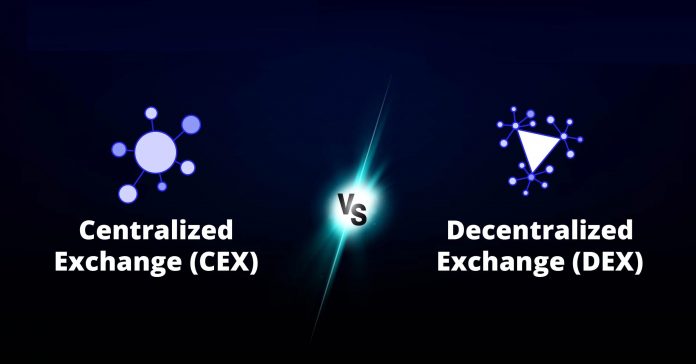
The decentralized exchange (DEX) to centralized exchange (CEX) volume ratio recently hit a new all-time high, with posts on X indicating it surged past 30% in early June 2025, a significant jump from the 20% reported in January 2025. This spike reflects growing on-chain activity, driven by improved DEX infrastructure and user preference for privacy and self-custody. Notably, Solana’s DEX volume has been a key driver, with weekly volumes reaching over $56 billion in January 2025, largely fueled by meme coin trading (90-92% of volume), though this raises sustainability concerns.

Uniswap remains the leading DEX, with $106 billion in monthly volume in December 2024, followed by PancakeSwap and Raydium. Meanwhile, CEX spot volumes have declined, dropping to just above $1 trillion in May 2025. The shift toward DEXs is attributed to better liquidity, user experience, and regulatory pressures on CEXs. The all-time high DEX-to-CEX volume ratio, surpassing 30% in June 2025, signals a shift in crypto trading dynamics with significant implications and a deepening divide between decentralized and centralized platforms.

User Preference for Decentralization: The surge in DEX volume reflects growing trust in self-custody, privacy, and non-custodial trading, driven by improved DEX user experience, lower fees, and robust liquidity. Platforms like Uniswap and Solana-based DEXs (e.g., Raydium) benefit from this trend. Stricter global regulations, including KYC/AML requirements, are pushing users to DEXs, which offer anonymity and fewer compliance hurdles. This could challenge CEX dominance long-term.

Market Resilience: Higher DEX volumes indicate a maturing DeFi ecosystem, with on-chain trading proving resilient despite volatility. However, heavy reliance on speculative assets like meme coins (90%+ of Solana’s DEX volume) raises concerns about sustainability.

Innovation and Competition: DEXs are innovating faster with AMM models, cross-chain interoperability, and layer-2 scaling, pressuring CEXs to adapt or risk losing market share. CEXs may counter with hybrid models or DeFi integrations.

Liquidity Fragmentation: Increased DEX activity could fragment liquidity across chains, complicating price discovery and increasing slippage risks, though aggregators like 1inch mitigate this.

DEXs align with crypto’s ethos of decentralization, empowering users with control over funds. CEXs prioritize convenience, speed, and fiat on-ramps, appealing to institutional and novice traders but sacrificing autonomy. DEXs attract tech-savvy, privacy-conscious traders and DeFi enthusiasts. CEXs cater to beginners, high-frequency traders, and those needing fiat gateways or advanced tools like margin trading.

DEXs on Solana, Arbitrum, and Base offer low-cost, high-speed trades, but CEXs still dominate in order book depth and cross-asset trading. Solana’s $56 billion weekly DEX volume in January 2025 highlights its edge, yet CEXs handled $1 trillion in spot trades in May 2025. CEXs face scrutiny from regulators, risking shutdowns or restrictions (e.g., Binance’s past bans). DEXs, being protocol-based, are harder to regulate but may face indirect pressure via stablecoin or wallet restrictions.

DEXs distribute value via governance tokens and fees to liquidity providers, fostering community ownership. CEXs retain profits, creating tension with users over transparency and fairness. The divide is widening as DEXs erode CEX market share, but CEXs remain entrenched due to institutional adoption and fiat infrastructure. The ratio’s rise suggests a tipping point where user priorities—freedom versus convenience—will shape the future of crypto trading.