DD
MM
YYYY

PAGES

DD
MM
YYYY

spot_img

PAGES

Home Blog Page 1149

Future Forecast— Solana Leading Web3, Neo Pepe Leading Meme Governance?

0

The crypto market, ever a maelstrom of innovation and speculation, continues its relentless evolution. While Bitcoin and Ethereum lay the foundational layers, the true dynamism often lies within the burgeoning ecosystems of altcoins and emerging protocols. This deep dive will navigate the currents of decentralization, explore the shifting sands of market dynamics, and spotlight projects poised to redefine the digital frontier. The central question for discerning investors and enthusiasts remains: where do the real opportunities lie amidst the noise, and which projects are truly pushing the boundaries of what’s possible in a decentralized future?

Conquering Crypto Chaos

The cryptocurrency market is currently influenced by a confluence of macro and microeconomic factors that are shaping its trajectory. Regulatory shifts across the globe, from increased scrutiny to clearer frameworks, are undoubtedly impacting institutional adoption and market sentiment. As governments grapple with how to categorize and control digital assets, the resulting uncertainty can create volatility, yet clearer regulations could also unlock massive inflows of capital. Simultaneously, technological advancements are continually pushing the envelope, with breakthroughs in scalability, interoperability, and user experience paving the way for wider adoption. Major institutional movements, such as large-scale investments in blockchain infrastructure or the integration of crypto into traditional financial services, signal a growing maturation of the market. These factors collectively dictate not only price action but also the long-term viability and mainstream appeal of various crypto sectors. Understanding these underlying currents is crucial for anyone looking to identify the best crypto to buy or the hottest cryptocurrency.

Digging Deeper for Crypto Clarity

One of the most compelling trends shaping the crypto landscape is the relentless pursuit of scalability and efficiency in Layer 1 blockchains. For too long, the limitations of early blockchain designs have hindered mainstream adoption. Projects focusing on high transaction throughput and low fees are gaining significant traction, particularly as the demand for decentralized applications (dApps), NFTs, and blockchain gaming continues to surge. The past year has seen remarkable developments in this area, with various consensus mechanisms and sharding solutions being implemented or refined. The opportunities here are immense, as these foundational layers dictate the user experience for countless applications built on top of them. However, challenges persist in maintaining decentralization while achieving high performance, a delicate balance that many projects are still striving to perfect. The impact on DeFi, for instance, is profound; faster and cheaper transactions enable more complex financial instruments and a smoother user experience, attracting a broader participant base. Similarly, the burgeoning gaming sector, which demands instantaneous interactions, is heavily reliant on these underlying technological improvements.

Projects Forging New Paths

While many projects vie for attention, a select few are genuinely pioneering new frontiers. Beyond the established giants, emerging technologies are demonstrating significant potential for disruption. For instance, advancements in zero-knowledge proofs (ZKPs) are revolutionizing privacy and scalability, allowing for secure and efficient transactions without revealing underlying data. Projects leveraging ZKPs are building the foundation for a more private and scalable internet, addressing one of the critical weaknesses of public blockchains. Another area of exciting innovation lies in decentralized physical infrastructure networks (DePINs). These projects aim to decentralize real-world infrastructure like wireless networks and energy grids, creating a more robust, resilient, and community-owned alternative to centralized systems. Their unique value proposition lies in bridging the gap between the digital and physical worlds, offering tangible utility that extends beyond purely speculative assets. Finally, the evolution of interoperability solutions, such as cross-chain bridges and communication protocols, is breaking down the silos between different blockchain ecosystems. This enables seamless asset transfer and communication, fostering a more interconnected and fluid decentralized economy. Identifying these projects early could be key to discovering the best cryptocurrency for long-term growth.

Presale Power Play—Neo Pepe’s Decentralized Dominance

In a fascinating twist on the meme coin phenomenon, Neo Pepe ($NEOP) has carved out a unique position, blending the virality of internet culture with substantive utility and decentralized governance. Far from being just another fleeting trend, Neo Pepe stands out for its deliberate integration of features typically found in more established DeFi protocols. It’s attracting attention from crypto whales and the broader community precisely because it transcends the typical limitations of meme coins, which often lack long-term utility or a robust economic model. This makes it a contender for the hottest new presale.

Neo Pepe distinguishes itself through its transparent and community-controlled treasury system. Unlike many projects where funds are held by a central entity, Neo Pepe’s treasury is securely managed and can only be accessed through on-chain governance proposals approved by $NEOP token holders. This level of decentralization is a stark contrast to the centralized control seen in many other projects, fostering a sense of collective ownership and trust.

A key feature is its innovative auto-liquidity generation mechanism. Every transaction incurs a 2.5% liquidity fee, which is automatically added to the Uniswap pool. The resulting LP (Liquidity Provider) tokens are then burned, meaning they are permanently removed from circulation. This creates a deflationary dynamic and aims to provide permanent liquidity and reinforced price stability. This robust approach to liquidity management offers a significant advantage over other meme coins that often suffer from volatile liquidity and price instability. This commitment to stability positions it as a best cryptocurrency presale.

Furthermore, Neo Pepe is built on an immutable smart contract architecture, leveraging OpenZeppelin’s battle-tested standards. This “non-upgradable design” removes the risk of central takeovers and ensures the code is forever. All major decisions, from treasury spending to protocol upgrades, are voted on by the community through a secure on-chain process. This fully decentralized governance model, powered by the NEOPGovernor contract, ensures that the project’s future is genuinely controlled by its token holders. Any holder with at least 1 million $NEOP tokens can submit a proposal , and token holders have 7 days to vote on proposals , with a 5% quorum requirement for a proposal to pass. This level of community involvement and control is a testament to Neo Pepe’s commitment to true decentralization, setting it apart in the crowded meme coin space, making it a compelling case for the best crypto to buy for those seeking a balance of engagement and utility, and a promising new presale 2025.

Here’s how to participate in Neo Pepe Coin’s decentralized governance:

  • Hold $NEOP tokens to gain voting power.
  • Track proposals via the DAO dashboard or block explorers.
  • Vote on proposals or delegate your votes to trusted community members.
  • Submit a proposal if you meet the threshold and want to make a difference.

The process for proposals to become executed is as follows:

  1. Proposal Creation: Any holder with at least 1 million $NEOP tokens can submit a proposal.
  2. Voting Delay: Proposals enter a 1-day waiting period before voting begins, allowing the community time to review the content.
  3. Voting Period: Token holders have 7 days to vote on proposals.
  4. Quorum Requirement: For a proposal to pass, at least 5% of the total token supply must participate in the vote.
  5. Execution Delay: Passed proposals are sent to a Timelock contract, which delays execution to ensure transparency and prevent malicious actions.

Previewing Crypto’s Next Chapter

The crypto market is a dynamic ecosystem, constantly evolving and presenting new challenges and opportunities. The emphasis on community governance, as exemplified by projects like NEOP, suggests a future where users have a more direct say in the direction of their digital assets. This shift from centralized control to decentralized ownership is a fundamental tenet of the blockchain revolution. The continued focus on scalability, interoperability, and real-world utility will drive the next wave of adoption. While the path ahead may be uncertain, the innovative spirit of the crypto community promises a future filled with disruptive technologies and unprecedented financial freedom. Staying informed and adaptable will be crucial for navigating this exciting frontier.

Stake Your Claim—Neo Pepe Awaits

The crypto market demands continuous learning and strategic participation. To truly understand its potential and mitigate its inherent risks, it’s essential to look beyond fleeting trends and delve into the foundational aspects of projects. Consider diversifying your portfolio with promising altcoins that demonstrate strong utility and robust community backing.

Join Neo Pepe Now to participate in its community governance and be part of a truly decentralized movement.

Implications of Siebert Financial’s $100M Crypto Treasury Plan

0

Siebert Financial Corp. (Nasdaq: SIEB) has received SEC approval for a $100 million shelf registration via Form S-3, allowing the company to raise capital through various securities offerings over the next three years. The funds are intended to support strategic initiatives, including investments in digital assets like Bitcoin, Ethereum, and Solana, as well as AI technologies and potential acquisitions.

This move aligns with Siebert’s strategy to integrate blockchain and AI to enhance its financial services platform, positioning itself at the intersection of traditional finance and emerging technologies. CEO John J. Gebbia emphasized the shelf registration as a foundational step for scaling the company’s technology strategy, while CFO Andrew Reich highlighted the flexibility it provides for accessing capital. However, risks include potential shareholder dilution and the volatility of digital asset markets.

Siebert Financial’s plan to raise $100 million, with a focus on allocating funds to a crypto treasury, carries significant implications for the company, its shareholders, and the broader financial market. By investing in digital assets like Bitcoin, Ethereum, and Solana, Siebert aims to position itself as a forward-thinking financial institution bridging traditional finance and the crypto economy. This could attract tech-savvy investors and clients interested in blockchain-based financial services.

The volatility of cryptocurrencies poses a financial risk. Significant price swings could impact Siebert’s balance sheet, especially if the crypto market enters a bear phase. Regulatory uncertainty around digital assets could also complicate compliance. The shelf registration allows Siebert to issue new shares, which could dilute existing shareholders’ ownership. This may pressure the stock price if the market perceives the issuance as excessive or poorly timed.

If the crypto investments and AI initiatives succeed, shareholders could benefit from enhanced growth and profitability, potentially boosting SIEB’s stock value over time. Siebert’s move could signal confidence in the long-term viability of cryptocurrencies, potentially encouraging other small-cap financial firms to explore similar strategies. However, as a smaller player (market cap ~$100M), Siebert faces competition from larger institutions with greater resources to invest in crypto and blockchain.

The focus on AI alongside crypto could differentiate Siebert in the fintech space, but execution will be critical to avoid overstretching resources. Siebert’s entry into crypto treasuries adds to the trend of corporations holding digital assets, following companies like MicroStrategy and Tesla. This could further legitimize cryptocurrencies as a corporate asset class.

Increased corporate adoption of crypto may draw closer attention from regulators, potentially leading to stricter oversight or new guidelines for public companies holding digital assets. Conservative shareholders may view the crypto allocation as speculative and risky, preferring Siebert to focus on stable, predictable revenue streams from its core brokerage and advisory services. They may worry about volatility and dilution from the capital raise.

Younger, tech-oriented investors may see this as a bold, visionary move, aligning Siebert with the future of finance. They may value the potential for high returns from crypto investments and blockchain innovation. The SEC’s approval of the shelf registration suggests openness to crypto-related corporate strategies, but regulators remain cautious about systemic risks from widespread crypto adoption. Siebert’s compliance with securities laws will be closely monitored.

Fintech and blockchain advocates view Siebert’s strategy as a step toward mainstreaming decentralized finance (DeFi) and digital assets, potentially inspiring other firms to integrate crypto into their treasuries. As a smaller firm, Siebert faces resource constraints compared to larger financial institutions like JPMorgan or Goldman Sachs, which have deeper pockets for crypto and AI R&D. Siebert’s success will depend on efficient capital allocation and strategic partnerships.

Larger firms’ moves in crypto (e.g., BlackRock’s Bitcoin ETF) set market trends, and Siebert’s strategy may be seen as reactive rather than pioneering, limiting its ability to shape the narrative. Siebert’s $100M raise for a crypto treasury reflects a high-risk, high-reward strategy to capitalize on the growing intersection of finance, blockchain, and AI. While it could position Siebert as an innovative player, it risks alienating conservative investors and faces challenges from market volatility and regulatory hurdles.

U.S.-Mexico Trade Deal On Steel Tariffs Could Stabilize Bilateral Trade

0

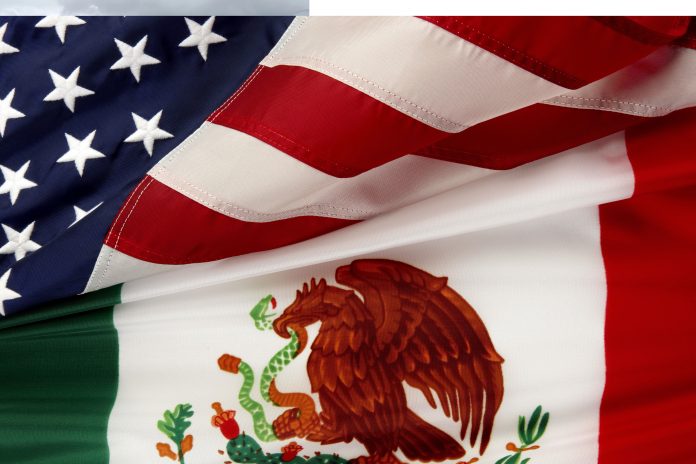
The United States and Mexico are nearing an agreement to reduce or eliminate the 50% tariffs on Mexican steel imports, as reported by Reuters and Bloomberg on June 10, 2025. The deal would allow U.S. companies to import Mexican steel tariff-free up to a certain volume based on historical trade levels, with imports exceeding this quota potentially facing the full 50% tariff. The arrangement may resemble a quota system, though specific volumes and final terms are still under negotiation.

This follows President Trump’s broader tariff policies, which include a 25% levy on imports not covered by the US-Mexico-Canada Agreement (USMCA) and additional tariffs linked to fentanyl concerns. Mexico’s President Claudia Sheinbaum has pushed for clarity to stabilize trade, given that over 80% of Mexican exports go to the U.S. No final agreement has been confirmed, and Trump’s approval is required. The potential U.S.-Mexico trade deal, particularly regarding steel tariffs, carries significant economic, political, and social implications for both nations.

Reducing or eliminating the 50% tariffs on Mexican steel imports could stabilize bilateral trade, which is critical as Mexico is the U.S.’s largest trading partner, with over $800 billion in annual trade under the USMCA. A quota-based system would allow Mexican steel to flow into the U.S. market tariff-free up to a certain volume, preserving cost advantages for U.S. manufacturers reliant on Mexican steel. If the quota is set too low, it could limit Mexico’s steel exports, raising costs for U.S. industries like construction and automotive, which depend on affordable steel.

Conversely, a high quota could flood the U.S. market, potentially harming domestic steel producers. Tariffs increase costs for imported goods, which can drive inflation. A deal to reduce tariffs could mitigate price increases for U.S. consumers and businesses, particularly in industries using steel. However, if negotiations stall or tariffs remain, higher costs could persist, impacting sectors like automotive and infrastructure.

A trade deal could strengthen North American supply chains by ensuring predictable access to Mexican steel, a key input for U.S. industries. This is vital under the USMCA, which emphasizes regional integration. However, uncertainty around final terms could disrupt planning for businesses on both sides of the border. Mexico’s economy, heavily reliant on U.S. exports (over 80% of its total exports), could face significant disruption if tariffs are not reduced. A favorable deal would support Mexican jobs and industries, particularly steel production, while failure to reach an agreement could lead to retaliatory tariffs from Mexico, escalating trade tensions.

President Trump’s push for tariffs, including the 50% on Mexican steel and additional 25% on non-USMCA goods, is tied to his broader agenda of protecting U.S. industries and addressing issues like fentanyl trafficking. A deal could be framed as a win for his administration, balancing protectionism with pragmatic trade relations. However, failure to secure a deal could embolden critics who argue his tariff policies are disruptive.

Mexican President Claudia Sheinbaum’s call for clarity reflects domestic pressure to protect Mexico’s export-driven economy. Her administration’s willingness to negotiate quotas shows flexibility, but Mexico may push back with retaliatory measures if the U.S. imposes harsh terms, potentially straining diplomatic ties. The deal operates within the USMCA, which both nations (along with Canada) signed to promote free trade. A successful agreement could reinforce the USMCA’s relevance, while prolonged disputes might prompt calls for renegotiation, especially with the agreement’s 2026 review approaching.

Trump’s tariffs are partly linked to concerns over fentanyl smuggling from Mexico. A trade deal could include commitments from Mexico to enhance border security, potentially easing U.S. concerns but raising domestic challenges for Mexico in addressing drug cartels. In the U.S., steel tariffs aim to protect domestic jobs in states like Pennsylvania and Ohio, but they risk raising costs for industries employing far more workers, such as automotive manufacturing. In Mexico, tariff reductions would safeguard jobs in steel-producing regions, but restrictive quotas could lead to layoffs.

Border regions, heavily reliant on integrated economies, could benefit from a deal that minimizes trade disruptions. Conversely, prolonged tariffs could harm cross-border commerce, affecting communities in states like Texas and California and Mexican states like Baja California. U.S. steelworkers and unions, particularly in Rust Belt states, support tariffs to protect jobs from foreign competition. However, industries like automotive and construction, along with free-trade advocates, argue tariffs raise costs and harm broader economic interests.

Republicans aligned with Trump’s “America First” agenda favor tariffs, while Democrats and some business-friendly Republicans warn of economic fallout. This split pressures negotiators to balance domestic interests. The U.S. prioritizes protecting its steel industry and addressing fentanyl, while Mexico focuses on preserving export markets and avoiding economic disruption. These differing goals create tension over tariff levels and quotas.

The U.S. links trade to non-trade issues like drug trafficking, which Mexico views as a domestic law enforcement matter, complicating negotiations. U.S. steel producers benefit from tariffs, while manufacturers reliant on affordable steel imports oppose them. In Mexico, steel exporters push for open markets, but other sectors fear U.S. tariffs could trigger broader trade restrictions.

The U.S. aims to curb reliance on Chinese steel (often routed through Mexico), while Mexico seeks to maintain its role as a key U.S. supplier. This global-regional tension shapes the quota discussions, as the U.S. seeks to limit transshipped steel without punishing Mexican producers. A U.S.-Mexico trade deal on steel tariffs could stabilize bilateral trade, lower costs for U.S. industries, and reinforce the USMCA framework, but it hinges on reconciling competing interests.

The divides—between protectionism and free trade, U.S. and Mexican priorities, and industry-specific needs—create a complex negotiation landscape. If successful, the deal could ease economic pressures and strengthen North American integration. However, failure to agree risks escalating tariffs, retaliatory measures, and strained relations, with broader implications for inflation, jobs, and regional stability.

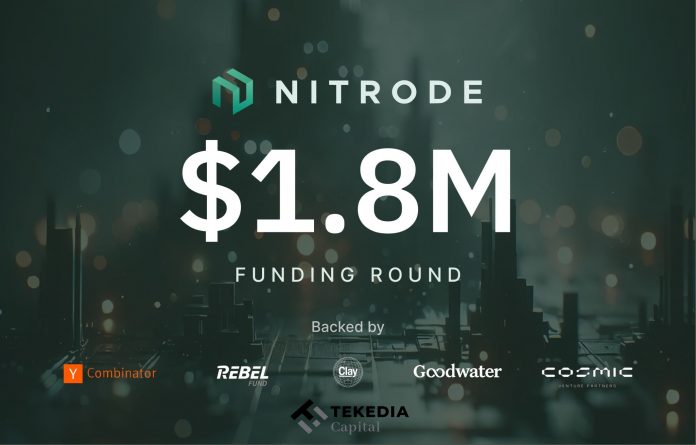
Tekedia Capital congratulates Nitrode for its $1.8 million raise

0

Tekedia Capital congratulates Nitrode for its $1.8 million raise, from some of the leading funds in the world, including Rebel Fund, Rebel Maiora Ventures, Y Combinator, Clay VC, Cosmic Venture Partners, Goodwater Capital, Eight Capital, and Tekedia Capital.

The business model of Nitrode is very refreshing – making gamers to also become creators: “With Nitrode, playing and creating games go hand in hand. Our platform offers a seamless and intuitive space for gamers to discover and play, while our dedicated creation engine (built off of Godot) provides powerful tools to simplify game development and launch. With features such as world generation, code-assist, and a new interface, every developer is now a game developer.” QED.

Visit nitrode.com and experience the “ultimate AI Game Engine: design, script, and deploy—all in one AI-native engine”, and capital.tekedia.com to learn about Tekedia Capital.

Yahoo Mail Launches AI “Catch Up” Feature in Fresh Push to Revive Market Relevance

0

Yahoo Mail is rolling out a new artificial intelligence feature called “Catch Up,” a move that signals the company’s deeper foray into AI as it seeks to modernize and regain relevance in an era dominated by competitors like Gmail and Outlook.

The feature, exclusive to Yahoo Mail’s iOS and Android mobile apps, aims to help users instantly skim through their unread emails with AI-powered summaries and intuitive inbox sorting—presented in a “game-like experience” to make email feel less like work.

To promote the launch, Yahoo has partnered with streetwear label Anti Social Social Club on a limited-edition apparel line dubbed “The Anti Email Email Club.” The collaboration includes T-shirts and sweatshirts and is accompanied by a campaign video featuring comedian Morgan Jay, portraying the chaos of managing incoming emails and how the new AI feature eases the burden.

According to Yahoo, the tool was developed in response to how younger users—Millennials and Gen Z—engage with email. A Pollfish survey commissioned by Yahoo Mail found that while 70% of respondents check their personal email multiple times a day, about half reported missing key events due to a cluttered or overwhelming inbox. Yahoo Mail claims that its AI-powered tool is the first of its kind among email platforms and is designed to streamline this growing demand for more intelligent and intuitive communication management.

Kyle Miller, general manager of Yahoo Mail, said the company is rethinking the email experience to make it less of a burden.

“We’re all ‘anti email’ when it becomes another tiring task,” he said. “If you’re anti how email has worked for decades — welcome to our club.”

A Push for Revival

Yahoo’s latest AI push is more than a product upgrade—it’s part of a broader effort to revive the company’s identity and re-establish a competitive foothold in the internet landscape it once ruled. Founded in 1994 as one of the first web directories and portals, Yahoo was an early leader in email, news aggregation, search, and online advertising. By the early 2000s, Yahoo Mail was the most widely used webmail service globally, dominating the inboxes of millions.

But a series of strategic missteps and missed opportunities eventually sent Yahoo into a long decline. In 2002, Yahoo had the chance to buy Google for $5 billion but walked away. In 2006, it failed to acquire Facebook for $1 billion after backing out of a deal. In 2008, Yahoo rejected a $44.6 billion takeover offer from Microsoft, a decision widely criticized after the company’s market value continued to plummet.

The rise of Gmail, with better storage, smarter spam filters, and faster updates, began to erode Yahoo Mail’s dominance. In 2013, Yahoo suffered a massive data breach that eventually affected all 3 billion of its user accounts—a PR and trust disaster that further weakened the brand.

Despite once being valued at over $125 billion, Yahoo was sold in 2017 to Verizon for just $4.48 billion, and its internet business was merged under a new division called Oath, which also included AOL. In 2021, Verizon sold Yahoo to private equity firm Apollo Global Management for $5 billion, marking a new chapter in the company’s long road to reinvention.

Now operating under Yahoo Inc., the company is trying to rebuild its brand through AI, tapping into the current wave of interest surrounding generative technologies. While competitors like Google have begun integrating AI across their services—such as Gmail’s Smart Reply and Smart Compose—Yahoo’s move with “Catch Up” is a notable attempt to leapfrog years of stagnation and speak directly to mobile-first, younger users who grew up with faster, sleeker alternatives.

While the stakes are high, Yahoo is betting that by blending utility with playful branding—like the “Anti Email Email Club” streetwear—it can begin carving out a niche that’s both functional and culturally resonant. The apparel line, priced between $55 and $99, is available for preorder on Anti Social Social Club’s website.

Only time will tell whether “Catch Up” becomes a turning point. But for a company that helped define the early internet, Yahoo’s return to innovation may be its best shot at rewriting its legacy in the AI age.