DD
MM
YYYY

PAGES

DD
MM
YYYY

spot_img

PAGES

Home Blog Page 115

Why Bitcoin Adoption Is Growing Across Digital Industries

0

Bitcoin began as a small idea in 2009, shared by a few coders online. Now the orange coin shows up in games, song sites, art shops, and many web hubs. Stores that once took only cards now add a clear “Pay with Bitcoin” mark. The shift can look sharp when you scroll fast. Yet it grew in steps, more like a path than a leap. Web fun gave it a shove early on, since people spend money there with less thought. Casino fans read on what to play before they risk real cash on spins. Those same fans saw Bitcoin move funds fast across lands, with less bank fuss and lower costs. After that ease, they asked for the same pay on stream sites, chat apps, and work sites. Soon, web firms saw that this ask came from tech-wise users with cash to spend. The pull did not come from hype alone, since users also liked the feel of full control. The next parts dig into why that pull keeps growing in daily web life.

The Appeal of Decentralized Payments in Gaming and Beyond

In games, time feels loud. Players hate slow bars and late prize pays after a hard win. Bitcoin fits that urge since the net runs day and night, even when banks shut. A teen in Brazil can send coins to a dev in Sweden in under an hour. No bank desk steps in, and no clerk asks why you pay. The game ships a skin or code, and no one can pull the payback. That same speed helps stream sites send small pay to indie acts with less fee loss. Many sites send cash in small bits, and card rails can chew up each bit. Coders also like the clear trail on the chain. Each Satoshi leaves a public mark that acts like a shop log you can check. Bad go-betweens find it harder to skim funds when all moves leave marks. This mix of speed and clear logs suits web play, since it feels as quick as a click.

Lower Fees and Stronger Security for Online Shops

Small web shops live on thin gains. Each card swipe can take three to five percent in fees. For a niche shop, that bite can block new stock or force a close. Bitcoin can cut that cost for many sales. Net fees move up and down, yet they often sit well under one per cent. Some shops group many sales into one send, so each sale costs less. Fraud adds more harm, and the pain lands on the shop, not the thief. With Bitcoin, a buyer can not force a payback after the shop sends a file or key. Buyers win too, since they do not hand out card data that can leak later. They pay with a one-time code, and they keep their key at home. These cuts and gains help small shops take on big ones in art, class files, and fan goods. Each saved cent can fund new work, so more shops give that orange mark a top spot.

Empowering Creators and Gig Workers

Gig work runs on quick swaps of worth. A design pro sends a logo file. A host drops a bonus show, or a gamer streams a speed run. Big pay sites tend to pay in lumps, and they can make folks wait days. If you live far from the Northlands, bank fees can feel like a fine on your own time. Bitcoin gives a self-run path that cuts out that wait. A singer can place a QR code under a clip and take tips right from fans. A writer can lock a paid post, then open it when a small coin sum lands. The net has no border, so a fan in Kenya can pay a coder in Poland. This kind of peer pay makes tiny tips make sense again. One tip may seem small, yet many tips can pay rent or gear in the end. The chain also lets a donor check the pay code, so fans know the right person got it.

Looking Ahead: Obstacles and Opportunities

No wave moves in a clean line, and Bitcoin has rough spots. Big price swings scare new folks who fear a ten-dollar pay may drop to eight by night. Power use draws loud talk, even as many miners chase cheap green power. Some tap spare hydro in far hills, while some burn waste gas that firms once flared. Law rules add drag too, since some lands back the tech and some set tight bans. Yet each snag can spark a fix and lift trust over time for most users. Price risk pushes more sites to swap coins for local cash at the sale time. Many firms use fast swap tools, so a sale ends in local cash at once. Mixed law rules push devs and law folk to talk, not fight. Most users like that calm, direct flow. To sum up, Bitcoin has entered web life since it saves time, cuts fees, and fits world trade. If these fixes keep pace, the coin may feel like a plain choice online.

Why Trust Is Everything in Sports Betting Platforms

3

Sports betting can feel like a ride at a fair. Odds jump, hands sweat, and cash moves with each play. Trust has to stay steady. You give a site your cash, your name, and time you will not get back. You also share your phone and mail, so the site must guard them well. The site must earn that deal on every page. A clean pay flow helps a lot. If a site takes a card or coin fast, you feel less doubt. Crypto adds a good test here. A solid bitcoin casino can accept bitcoin in minutes and show a clear log. You see the sum, the fee, and the time stamp at once. That proof feels like a ref you can trust. When a site drags a cash out or adds odd rules mid-way, trust cracks, most people can lose a bet and stay calm. They do not stay calm when the site plays games with the cash. Without trust, the best odds and the best look mean nothing. Fans walk away the same day.

The Foundation of Fair Play: Transparency

A good book of rules sets the tone. Odd teams set odds, so they must show the main math. You do not need code on screen, but you need plain words. A short note on how odds shift can help. The site also needs clear pay math for wins, void bets, and ties. Bonus deals can turn sour fast, so the site must list each term. Roll rules, time caps, and max wins must sit in one clear spot. A new fee at cash out can spark rage, even if it stays small. Good sites show fees, caps, and all past bets in a clean log. They show odds at click time, not just the end score. A clear bet slip, with date and team, saves you from mix-ups later. Help also needs to stay open. Live chat, mail, and a help page let you check a rule on your own. Clear rules cut stress and let the game feel fun again.

Licensing and Regulation: The Legal Backbone

Law talk sounds dry, yet it guards the whole game. A real license means a site met tough tests. Two big names come up a lot: the UK Gambling body and the Malta group. These teams check funds, fair play, and care for the user. They can also push lab tests on game code and pay logs. A site that holds more than one license adds more guardrails. If a fight starts, you can file a claim with the rule group. The firm then must show notes and facts, not just kind words. Fines can hurt, and loss of a license can end the shop. That risk cuts scams, since a bad move costs real money. A good site shows its license id on the home page and in the footer. It also shares a clear path for dispute steps, so you know where to go when things break.

Secure Technology: Protecting Data and Money

Trust falls apart when tech fails. A site must lock data like a bank. New TLS 1.3 can mask each data bit as it moves. Hackers then see noise, not your info. Two-step sign-in adds one more lock at login. You use a pass plus a phone code or key. The site should keep its SSL cert fresh and valid. Most users spot the lock sign and feel safer. Firewall tools can scan network traffic all day. They can spot odd moves and block them fast. On the pay side, a site can keep card data off its own box. It can store a safe tag in its place. Good teams run pen tests on a set beat, not just once a year. They train staff to spot fraud, since humans slip and break locks fast, too. They fix weak spots fast and log the work. When a site shares the date of its last audit, it shows care, not luck. Strong tech turns big words about trust into daily proof.

Final Whistle: Trust Wins the Game

To sum up, stats, law, and tech form the frame, but real fans give the proof. You learn fast from what users say in the open. Forum posts share the good and the bad with blunt ease. Many praise a site when it pays fast and keeps odds fair. Many also warn others when cash outs drag for days. Social apps spread each tale in minutes, so a site cannot hide. A strong brand will reply in public and keep a clear log of each fix. Rank sites and vet crews add one more view. They line up bonus size, bet types, and help score in one grid. Over time, you see a clear trend. Even small acts, like fast chat, can tip a new user to stay. The sites that pay on time and keep rules clear win loyal fans. The sites that stall, dodge, or mute users fade out. Trust keeps the stands full long after the last buzzer.

Nvidia’s H200 Becomes a New Fault Line in U.S.–China Tech Rivalry as Trump Clears Exports, Beijing Pushes Back

0

The Trump administration has announced a decision to formally approve exports of Nvidia’s H200 artificial intelligence chips to China, reopening one of the most sensitive fronts in U.S.–China relations.

How far Washington should go in restricting advanced technology without undermining its own industrial champions has been a critical issue in its recent trade policies.

Under new rules unveiled Tuesday, Nvidia can resume China-bound sales of its second most powerful AI chip, but only under a tightly controlled framework that reflects the competing priorities at play. Each shipment of H200 chips must be vetted by an independent third-party testing lab to confirm technical specifications, while exports to China cannot exceed 50% of the total volume sold to U.S. customers. Nvidia must also certify that sufficient supply remains in the United States, and Chinese buyers are required to demonstrate “sufficient security procedures” and pledge not to use the chips for military purposes.

Those guardrails did not exist previously and mark a shift from the Biden-era approach, which broadly barred sales of advanced AI chips to China. In a statement, Nvidia welcomed the move, saying President Donald Trump’s decision “strikes a thoughtful balance that is great for America” and allows U.S. companies to compete globally rather than ceding ground to foreign rivals already under sanctions.

“The administration’s critics are unintentionally promoting the interests of foreign competitors on U.S. entity lists,” Nvidia said, arguing that participation in “vetted and approved commercial business” supports American jobs and technological leadership.

Chinese technology companies have reportedly placed orders for more than 2 million H200 chips, priced at roughly $27,000 each, far exceeding Nvidia’s current inventory of about 700,000 units. Nvidia CEO Jensen Huang said last week at the Consumer Electronics Show in Las Vegas that the company is ramping up production amid surging global demand, with competition for H200 access already driving up cloud-computing rental prices.

Yet even as Washington clears the way, Beijing appears to be slamming on the brakes. Reuters reported, citing people familiar with the matter, that Chinese customs authorities have told agents that H200 chips are not permitted to enter the country, and domestic technology firms were summoned to meetings this week where officials instructed them not to purchase the chips unless absolutely necessary.

“The wording from the officials is so severe that it is basically a ban for now,” one source said, though they cautioned the stance could change as negotiations evolve.

Authorities have not clarified whether the directives apply to existing orders or only new purchases, and Chinese regulators have offered no public explanation.

That ambiguity has fueled speculation about Beijing’s motives. Analysts say China may be weighing whether to block the H200 outright to give domestic chipmakers more breathing room, or whether the restrictions are a tactical move to extract concessions from Washington ahead of President Trump’s planned April visit to Beijing for talks with Xi Jinping.

“Beijing is pushing to see what bigger concessions they can get to dismantle U.S.-led tech controls,” said Reva Goujon, a geopolitical strategist at Rhodium Group.

From Washington’s perspective, the decision has already drawn sharp criticism from China hawks. Saif Khan, who served as director of technology and national security on the White House National Security Council under former President Joe Biden, warned that the rule could dramatically boost China’s AI capabilities.

“The rule would allow about two million advanced AI chips like the H200 to China, an amount equal to the compute owned today by a typical U.S. frontier AI company,” Khan said, adding that enforcing customer vetting and preventing misuse by Chinese cloud providers would be extremely challenging.

The H200 sits at the center of this debate because of its performance. It delivers roughly six times the capability of the H20 chip, a weaker product that Trump banned and later allowed last year, only for Beijing to effectively block its import by August. That episode led Huang to say Nvidia’s share of China’s AI chip market had fallen to zero.

While Chinese firms such as Huawei have rolled out alternatives like the Ascend 910C, industry experts say Nvidia’s H200 remains far more efficient for training large, advanced AI models at scale. That efficiency is precisely what alarms U.S. lawmakers concerned about military and surveillance applications, even as the Trump administration argues that controlled exports could slow China’s drive to build fully indigenous replacements.

There is also a financial dimension. Re-entering the Chinese market would generate billions of dollars in revenue for Nvidia and significant income for the U.S. government, which is set to collect a 25% fee on approved chip sales. White House AI czar David Sacks and others contend that keeping China dependent on U.S. technology is preferable to pushing it into accelerating domestic alternatives beyond Washington’s reach.

Still, with Chinese officials signaling resistance and U.S. critics warning of strategic fallout, the fate of the H200 remains uncertain.

Inside Saks Global’s Collapse: How a Luxury Powerhouse Ran Out of Cash and Ended Up in Chapter 11

0

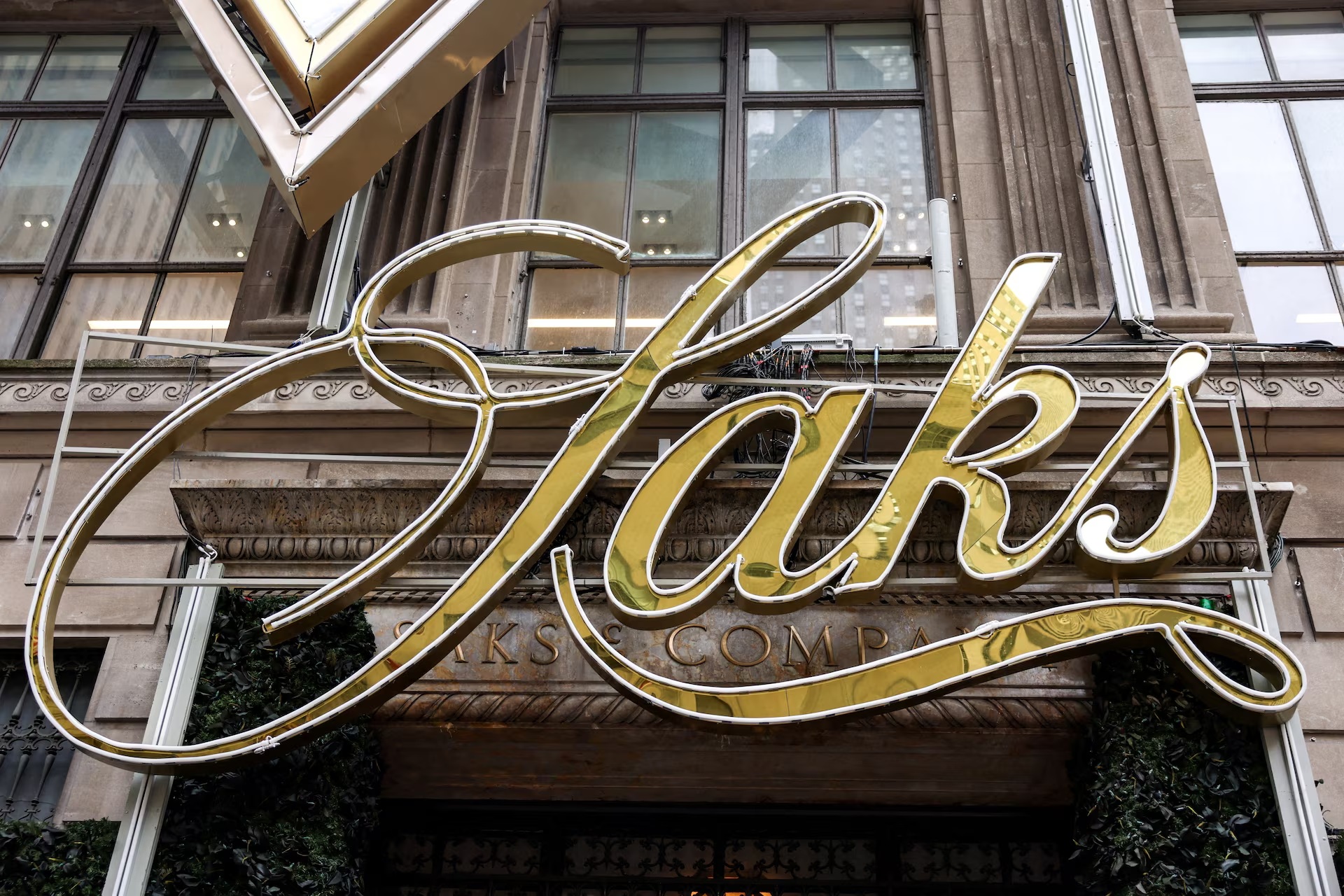
Saks Global, the owner of some of the most storied names in American luxury retail, has entered Chapter 11 bankruptcy protection, marking a dramatic fall for a business that once symbolized stability and prestige at the top end of the fashion market.

The filing, made after the company ran out of cash and failed to secure fresh investor backing, gives Saks Global breathing room to restructure its balance sheet, renegotiate debts and possibly find a buyer willing to keep the business alive. Without that protection, the company was edging dangerously close to a Chapter 7 liquidation that would have meant shutting down operations entirely.

As part of the restructuring effort, Saks announced an abrupt leadership change. Former Neiman Marcus chief executive Geoffroy van Raemdonck has been appointed CEO with immediate effect, replacing Richard Baker, who had held the role for just two weeks. The company also said it has secured about $1.75 billion in financing commitments aimed at stabilizing operations during the bankruptcy process.

The announcement follows weeks of mounting distress. Late last month, Saks missed an interest payment to bondholders, a red flag that made a bankruptcy filing increasingly inevitable. As recently as last week, the retailer was struggling to line up even $1 billion in debtor-in-possession financing, the lifeline that allows companies to keep paying staff and suppliers while they restructure. Failure to secure that funding would likely have forced a liquidation.

What remains unresolved is the fate of Saks Global’s nearly 200 stores across its portfolio, which includes Saks Fifth Avenue, its off-price chain Saks Off 5th, Neiman Marcus, and Bergdorf Goodman. Chapter 11 opens several paths. A well-capitalized buyer could acquire the entire group as a going concern. Alternatively, the company could be broken up, with premium assets such as Bergdorf Goodman sold separately. In a more drastic scenario, Saks could follow the path of Lord & Taylor, closing physical stores and pivoting to an online-only model.

The roots of the crisis run deeper than the bankruptcy filing itself. Saks had been under financial strain even before its ambitious 2024 acquisition of longtime rival Neiman Marcus in a $2.7 billion deal largely financed with debt. That transaction was meant to be transformative. Management pitched it as a way to create a luxury department store heavyweight with greater scale, stronger negotiating power with brands, and a more efficient cost structure.

The deal also brought in high-profile investors from the technology sector, including Amazon and Salesforce, injecting new capital and raising expectations that the combined group would finally turn the corner. At the time, Saks said the merger would provide “significant liquidity” and reduce leverage over time.

Instead, the opposite happened. While the acquisition briefly improved vendor payments, Saks soon imposed 90-day payment terms, a move that infuriated brands already wary of the retailer’s finances. Many suppliers said the conditions were too burdensome, particularly for smaller luxury labels that rely on faster cash cycles. As relationships frayed, Saks again fell behind on payments, prompting brands to cut back deliveries or pull out altogether.

That breakdown in supplier trust quickly showed up on the sales floor. With fewer products available, assortments thinned, customer traffic suffered, and revenue weakened further. Meanwhile, the company’s heavy debt load became increasingly visible in the bond market, where its notes began trading well below face value, signaling growing doubts about its ability to meet interest obligations.

Management tried to buy time. Over the summer, Saks raised $600 million in new financing and sold valuable real estate assets to shore up liquidity. Those moves delayed the reckoning but did not address the underlying problem: a highly leveraged business struggling to generate enough cash in a luxury retail environment that has become less forgiving, even for brands catering to wealthy shoppers.

Now, the future of Saks Global rests on whether the bankruptcy process can succeed where previous efforts failed. Van Raemdonck’s return to the helm suggests a renewed focus on operational discipline and repairing relationships with brands. The secured financing provides a runway, but it does not guarantee survival.

In the coming weeks, creditors, potential buyers, and suppliers will determine whether Saks Global can be reshaped into a leaner luxury retailer or whether one of America’s most iconic department store groups will be dismantled, asset by asset, marking the end of an era for brick-and-mortar luxury retail.

Tekedia AI Lab Begins On Jan 24; Register Today

0

Join us as the next edition of Tekedia AI Lab begins on Jan 24. In this edition, you will learn how to transform your personal computer into a mini-ChatGPT, configure and deploy intelligent AI agents on VPS servers, build and launch systems through vibe-coding ecosystems, and much more.

If you want to understand, build, and deploy AI, not just use it, this is your moment. Register here.

Remember, when you register for Tekedia AI Lab, you get Tekedia AI in Business Masterclass free.