DD
MM
YYYY

PAGES

DD
MM
YYYY

spot_img

PAGES

Home Blog Page 1167

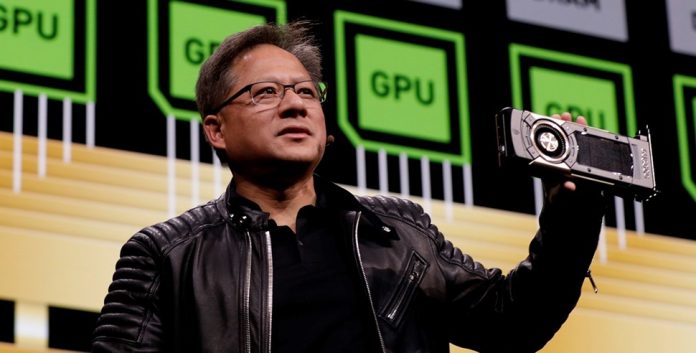
Nvidia CEO Jensen Huang Hails AI as The “Great Equalizer For Programming

0

Nvidia CEO Jensen Huang has described Artificial Intelligence (AI), as a transformative force, dubbing it a “great equalizer”, for its ability to let anyone program using everyday language.

He made this statement at the London Tech Week on Monday, noting that the core tech skill was once complex, which required mastery of programming languages and system design. “We had to learn programming languages. We had to architect it. We had to design these computers that are very complicated,” he said.

CEO Huang, whose company engineers some of the world’s most advanced semiconductors and AI chips, highlighted that very few people know how to use programming languages like C++ or Python, but “everybody knows ‘human’.”

“The way you program a computer today, to ask the computer to do something for you, even write a program, generate images, write a poem — just ask it nicely,” he said. “And the thing that’s really really quite amazing is the way you program an AI is like the way you program a person.”

With conversational AI chatbots emerging, users can now interact easily and naturally with computers, the way they want. Several chatbots and AI tools enable programming through natural language, allowing users to code, debug, or generate scripts without deep knowledge of programming languages.

Below are some notable examples:

ChatGPT (OpenAI)

Users can ask ChatGPT to write code in languages like Python, JavaScript, or C++, debug errors, or explain code snippets. For example, they can prompt it to “write a Python script to sort a list” or “fix this buggy JavaScript function.” It supports a conversational approach, refining code based on follow-up requests.

Popular among developers and non-coders alike, with OpenAI reporting 400 million weekly active users as of February 2025. It’s used by businesses (3 million paying users) for tasks like automating workflows or generating scripts.

Grok 3 (xAI)

Grok, built by xAI, supports natural language programming, enabling users to generate code, execute simple scripts, or troubleshoot errors by describing tasks in plain English. For instance, users could say, “Create a Python function to calculate Fibonacci numbers,” and it will provide a working solution. It can also assist with visualizing basic charts or executing code in a canvas panel.

Gemini (Google)

Gemini allows users to generate code, explain programming concepts, or automate tasks through conversational prompts. It supports multiple languages and can handle complex queries like “write a React component for a to-do list.”

Integrated into Google’s ecosystem, it’s used for both personal and professional coding tasks, competing closely with ChatGPT.

Copilot (Microsoft)

Powered by OpenAI’s tech, Copilot is tailored for developers, integrating directly into IDEs like Visual Studio Code. It suggests code completions, generates functions, and supports natural language queries like “create a REST API in Node.js.” It’s particularly strong for real-time coding assistance.

Claude (Anthropic)

Offers conversational coding support, focusing on safe and interpretable outputs. It can generate and debug code but is less widely discussed for programming compared to ChatGPT or Copilot.

These tools leverage large language models (LLMs) trained on vast datasets, including code repositories, enabling them to understand and generate code from human-like prompts.

As Nvidia’s Jensen Huang noted, this “human” programming language democratizes coding, letting anyone from beginners to experts create software by describing tasks naturally. He further touted AI’s ability to help workers do their jobs more efficiently, encouraging them to embrace the technology as they look to make themselves valuable in the workplace.

The Impact of Data and Analytics on Modern Sports Betting

2

Sports betting used to be based on intuition, luck, and rumors. People argued with friends, made predictions on a whim, and relied on lucky signs. Today, everything has changed.

Modern bettors rely on numbers, predictions, and sportsbook odds, which are formed taking into account a vast array of statistics and algorithms. Technology has changed the game. You can see the emergence of services that analyze every little thing — from the form of the team to the weather conditions. All this has given players a new level of understanding.

One of the key players in the digital transformation of betting is the MyBookie platform — an online portal offering a diverse range of slot machines, live games, and sports betting options. There, data and analytics are not just empty words but full-fledged tools for informed decision-making.

This approach to service delivery increases consumer interest. For example, Front Office Sports conducted a study that showed that Americans will bet a record $147.9 billion on sports events in 2024. These figures are 23.6% higher than in 2023. More than 95% of these bets were made online.

How Big Data Changed the Approach to Betting

Sporting events generate terabytes of information in the age of digitalization. Every touch of the ball, every action of an athlete, is a number. Bookmakers use this data to calculate probabilities with almost mathematical precision. Some platforms even create machine models that learn from previous matches and predict future events with incredible accuracy.

Analysts build models that take into account dozens of factors, including injuries, history of personal meetings, home and away statistics, and the number of goals scored in recent games. This makes betting more conscious than ever. Even a beginner can operate with numbers and draw more logical conclusions.

This is also a huge plus for players. Now, they can compare sportsbook odds, monitor changes in odds in real-time, and choose a profitable moment to bet. All this makes the process less gambling and more strategic. The ability to react in time to a change in the line can be decisive.

Primary Sources of Sports Analytics

There are an increasing number of sources of data and analytics. You should understand which of them helps to make informed decisions. Using different information channels allows the bettor to form the most complete picture of what is happening.

Here is what the most advanced bettors use:

  • official sports databases;
  • analytical platforms with forecasts;
  • apps with live statistics;
  • bloggers and sports analysts;
  • betting history and trends;
  • video platforms with match analysis;
  • insider Telegram channels and forums.

Each source complements the overall picture. Some turn to expert forecasts, while others build their tables and calculate the probability of outcomes. The main thing is to use data wisely and not unthinkingly follow someone else’s opinion. By combining sources, you can significantly increase the accuracy of your analysis.

Conclusion

Modern sports betting is not just a game of chance. It is a world where numbers, models, and predictive algorithms rule. Those who know how to use them get a real advantage.

You don’t need to be a mathematical genius to understand the basics. All you need to do is turn on your brain, use proven sources, and be able to analyze them effectively. Then, betting turns from a blind risk into a conscious strategy. And that’s an entirely different game.

If you’re looking for a platform where technology seamlessly combines with excitement, try MyBookie. The bookmaker platform provides its visitors with numerous useful and practical tools. They will help you make more accurate predictions for sports events.

Amazon Commits $20 Billion to Pennsylvania For AI And Cloud Computing Data Centers

0
Amazon has been investing in India

Tech giant Amazon has announced plans to invest at least $20 billion in Pennsylvania to expand its data center infrastructure to support Artificial intelligence (AI) and cloud computing technologies.

This landmark investment, the largest private sector commitment in Pennsylvania’s history, is projected to create at least 1,250 high-skilled jobs, including roles for Data Center engineers, network specialists, operations managers, and security experts. It will also support thousands of local construction jobs, and positions in the data center supply chain as well as other jobs in the local communities.

Amazon’s recent investment, follows its recent U.S wide investments in generative AI and cloud infrastructure, reinforcing its commitment to U.S leadership in AI and enabling customers from startups to government agencies to leverage AI for innovation, cost reduction and agility.

Commenting on this investment, Governor of Pennsylvania Josh Shapiro said,

Pennsylvania is competing again and I’m proud to announce that with Amazon’s commitment of at least $20 billion to build new state-of-the-art data center campuses across our Commonwealth, we have secured the largest private sector investment in the history of Pennsylvania. This initial investment from Amazon will create thousands of good-paying, stable jobs as Pennsylvania workers build, maintain, and operate the first two data center campuses in Luzerne County and Bucks County.

“Our team worked closely with local leaders and Amazon to land this deal, and we continue to be actively engaged on securing additional sites in Pennsylvania—helping them secure local support, developing the infrastructure needed to support more data centers, and ensuring our permitting processes move quickly and efficiently. With this historic announcement, we’re creating opportunity for our workers, generating new revenue for our local communities, and ensuring the future of AI runs right through Pennsylvania.”

Also speaking David Zapolsky, Amazon’s chief global affairs and legal officer said,

“Amazon’s multi-billion-dollar investment in Pennsylvania reinforces our dedication to advancing AI innovation while creating lasting economic opportunities in the state. By expanding our cloud computing infrastructure, we’re investing in Pennsylvania’s future through new jobs, workforce development programs, and community initiatives. We look forward to helping drive the next generation of technology innovation, while delivering meaningful benefits for Pennsylvania residents.”

Amazon’s investment builds on its existing Pennsylvania footprint, which includes $26 billion invested since 2010, over 27,000 direct jobs across 23 fulfillment centers and 20 delivery stations, and an additional 37,100 indirect jobs,

Since first establishing cloud computing infrastructure in the U.S. in 2006, Amazon Web Services (AWS) has been creating jobs, economic growth, education and training opportunities, and much more for the people who live and work in the communities where we operate.

Since 2011, the tech giant has invested more than $156 billion in its four AWS infrastructure Regions in the U.S. This investment has supported more than 37,000 full-time equivalent jobs across the country annually and generated more than $51 billion to the nation’s gross domestic product (GDP). It also has positive ripple effects in communities across the country.

Amazon’s $20 billion investment in Pennsylvania significantly strengthens its position in the AI race by enhancing AWS’s infrastructure, accelerating hardware and software innovation, and fostering economic and political goodwill. It positions Amazon to compete more effectively against Microsoft, Google, and OpenAI by offering scalable, cost-efficient AI solutions and attracting top talent.

Notably, enhanced infrastructure could enable AWS to support emerging AI paradigms, such as multi-modal models or AI agents that perform complex tasks autonomously. This aligns with Amazon’s stated goal of building the “technology backbone for the next generation of generative and agentic AI,” potentially capturing a larger share of the enterprise AI market.

Tether Mints $1B USDT On The Tron Blockchain

0

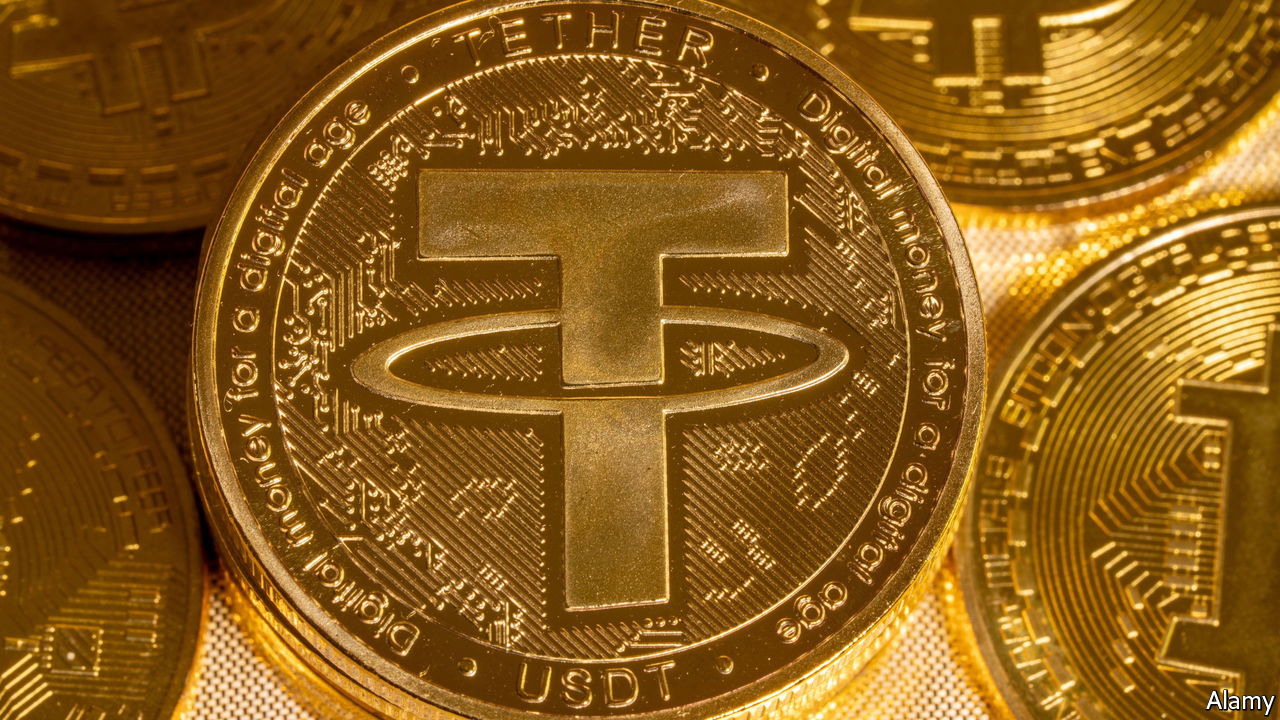
Tether minted $1 billion USDT on the Tron blockchain, as reported by multiple sources including Whale Alert and blockchain analysts. This minting, equivalent to approximately $1,000,799,999 USD, occurred at the Tether Treasury and is part of a pattern of significant USDT issuances on Tron, which now hosts $76 billion of USDT, surpassing Ethereum’s $63.2 billion. The total circulating supply of USDT is around 156 billion. This move is seen as a major liquidity injection into the crypto market, often correlating with bullish momentum, as Bitcoin rose 1.53% to $106,750 following the mint.

Analysts suggest this could signal increased trading volume and potential price surges for assets like Bitcoin, Ethereum, and Tron’s TRX, with traders advised to monitor BTC dominance and DeFi protocol activity in the next 48 hours. The minting of $1 billion USDT on the Tron blockchain by Tether Treasury has significant implications for the cryptocurrency market, with both positive and contentious aspects.

The issuance of $1 billion USDT injects substantial liquidity into the crypto market, particularly on the Tron network, which now holds $76 billion in USDT, outpacing Ethereum. This increased liquidity can facilitate higher trading volumes across exchanges and DeFi platforms, potentially driving price appreciation for major cryptocurrencies like Bitcoin, Ethereum, and Tron’s TRX.

Historical data suggests USDT minting often correlates with bullish market sentiment. For instance, Bitcoin rose 1.53% to $106,750 shortly after the mint, indicating immediate market impact. Tron’s dominance in USDT circulation strengthens its position as a leading blockchain for stablecoin transactions, particularly in DeFi protocols and cross-border payments. This could attract more developers and users to Tron-based platforms, enhancing network activity and TRX value.

The minting supports stablecoin-driven trading pairs, which are critical for arbitrage and hedging strategies in volatile crypto markets. Large USDT mints often spark debates about market manipulation. Critics argue that unbacked or excessive USDT issuance could artificially inflate crypto prices, creating bubbles. Tether’s history of regulatory scrutiny, including fines for misrepresenting reserves, fuels skepticism about the transparency of such mints.

However, Tether’s CEO, Paolo Ardoino, has clarified that mints are often pre-authorized inventory for future demand, not necessarily immediate circulation, which may mitigate some concerns. The minting widens the gap between Tron and Ethereum in USDT dominance, with Tron’s $76 billion USDT supply surpassing Ethereum’s $63.2 billion. This shift highlights Tron’s growing role in stablecoin infrastructure, driven by lower transaction fees and faster processing times compared to Ethereum.

Ethereum proponents argue that its ecosystem remains superior for smart contract complexity and institutional adoption, creating a divide in community preferences and investment strategies. Large-scale USDT minting can influence global crypto adoption, especially in regions reliant on stablecoins for remittances or as a hedge against fiat currency volatility. However, it also attracts regulatory attention, as authorities in the U.S., EU, and elsewhere scrutinize Tether’s reserve backing and compliance.

The mint could prompt further regulatory discussions, especially given recent calls for stricter oversight of stablecoin issuers following market volatility in 2022-2023. Traders and investors view large USDT mints as a signal of incoming capital and bullish momentum. The liquidity injection is seen as a catalyst for price rallies, particularly for Bitcoin and altcoins, as observed with Bitcoin’s 1.53% increase post-mint.

Supporters of Tron argue that its growing USDT dominance underscores its scalability and cost-efficiency, positioning it as a superior blockchain for stablecoin transactions. This could drive further adoption of TRX and Tron-based projects. DeFi users see the mint as a boon for decentralized platforms, enabling more lending, borrowing, and yield farming opportunities on Tron’s ecosystem.

Skeptics, including some X users and analysts, question Tether’s reserve backing, citing past controversies like the 2021 CFTC fine for misleading claims about USDT’s fiat collateral. They argue that unchecked minting could destabilize markets if reserves are inadequate. A segment of the community believes large mints are used to artificially prop up prices, benefiting whales and exchanges while exposing retail investors to risks of sudden corrections.

Ethereum advocates downplay Tron’s USDT dominance, emphasizing Ethereum’s broader utility in DeFi, NFTs, and institutional adoption. They view Tron’s rise as limited to stablecoin transactions rather than a comprehensive blockchain solution. Traders should monitor Bitcoin dominance, trading volume on Tron-based exchanges, and DeFi protocol activity. A sustained Bitcoin rally above $106,750 or a surge in TRX could signal broader market momentum.

The growing USDT supply on Tron may solidify its role in stablecoin markets, but regulatory developments could impact Tether’s operations. Investors should diversify across stablecoins (e.g., USDC) and monitor Tether’s reserve audits for clarity on backing. Those bullish on Tron and USDT should watch for DeFi growth, while skeptics may prefer Ethereum-based assets or non-stablecoin cryptocurrencies to hedge against potential Tether-related risks.

Solaxy Slide Over Because Neo Pepe Coin Here to Reshape Solana and Ethereum

0

Memetrix Activation Sends Investors Into Overdrive

This early stage crypto project has emerged as one of the most exciting crypto presales currently gaining massive traction in the space.

Neo Pepe ($NEOP) is erupting onto the crypto scene with energy that has investors scrambling for presale access. It stands at the forefront of crypto presale trends, offering more than hype. It’s backed by clear tokenomic engineering, advanced DAO integration, and transparent, immutable DeFi mechanics. Built atop Ethereum and themed around the narrative-laced “Memetrix”—a conceptual digital battleground for decentralization—Neo Pepe fuses deep community ethos with ironclad financial architecture. Analysts tracking market behavior are now openly suggesting that $NEOP may10x in value before its presale concludes.

With its presale launching at $0.05 and climbing toward $0.16 through 16 meticulously priced stages, this best memecoin presale offers one of the most calculated and structured price ladders in memecoin history. Urgency is baked directly into the model—an escalating structure that simultaneously incentivizes early adoption and drives token scarcity. At the same time, foundational mechanisms like auto-liquidity injection and hourly unlocks prevent the boom-and-bust patterns that have plagued other memecoins.

Smart Mechanics Reward First Movers Fast

The Neo Pepe tokenomics are another area where it triumphs. Designed for long-term viability and early-stage reward, the breakdown ensures clarity and intention across all allocations

Allocation Percentage Purpose
Presale 45% Fair launch with staged pricing
Marketing 25% Global outreach, partnerships
Development 10% Ecosystem upgrades, maintenance
Liquidity 10% DEX liquidity and incentives
Ecosystem 5% Community initiatives, grants
Giveaways 5% Promotional events and airdrops

Each stage of the presale has a limited token cap, ensuring rising scarcity as time progresses. Once a stage sells out, the next tier price is immediately active. This model turns every token acquisition into a high growth crypto opportunity with embedded FOMO mechanics.

The tokenomics also speak to the ethos of long-term engagement. By rewarding both early contributors and future developers, the design acknowledges the full life cycle of a token—from hype to utility to maturation.

Smartest Presale Setup Investors Have Ever Seen

Neo Pepe distinguishes itself from countless memecoins by building investor trust from day one. Unlike hastily-launched meme projects with anonymous founders and vague tokenomics, Neo Pepe is transparent and verifiable:

  • Immutable Smart Contracts: Developed using OpenZeppelin standards, these contracts cannot be altered or revoked.
  • Hourly Token Unlocks: Instead of cliff-vesting or single massive drops, token releases occur hourly post-launch, offering measured entry and reducing market dumps.
  • LP Token Burns: With every buy and sell, 2.5% of the transaction value is used for liquidity and the LP tokens are immediately burned, making the liquidity permanent and unrecoverable.

The burn mechanism in particular represents a bold design philosophy. By reducing circulating supply over time, Neo Pepe effectively combats inflationary pressures common to meme-based assets. This strategy elevates the project above temporary hype cycles and fosters long-term investor confidence. Together, these elements make Neo Pepe a premium crypto launch project that institutional analysts and grassroots investors alike are paying close attention to.

$NEOP Governance Isn’t Theory—It’s Total Control

At the heart of Neo Pepe lies its decentralized autonomous organization (DAO), which is not just a placeholder—it’s functional, transparent, and powerful. Unlike memecoins that claim community involvement with no actual governance infrastructure, Neo Pepe uses a full on-chain system to enforce participation.

  • Governor Contract: The primary DAO contract through which all proposals and votes are executed.
  • TimelockController: Ensures a 48-hour delay post-vote approval before execution, giving time for deliberation and protection against rash decisions.
  • Gnosis Safe + Zodiac Integration: Used to connect the treasury with the DAO while enforcing strict multisig security.

All community members with at least 1 million $NEOP (a threshold designed to balance participation with commitment) can propose governance changes. Token holders control listings, treasury allocations, burns, marketing partnerships, and future strategic pivots. This creates a crypto investment star built not by central developers but by its own users.

The transparency of this system is enhanced by public dashboards that allow anyone to view proposals, voting results, and the current status of the treasury. This level of openness is rare, and it places Neo Pepe among the few crypto assets where governance is both accessible and consequential.

Why No Other Token Stands a Chance

Neo Pepe’s dominance isn’t just theory—it’s evident in the metrics, structure, and comparisons with other trending presales. Competitors like Catslap (SLAP), Bitcoin Bull (BTCBULL), and Solaxy (SOLX) offer hype-driven opportunities, but Neo Pepe surpasses them in real utility and investor protection.


Feature Neo Pepe SLAP BTCBULL SOLX
Token Unlocking Hourly, post-launch Instant Vesting-based Flat
Governance True DAO Centralized Minimal Limited
Auto-Liquidity 2.5% Burned None Partial Locked
Exchange Listing Power Community-Decided Founder-Decided Founder-Decided Founder-Decided
Smart Contract Audits OpenZeppelin-Based None Unverified Partial

Neo Pepe’s smart architecture has pushed it far ahead on all key performance indicators. Communities tracking crypto presale trends see it not just as a meme token—but as a decentralized movement.

No Wallet? No Problem—Multi-Chain Payments Live

Neo Pepe is fully ERC-20 compatible and accessible via MetaMask, Trust Wallet, and other leading Ethereum-based wallets. Purchases can be made using ETH, USDT, or USDC across the Ethereum, Base, and Binance Smart Chain (BSC) networks—ensuring broad compatibility and ease of participation for users on any major chain.

This accessibility is another reason it’s quickly being regarded as a best token opportunity. By eliminating friction at the point of entry, Neo Pepe attracts both experienced crypto veterans and first-time buyers.

Multichain support isn’t just convenience—it’s strategy. The wider the net, the greater the capital inflow, and Neo Pepe has optimized this aspect to perfection. Few presales manage such seamless integration across major networks.

Secure Your Stake Before Price Accelerates

Acquiring Neo Pepe during its presale is straightforward:

Step 1: Set up an ERC-20 wallet such as MetaMask
Step 2: Fund it with ETH, USDT, or USDC
Step 3: Connect to the official presale site
Step 4: Swap your tokens for $NEOP
Step 5: Confirm the transaction and secure your tokens
Step 6: Prepare for hourly token unlocks after launch

This crypto opportunity now is time-sensitive. Each passing stage reduces the remaining allocation and raises the token price, making immediate participation critical for maximizing potential upside.

Analysts See $NEOP as Market’s Next Breakout

Several indicators are fueling speculation that $NEOP may experience a 10x run-up before even reaching CEX listings:

  • Limited Supply: 1 billion token cap with strict per-stage allocations
  • Massive Engagement: Thousands joining from Telegram, Discord, and Twitter channels
  • Real-World Utility: DAO-powered decision-making and treasury governance
  • Deflationary Mechanism: Auto-burns reduce supply over time
  • Rapid Stage Progression: Presale stages are closing faster than expected due to FOMO

Neo Pepe is also benefiting from a powerful narrative. The Memetrix theme resonates deeply with communities tired of centralized control, and that resonance translates to real capital. It’s more than a meme—it’s a manifesto.

These fundamentals, combined with flawless execution thus far, suggest Neo Pepe could soon join the ranks of crypto’s rising stars, but with governance tools even giants like Shiba Inu and Dogecoin lack.

Final Call to Escape Crypto Illusion

Neo Pepe is about more than just hype. It is a mission to return power to the crypto community. By buying Neo Pepe tokens, people are taking steps toward something more than just a temporary flavor of the month. They are working to achieve something very close to the heart of any crypto project: decentralized financial autonomy.

And while connected wallets might seem like just another service enjoyed by access token holders, in too many crypto projects, it’s model that more resembles an oligarchy than a true democracy where every voice counts equally. In that context, the good governance promised by the Neo Pepe kind of alchemy is nothing short of revolutionary.

Join Neo Pepe and claim your place in this next gen crypto phenomenon.