DD
MM
YYYY

PAGES

DD
MM
YYYY

spot_img

PAGES

Home Blog Page 1231

Apple Reports $406 Billion in 2024 U.S. App Store Sales, Amid Antitrust Heat

0

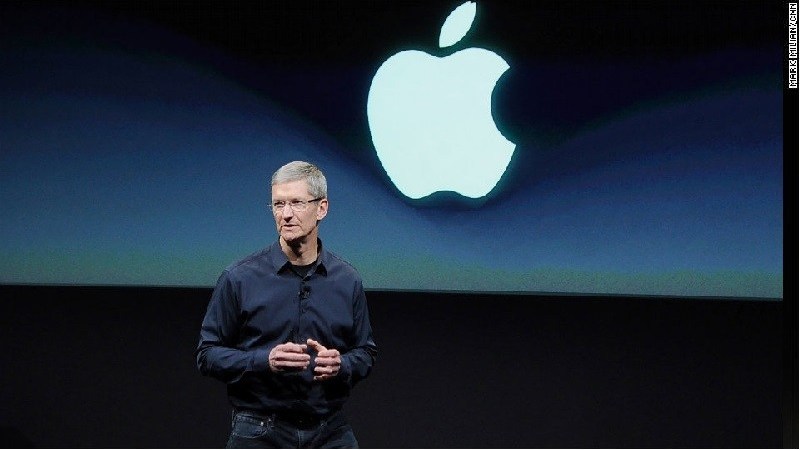
Apple is spotlighting the economic engine of its App Store ecosystem just weeks ahead of its Worldwide Developers Conference. The company states that the U.S. App Store generated $406 billion in developer billings and sales in 2024, representing a significant increase from the $142 billion recorded in 2019.

The numbers were published Thursday through an Apple-funded study conducted by Boston University’s Professor Andrey Fradkin and Dr. Jessica Burley of the Analysis Group, a firm that has worked with Apple for years to frame the company’s market position amid ongoing antitrust scrutiny.

According to the study, a majority of the earnings—90 percent—were made without Apple taking any commission. This is a recurring talking point Apple has leaned on heavily in recent years, especially as it faces legal and regulatory efforts to loosen its control over how iOS apps are distributed and monetized.

In a statement accompanying the report, Apple emphasized that its App Store “connects developers of all sizes with users around the world,” and that “in 2024, U.S. developers earned more than twice what they did five years ago.” The company also highlighted the impact of its Small Business Program, which reduces the App Store commission from 30% to 15% for developers making under $1 million per year. Apple claims that earnings for small business developers rose by 76 percent between 2021 and 2024, attributing this in part to that commission reduction.

Though Apple portrayed the figures as evidence of its positive role in developer success, the numbers come against the backdrop of a U.S. federal court ruling last month that found the company in violation of an earlier injunction related to the Epic Games lawsuit. The court ruled that Apple had failed to comply with a 2021 judgment that required the company to allow developers to link to external payment systems. As a result, Apple is now legally required to let developers include external payment options within their apps, without collecting its standard commission on those transactions. The company is appealing the decision.

In its 2024 report, Apple gave a more granular breakdown of the App Store’s U.S. economic activity. It said that $277 billion came from physical goods and services sold through apps, such as retail and food delivery, areas where Apple does not collect commissions. It added that $75 billion came from in-app advertising and $53 billion from digital goods and services, including subscriptions and app content—categories where Apple typically takes a percentage of each sale.

The report also aimed to show broader economic trends linked to app-driven commerce. Apple noted that spending on physical goods and services via the App Store more than tripled since 2019 while spending on digital goods and in-app advertising more than doubled. It also said that sectors like retail and grocery delivery experienced a fourfold increase during that time.

Apple’s defense of its App Store model continues to rely on two central claims: first, that developers succeed because of the infrastructure, security, and global access the App Store provides; and second, that the commission it collects only affects a narrow slice of its developer base. In its words, the App Store “allows developers to reach customers in 175 countries and regions,” while offering “over 250,000 APIs” through frameworks like HealthKit, Metal, Core ML, MapKit, and SwiftUI. The company also maintains that its review system and fraud protection measures have “prevented billions of dollars in fraudulent transactions.”

However, Apple’s critics say that the company’s tight control over app distribution and payment methods effectively creates a monopoly. Many developers continue to push back against what they see as exploitative practices. Some argue that Apple’s claims of generosity are misleading, since developers’ access to the App Store itself—on a closed operating system like iOS—comes with significant restrictions and unavoidable dependencies.

In the years-long legal fight with Epic Games, the court did not go as far as declaring Apple a monopoly, but the judge concluded that the company’s anti-steering provisions, which previously prevented developers from informing users about alternative payment options, were anti-competitive and unlawful. This judgment led to the ruling that Apple must allow external payment links inside iOS apps.

Apple is now walking a tightrope: trying to reassure regulators and courts that it is not stifling innovation, while still defending the walled-garden model that has made the App Store a cornerstone of its services business. The $406 billion figure, though headline-grabbing, is also part of that effort—to underscore Apple’s argument that the App Store is not a bottleneck, but a boost.

However, with more regulations pending in the U.S. and Europe, and developer sentiment increasingly restive, Apple’s fight over the App Store is far from over. The court-mandated changes to payment policies, and the company’s appeal of those orders, signal that the coming years could bring more cracks to a model Apple has long regarded as unshakable.


Incentivization of Nigeria’s Technical College Students: Between Promise and Public Perception

0

Like many countries, Nigeria’s education system is designed to provide citizens with the skills and knowledge necessary to contribute meaningfully to national development. From primary to tertiary levels, the country has made various efforts to improve access, quality, and relevance. These efforts have included interventions in infrastructure, curriculum reform, and occasional financial support to students. Despite these interventions, Nigeria’s education sector continues to evoke mixed reactions among citizens and observers, primarily due to issues related to implementation, transparency, and sustainability.

The recent announcement by the Nigerian government to provide a monthly stipend of ?45,000 to students enrolled in technical colleges has once again stirred public debate. For some, the move is a step in the right direction toward empowering technical and vocational education. For others, it is yet another policy announcement lacking the structure and integrity to deliver long-term impact. To better understand how Nigerians perceive this development, we reviewed 23 public reactions on Nairaland, one of Nigeria’s largest online forums. These comments revealed 34 unique sentiments across eight thematic areas.

Three themes stood out most prominently in this analysis. The first was a deep distrust in government and its ability to follow through on promises. Many citizens recalled previous unfulfilled commitments such as the non-payment of palliatives, delays in minimum wage implementation, and half-hearted pension reforms. This skepticism was particularly evident in comments suggesting that the stipend program would likely become another political mirage. Some users described the announcement as a form of deception, comparing it to tactics often used to appease the public before elections or as part of broader propaganda efforts. This perception aligns with findings by the Brain Builders Youth Development Initiative, which has consistently highlighted the credibility gap between the government and its citizens when it comes to education policy implementation.

The second theme, though contrasting, reflects a more optimistic perspective. Many Nigerians support the idea of providing financial incentives for technical college students, provided the initiative is implemented effectively. They believe that such support can increase enrollment, enhance student motivation, and elevate the status of technical education. There were personal testimonies from individuals who had benefited from technical training, which they credited with helping them become economically self-reliant even before obtaining university degrees. Supporters of the policy argue that Nigeria must diversify its educational focus by moving away from a purely academic model and embracing technical and vocational pathways that are more aligned with current labor market demands. However, even within this supportive camp, there is a call for broader systemic reform. These include upgrading infrastructure in technical colleges, ensuring quality instruction, and fostering public-private partnerships that can sustain the initiative beyond government subsidies.

The third theme points to a broader conversation about the revival of technical and vocational education as a national priority. Many citizens see technical skills as essential for economic transformation. Nigeria’s growing youth population, combined with high unemployment rates, underscores the urgency of promoting job-relevant skills. Several comments emphasized the poor condition of existing technical schools, citing broken-down equipment, outdated curricula, and underpaid instructors. There is a growing recognition that stipends alone cannot solve these deep-rooted challenges. What is required is a comprehensive strategy that includes infrastructural renewal, curriculum modernization, teacher training, and regular quality assurance.

The Brain Builders Youth Development Initiative has previously documented these same concerns in its evidence-based policy analysis of Nigeria’s progress towards achieving the Sustainable Development Goals, especially in the area of Technical and Vocational Education and Training. Its findings reiterate the importance of not only designing good policies but also building the systems and capacity needed for their effective execution.

To move forward, the stipend programme should be part of a broader reform framework. First, the government must ensure transparency through clear disbursement channels and real-time monitoring to prevent corruption or the inclusion of fictitious beneficiaries. Second, technical colleges must be upgraded to meet modern standards, both in terms of facilities and instructional materials. Third, partnerships with industries should be established to align training with the actual needs of employers and to provide pathways for student internships and employment. On a final note, teachers must be given the training and resources they need to deliver quality instruction.

Key Lessons from Segelu, Abidemi, Oladele’s Symbolic Capital Accumulation Ahead of Oyo 2027

0

While policy manifestos are yet to be unveiled, subtle cues, like public felicitations, homage to traditional rulers, and alignment with political godfathers, offer a glimpse into how candidates are positioning themselves in the political market.

Our social network analysis of these symbolic gestures reveals Olayinka Segelu, Olaloluwa Peter Abidemi, and Saheed Oladele as the three major actors. Their early moves provide critical insights into the power of symbolic capital in the cultural and political terrain of Oyo. This piece unpacks their strategies and distills key lessons for political aspirants, strategists, and observers navigating the interplay of tradition, identity, and party politics in Nigeria.

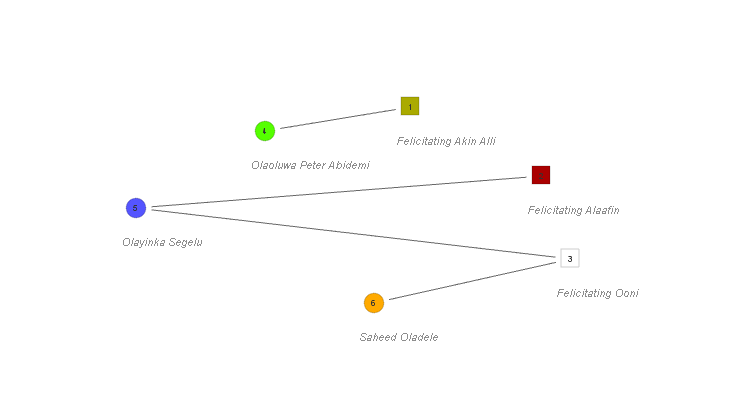
Exhibit 1: Strategic alliance network

Source: Nigerian Newspapers, 2024-2025; Infoprations Analysis, 2025

Olayinka Segelu: Building Broad Cultural Legitimacy

Olayinka Segelu emerges as the most strategically embedded candidate in the symbolic network, having extended public felicitations to both the Alaafin of Oyo and the Ooni of Ife. These aren’t mere ceremonial gestures, calculated acts of political signaling.

The Alaafin and Ooni represent two of the most iconic traditional authorities in Yoruba land. By engaging both, Segelu taps into a reservoir of pan-Yoruba legitimacy, positioning himself as a unifier with reach beyond Oyo State’s internal party divisions. This is particularly potent in a region where traditional rulers retain strong moral, cultural, and even political influence over both elite and grassroots constituencies.

Key Lesson: In a state like Oyo where tradition is deeply woven into politics, symbolic overtures to respected cultural institutions can serve as multipliers of political legitimacy. Candidates who ignore this dynamic risk being seen as disconnected from local values.

Olaloluwa Peter Abidemi: Betting on Political Structures

In contrast, Olaloluwa Peter Abidemi has so far made a single public symbolic move, felicitating with Akin Alli, a former chairman of the All Progressives Congress (APC) in Oyo State. While Alli is not a traditional ruler, he is a critical figure within the APC machinery and holds sway among key stakeholders.

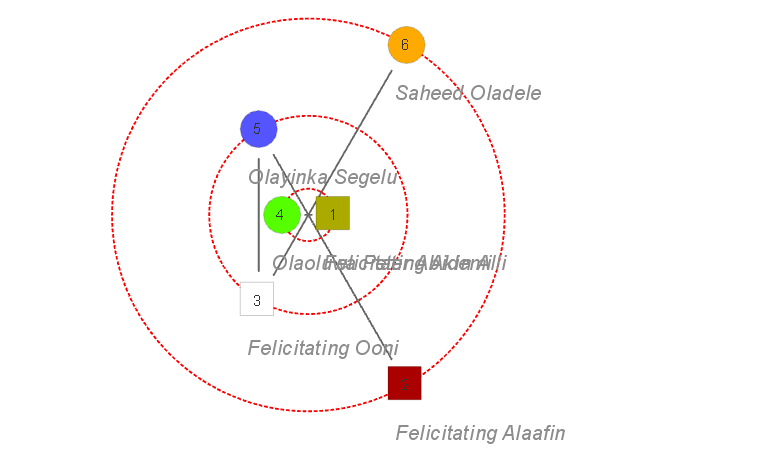
Exhibit 2: Candidates’ centrality in symbolic capital acquisition

Source: Nigerian Newspapers, 2024-2025; Infoprations Analysis, 2025

This suggests Abidemi’s symbolic capital strategy is rooted in party dynamics rather than cultural engagement. It reflects a calculated move to shore up internal political support, perhaps with the goal of securing the party ticket or aligning with a strong political bloc ahead of primaries.

However, while this approach may work within the confines of the APC, it does little to cultivate broader voter sympathy or cultural resonance. It assumes that political endorsements are sufficient, an assumption that may fall short in a state where emotional and symbolic legitimacy carry serious electoral weight.

Key Lesson: Party structures matter, but so does emotional connection to the electorate. Political capital without symbolic grounding can appear technocratic and out of touch, especially in culturally conscious electorates like Oyo.

Saheed Oladele: A Symbolic Yet Narrow Gesture

Saheed Oladele’s gesture is focused solely on the Ooni of Ife, indicating an effort to align with Yoruba cultural heritage. While this move speaks to a desire for regional legitimacy and traditional blessings, it falls short of the wider engagement seen in Segelu’s strategy.

Symbolic outreach to only one royal institution may not be enough in a competitive political environment where breadth of engagement matters. Oyo’s political geography is diverse; allegiance to one royal house may not resonate equally across all constituencies.

Key Lesson: Symbolism matters, but range matters more. Candidates should not only reach out to key traditional figures but also balance these gestures across different cultural, religious, and geopolitical zones to build a compelling cross-cutting appeal.

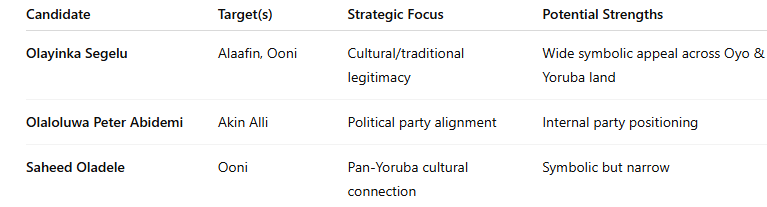
Exhibit 3: Summarised strategic implications

Source: Nigerian Newspapers, 2024-2025; Infoprations Analysis, 2025

Trump Administration Secures Temporary Legal Win on Tariffs as Appeals Court Pauses Lower Court’s Ruling

0

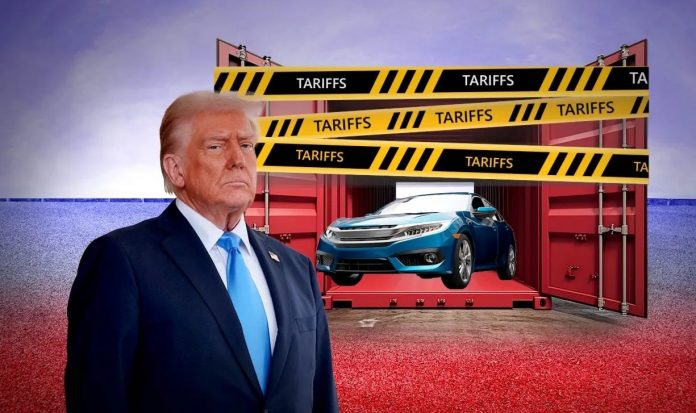
The Trump administration scored a temporary legal reprieve on Thursday after a federal appeals court agreed to pause a lower court ruling that had struck down much of President Donald Trump’s sweeping tariff regime.

The move preserves for now—the administration’s authority to impose tariffs under emergency powers, just as legal and economic battles over the trade measures intensify.

The U.S. Court of Appeals for the Federal Circuit issued a brief order granting the administration’s request to stay a May 28 judgment by the U.S. Court of International Trade. That lower court had ruled that key elements of Trump’s trade policy, including the so-called “Worldwide and Retaliatory Tariff Orders,” exceeded the authority granted to the president under the International Emergency Economic Powers Act (IEEPA). The orders targeted imports from multiple U.S. trading partners and were part of Trump’s broader effort to reset America’s global trade relationships.

“The Worldwide and Retaliatory Tariff Orders exceed any authority granted to the President by IEEPA to regulate importation by means of tariffs,” the trade court said in a stinging rebuke on Wednesday, siding with five small business owners who challenged the administration’s authority.

The Trump administration responded swiftly, warning the appeals court that it would seek “emergency relief” from the U.S. Supreme Court as early as Friday if the lower court’s ruling was not put on hold. The Federal Circuit’s temporary stay prevents that escalation for now, allowing time for the court to fully consider the case.

“The trade court’s judgment is temporarily stayed until further notice while this court considers the motions papers,” the appeals court wrote in its one-paragraph order.

Legal Challenge to Executive Power

The plaintiffs in the case—a group of small, owner-operated import businesses—had argued that Trump’s use of IEEPA to justify wide-ranging tariffs lacked legal basis. Their lead attorney, Jeffrey Schwab, who serves as Senior Counsel and Interim Director of Litigation at the Liberty Justice Center, told Business Insider the court’s initial ruling was a much-needed check on executive overreach.

“I think the court understood that the administration’s argument—that it had essentially unilateral authority to impose whatever tariffs it wanted on any country, at any rate, at any time—under IEEPA went too far,” Schwab said. “So we’re really happy the court ruled the way it did, and I think we will make the same arguments before the Federal Circuit Court of Appeals.”

Schwab added that the lower court’s ruling acknowledged the real limits on presidential power, even under emergency laws originally designed for foreign policy crises, not economic re-engineering.

Economic and Political Stakes

The legal battle is unfolding against the backdrop of growing unease over the tariffs’ impact on the U.S. economy. Earlier, the Commerce Department reported that the economy shrank by 0.2% in the first quarter of 2025, the first contraction in three years. The drop was largely driven by a surge in imports, as U.S. companies scrambled to stock up before the tariffs took full effect, and by declines in consumer and federal government spending.

The temporary stay granted by the appeals court now leaves the business community and economic forecasters with uncertainty. While the ruling allows the administration to maintain its tariffs in the near term, it also signals that a final judgment on their legality may still be months away.

If the tariffs are eventually struck down again, it could offer much-needed relief to U.S. importers, manufacturers, and consumers burdened by rising prices. Conversely, if the court upholds Trump’s use of emergency powers under IEEPA, it could cement a dramatic expansion of presidential authority over trade policy.

The appeals court did not provide a timeline for its decision on the administration’s motion. If it eventually sides with the lower court, the case could quickly advance to the U.S. Supreme Court—where the broader question of how much power the president has to reshape the U.S. economy through emergency declarations could be tested in full.

Until then, the tariffs remain in place, prolonging a period of legal, political, and economic uncertainty that continues to shape both America’s trade posture and its broader economic trajectory.

Implications of Elon Musk’s Departure from DOGE

0

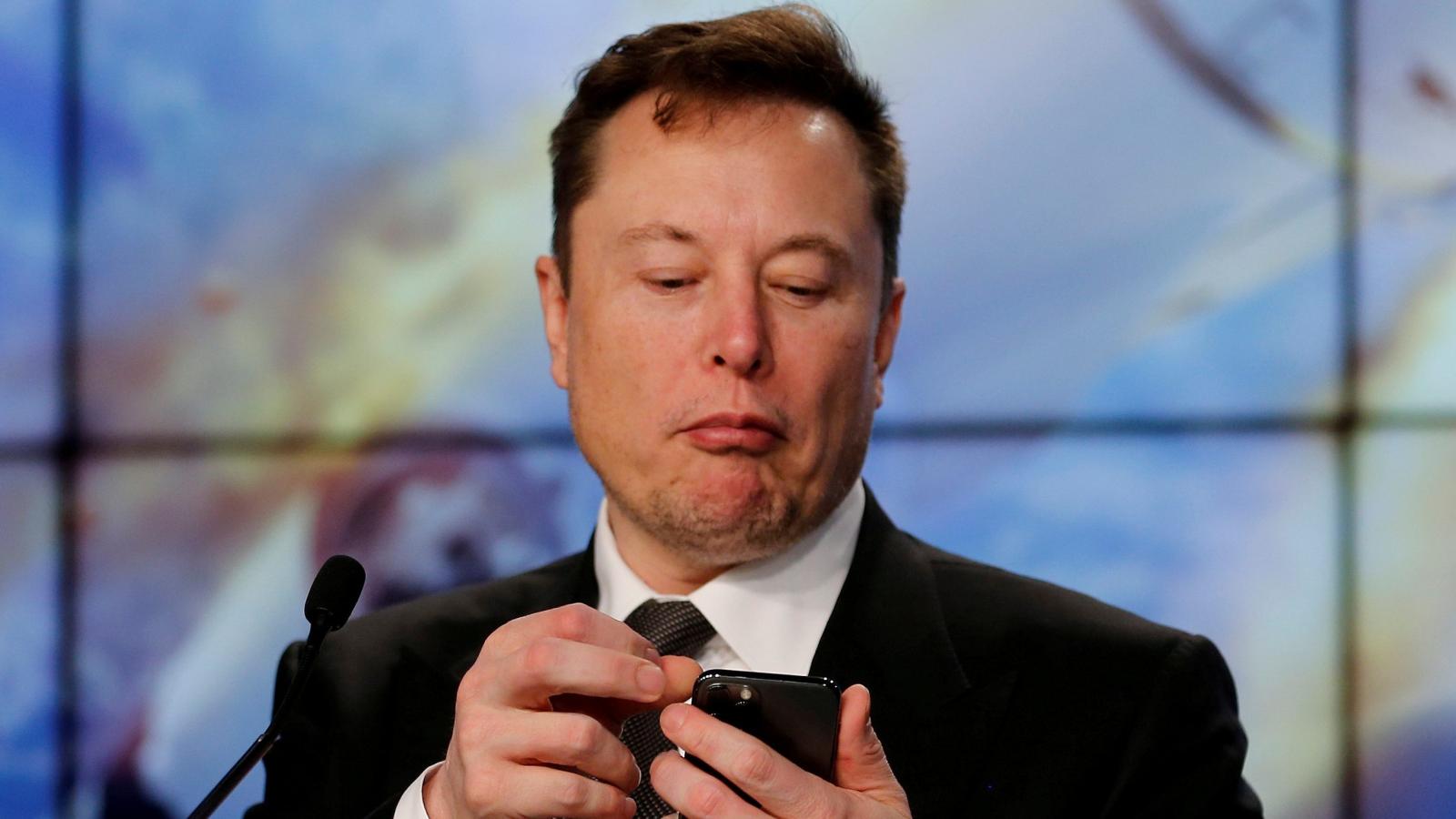
Elon Musk’s tenure as a special government employee leading the Department of Government Efficiency (DOGE) ended on May 30, 2025, due to a 130-day statutory limit on his role, which began with President Donald Trump’s inauguration on January 20, 2025. Musk announced his departure on X, stating he would step back to focus on his companies, particularly Tesla, which faced a 71% profit drop amid protests and boycotts linked to his DOGE involvement. He expressed gratitude to Trump for the opportunity and claimed DOGE’s mission to reduce wasteful spending would continue.

During his time, Musk led aggressive cost-cutting efforts, with DOGE claiming $160 billion in savings, though transparency issues and a Partnership for Public Service analysis estimated $135 billion in taxpayer costs due to inefficiencies like paid leave and rehiring. His policies sparked lawsuits, protests, and tensions with Cabinet officials like Treasury Secretary Scott Bessent and Secretary of State Marco Rubio over DOGE’s sweeping cuts to agencies like USAID and the Social Security Administration.

Musk’s influence persists through loyalists like Steve Davis and Antonio Gracias, embedded in agencies, ensuring DOGE’s ongoing impact despite his reduced role. Critics argue his cuts harmed essential services, while supporters, including Trump and Vice President JD Vance, praised his efforts. Musk may continue advising Trump informally, but his formal DOGE role has concluded. Elon Musk’s exit from the Department of Government Efficiency (DOGE) on May 30, 2025, carries significant implications for government operations, policy direction, and public perception.

Despite Musk’s departure, his loyalists, such as Steve Davis and Antonio Gracias, remain embedded in key agencies, ensuring DOGE’s cost-cutting agenda persists. This could lead to continued reductions in federal programs, particularly in areas like foreign aid like USAID and social services (e.g., Social Security Administration), which faced heavy cuts under Musk’s tenure. Musk’s aggressive reforms, including layoffs and agency consolidations, have disrupted federal operations. The Partnership for Public Service estimated $135 billion in taxpayer costs due to inefficiencies like paid leave for furloughed workers and rehiring expenses. Ongoing lawsuits and employee resistance may further destabilize agencies.

Musk’s informal advisory role with President Trump suggests he could still shape policy, potentially prioritizing deregulation and privatization aligned with his business interests like Tesla, SpaceX. However, conflicts with Cabinet officials like Scott Bessent and Marco Rubio may temper DOGE’s influence over broader economic or foreign policy.  Musk’s return to Tesla comes amid a 71% profit drop, partly attributed to boycotts and protests tied to his DOGE role. His focus on stabilizing Tesla could boost its innovation (e.g., autonomous driving, energy storage) but may face challenges from lingering public backlash.

Musk’s departure could stabilize markets wary of his divisive policies, though his continued influence via proxies may sustain uncertainty in sectors reliant on government contracts or regulations (e.g., defense, healthcare). Musk’s tenure exacerbated divides between supporters of deregulation and those advocating for robust public services. His cuts to programs like education and environmental agencies were praised by fiscal conservatives but criticized by progressives as undermining vulnerable communities.

Musk faced significant protests, including from furloughed federal workers and advocacy groups, who accused him of prioritizing corporate interests. This has fueled anti-Musk sentiment, with boycotts impacting Tesla’s brand. Musk’s clashes with Cabinet members highlight intra-administration rifts. His alignment with Trump and JD Vance contrasts with resistance from moderates like Rubio, potentially complicating Republican unity on fiscal policy.

Trump, Vance, and conservative groups like the Heritage Foundation lauded Musk’s $160 billion in claimed savings, viewing DOGE as a model for lean government. They argue his reforms cut bureaucratic waste and empowered private-sector efficiency. Democrats, federal employee unions, and advocacy groups decry the cuts as reckless, citing harm to essential services such as Social Security, education administration. Transparency issues—DOGE’s lack of detailed spending breakdowns—fueled accusations of cronyism, especially given Musk’s business ties.

Musk’s exit may calm some tensions but risks entrenching distrust in government efficiency efforts. His legacy at DOGE—streamlined in some areas, chaotic in others—will likely shape debates on government size and role through Trump’s term. The divide between pro- and anti-Musk factions mirrors broader U.S. polarization over wealth, power, and public goods, with implications for the 2026 midterms and beyond.