DD
MM
YYYY

PAGES

DD
MM
YYYY

spot_img

PAGES

Home Blog Page 1242

Exploring FIFA’s EVM Prepositions and FIFA Rivals Games

0

FIFA announced plans to launch the “FIFA Blockchain,” an Ethereum Virtual Machine (EVM)-compatible blockchain to host its NFT platform, FIFA Collect. The migration from the Algorand blockchain, where FIFA Collect was initially launched in 2022, is set to begin no earlier than May 20, 2025. The new blockchain aims to offer improved performance, scalability, and support for future features, aligning with broader Web3 trends for enhanced interoperability and developer adoption.

FIFA Rivals is an officially licensed, free-to-play mobile football game developed by Mythical Games in collaboration with FIFA and Bacon Games, set for a global launch in June 2025 on iOS and Android, with a pre-release in May 2025 coinciding with the FIFA Club World Cup. The game integrates blockchain technology via the Mythos blockchain, powered by Polkadot, to offer a unique arcade-style football experience with player-owned digital assets.

Unlike traditional FIFA simulation games, FIFA Rivals emphasizes fast-paced, arcade-style football with real-time player-versus-player (PvP) matches. Players can engage in head-to-head competitions, focusing on accessibility with a “shallow learning curve” for casual players and advanced features for dedicated gamers. The game moves away from hyper-realistic aesthetics (like EA Sports FC) to a style described as a blend of “simulation and fantasy,” offering a distinct, engaging experience.

Players can create, manage, and build their own football clubs, assembling lineups with officially licensed football stars, both past and present. This includes buying, selling, and trading players to enhance squads. The game allows players to level up their teams, strategize, and compete globally, aiming to “dominate the competition and create your legacy.”

Blockchain Integration and NFTs

FIFA Rivals uses the Mythos blockchain to enable ownership of in-game assets, such as NFT player cards, which players can collect, trade, or sell via in-game and web-based marketplaces. These NFTs represent professional football stars, adding a layer of digital ownership and monetization through a play-to-earn economy.

Blockchain ensures secure, transparent transactions, reducing fraud and enhancing trust by immutably recording asset ownership. Players can earn cryptocurrencies or NFTs based on in-game achievements, similar to Mythical’s NFL Rivals. NFTs are optional, addressing concerns about accessibility and controversies surrounding blockchain in gaming, such as environmental impact or speculative markets.

The game introduces tokenized rewards, where players can earn in-game assets with real-world value, tradeable outside the game. This mirrors successful blockchain games like Splinterlands, which use similar mechanics to boost engagement. The integration of $MYTH tokens (used in Mythical’s ecosystem) may allow players to participate in the game’s economy, though specifics on token mechanics are not fully detailed.

Esports and Community Engagement

FIFA Rivals is designed to integrate with FIFA’s esports platform, offering competitive opportunities for players worldwide to participate or spectate. This aligns with FIFA’s goal to expand its gaming and esports portfolio. A leading Web3 gaming studio with experience in blockchain titles like NFL Rivals (over 6 million downloads) and Blankos Block Party (3 million monthly transactions). Mythical’s expertise in blockchain and major franchises (e.g., Call of Duty, World of Warcraft) positions it to deliver a robust gaming experience.

Bacon Games: A Colombian studio collaborating on FIFA Rivals, bringing creative input to craft a fresh football experience that blends arcade gameplay with blockchain innovation. This is FIFA’s second major Web3 venture after its FIFA Collect NFT platform (launched on Algorand in 2022, now transitioning to an EVM blockchain). Previous NFT projects included collectibles tied to the 2022 Qatar World Cup and 2026 World Cup ticket opportunities. FIFA Rivals marks FIFA’s first blockchain-integrated interactive game, reflecting a broader trend of sports organizations embracing digital engagement.

Mythos Blockchain: Built with Polkadot technology, the Mythos chain is optimized for gaming, offering cross-chain infrastructure and support for NFT economies. It ensures scalability, security, and interoperability, critical for handling millions of transactions. The game is free-to-play, lowering barriers to entry, and supports both iOS and Android, targeting a global audience. The mobile-first approach leverages the massive reach of mobile gaming, especially given the 5 billion viewers of the 2022 FIFA World Cup.

As with other Mythical Games titles (e.g., Nitro Nation), FIFA Rivals may require significant storage (potentially over 1GB), which could necessitate device space management. FIFA Rivals aims to attract football fans, blockchain enthusiasts, and casual gamers. Mythical Games’ CEO, John Linden, projects over 100 million players, citing NFL Rivals’ success and football’s global popularity.

The game enters a competitive space dominated by EA Sports FC (formerly FIFA) and its mobile counterpart, EA Sports FC Mobile. Unlike EA’s lootbox-based model, FIFA Rivals uses blockchain for asset ownership, potentially appealing to a niche of crypto-savvy players but facing challenges in toppling EA’s dominance. The partnership reflects a growing trend of sports organizations collaborating with blockchain studios (e.g., NFL with Mythical, Ubisoft with Oasys). This convergence of traditional sports, mobile gaming, and Web3 could set new benchmarks for fan engagement.

FIFA Rivals could redefine sports gaming by mainstreaming blockchain integration, offering true digital ownership and innovative rewards. Its success may influence other sports organizations to adopt Web3 strategies. The game’s tie-in with the FIFA Club World Cup and esports platform could boost visibility and engagement, especially among younger, tech-savvy audiences. By educating players about blockchain through gameplay, it may bridge traditional gaming and Web3 communities.

Blockchain and NFTs in gaming remain divisive due to environmental concerns and speculative markets. Making NFTs optional may mitigate backlash but could limit adoption among traditional gamers. EA Sports FC’s established player base and licensing deals (17,000+ pro players) pose a significant hurdle. FIFA Rivals will need compelling gameplay and unique features to compete.

Blockchain integration requires players to use crypto wallets (e.g., for trading NFTs), which may deter non-crypto users. The shift from Algorand to EVM wallets in FIFA’s ecosystem suggests similar requirements here. The mobile gaming market is crowded, and FIFA Rivals must stand out amidst numerous football titles and blockchain games.

While FIFA Rivals aligns with FIFA’s push to innovate post its 2022 split with EA Sports, the reliance on blockchain raises questions about accessibility and long-term viability. The game’s arcade focus and free-to-play model are smart moves to attract a broad audience, but the NFT component may alienate players wary of crypto’s volatility or environmental impact. FIFA’s claim of delivering “the best” gaming experience (per President Gianni Infantino) is ambitious, given EA’s dominance and FIFA Rivals’ niche Web3 focus. The collaboration with Mythical and Bacon Games is promising, but success hinges on balancing blockchain novelty with intuitive, engaging gameplay. Without robust marketing and a seamless user experience, it risks being a niche product for crypto enthusiasts rather than a mainstream hit.

FIFA Rivals is a bold step for FIFA into blockchain gaming, combining arcade-style football with NFT-based ownership and esports potential. Set for a pre-release in May 2025 and a full launch in June, it targets a global audience with its free-to-play model and mobile accessibility. While its Mythos blockchain integration offers innovative rewards and security, it faces challenges in competing with EA Sports FC and overcoming NFT skepticism. For football fans and crypto enthusiasts, it promises a fresh, interactive experience, but its success will depend on delivering on gameplay, accessibility, and FIFA’s esports ambitions.

The transition will involve moving FIFA’s NFT collections, which have minted over 1.5 million digital collectibles, to the new network. Users will need EVM-compatible wallets like MetaMask, as Algorand-based wallets (e.g., Pera, Defly) will no longer be supported post-migration. No immediate action is required from users, and FIFA has promised clear instructions closer to the migration date.

Collectibles exported from the platform must be re-imported before May 20 to be included in the migration, with a verification process for those missing the deadline. The move is part of FIFA’s broader Web3 strategy, including projects like the blockchain-based mobile game FIFA Rivals, set for a pre-release in May 2025.
Trump-Era Tariffs to Add $900m to Apple’s Q3 Costs, as U.S.-China Trade Tensions Reshape Global Tech

0

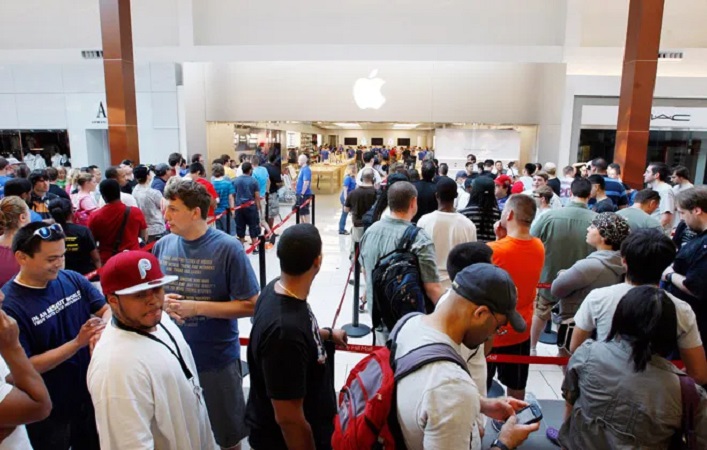
Apple CEO Tim Cook has revealed that the lingering effects of the Trump-era tariffs will add an estimated $900 million to the company’s costs in the third quarter, a disclosure that offers a stark reminder of the deepening impact of U.S.-China trade tensions on global technology firms.

Cook’s comments, made during Apple’s second-quarter earnings call on Thursday, come as tech companies increasingly confront the long-term consequences of geopolitical rivalry between the world’s two largest economies. While Apple reported only a “limited impact” from tariffs during the March quarter, Cook made it clear that the June quarter is being shaped by residual trade barriers that continue to affect its cost structure.

“This estimate assumes that current global tariff rates and policies remain unchanged for the balance of the quarter,” Cook said, emphasizing that any new duties or changes to trade policy could worsen the cost burden. He cautioned investors against using the $900 million figure to extrapolate future quarters, as “unique factors” in the current quarter could offset further impact.

Despite the immediate relief felt by investors—one called the situation a “pretty good outcome”—the longer-term picture remains uncertain, especially as Apple and other multinationals navigate an increasingly fragmented global supply chain.

Apple’s tariff burden underscores a larger and more complex reckoning underway across the tech industry, where the once-global supply chain is now being reshaped by geopolitical forces.

The U.S. government’s imposition of tariffs on a wide range of Chinese goods has compelled American tech companies to diversify their supply bases. For Apple, this has meant moving substantial iPhone production to India and shifting assembly of other products to Vietnam. Cook noted in a CNBC interview that around half of the iPhones sold in the U.S. are now manufactured in India.

But relocation is not a seamless process. For many companies, it comes with high costs, infrastructure gaps, and the challenge of rebuilding manufacturing ecosystems outside China. Apple, for instance, has faced delays and quality control issues as it expands production in new regions.

Others, like Dell and HP, have taken similar steps to diversify operations, but they too are encountering rising operational expenses that could eat into long-term margins.

Beyond tariffs, the trade standoff has brought with it a wave of export restrictions and regulatory pressure that directly affect U.S. semiconductor and software firms. Companies like Nvidia and AMD, which previously supplied cutting-edge chips to China’s AI industry, are now developing downgraded alternatives to comply with new U.S. export controls. These restrictions have begun to bite into earnings potential, especially as Chinese firms seek domestic substitutes.

At the same time, China is tightening its own regulatory environment. Foreign software is being restricted in government offices, and U.S. companies are under increasing scrutiny. Microsoft’s LinkedIn exited China in 2021, citing an “increasingly challenging operating environment,” and Apple has faced waves of nationalist pushback on Chinese social media.

China remains one of the largest consumer markets for U.S. tech firms, and the risk of being sidelined could jeopardize billions in revenue.

A Fragmented Tech World

What’s emerging is a fractured global tech industry. The Biden administration pushed allies in Europe and Asia to limit exports of advanced chipmaking tools to China, aiming to contain Beijing’s technological rise. In turn, China is ramping up efforts to build its own semiconductor supply chain and deepen tech ties with nations outside the Western orbit.

U.S. tech giants now face the prospect of a dual-track world—one set of standards, rules, and products for the West, and another for China and its partners. For Apple, the $900 million tariff bill this quarter could be just one small part of a larger and costlier transformation of the global tech economy.

Cook’s remarks were notably cautious. “I don’t want to predict the future… I’m not sure what will happen with the tariffs,” he said when pressed for more clarity on the rest of the year. He emphasized that Apple remains committed to long-term investment and innovation, saying, “We will manage the company the way we always have—thoughtfully and deliberately.”

That sentiment reflects the broader strategy tech companies are now being forced to adopt: bracing for instability, investing in redundancy, and managing growth within a much more unpredictable global system.

BUA Foods Posts N136.3bn Pre-Tax Profit in Q1 2025, Doubling Year-on-Year as Sugar, Flour Sales Surge

0
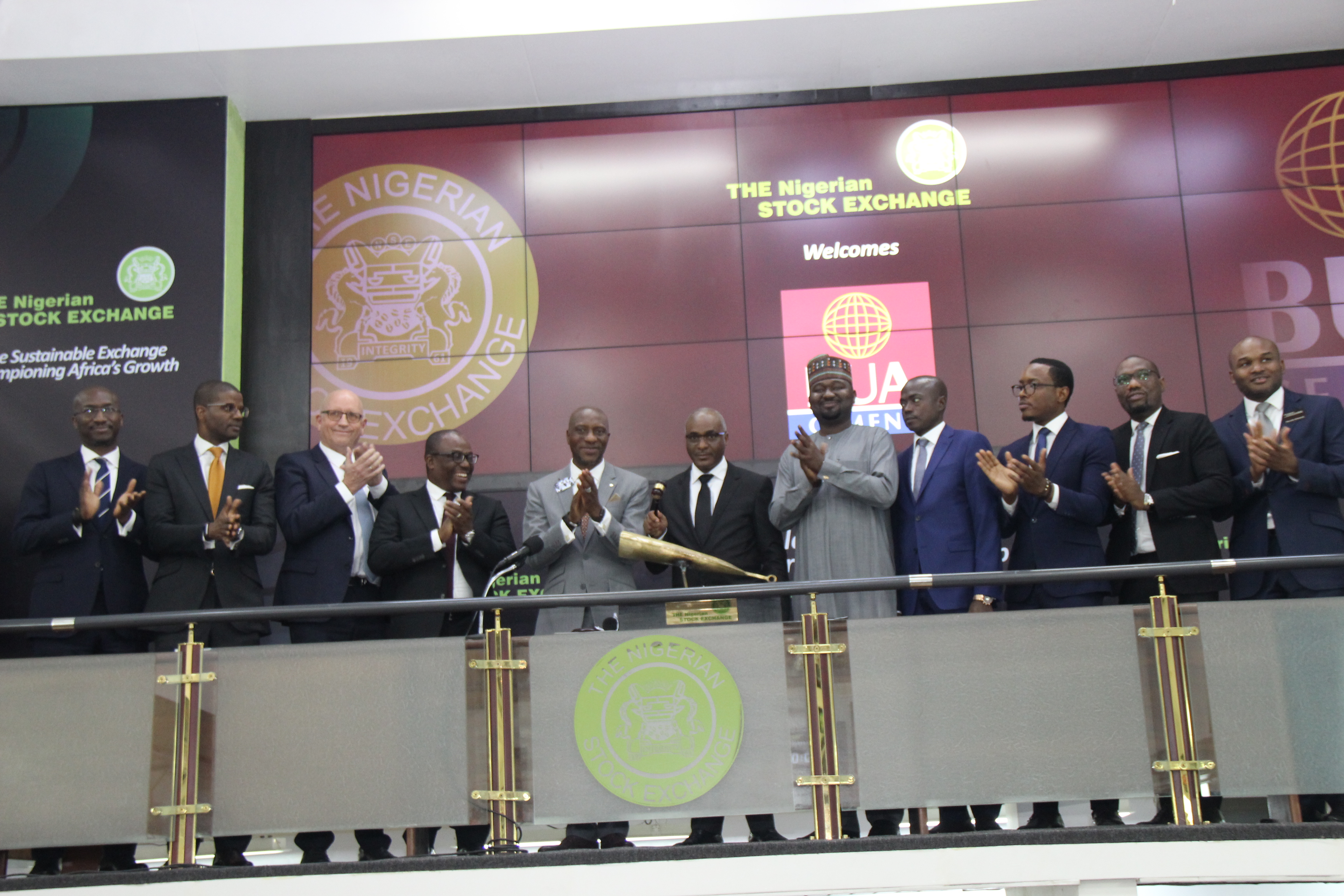
BUA at NSE

In a quarter where many Nigerian companies are still contending with currency volatility and weakened consumer demand, BUA Foods Plc has reported a staggering N136.3 billion in pre-tax profit for the first quarter of 2025, a performance that has doubled its year-on-year figure.

The company’s unaudited financial results for the period ended March 31 show a 118.7% increase from N62.3 billion recorded in Q1 2024, a growth rate that stands out amid the broader sluggishness in the Nigerian economy.

At the heart of this leap was a significant rise in turnover and a sharp decline in finance costs, which helped boost the company’s operating efficiency even as inflation and operating expenses remained a drag on consumer-facing businesses.

Sugar and Flour Dominate As Revenue Surges

Total revenue for the period stood at N442.06 billion, representing a 23.85% year-on-year increase compared to the N356.9 billion the company posted in the same quarter last year. The growth was powered by higher volumes and steady pricing across product categories, with fortified sugar and bakery flour emerging as the top-performing segments.

A breakdown of revenue by category shows:

  • Fortified sugar: N165.8 billion
  • Bakery flour: N163.2 billion
  • Non-fortified sugar: N45.1 billion
  • Pasta: N41.5 billion
  • Other products: Unspecified remainder

The prominence of fortified sugar in revenue contribution reflects BUA’s increased investments in refining capacity and possibly stronger demand from industrial buyers, particularly in the beverage and food manufacturing sectors. Bakery flour, which continues to play a vital role in the bread-making industry, also held up well amid rising costs of wheat and energy.

Cost Pressures Persist, But Gross Margin Expands

While sales grew, the cost of sales also rose, though at a slower pace — reaching N281.1 billion, a 16.42% increase from N241.5 billion in Q1 2024. This cost moderation relative to revenue growth allowed the company’s gross profit to rise sharply by 39.41%, from N115.4 billion to N160.9 billion, effectively improving BUA’s gross margin.

However, the company wasn’t entirely insulated from inflationary pressures. Administrative expenses surged to N11.3 billion, a 149.5% increase, suggesting elevated costs around personnel, technology, or internal operations. At the same time, selling and distribution expenses climbed to N11.07 billion, a 13.3% increase from the N9.77 billion spent in the same period last year. This uptick is consistent with the firm’s broader market push to retain shelf space and expand distribution despite strained consumer wallets.

Despite these rising overheads, operating profit stood at N138.9 billion, representing a 32.67% increase from N104.7 billion in Q1 2024, a sign that the core business remains profitable even as costs rise.

Finance Costs Slashed, Boosting Bottom Line

One of the most striking aspects of BUA’s Q1 2025 performance is the 75.13% reduction in finance costs, which dropped from N15.1 billion to just N3.7 billion. The company did not provide full details in the statement, but analysts suggest this could be the result of significant debt repayments or refinancing into lower-interest instruments in the wake of the Central Bank’s monetary tightening.

This drop in finance costs played a decisive role in lifting pre-tax profit to N136.3 billion, putting BUA Foods among the highest-earning Nigerian companies for the quarter.

Stronger Balance Sheet, Retained Earnings Grow Nearly 30%

On the balance sheet, total assets increased to N1.1 trillion, representing a 4.3% uptick, while retained earnings rose to N546.2 billion, up by 29.76% year-on-year. These figures signal both an improved asset base and greater reinvestment potential, offering the company strategic flexibility in the quarters ahead.

Retained earnings, in particular, reflect the company’s growing internal capital base — a key metric for long-term sustainability and dividend-paying capacity. BUA Foods, like its peers in the consumer goods segment, has had to navigate a turbulent economic landscape where currency devaluation, higher import costs, and fuel price increases have reshaped input pricing and consumer habits.

Market Response and Share Price Outlook

Despite its strong fundamentals, the market response was measured. As of April 30, 2025, BUA Foods shares closed at N418, reflecting a modest 0.72% year-to-date gain. Analysts attribute this to broad investor caution amid Nigeria’s macroeconomic uncertainties rather than company-specific concerns.

However, BUA’s consistent quarterly growth and expanding profitability may draw fresh attention from institutional investors as the year progresses — especially if inflation continues to moderate and consumer spending stabilizes.

Going forward, BUA Foods is expected to focus on consolidating its market share across product lines while exploring operational efficiencies to cushion the effect of further cost pressures. Its ability to pass on input costs without significantly dampening demand has so far worked, but risks remain, particularly in the pasta and premium flour segments, where consumers are more price-sensitive.

Nigeria Set to Conclude IMF Emergency Loan Repayments by 2029, But Broader Governance Concerns Persist

0

Nigeria is on course to fully repay its International Monetary Fund (IMF) Rapid Financing Instrument (RFI) loan by 2029, marking a key milestone in the country’s recovery from the COVID-19-induced economic crisis of 2020.

In April 2020, the IMF approved emergency support worth 2,454.50 million Special Drawing Rights (SDR), roughly equivalent to $3.32 billion at the current exchange rate of SDR1 to $1.35404 as of May 1, 2025. The support came at a time when Nigeria was grappling with plunging oil prices, capital flight, and widespread macroeconomic shocks triggered by the pandemic.

As per the repayment schedule published on the IMF website, Nigeria’s repayment timeline begins in 2025 and concludes in 2029. This year, the country is expected to make its final principal payment of SDR 306.81 million, along with charges and interest of SDR 22.81 million, bringing total payments in 2025 to SDR 329.62 million, or about $446.21 million.

From 2026 to 2029, remaining repayments will consist mainly of annual interest and charges, each year estimated at SDR 26.7 million, amounting to approximately $36.14 million annually. In total, Nigeria will pay back SDR 436.42 million ($590.78 million) over the five-year period.

Earlier in 2024, Nigeria paid a substantial $1.63 billion to the IMF, made up entirely of principal payments on past disbursements, which contributed to a 67.6 percent reduction in the country’s debt to the Fund—from $2.47 billion in 2023 to $800.23 million in 2024.

This reduction came against the backdrop of increased external debt servicing, which rose to $4.66 billion in 2024, compared to $3.5 billion in 2023. Multilateral creditors, led by the IMF, accounted for the largest share of that burden.

Unlike traditional IMF loans, the RFI support came with minimal conditionalities and was disbursed in full immediately. The absence of policy strings made it a quick-response tool during the pandemic but also raised concerns among some observers then about how judiciously the funds would be used.

Those concerns haven’t entirely disappeared.

Despite Nigeria’s progress in repayment, critics warn that structural issues, particularly endemic corruption, weak transparency mechanisms, and the absence of institutional accountability—continue to raise doubts about how such emergency funds were deployed and whether they achieved their intended impact.

Moreover, while the IMF commended Nigeria’s macroeconomic reforms and its effort to meet repayment obligations without refinancing or restructuring, governance challenges remain. President Bola Tinubu’s administration has pushed through key reforms, including the elimination of petrol subsidies, exchange rate unification, and steps to improve tax revenue collection.

However, the macroeconomic gains from these reforms are yet to trickle down meaningfully. Inflation remains high at 24.23 percent as of March 2025, and purchasing power for many Nigerians continues to decline. Debt servicing costs still crowd out critical development spending, and social safety nets remain inadequate.

Still, global institutions appear to be betting on Nigeria’s reform momentum. Both the IMF and World Bank project modest economic growth in the near term, with the latter expecting a 3.6 percent expansion in 2025, slightly ahead of the IMF’s 3.0 percent forecast. The country’s external reserves have remained stable due to improved oil earnings and diaspora remittances. A current account surplus is also anticipated by 2026.

The IMF has praised Nigeria’s strides in macroeconomic stability, but it has also issued a note of caution, urging more aggressive structural reforms and stronger anti-corruption safeguards to consolidate gains.

Analysts note that Nigeria’s ability to wrap up its IMF loan by 2029 would indeed improve its international credit profile, potentially easing access to global capital markets. But repayment, in itself, is not a sign of long-term recovery. For that to happen, Nigeria has been urged to diversify its economy, build infrastructure, eradicate systemic corruption, and create a friendly business environment.

Adesina Warns of Nigeria’s Deepening Economic Decline: ‘Nigerians Are Worse Off Than in 1960’

0
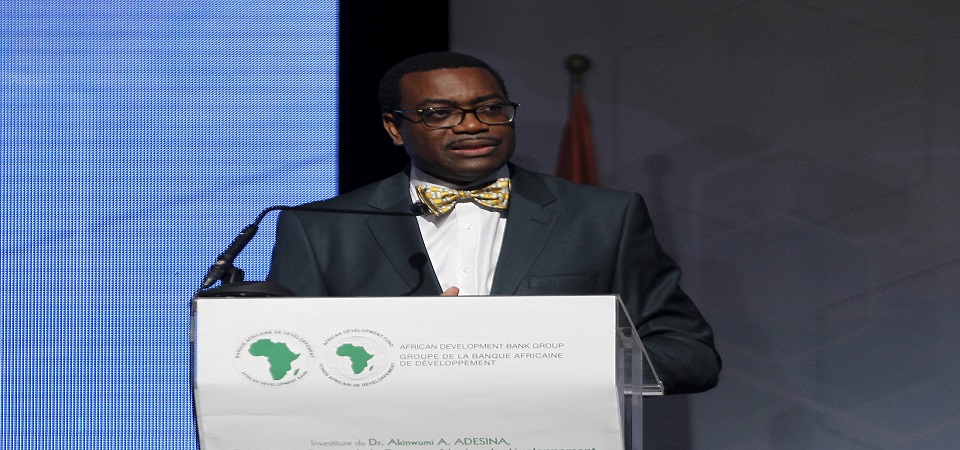
AfDB president Akinwumi Adesina
Akinwumi Adesina

The President of the African Development Bank (AfDB), Dr. Akinwumi Adesina, has issued a stark warning that Nigeria is in the grips of an economic regression deeper than many realize, declaring that the average Nigerian today is poorer than at the dawn of independence in 1960.

Speaking during the 20th-anniversary dinner of investment firm Chapel Hill Denham in Lagos, Adesina laid bare Nigeria’s economic contradictions, drawing attention to the country’s low GDP per capita, which now stands at $824less than half the $1,847 recorded in 1960, when Nigeria gained independence from Britain.

“Our GDP per capita in 1960 was $1,847. Today, it stands at $824. Nigerians are worse off than 64 years ago,” Adesina said in a statement released on Thursday following his keynote address. “Underdevelopment should not be accepted as our destiny. We must break free from this pattern.”

Despite claims by the federal government that its economic reforms will yield a $1 trillion economy by 2030, Adesina warned that Nigeria’s economic structure remains “deeply flawed and unsustainable.” The AfDB chief blamed the country’s economic slide on decades of policy failures, institutional decay, over-dependence on crude oil exports, and an inability to invest meaningfully in critical sectors.

A Country of Wasted Potential

Adesina contrasted Nigeria’s stagnant growth with the meteoric rise of South Korea, a country that had a lower GDP per capita than Nigeria in 1960 but has since industrialized to become a global economic power, with a per capita income of more than $36,000. South Korea’s success, he noted, was driven by a deliberate policy shift that prioritized manufacturing, innovation, and education — areas Nigeria continues to neglect.

“Nigeria belongs in the league of developed nations. To get there, we must shift our mindset and pursue rapid economic growth,” Adesina said. “We must become Africa’s industrial powerhouse.”

The former Nigerian agriculture minister said the current state of Nigeria’s economy — one plagued by deindustrialization, extreme poverty, unreliable power supply, and widespread youth unemploymentis not the result of fate, but of years of neglect and poor leadership.

“The Nigeria of 2050 must be deliberately shaped, developed, corruption-free, and lead the rest of Africa,” he said.

Five Pillars for Economic Redemption

In his speech, Adesina laid out five urgent priorities to pull Nigeria out of its current trajectory and place it on a path to inclusive, sustainable growth:

  1. Universal access to electricity, which he described as non-negotiable for industrialization and innovation
  2. Development of world-class infrastructure, especially in transportation and digital networks
  3. Rapid industrialization that shifts Nigeria’s economy away from primary commodity dependence
  4. Innovation-driven growth, with significant investment in education, research, and technology
  5. Competitive agriculture, not just for food security but as a strategic export sector.

Adesina stressed that these reforms cannot be superficial or cosmetic but must involve deep structural changes supported by effective governance and institutional strength.

“Without credible reforms, Nigeria will continue to miss out on global opportunities and fail its growing population,” he warned.

He cited the Dangote Refinery, Africa’s largest oil refinery, as an example of the kind of private sector-led industrial project that represents a step in the right direction. He urged policymakers to see such projects not as exceptions but as models to replicate and scale up across different sectors.

Funding Transformation Through Domestic Capital

To finance Nigeria’s transformation, Adesina urged the government and private sector leaders to harness the country’s domestic resources, including its massive pension fund assets, which now exceed N19 trillion, its capital markets, and the global Nigerian diaspora. These, he said, should be leveraged to fund large-scale industrial and infrastructure projects, rather than relying excessively on foreign debt or aid.

“There is no shortage of capital. What is missing is the confidence in governance and the consistency of policy that gives investors the courage to commit,” Adesina said.

Governance Still the Elephant in the Room

Adesina was unequivocal in stating that structural reforms alone would not be enough. He emphasized that the success of any economic agenda would depend on the strength of institutions, the rule of law, and the eradication of corruption. Without these, he warned, reforms risk being undermined or reversed.

“This is not just about economic plans. It’s about leadership, integrity, and the political will to do what is right, even when it is hard,” he said.

Adesina’s sobering remarks come on the heels of the World Bank’s April 2025 Africa’s Pulse report, which paints an even grimmer picture of Nigeria’s development path. According to the report, Nigeria is home to 19% of sub-Saharan Africa’s extremely poor population, the highest share in the region. That means roughly one in every seven of the world’s poorest people now lives in Nigeria.

The World Bank noted that sub-Saharan Africa accounted for 80% of the world’s 695 million extremely poor people in 2024, with Nigeria contributing the largest share. The statistics directly challenge claims by Nigerian officials who often tout GDP growth without addressing its failure to reduce poverty and improve human development outcomes.

The collapse of real incomes, double-digit inflation, and currency instability have eroded living standards for millions of Nigerians, many of whom now struggle to afford basic necessities. Despite being a major oil producer, Nigeria remains one of the most energy-poor countries in the world, with over 90 million people lacking reliable electricity.

Adesina’s message, that Nigeria is poorer today than it was 64 years ago, directly contradicts decades of government rhetoric celebrating nominal economic expansion. Amid growing public disillusionment with the political and economic elite, he urged the Nigerian leadership to up the ante.

“We cannot continue to squander our potential. The time to act is now,” he said.