DD
MM
YYYY

PAGES

DD
MM
YYYY

spot_img

PAGES

Home Blog Page 1284

Could Rexas Finance (RXS) Deliver 21730% Returns Faster than Dogecoin (DOGE)?

0

Rexas Finance (RXS) stands as a leading cryptocurrency which has generated intense market interest because experts predict it will reach 21,730% returns possibly faster than Dogecoin achieved its legendary growth. RXS generates intense anticipation because its official listing at $0.25 will happen on June 19, 2025 while the presale has reached 92.27% completion and has raised more than $48 million from selling over 461 million tokens. Rexas Finance establishes itself as a leading blockchain innovation through its 52,000 holders while targeting real-world assets including gold and real estate from multi-trillion-dollar markets.

RXS Unlocks Global Access to Real Assets — Trade Real Estate, Art & Gold Like Crypto

Rexas Finance was constructed to transform the current methods of traditional asset accessibility and management as well as trading systems. Through blockchain technology Rexas Finance enables users to digitize real assets into tradeable tokens accessible for instant purchase and sale. The solution enables regular investors to enter lucrative markets including art, real estate and commodities by enabling fractional ownership and continuous trading. The RXS native token serves as the foundation for this ecosystem because it allows users to execute transactions and make governance choices and engage in liquidity mining through staking or participate directly. Rexas Finance exists to enhance asset trading transparency while securing its efficiency thus enabling worldwide investment access for all.

Utilities That Set RXS Apart

RXS stands apart from other digital tokens because its multiple functions enhance every aspect of the Rexas Finance platform. Holders utilize RXS tokens to pay transaction fees for cross-chain transfers as well as purchase tokenized assets while making use of these tokens for participation. The token provides users access to staking rewards together with liquidity mining features that offer more ways to generate earnings. RXS holders gain governance power through which they can influence platform developments and asset listings and major platform decisions while driving decisions through community participation. RXS offers asset management solutions through its combination of AI security capabilities with no-code token builders and DeFi tools that create an efficient secure system for users to manage their assets. RXS functions as a bridge between traditional financial methods and decentralized digital environments while simultaneously making investments accessible to everyone and establishing new wealth generation possibilities.

RXS and the 21,730% Potential: Why the Hype Is Real

The market interest in RXS stems from its distinctive method of RWA tokenization and its swift acceptance among investors which could generate a 21,730% return. The current stage of RXS presale shows strong investor support because it has raised $48 million from more than 461 million token sales. RXS’s credibility gains further strength because it already exists on CoinMarketCap and CoinGecko and passed the CertiK audit. The remaining 7.73% of presale tokens will complete before the June 19, 2025 listing date at $0.25 price point when explosive growth becomes possible.
The market signals are strong because RXS has accumulated over 52,000+ holders and concentrates on high-end markets such as gold and real estate that show increasing global interest. RXS stands prepared to deliver extraordinary growth that may surpass Dogecoin’s historical success because it combines solid backing with modern technological advancements.

Conclusion: The Road to 21,730%—Is RXS the Next Big Thing?

Rexas Finance (RXS) enters the market with promising potential as it brings its innovative RWA tokenization model alongside high levels of investor support and a presale that has already reached 92% completion. The anticipated 21,730% return has genuine foundations because RXS enables massive market access while delivering functional benefits to its user base. All attention is focused on RXS before its $0.25 listing on June 19, 2025 since it raised over $48 million through the sale of 461 million tokens. RXS demonstrates all the potential to become the next major crypto sensation which could transform the 21,730% profit projections into actual value for early investors.

Website: https://rexas.com

Whitepaper: https://rexas.com/rexas-whitepaper.pdf

Twitter/X: https://x.com/rexasfinance

Telegram: https://t.me/rexasfinance


What’s a Mining Game? The Case of Miner Wars by GoMining

0

GameFi is quickly changing how people think about crypto. No longer is it just about charts, wallets, and technical jargon. With GameFi, the process of earning digital assets becomes immersive, interactive, and yes, fun. It merges gaming mechanics with decentralized finance (DeFi), giving players a chance to earn crypto through skill, strategy, or time spent playing. One of the more fascinating niches in this space? Mining games. And one standout example is Miner Wars by GoMining.

In this article, we’ll break down what mining games are, how they work, and how GoMining has turned Bitcoin mining into a gamified experience that even newcomers can enjoy. We’ll also explore how this fits into the larger GoMining ecosystem and how it helps bring Bitcoin mass adoption a step closer.

What Are Mining Games in GameFi?

GameFi, short for Gaming Finance, is all about merging play and profit. In the context of mining games, it usually refers to games that simulate or connect with the process of crypto mining. These games let users earn rewards (usually in the form of tokens or real crypto) by participating in mining-themed gameplay.

There are generally two types of mining games:

  1. Simulation Mining Games: These mimic mining behavior but don’t actually connect to real-world mining. Players upgrade fictional mining rigs, earn in-game currency, and progress by improving their equipment and strategies.
  2. Connected Mining Games: These games link directly to real mining operations or digital assets. Your progress in the game translates into real-world crypto rewards. Miner Wars by GoMining is a perfect example of this second category.

What is Digital Mining?

Before diving into Miner Wars, let’s clarify what digital mining is. Traditional Bitcoin mining involves using physical hardware, usually ASIC miners, to solve complex mathematical problems and validate transactions on the Bitcoin blockchain. This process consumes massive energy and requires substantial upfront investment.

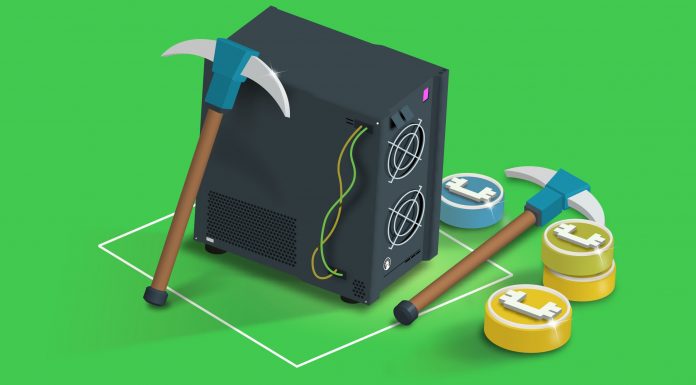
Digital mining, on the other hand, is a next-gen approach. Instead of buying hardware, you buy or earn a digital miner (an NFT) that represents a share of real-world mining power. These digital assets are connected to physical mining facilities managed by companies like GoMining.

You still get daily Bitcoin rewards, but without worrying about electricity costs, cooling systems, or maintenance. It’s the perfect hybrid between real mining and modern digital asset management.

So when people ask, “what is mining Bitcoin” or “how to mine Bitcoin”, the answer today might just involve a crypto mining app that leverages digital miners.

Miner Wars: GoMining Turns Mining Into a Game

Enter Miner Wars — a gamified ecosystem built by GoMining. Unlike most Bitcoin mining apps, Miner Wars integrates real-world mining economics into an engaging strategy game. Players use digital miners to participate in clan-based mining competitions, earn rewards, and level up.

The game is structured around weekly clan wars where players team up to earn Bitcoin (BTC) and GOMINING token rewards. Performance is determined by mining power, strategy, upgrades, and teamwork. Clans compete in different leagues based on skill and experience:

  • Dune: Ideal for newcomers exploring Bitcoin mining on phone or with entry-level equipment.
  • Horizon: Intermediate league for those ready to scale.
  • Eclipse: Advanced players with well-upgraded miners and active clans.
  • Odyssey: The top-tier competition with elite teams and maximum rewards.

What makes Miner Wars stand out compared to any other Bitcoin mining app is the combination of:

  • Real BTC rewards
  • NFT ownership of mining power
  • No need for physical equipment
  • Gamified competition and clan dynamics

It’s not just a game. It’s a real form of passive income.

Advantages of Miner Wars vs Other Mining Games

While many crypto mining games are limited to simulation and in-game tokens with little real-world value, Miner Wars is different. Here’s why:

  • Real Mining Power: Each digital miner in Miner Wars represents actual hashrate from GoMining’s physical mining facilities.
  • Gamified Experience: Team-based clan wars, upgrade strategies, and competitive leagues create an engaging loop.
  • Flexibility: Available on desktop and as a Bitcoin mining app for Android, making it accessible to most users.
  • In-game Perks: Thanks to a GoMining promo code, a boost, a GoMiner avatar, or just simple discount system, users can get more convenient terms.

So, is Bitcoin mining profitable? With GoMining and Miner Wars, the answer is increasingly yes, especially when compared to the risks and costs of traditional setups.

Miner Wars is essentially similar to passive income apps, yet it’s designed for both gamers and crypto investors.

How Miner Wars Uses Tools to Help Players

Success in Miner Wars isn’t just about joining a clan and hoping for the best. The game offers numerous tools and features to enhance your journey:

  • Upgrades: Boost your digital miner’s efficiency and power to increase rewards.
  • Boosters: Temporary enhancements to mining performance during competitions.
  • Clans: Join or build a team to climb the ranks and access higher league rewards.
  • GoMining Promo Code: Use special promo codes to unlock extra perks, discounts, or in-game advantages.
  • Crypto Mining Calculator: Estimate your potential earnings using GoMining’s in-platform tools to strategize better.

Whether you’re curious about how to earn Bitcoin or exploring passive income ideas, Miner Wars provides both fun and functionality.

The Larger GoMining Ecosystem

Miner Wars isn’t an isolated project. It’s part of a broader GoMining ecosystem designed to simplify and democratize Bitcoin mining.

  • Digital Miners: These NFTs represent real-world hashrate. Think of them as your mining rigs in the cloud.
  • GOMINING Token: The platform’s native token, used for upgrades, discounts, and governance. Check the GOMINING token price to see how it’s performing.
  • GoMining Launchpad: Supports new projects related to Bitcoin mining, liquidity pool mechanics, and passive income apps.
  • LBH (Liquid Bitcoin Hashrate): A new concept pioneered by GoMining, LBH makes hashrate more fluid and tradable, just like any digital asset.

And yes, GoMining offers full support via its Bitcoin mining website, and companion Bitcoin miner app. Whether you’re on mobile or desktop, there’s a way to tap into the ecosystem.

Is GoMining Legit?

Let’s answer the big question many newcomers have: Is GoMining legit? The answer is a strong yes.

  • Positive GoMining review feedback across forums and social platforms.
  • Well-rated Go Mining app review and GoMining app review from industry watchdogs.
  • Transparent team, listed data centers, and an active member of the Bitcoin Mining Council.
  • Real-time mining stats and easy withdrawals reinforce their legitimacy.

Could it be the best Bitcoin mining app? It’s definitely the most fun.

Conclusion: A Shortcut to Bitcoin Mass Adoption

As any Bitcoin Maximalist would point out, true adoption will require tools that make Bitcoin more accessible to everyone. GameFi, through products like Miner Wars, might be one of the most effective gateways.

You don’t need to know what is Bitcoin mining in-depth, nor do you need to own a warehouse full of hardware. All you need is a digital miner, a decent team, and a bit of strategy. Whether you’re using a Bitcoin miner app, exploring crypto mining sites, or just want to try Bitcoin mining on phone, GoMining has an option for you.

For anyone exploring the question of is mining Bitcoin profitable? or looking for passive income ideas, Miner Wars and the GoMining ecosystem offer a practical, enjoyable, and profitable answer.

And that might just be the future of legit Bitcoin mining.

U.S. Spot Bitcoin ETFs Recorded $666.5M in Daily Net Inflows

0

U.S. spot Bitcoin ETFs recorded $666.54 million in daily net inflows, marking the fourth consecutive day of positive inflows. BlackRock’s iShares Bitcoin Trust (IBIT) led with $305.02 million, followed by Fidelity’s Wise Origin Bitcoin Fund (FBTC) at $188.08 million, Ark Invest/21Shares (ARKB) at $155.25 million, and Bitwise (BITB) at $16.02 million. Invesco/Galaxy (BTCO) saw a slight outflow of $5.27 million, while other funds like Franklin (EZBC) and Valkyrie (BRRR) reported no net flows.

This surge reflects strong institutional and retail demand, with BlackRock’s IBIT alone managing $65 billion in assets under management and $3 billion in daily trading volume. The data aligns with posts on X noting $667 million in inflows, indicating robust market sentiment. The $667 million in daily net inflows into U.S. spot Bitcoin ETFs on May 19, 2025, signals strong institutional and retail investor confidence in Bitcoin as an asset class.

The significant inflows, particularly into BlackRock’s IBIT ($305M) and Fidelity’s FBTC ($188M), indicate growing institutional acceptance of Bitcoin as a legitimate investment vehicle. ETFs provide a regulated, accessible way for traditional investors to gain exposure without directly holding crypto, bridging TradFi and DeFi. This could drive further price appreciation, as increased demand through ETFs often correlates with Bitcoin’s market performance. Historically, ETF inflows have preceded price rallies, with Bitcoin trading around $106,387.

High inflows enhance liquidity in the Bitcoin market, reducing volatility over time as more capital is allocated through regulated vehicles. BlackRock’s $65B AUM and $3B daily trading volume underscore the scale of this liquidity injection. However, short-term volatility may persist due to speculative trading or macroeconomic triggers (e.g., interest rate changes, regulatory news).

Sustained ETF inflows may encourage regulators to further integrate crypto into financial systems, potentially leading to clearer regulations or new crypto-based financial products. Conversely, regulators may scrutinize the market more closely if rapid inflows raise concerns about speculative bubbles or systemic risks.

The U.S. dominates Bitcoin ETF inflows, but global markets (e.g., Hong Kong, Canada) are also seeing interest. This could spur competition among jurisdictions to attract crypto investment, potentially reshaping global capital flows. Institutional investors, TradFi firms, and crypto bulls view ETFs as a gateway to mainstream adoption. They argue ETFs democratize access, reduce barriers (e.g., custody risks), and signal Bitcoin’s maturation as an asset.

Crypto purists and decentralization advocates argue ETFs undermine Bitcoin’s ethos of self-custody and financial sovereignty. They warn that institutional control via ETFs could lead to market manipulation or disconnect Bitcoin’s price from its fundamental value. Some investors see ETFs as a pragmatic step for adoption but remain cautious about over-reliance on centralized entities. They advocate for a balance between ETF investment and direct Bitcoin ownership to preserve decentralization.

Concerns on X, some users express distrust, noting that ETF inflows concentrate ownership among Wall Street giants, potentially creating a “paper Bitcoin” market detached from actual blockchain activity. Others highlight risks of custodial dependence. X discussions reflect this split, with users debating whether ETF inflows will “moon” Bitcoin’s price or create a “Wall Street takeover” of crypto.

The $667M in ETF inflows reflects a pivotal moment for Bitcoin’s integration into mainstream finance, boosting liquidity and institutional interest. However, it also deepens the divide between those who see ETFs as a bullish catalyst and those who fear they compromise Bitcoin’s decentralized principles. The long-term impact depends on how regulators, institutions, and the crypto community navigate this tension.

Fortnite Returns to U.S. Apple App Store Nearly Five Years After Epic’s Legal Battle with Apple

0

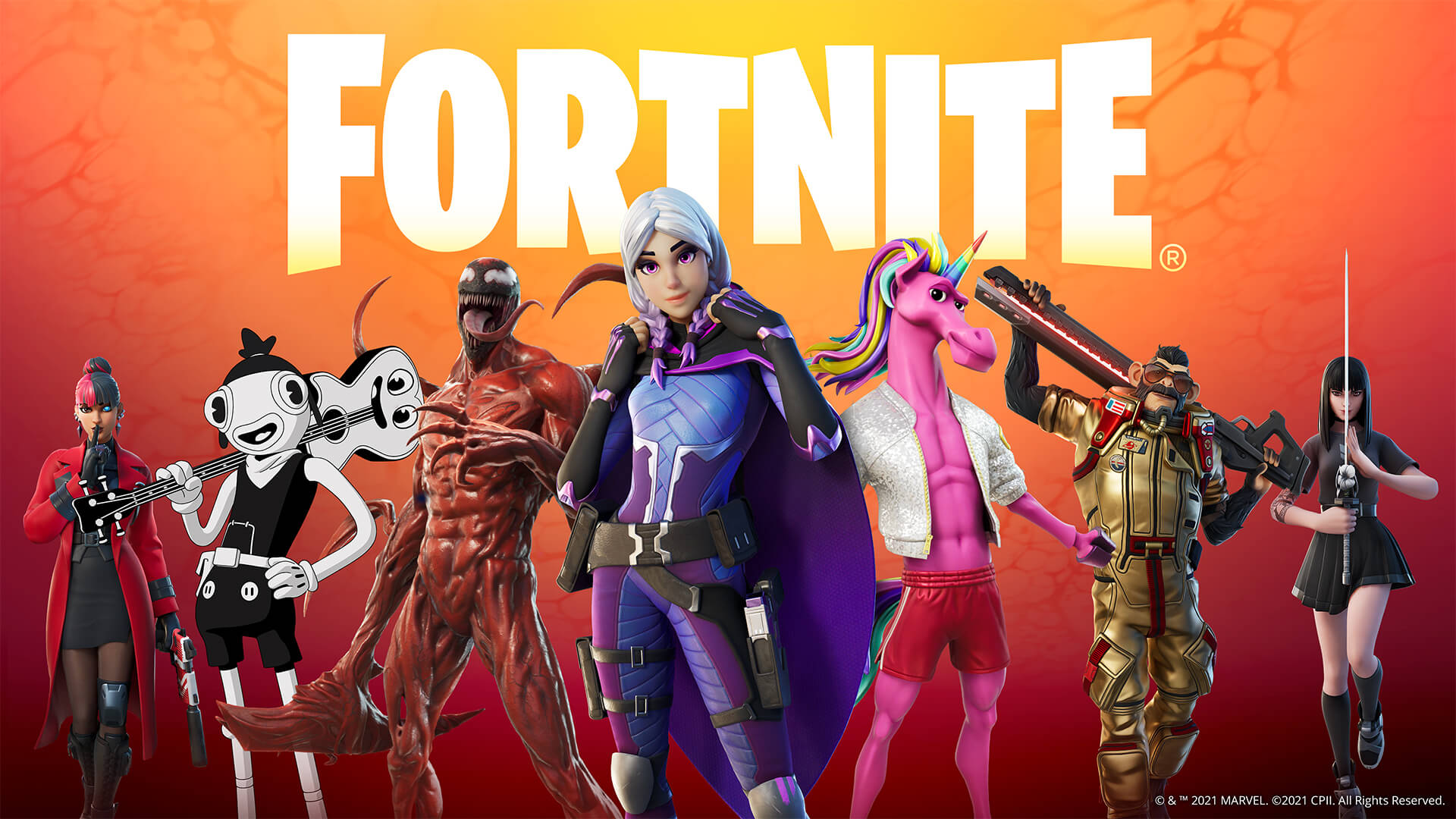
Epic Games’ Fortnite is once again available on iPhones in the United States, marking the end of nearly five years of absence following a high-profile legal clash with Apple over control, commissions, and app store policies.

The game’s return comes after a key legal victory for Epic earlier this year, in a case that has reshaped Apple’s grip on app developers and set a new tone for how digital marketplaces operate.

In August 2020, Apple removed Fortnite from its App Store after Epic implemented a direct payment system in the app, deliberately circumventing Apple’s 30% commission on in-app purchases. The move sparked a legal war, with Epic accusing Apple of monopolistic behavior and anti-competitive practices.

On April 30, 2025, U.S. District Judge Yvonne Gonzalez Rogers ruled that Apple had violated a 2021 court order that barred the company from preventing developers from informing users about alternative payment methods. The judge declared that Apple had “not made a good faith effort to comply” with the injunction and referred the tech giant to the U.S. Justice Department for potential contempt proceedings.

Judge Rogers also ruled that Apple cannot charge developers for purchases made outside of its App Store, a major blow to the company’s longstanding revenue model. This ruling directly opened the path for Epic to return Fortnite to the App Store under its own payment terms.

Following the court’s decision, Epic submitted Fortnite for review on May 9, 2025. But after days of silence from Apple, Epic filed an emergency motion asking the court to force Apple to process the app. The motion stated that Apple “has not responded to Epic’s submission and has offered no timeline for review.”

On May 16, Apple informed the court that the matter had been resolved. And by May 20, Fortnite was officially restored to the U.S. App Store. Epic confirmed the news, stating on its official website: “Fortnite is now available to download from the App Store on iOS in the U.S.”

The version available for download is a lightweight app that expands to the full game after launch. It also offers a 20% discount to players who make purchases through Epic’s own payment system, bypassing Apple’s in-app purchase mechanism entirely.

A Legal Turning Point

The ruling and Fortnite’s return carry enormous implications for the future of mobile app economics. Developers have long criticized Apple’s commission model and its control over iOS app distribution. Epic’s case has now set a legal precedent allowing apps to guide users toward alternative payment options—a move that could save developers millions in fees.

Judge Gonzalez Rogers’ 2025 order builds on a 2021 decision in which she had already found Apple’s anti-steering rules to be anti-competitive. At the time, she issued a permanent injunction prohibiting Apple from “prohibiting developers from including in their apps and metadata buttons, external links, or other calls to action that direct customers to purchasing mechanisms.”

The latest ruling strengthens that injunction and delivers a rebuke to Apple’s enforcement.

“Apple’s insistence on interpreting the injunction narrowly to preserve its commissions undermines the court’s intent,” the judge wrote.

Market Impact and Developer Reactions

The case has sparked discussion in the tech industry about the power of digital marketplaces and the need for more open platforms. While Apple maintains that its policies are necessary to ensure user safety and a consistent user experience, many believe that its rules stifle competition and innovation.

In a statement following Fortnite’s return, Epic CEO Tim Sweeney said, “This is a victory for developers and consumers alike. The ability to offer direct payment options will make the app ecosystem fairer and more competitive.”

Analysts suggest the ruling may have ripple effects across the industry, allowing other developers—such as Spotify, Netflix, and small studios—to adopt similar models.

While Fortnite’s return marks a shift from Apple’s earlier defiance of the court’s judgment, the legal and regulatory battles over the smartphone’s dominance are far from over. The U.S. Justice Department and several states have ongoing antitrust investigations into Apple’s practices, and regulators in Europe have taken steps to force platform openness as well.

However, for Epic and Fortnite fans, the moment marks a hard-fought return. With the app now live in the U.S. App Store again, it represents more than just a game—it’s a symbol of changing rules in the mobile economy.

As Epic reinstates the game, it has also rolled out a new Star Wars-themed season featuring characters like General Grievous, Anakin Skywalker, and even Jar-Jar Binks.

Nvidia CEO: U.S. AI Export Ban Was a Failure, Trump’s Reversal a Welcome Correction

0

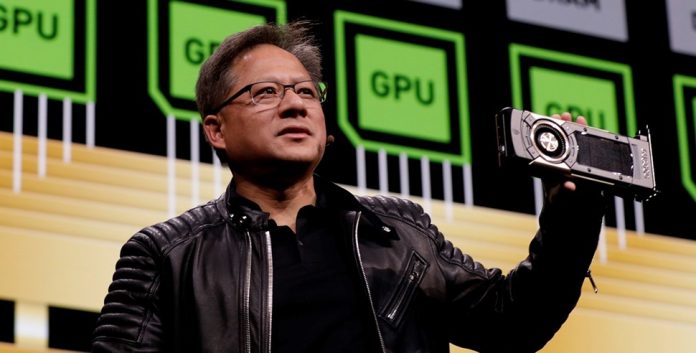
Nvidia’s CEO, Jensen Huang, has sharply criticized the U.S. policy of restricting advanced chip exports to China, arguing that the move backfired by accelerating Chinese technological advancement.

Speaking at the Computex tech conference in Taipei, Huang described the Biden-era export controls as counterproductive and welcomed President Donald Trump’s decision to scrap some of those curbs.

“Incredible things have happened in the last year as a result of the export controls,” Huang told reporters. “The local companies are very, very talented and very determined, and the export control gave them the spirit, the energy, and the government support to accelerate their development.”

Huang pointed to China’s rapid progress in artificial intelligence and chip manufacturing as unintended consequences of Washington’s clampdown on AI chip exports.

“I think, all in all, the export control was a failure,” he said.

The U.S. had sought to curb Beijing’s access to high-end semiconductor technology amid rising geopolitical tensions, citing concerns over the potential military applications of artificial intelligence. But the move cost American firms, including Nvidia, a significant share of their most lucrative overseas market.

Nvidia, once dominant in China with an estimated 95% market share for high-end AI chips, has seen that figure cut nearly in half. We went from basically having 95% share to having 50% share, Huang said.

He added that while the original intent of the policy was to hinder China’s AI capabilities, it instead fueled a surge in domestic innovation. It’s labeled the unintended consequence of a policy that didn’t work.

Now, Trump appears poised to reverse that course. His administration is reportedly planning to replace the current tiered export control regime with a global licensing system that would allow technology trade under government-to-government agreements. The approach is seen as a more strategic and flexible way to maintain U.S. influence in global tech markets while avoiding unintended backlash.

Huang believes President Trump realizes it’s exactly the wrong goal to try to isolate U.S. technology from the world because it undermines our leadership. This is because if U.S. technology is not available to the rest of the world, they will build it themselves.

Indeed, that has already happened. Chinese firms, with strong state baking, have responded to the curbs by making rapid strides in tech self-sufficiency. Huawei’s breakthroughs in chipmaking and the rollout of its own HarmonyOS mobile operating system—designed to replace Google’s Android—have been cited as clear examples of how restrictions pushed China to innovate faster.

The Biden administration’s AI export controls, imposed in 2022 and 2023, particularly targeted Nvidia’s top-performing chips, such as the A100, H100, and more recently, the H800 and A800 variants tailored for Chinese clients. In response, Nvidia began designing downgraded versions to remain compliant. The company is now preparing to release a variant of its powerful Blackwell GPU architecture with reduced memory capacity to meet export standards.

But even with these workarounds, the Chinese market has grown more competitive. Huang acknowledged that domestic chipmakers such as Huawei and startup firms, with Beijing’s support, have filled the vacuum.

At Computex, Huang stressed the importance of maintaining access to global markets. He emphasized that the need for U.S. technology to be widely used.

China, for its part, has consistently condemned the U.S. curbs as discriminatory and politically motivated. The country’s commerce ministry reiterated this stance earlier this year, warning that it would “take resolute measures” to safeguard its interests if Washington continued to impose technology barriers.

As global AI competition intensifies, U.S. policymakers are facing an increasing challenge of how to constrain strategic rivals without undermining American firms or driving them into isolation.

Trump’s strategy signals a potential rebalancing, away from blanket restrictions and toward a model that preserves commercial advantage while allowing room for geopolitical negotiation. However, it is not clear whether this course correction will recover lost ground or simply mark a shift in the broader technological power balancing.