DD
MM
YYYY

PAGES

DD
MM
YYYY

spot_img

PAGES

Home Blog Page 1313

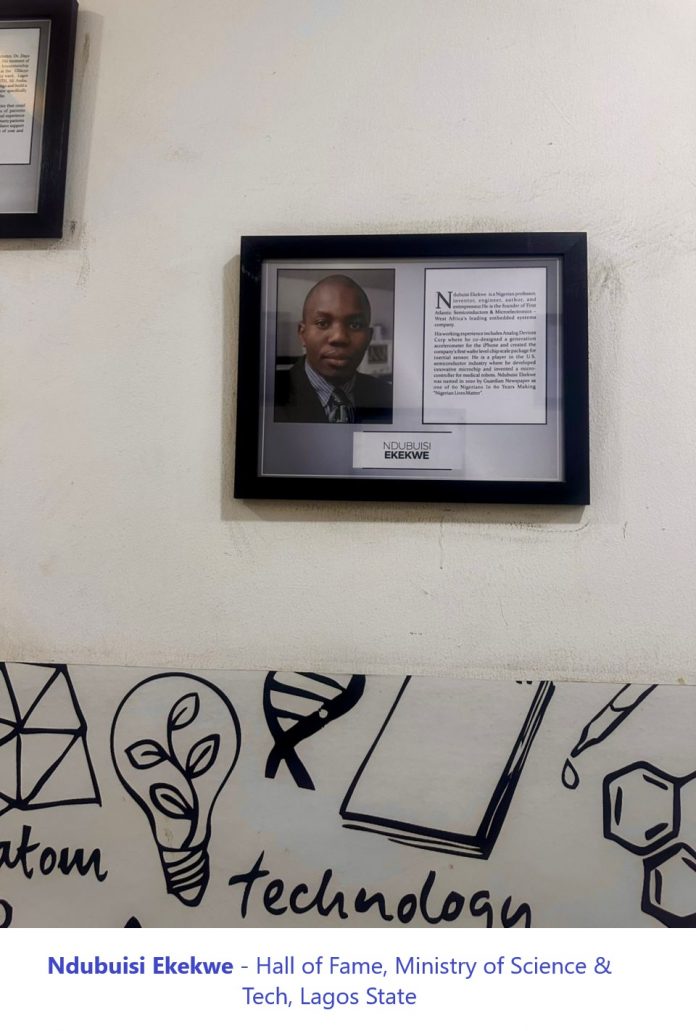
Ndubuisi Ekekwe – Hall of Fame, Ministry of Science & Tech, Lagos State

0

Let me celebrate this one from the good people of Lagos Lagos state. Yes, the amazing Lagosians added a village boy from Ovim to its Hall of Fame in the Ministry of Science and Technology at Alausa, Lagos. Thank you, Lagos.

Good People, when your face shows up in college campuses and government buildings, all you can write is this: THANK YOU.

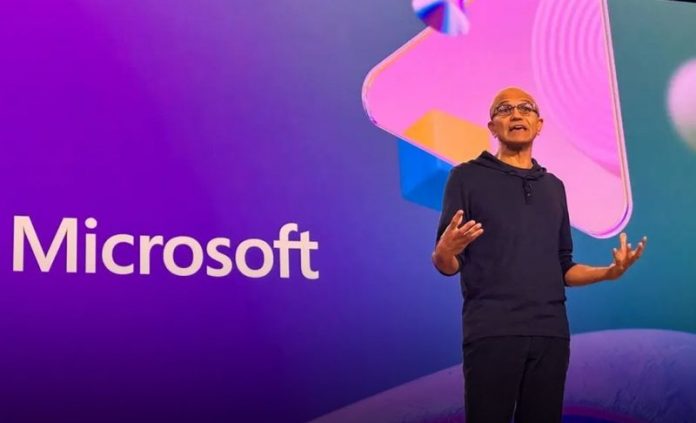
As Microsoft Lays off Its AI Director, Rethink Your Job!

0

A Director of AI in Microsoft was among the recent people the tech giant fired in its recent reorganization. Yes, a huge irony when big tech is breaking profit records, and yet big tech is laying off workers with reckless abandon. Klarna just cut 40% of its workers: “Klarna, the Swedish fintech giant known for its buy-now-pay-later services, has drastically cut its workforce by nearly 40%—a move the company attributes to a combination of artificial intelligence integration and natural attrition.”

But it should not surprise us when you remember the Stage which was one of the most politically lethal adverts created by Obama against Mitt Romney for US Presidency. In that ad, men built a stage to host a town hall meeting for a new owner, and Romney walked on that stage to fire them. They never forgot how they prepared, worked hard, to build that stage, only to be fired on that stage!

As we make AI better, AI will create job dislocations in many companies even AI opens new vistas of opportunities.  And those who actually execute their AI projects well will actually have to lose their jobs if indeed they were successful. You cannot make this up: your job is to improve the AI system so that your job will go!

So what do we do to thrive? It comes down to KNOWLEDGE. Indeed, knowledge because the best AI can do is the “artificial” version of intelligence. What that means is operating at a level where you set a new basis that makes AI lost. Indeed, we need natural wisdom at work because AI is commoditizing intelligence!

How do you contribute at work? Are you self-driven? Do you have that natural energy to get things done? Do you compound what that employer pays you over just becoming a Labourer at work?

Labour-level factor of production will go even as Knowledge-level factor will become extremely valuable. Machines like robots and AI will do Labour-level work. So, we need to evolve to become the knowledge species

Good People, the nature of work is changing. In Nov 2024, we invested in a company with 6 staff . In 4 months of launch, the company has generated $10m revenue purely by creating AI agents as new roles are needed.

NODE Acquisition of CryptoPunks IP Positions It As a Cornerstone for Digital Art Preservation

0

The Infinite Node Foundation (NODE), a nonprofit focused on preserving digital art, acquired the intellectual property (IP) of the CryptoPunks NFT collection from Yuga Labs on May 13, 2025. Yuga Labs, which had purchased the IP from Larva Labs in 2022, transferred it to NODE for an estimated $20 million, though some sources note the amount was undisclosed.

NODE also received a $25 million fund to support its stewardship, which includes preserving the collection, engaging the community, and launching a museum-partnership program to integrate CryptoPunks into leading art institutions. The acquisition led to a 40% surge in CryptoPunks NFT sales and a 170% increase in trading volume to $2.8 million within 24 hours.

Yuga Labs described the transfer as a “full-circle moment” to ensure the collection’s permanence, with Larva Labs founders Matt Hall and John Watkinson returning as advisors. Some X posts question whether the $20 million price was undervalued, reflecting mixed sentiment among holders.

The acquisition of the CryptoPunks IP by the Infinite Node Foundation (NODE) from Yuga Labs has significant implications for the NFT ecosystem, digital art preservation, and the CryptoPunks community, while also highlighting a divide in stakeholder perspectives. NODE’s nonprofit status and mission to preserve digital art position CryptoPunks as a cultural artifact rather than a speculative asset.

The planned museum-partnership program aims to integrate the collection into prestigious art institutions, potentially elevating its status in the traditional art world. The $25 million stewardship fund ensures long-term maintenance, including blockchain integrity and community engagement, reducing risks of neglect or mismanagement.

The acquisition triggered a 40% surge in CryptoPunks sales and a 170% increase in trading volume to $2.8 million within 24 hours, signaling renewed market interest. However, the NFT market’s volatility suggests this may not guarantee sustained value growth. Transferring IP to a nonprofit could stabilize the collection’s perceived value by removing it from purely commercial motives, but it may also limit future profit-driven initiatives that some investors expected from Yuga Labs.

The return of Larva Labs founders Matt Hall and John Watkinson as advisors strengthens NODE’s credibility and aligns with the collection’s origins, potentially fostering community trust. NODE’s community engagement plans, including potential decentralized governance models, could empower CryptoPunks holders, though details remain unclear.

This move sets a precedent for nonprofit stewardship of digital assets, which could inspire similar models for other iconic NFT collections, balancing commercialization with cultural preservation. It highlights the maturing NFT space, where projects transition from speculative hype to long-term cultural significance.

Many see NODE’s involvement as a win for digital art, ensuring CryptoPunks’ longevity beyond market cycles. The nonprofit model is praised for prioritizing cultural value over profit. Some holders and enthusiasts welcome the return of Larva Labs founders and NODE’s community-focused approach, expecting more inclusive governance and creative initiatives.

The immediate sales and volume spike fueled optimism among traders who view the acquisition as a catalyst for renewed interest and price appreciation. Some X posts question whether the $20 million price tag undervalues CryptoPunks, given their historical significance and prior sales (e.g., individual Punks sold for millions). Critics argue Yuga Labs may have offloaded the IP at a discount, potentially shortchanging holders expecting higher commercial exploitation.

Investors who anticipated Yuga Labs’ commercial strategies (e.g., media or metaverse integrations) worry that NODE’s nonprofit focus could cap financial upside, prioritizing art over profit. While NODE promises community engagement, lack of clarity on how holders will influence decisions has sparked skepticism. Some fear a disconnect between NODE’s vision and the community’s speculative interests.

Positive posts celebrate the “decentralized ethos” and cultural preservation, with users like NFTCollector praising NODE’s mission. Negative posts, such as those from CryptoSpeculator, express frustration over the “lowball” sale price and potential loss of commercial potential, reflecting a divide between art-focused and profit-driven holders.

The acquisition positions CryptoPunks as a cornerstone of digital art preservation, with NODE’s nonprofit model offering stability and cultural legitimacy. However, it also underscores a divide between those who value long-term legacy and those prioritizing financial returns. The success of NODE’s stewardship will depend on balancing these interests through transparent governance and effective community engagement, while navigating the broader NFT market’s evolution.

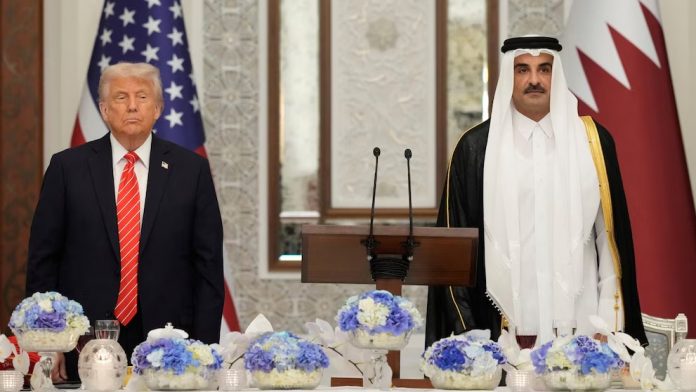
Trump Secures $243.5bn in Deals with Qatar, Eyes $1.2tn Economic Pact

0

U.S. President Donald Trump’s visit to Qatar, according to the White House, has culminated in a cascade of deals worth more than $243.5 billion, a staggering package that combines defense, aviation, energy and tech partnerships — and sets the stage for an even more ambitious $1.2 trillion economic pledge with the Gulf nation.

While the final tally fell short of Trump’s earlier projections of locking down $1 trillion in Saudi pledges alone, the White House cast the Qatar leg as a critical win in the president’s broader campaign to steer Gulf wealth into the American economy and manufacturing base.

“The landmark deals celebrated today will drive innovation and prosperity for generations, bolster American manufacturing and technological leadership, and put America on the path to a new Golden Age,” the White House said in a statement, emphasizing how central foreign investment has become to Trump’s economic diplomacy.

Qatar’s contribution came just 24 hours after Trump touted $600 billion in investment commitments from Saudi Arabia, as part of a wider regional charm offensive aimed at reinforcing America’s strategic and commercial footprint in the Middle East.

The Boeing Coup: $96 Billion Dreamliner Deal

Among the biggest headlines was a $96 billion plan by Qatar Airways to acquire up to 210 Boeing aircraft, including the 787 Dreamliner and the next-generation 777X. The White House described it as the largest-ever widebody aircraft order and the single largest order of 787s in aviation history.

For Trump, it’s a political trophy. The deal is expected to support thousands of American aerospace jobs and inject momentum into Boeing’s commercial aviation division, which has faced recent turbulence amid production flaws and delivery delays.

$3 Billion in Defense Contracts

Qatar’s growing security alliance with Washington was further strengthened through two major defense deals:

  • A $1 billion agreement with Raytheon to supply counter-drone systems, making Qatar the first international buyer of the company’s Fixed Site-Low, Slow, Small Unmanned Aerial System Integrated Defeat System, which is tailored to counter emerging threats from small unmanned aircraft.
  • A $2 billion deal with General Atomics for the purchase of MQ-9B drones, an advanced surveillance and strike platform deployed widely by U.S. forces.

The two nations also signed a statement of intent for $28 billion in future security investments, which may span cyberwarfare, airspace monitoring, missile systems, and classified intelligence-sharing arrangements.

Al Udeid As a U.S. Anchor in the Gulf

Qatar’s value to U.S. defense planning has been cemented by its hosting of Al Udeid Air Base, the largest American military installation in the Middle East. It serves as the forward operating center for U.S. Central Command (CENTCOM).

An agreement signed last year ensures American troop presence at Al Udeid for at least another decade, making Qatar indispensable to U.S. power projection in the region.

In 2022, former President Joe Biden designated Qatar a major non-NATO ally, formally elevating its role in America’s global security framework.

Trump Also Secured Personal Business

Amid the flurry of official signings, the Trump Organization quietly scored its own deal. The family business has partnered with local developers to build a golf course, clubhouse, and beachfront villas along Qatar’s coast. The deal reflects a growing pattern of commercial entanglements that blur lines between Trump’s political leadership and private empire — a convergence that has drawn scrutiny from ethics watchdogs.

However, Gulf leaders appear undeterred. Trump’s reputation for transactional diplomacy has made him a preferred interlocutor among Arab monarchies eager to bypass the slow-moving Washington bureaucracy.

$8.5 Billion Energy Alliance and $97 Billion in Infrastructure Projects

Energy and infrastructure also featured heavily:

  • McDermott International and QatarEnergy signed an $8.5 billion energy infrastructure agreement, likely covering liquefied natural gas, petrochemical, and deepwater extraction projects.
  • U.S. engineering giant Parsons Corp. was linked to 30 Qatari projects worth up to $97 billion, covering urban design, smart city infrastructure, and transport modernization.

$1 Billion in U.S. Quantum Leap Tech

In a nod to next-generation technology, Qatar’s Al Rabban Capital will invest up to $1 billion in U.S.-based quantum computing firm Quantinuum. The deal covers not just R&D but also workforce development, signaling Doha’s ambitions to integrate into America’s high-tech sector at a foundational level.

A Pattern Emerges

Qatar’s investment surge mirrors similar moves by Saudi Arabia and the UAE, which Trump is expected to visit next. The deals are part of a wider Gulf strategy to buy deeper ties to Washington through direct investment, while securing defense equipment, economic diversification, and political backing amid regional rivalries and shifting alliances.

At the same time, these agreements reinforce Trump’s pitch at home: that his brand of diplomacy delivers tangible economic benefits, especially for American firms and workers. With Boeing, Raytheon, General Atomics, and McDermott all poised to benefit, the president is banking on these deals to paint a picture of job creation, even as broader concerns persist about automation and AI displacing workers in those same sectors.

Trump’s next stop is Abu Dhabi, where another wave of deals is expected. If Qatar’s haul is any indication, the president is likely to use his Gulf tour not just to shape foreign policy, but to sculpt a legacy of global economic influence.

Amazon Cuts 100 Jobs Amid Ongoing Cost-Cutting Efforts

0

E-commerce giant Amazon has on Wednesday confirmed that it is laying off approximately 100 employees in its devices and services division, amidst ongoing cost-cutting efforts.

The devices and services unit comprise many businesses, including the Alexa Voice assistant, Echo Hardware, Ring Video doorbells, and Zoox robotaxis.

Speaking on the layoff, Amazon spokesperson Kristy Schmidt said,

“As part of our ongoing work to make our teams and programs operate more efficiently, and to better align with our product roadmap, we’ve made the difficult decision to eliminate a small number of roles. We don’t make these decisions lightly, and we’re committed to supporting affected employees through their transitions.”

The company did not specify which units within the division were impacted; however, it noted that it will continue to hire within the devices and services division.

Amazon’s workforce saw rapid expansion during the pandemic, growing from 798,000 employees in 2019 to over 1.6 million by the end of 2021. However, as consumer demand stabilized, the company began recalibrating its staffing levels. Over the past two years, Amazon has already laid off 27,000 employees, primarily in corporate roles, as part of a cost-cutting effort. By late 2024, its global workforce stood at approximately 1.5 million, including 350,000 corporate employees and over a million frontline workers in warehouse and delivery operations.

In recent months Amazon has faced significant scrutiny over its return-to-office policy, particularly as it unfolds in tandem with a series of large-scale layoffs. The mandate requires employees to work from the office five days a week, a directive that has been met with resistance from many within the workforce.

Jassy set a target to increase the ratio of individual contributors to managers by at least 15% by the end of Q1 2025. The rationale behind Amazon’s firm stance on returning to office likely intersects with its broader business strategy, particularly as it relates to layoffs and restructuring efforts. With a focus on “conscious unbossing,” Amazon aims to flatten its hierarchical structure, purportedly to increase speed and efficiency in decision-making.

The recent job cuts of 100 workers, is coming after the company in March this year, laid off 14,000 managerial employees, as part of a sweeping restructuring plan aimed at increasing efficiency and reducing costs. The move, which represented a 13% reduction in the company’s global management workforce, is expected to save Amazon between $2.1 billion and $3.6 billion annually. 

By the first quarter of 2025, Amazon plans to increase the ratio of individual contributors to managers by at least 15%, a strategy designed to accelerate decision-making and enhance operational efficiency. A Morgan Stanley report released in October 2024 also projected that Amazon’s restructuring might cut nearly 13,834 managerial roles by early this year.

The financial services company also estimated that the cost per manager at Amazon ranged between $200,000 and $350,000 a year. According to sources, Jassy has been vocal about reducing bureaucratic layers that slow down processes, reinforcing his vision of making Amazon function more like a nimble startup.

Jassy’s move to trim the organization comes at a time when Amazon, like many tech companies, is contending with economic challenges. Other tech giants are also downsizing. On Tuesday, Microsoft announced it would cut approximately 6,000 jobs to reduce management layers. These layoffs are part of a broader trend in the tech industry, where companies are grappling with slowing revenue growth and rising costs after years of rapid expansion.