DD
MM
YYYY

PAGES

DD
MM
YYYY

spot_img

PAGES

Home Blog Page 1396

Russia’s Central Bank Reporting Bitcoin As Top Performing Investment Asset is Pivotal Moment for Crypto

0

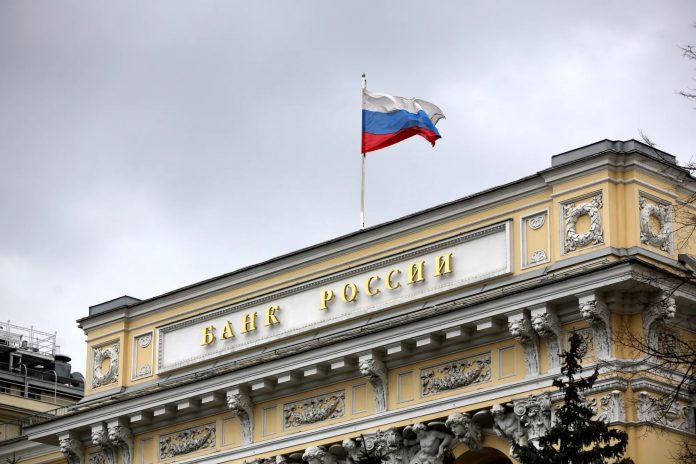
The Central Bank of Russia has reported Bitcoin as the top-performing investment asset in 2025, with a 38% return over the past 12 months, outperforming traditional assets like gold, stocks, and bonds. Since 2022, Bitcoin’s cumulative return has reached 121.3%. Its year-to-date performance in 2025 shows a 17.6% return, and in April 2025 alone, it gained 11.2%. This recognition marks a shift in Russia’s stance, as the Central Bank has also included Bitcoin in its financial overview and plans to launch a crypto exchange for qualified investors. However, Bitcoin’s volatility remains notable, with a reported 17.6% drop in Q1 2025.

The Central Bank of Russia’s acknowledgment of Bitcoin as a high-performing asset signals a growing acceptance of cryptocurrencies within traditional financial systems. This could encourage other central banks and financial institutions globally to consider Bitcoin as a legitimate investment vehicle, potentially reducing regulatory hostility in some regions. Russia’s plan to launch a crypto exchange for qualified investors further integrates cryptocurrencies into its financial ecosystem, potentially attracting institutional investment and fostering a regulated crypto market.

Russia’s embrace of Bitcoin aligns with its efforts to diversify away from traditional financial systems, particularly amid Western sanctions and exclusion from global systems like SWIFT. Bitcoin could serve as a hedge against geopolitical risks and currency devaluation, especially for a country facing economic isolation. By promoting Bitcoin, Russia may position itself as a hub for crypto innovation, attracting capital and talent in the blockchain space, while challenging the dominance of Western financial markets.

The Central Bank’s endorsement could boost Bitcoin’s global market perception, potentially driving further price appreciation as investor confidence grows. This is particularly significant given Bitcoin’s 38% return in the past 12 months and 121.3% since 2022. However, Bitcoin’s volatility (e.g., a 17.6% drop in Q1 2025) may deter risk-averse investors, and the Central Bank’s report could amplify speculative trading, increasing price swings.

Russia’s move suggests a softening of its historically cautious stance on cryptocurrencies, which previously included proposals to ban crypto trading and mining. This could lead to clearer regulations, encouraging adoption among retail and institutional investors. However, the focus on “qualified investors” indicates a controlled approach, likely limiting retail participation to mitigate financial risks for the broader population.

Russia’s pivot contrasts with countries like China, which maintain strict bans on crypto trading, and others like the U.S., where regulatory clarity remains elusive. This creates a fragmented global landscape, with some nations embracing crypto as an economic tool and others viewing it as a threat to financial stability. The Central Bank’s involvement in a crypto exchange underscores tension between centralized control (state-regulated platforms) and Bitcoin’s decentralized ethos, potentially alienating purist crypto advocates who oppose government oversight.

By limiting crypto exchange access to qualified investors, Russia risks widening the wealth gap, as only high-net-worth individuals or institutions may benefit from Bitcoin’s high returns. Retail investors, who face higher risks due to volatility, may be excluded from regulated platforms. Russia’s adoption of Bitcoin could deepen the divide between sanctioned economies (e.g., Russia, Iran) and those integrated into global financial systems. Sanctioned nations may increasingly turn to cryptocurrencies to bypass restrictions, while others rely on traditional assets.

Within Russia and globally, Bitcoin’s rise fuels debates between crypto enthusiasts, who see it as a hedge against inflation and government overreach, and traditional investors, who prioritize stability and trust in fiat-based systems. The Central Bank’s report may embolden the former while alarming the latter. Bitcoin’s pseudonymous nature clashes with Russia’s likely desire for oversight on its crypto exchange, creating tension between user privacy and state surveillance.

Russia’s Central Bank reporting Bitcoin as its top-performing investment has far-reaching implications, from legitimizing crypto in a major economy to reinforcing Russia’s strategic shift amid geopolitical tensions. However, it also underscores divides—between regulatory approaches, economic access, ideological perspectives, and risk appetites.
In AI Era, Every Worker Must be A “Manager”

0

Over the last few days I have noted that AI will commoditize intelligence as it uses computing power to scale the acquisition and deployment of intelligence. Now, the question becomes: if AI does commoditize intelligence, where can we play the career playbook?

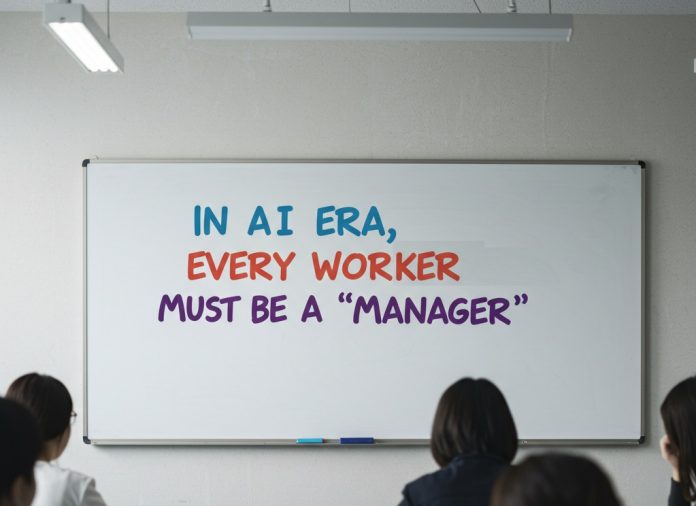
It is simple: we need to become better MANAGERS at operational, tactical and strategic levels. What that means is this: we need to have capabilities to manage an amalgam of AI agents which would be given to us to manage and get our jobs done. In other words, we need to be above “intelligence” and operate at the level of knowledge, managing machines to accomplish tasks: “They will be replacing Labourers even as they pile resources on knowledge.  What is Labour? Forget what Adam Smith wrote decades ago since in his era there was no Knowledge as a factor.”

To get a job or thrive at your current one, you must demonstrate besides everything how you are a better manager, knowing that you may not just be managing humans but AI agents assigned to you!

So, as AI scales, we will get into an age of MANAGEMENT. Yes, we will not have many entry-level jobs and internships because AI agents will do what those interns and new grads currently do. That is scary for the future of markets since  today’s new grad is the executive of tomorrow. That would be sorted out. But right now, the issue is that everyone must be a MANAGER to thrive in this AI era. Improve your management playbook because companies will hire people who can manage machines to execute business objectives!

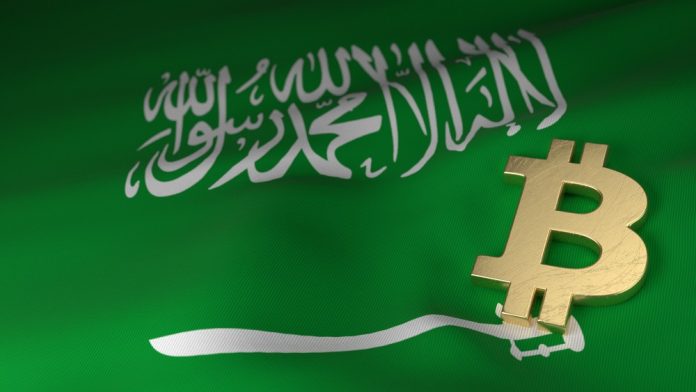
Saudi Central Bank Reportedly Disclosed Investment In MicroStrategy Stocks

0

The Saudi Central Bank reportedly disclosed an investment in MicroStrategy ($MSTR) stock, with posts on X claiming a purchase of 25,656 shares. Given MicroStrategy’s significant Bitcoin holdings, this move is widely interpreted as indirect exposure to Bitcoin. The investment aligns with growing institutional interest in crypto but has sparked debate, with some viewing it as a strategic diversification and others as a risky bet with public funds.

The Saudi Central Bank’s reported $10M investment in MicroStrategy ($MSTR) stock, equivalent to roughly 25,656 shares, carries significant implications due to MicroStrategy’s role as a major Bitcoin holder.  MicroStrategy holds over 252,000 BTC, making it one of the largest corporate Bitcoin holders. The Saudi Central Bank’s investment is seen as a proxy for gaining Bitcoin exposure without directly holding cryptocurrency, potentially signaling cautious but growing institutional acceptance of crypto assets.

This could position Saudi Arabia as a forward-leaning player in the Gulf region, where crypto adoption has been uneven, aligning with the Kingdom’s Vision 2030 push for economic diversification. The investment may reflect a strategic move to diversify the central bank’s reserves, traditionally dominated by U.S. Treasuries and oil-linked assets. Bitcoin’s uncorrelated nature could serve as a hedge against inflation or geopolitical risks.

However, MicroStrategy’s stock is highly volatile, tied closely to Bitcoin’s price swings, which introduces significant risk to a traditionally conservative institution. As a G20 member and a key OPEC player, Saudi Arabia’s move could encourage other central banks, particularly in emerging markets, to explore similar investments. This could accelerate mainstream crypto adoption. It may also intensify competition in the Gulf, where the UAE and Bahrain have already embraced crypto-friendly policies.

Regulatory and Political Signals

The investment suggests a potential softening of Saudi Arabia’s historically cautious stance on cryptocurrencies, which have faced restrictions due to concerns over speculation and illicit use. It could foreshadow regulatory changes to support crypto infrastructure, such as exchanges or custody solutions, within the Kingdom.

The investment has sparked polarized reactions, particularly evident in discussions on X and broader crypto communities. Supporters argue this is a bold, forward-thinking move aligning with global trends toward digital assets. They see it as a hedge against fiat currency devaluation and a step toward modernizing Saudi Arabia’s financial system.

Some analysts speculate the investment could boost MicroStrategy’s stock and Bitcoin’s price, as it signals institutional confidence. They view it as validation of Bitcoin’s staying power. Advocates believe this positions Saudi Arabia as a crypto pioneer in the Middle East, potentially attracting blockchain startups and investment. Critics highlight the volatility of MicroStrategy’s stock, which often amplifies Bitcoin’s price swings. They argue a central bank should prioritize stability over speculative investments, especially with public funds.

Some questioned the transparency and decision-making process behind the investment, raising concerns about whether it serves national interests or benefits specific elites. Traditionalists within and outside Saudi Arabia view Bitcoin as a speculative bubble, arguing that tying a central bank’s portfolio to it undermines financial credibility. Some take a wait-and-see approach, noting that $10M is a small fraction of the central bank’s reserves (estimated at over $400B).

They argue the investment is experimental and unlikely to shift broader policy without further evidence. Others call for clarity on whether this is a one-off move or part of a larger crypto strategy, urging official confirmation to counter X-driven speculation.

Sun King Secures $80M Debt Facility to Expand Solar Access for Nigerian Households

0

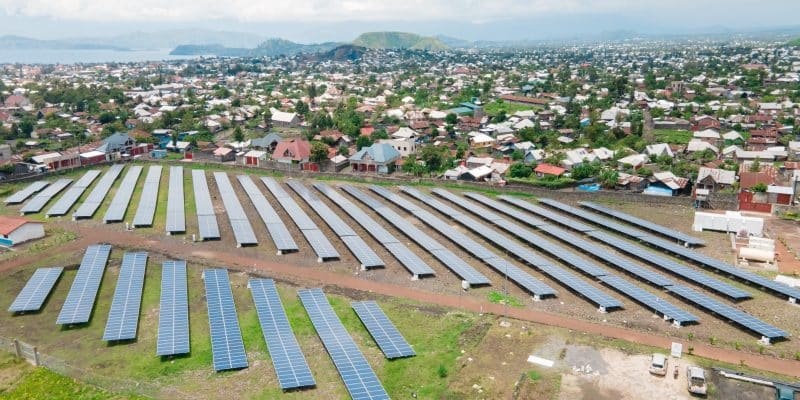
Sun King, the world’s largest off-grid solar energy provider, has secured an $80 million naira-denominated loan to accelerate access to electricity across Nigeria.

The financing is supported by a World Bank-backed initiative, with contributions from the International Finance Corporation (IFC) and Stanbic IBTC Bank.

The new funding will power Sun King’s ambitious plan to deliver solar energy solutions to 4 million Nigerian households over the next four to five years, providing a sustainable alternative to the country’s unreliable national grid and expensive, polluting fuel generators.

According to the World Bank, over 85 million Nigerians more than 40% of the population lack access to reliable electricity. The national grid delivers only about 5,000 megawatts daily, far short of the estimated 30,000 megawatts needed. This shortfall has forced millions to depend on diesel and petrol generators, which now produce more than twice the electricity supplied by the national grid.

Sun King aims to change that narrative by expanding its reach with affordable, clean energy solutions. Since its entry into the Nigerian market in 2018, the company has already connected over 1.2 million homes to solar power. Its pay-as-you-go model allows low-income families to access solar home systems and energy-efficient appliances like lanterns, lighting kits, fans, and televisions through flexible instalments.

Speaking on the funding, Anish Thakkar, Co-Founder Sun King said,

Off-grid solar provides the fastest and most scalable pathway to universal electrification across Africa. This investment exemplifies the kind of bold, all-hands-on-deck approach required to deliver reliable, affordable energy to millions at the pace Mission 300 calls for. With structured financing tailored to local needs, we can dismantle affordability barriers and scale up the proven impact of off-grid solar solutions. We commend IFC and Standard Bank for their leadership in advancing sustainable energy access.”

Also commenting, Dahlia Khalifa, IFC Regional Director for Central Africa and Anglophone West Africa said,

Millions of Nigerians still live without reliable access to electricity, which limits opportunity and undermines resilience. This investment enables scalable local-currency solutions that empower households and businesses with clean, affordable solar power. Beyond energy access, it supports rural employment, boosts productivity, and brings us closer to our shared goal of inclusive, sustainable development.”

The expansion is also expected to generate around 10,000 new jobs including roles for sales agents, technicians, and support staff thereby stimulating economic growth in underserved rural and peri-urban areas.

This investment aligns with Nigeria’s renewable energy ambitions, including its commitment to achieving net-zero carbon emissions by 2060. The government has supported green initiatives through policies and financing tools, such as its planned $186 million green bond issuance in 2025 to fund clean energy and reforestation projects.

Despite the promise of solar, Nigeria’s off-grid energy market still faces challenges. These include high import tariffs on solar equipment, currency instability, and logistical hurdles in reaching remote communities. Some experts caution that while off-grid solar offers vital relief, it should complement rather than replace efforts to build a stronger, centralized electricity grid.

Even so, Sun King’s global experience having brought solar power to 29 million people across Africa and South Asia — makes it well-positioned to deliver meaningful impact in Nigeria. Its strong local partnerships and community distribution networks have fueled growth, and the new funding will allow it to deepen its presence, especially in northern regions with the lowest electrification rates.

As Nigeria continues to confront its longstanding energy crisis, Sun King’s expansion represents a hopeful step forward. By combining international support with private-sector innovation, the initiative sets a blueprint for scalable, sustainable electrification in Africa.

Microsoft’s Nadella Declares DeepSeek’s R1 Model First Real Rival to OpenAI, Undercutting Hype Around Google, Meta, and Musk’s AI Efforts

0

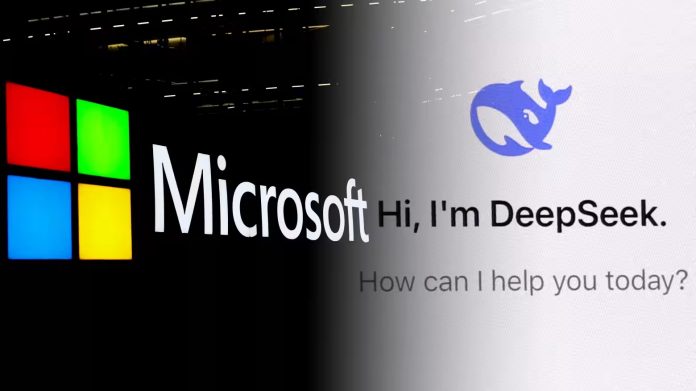
Microsoft CEO Satya Nadella has declared DeepSeek’s R1 artificial intelligence model as the first to truly compete with OpenAI’s models—a statement that, though seemingly focused on a single startup, has inadvertently belittled the progress made by other prominent players in the AI race, including Google’s Gemini, Meta’s Llama, and Elon Musk’s Grok.

In an interview published Thursday by Bloomberg Businessweek, Nadella said: “OpenAI has been so far ahead that no one’s really come close. DeepSeek, and R1 in particular, was the first model I’ve seen post some points.”

The phrasing leaves little ambiguity. Despite the billions of dollars invested in the AI models built by major U.S. tech firms, Nadella has reserved praise only for a Chinese challenger, suggesting that other contenders have yet to meet the bar set by OpenAI.

The R1 model, developed by Beijing-based DeepSeek, has stirred significant attention since its release, particularly after its free chatbot unexpectedly shot to the top of the U.S. Apple App Store in January. That surge sent a ripple through the AI investment ecosystem, triggering a sell-off in shares of companies tied to AI infrastructure, especially chipmakers like Nvidia, amid fears that more affordable models could weaken demand for high-end hardware.

Nadella’s statement, though intended as an endorsement of DeepSeek, is being interpreted across the industry as a blunt demotion of the progress made by rivals like Google’s Gemini, Meta’s Llama, and xAI’s Grok.

Microsoft is a major investor in OpenAI and has been seen as a close strategic ally. But its decision to not only host DeepSeek’s R1 on its Azure AI Foundry but also publicly elevate it above all others, except OpenAI, adds a new dimension to the competitive narrative.

DeepSeek’s rise also has geopolitical undertones. The company is based in China, and while Microsoft offers R1 through its cloud platform, it has taken precautions to avoid sending data to DeepSeek’s domestic servers.

“Using R1 on Microsoft’s platform means that data would not be sent to DeepSeek’s servers in China,” the company emphasized in its communications.

Microsoft’s AI platform head, Asha Sharma, noted in January that R1 underwent “rigorous red teaming and safety evaluations” before being offered to customers on Azure. This assurance was likely aimed at addressing concerns about data security and model safety, especially given the sensitive nature of deploying foreign-developed AI models within enterprise environments.

OpenAI CEO Sam Altman, while acknowledging the rising competition, also commended DeepSeek’s achievement. In January, Altman called R1 “an impressive model, particularly around what they’re able to deliver for the price,” and added that DeepSeek’s progress was “invigorating,” prompting OpenAI to accelerate some of its planned releases.

But others have been more cautious in their appraisal. Ben Buchanan, a former special advisor for AI in the Biden administration, said during a March episode of The Ezra Klein Show that R1’s development wasn’t as groundbreaking as headlines might suggest. “R1 is actually not that unusual,” Buchanan said, explaining that while DeepSeek’s engineers are “extremely talented,” their breakthroughs were largely the result of the same algorithmic efficiency efforts already being pursued by other AI labs, such as those at Google, Anthropic, and OpenAI.

Still, it’s Nadella’s comment that has now drawn the clearest line in the sand.

By placing DeepSeek’s R1 in a class of its own—just beneath OpenAI’s flagship models and above the likes of Gemini and Llama—the Microsoft boss has effectively reshuffled the perceived hierarchy of AI powerhouses. Google’s Gemini, launched with fanfare as the successor to Bard, was billed as a “GPT-4 killer” in some early tech coverage. Meta’s Llama models, particularly Llama 2 and the more recent Llama 3, have been positioned as open-source alternatives intended to democratize access to advanced AI. And Elon Musk’s Grok, developed under xAI and integrated into X (formerly Twitter), has been marketed as an edgy, real-time AI personality capable of competing with leading models.

Yet none of these have received the kind of affirmation Nadella has now offered DeepSeek. His remark subtly implies that, from the vantage point of performance and potential, none of the other major players have managed to stand out.

R1’s rise also presents a complicated narrative for U.S. tech firms that have emphasized AI sovereignty and control. While many Western nations have expressed concern over China’s push to dominate AI, Microsoft’s own endorsement—and decision to integrate R1—underscores the reality that innovation is not confined by geography.

DeepSeek’s R1 is now available via Microsoft’s Azure AI Foundry and GitHub, giving developers and enterprise clients direct access to the model within Microsoft’s cloud infrastructure. That also means DeepSeek can scale globally without the geopolitical friction associated with routing data back to China, at least not through Microsoft’s ecosystem.

For Microsoft, the move is pragmatic. The company is hedging its position: doubling down on OpenAI, while also opening its platform to competitive models that offer value. For the rest of the industry, particularly Alphabet, Meta, and xAI, Nadella’s public endorsement of a Chinese model may sting more than expected.