DD
MM
YYYY

PAGES

DD
MM
YYYY

spot_img

PAGES

Home Blog Page 1465

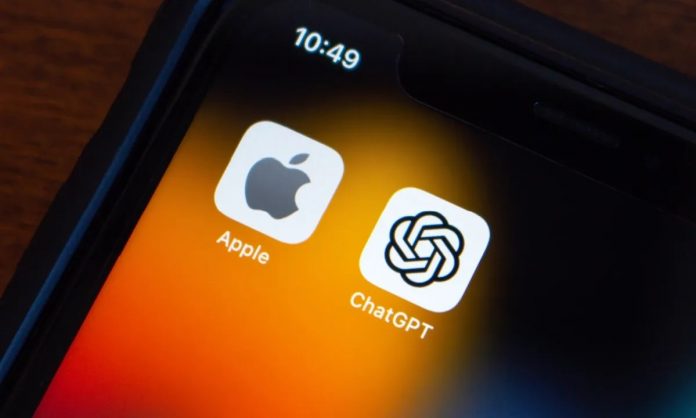
Saying “Please” And “Thank You” to ChatGPT Cost OpenAI Millions – Altman

0

The conversation around whether it costs more to be polite to AI may have started as a joke, but it’s stirred up real questions about the human-AI dynamic, and the invisible price tags behind every word we type.

It began with this curious post on X: “I wonder how much money OpenAI has lost in electricity costs from people saying ‘please’ and ‘thank you’ to their models.” The kind of offhand musing that might’ve drifted unnoticed through the social media stream — except it caught the attention of OpenAI CEO Sam Altman.

“Tens of millions of dollars well spent — you never know,” Altman quipped in response.

His reply, dry and ambiguous, didn’t include any hard numbers, and it clearly wasn’t meant to be taken as a serious accounting statement. But it set off a wave of speculation, including a piece from Futurism exploring whether such seemingly insignificant habits might come with outsized energy costs when scaled to the billions of queries AI systems process each year.

The Energy Behind Every Query

Generative AI models like ChatGPT aren’t just pulling words out of thin air. Each response relies on massive server farms—power-hungry systems crunching numbers around the clock. A 2023 study by researchers at the University of Washington estimated that a single ChatGPT response might consume about 0.3 watt-hours of electricity, depending on its length and complexity. Multiply that by the billions of queries the model handles, and the energy bill quickly climbs.

But adding a few extra words like “please” or “thank you”? Not enough to break the bank in isolation. The consensus among experts is that while yes, extra tokens (units of text) do incrementally increase computational workload and energy use, the marginal cost of politeness is minuscule. What’s less insignificant is the cultural weight of those words.

Politeness as Prompt Engineering

Kurt Beavers, a design director for Microsoft’s Copilot, an AI assistant built on a similar architecture to ChatGPT, says the choice of words matters not just to humans, but to the models themselves.

“Using polite language sets a tone for the response,” Beavers told Futurism. When an AI “clocks politeness, it’s more likely to be polite back.”

This idea echoes what’s known in prompt engineering: how you phrase a question or command influences the output. Politeness can signal a certain tone or context that subtly shapes the response, even if the model doesn’t have emotions or understand social cues in the human sense.

It’s less about morality or manners and more about signal and response. A well-worded prompt, polite or not, helps the AI narrow down the tone and intent of its answer. This is especially useful in customer service or professional settings where tone matters just as much as accuracy.

That doesn’t mean swearing or bluntness has no place. In fact, in some contexts, a peppering of profanity can clarify urgency or emotion. Researchers have found that emotionally charged prompts often yield more vivid, emphatic, or creative responses from AI. Of course, most consumer-facing models filter or tone down profanity, depending on context and content policies.

But users testing boundaries or trying to extract more forceful or humorous replies often experiment with different tones, including impolite ones.

Anthropomorphism in the Age of AI

The debate about saying “please” to machines also touches on how we perceive AI. As chatbots get more fluent, humanlike, and responsive, users naturally start treating them like digital companions. This tendency toward anthropomorphism—projecting human traits onto non-human entities—can be harmless or even helpful. For example, it might make interactions feel smoother and more intuitive.

But some experts warn that this blurring of lines might lead to unrealistic expectations, or worse, a misplacement of trust. Saying “thank you” might be second nature now, but what happens when we forget it’s not a sentient being we’re addressing?

So It’s Worth It After All?

Back to the original question: Does saying “please” and “thank you” cost OpenAI millions in electricity?

Technically, yes—if you scale it up and take Altman’s quip at face value. But those extra tokens probably cost fractions of a cent each, and the goodwill or comfort they bring to the user experience is arguably worth far more.

And as Altman said, “tens of millions of dollars well spent — you never know.” Because in a world increasingly shaped by artificial conversations, the choice to be polite, even to machines, might just be a small but meaningful stand for how we interact with each other.

Africa’s Struggle to Bridge the Digital Divide Deepens in 2024, With Only 38% Of Population Online – ITU Report

0

Africa continues to trail the rest of the world in Internet access, with only 38% of its population online in 2024—far below the global average of 68%, according to the latest State of Digital Development in Africa report released by the International Telecommunication Union (ITU).

The findings lay bare a widening digital divide that now threatens the continent’s ability to build a modern economy powered by innovation and digital services.

While the continent has made visible strides in expanding mobile coverage and updating policy frameworks, the ITU warns that the high cost of data, weak digital infrastructure, and a sharp urban-rural divide are collectively stalling Africa’s digital transformation.

Affordability remains the most significant obstacle to digital access, the report notes. Despite incremental improvements, the average cost of a 2GB monthly mobile broadband plan in Africa stood at 4.2% of gross national income (GNI) per capita in 2024—more than double the UN Broadband Commission’s affordability benchmark of 2%.

“That’s still more than double the UN Broadband Commission’s affordability target of two percent, and the highest of any ITU region,” the report said.

Fixed broadband is even less accessible. With a median cost of 15% of GNI per capita, home Internet remains a luxury for all but the wealthiest households. These figures not only place Africa as the least affordable region globally for Internet access, but also point to systemic inequalities that disproportionately affect women, rural dwellers, and low-income earners.

Mobile Dominates, But Access Is Not Uniform

Africa’s digital landscape continues to be shaped by mobile connectivity, which now covers 86% of the population. However, 14%—mostly in hard-to-reach areas, remain completely unserved. In rural regions, the gap widens to 25%, reinforcing a trend where digital infrastructure and investment are concentrated in urban areas.

About 70% of Africans now have access to 4G networks, but many remain stuck on 3G, 16% of the population as of 2024, relying on slower speeds and limited functionality. Meanwhile, 5G remains nascent, reaching just 11% of the population and confined largely to elite neighborhoods in cities like Lagos, Nairobi, and Johannesburg.

Urban-Rural Divide Undermining Inclusiveness

The report underscores a rapidly growing divide between Africa’s urban and rural communities. Internet penetration in cities hit 57% in 2024, while rural usage stood at just 23%. That gap, 34 percentage points, is the widest in any ITU-designated region, reflecting years of lopsided infrastructure investment that continues to prioritize urban centers.

In many rural communities, poor electricity supply, digital illiteracy, and lack of affordable smartphones further compound the problem. This disparity, experts warn, is creating parallel societies: one that’s connected and competitive, and another that’s isolated and economically vulnerable.

“These high costs hit low-income groups the hardest, deepening digital inequality across the continent,” the ITU stated in the report.

Weak Governance Slows Progress

While there have been some improvements in policy reform, the ITU points out that most African countries are still lagging in terms of digital governance. Only 18% of nations on the continent have achieved the highest standard of ICT regulation (G4), far below the global average of 38%.

The report stresses that a coordinated digital strategy is critical—not just for connectivity but also for cybersecurity, data protection, digital identity systems, and online skills training.

The Economic Cost of Digital Exclusion

Beyond infrastructure statistics, the ITU’s findings paint a bleak picture of Africa’s long-term economic development. Analysts say the continent’s failure to provide universal, affordable Internet access is effectively shutting the door to innovation-driven sectors such as e-learning, telemedicine, digital finance, and remote work.

One of the most visible casualties is the edutech sector, which has struggled to gain meaningful traction across much of the continent due to widespread connectivity issues. While several startups have developed digital learning platforms, poor Internet penetration has limited their reach, particularly in regions where access to traditional schools is already limited.

The inability of millions of students to access virtual classrooms during the COVID-19 pandemic exposed the fragility of the continent’s education infrastructure.

Without reliable Internet, experts say Africa’s youth-driven population will be unable to compete in the global knowledge economy. Sectors like digital agriculture, logistics tech, and healthtech—which rely heavily on real-time data and connectivity—are also being held back.

Africa’s most populous country, Nigeria, exemplifies both the potential and pitfalls of the continent’s digital trajectory. The country had 138.7 million mobile Internet subscriptions as of December 2024, according to the Nigerian Communications Commission (NCC). However, broadband penetration stood at just 44.43%, and over 42% of users were still on 2G.

Despite the commercial rollout of 5G by major telecom operators, only 2.4% of Nigerians had access to 5G networks by the end of 2024—highlighting the slow pace of modernization and unequal access to digital resources.

The ITU report concludes with a call for urgent action by governments, development partners, and the private sector. Recommendations include subsidizing broadband services for low-income users, expanding public Wi-Fi programs, investing in rural infrastructure, and fostering partnerships to scale up digital education and skills training.

Flutterwave Send App: Powering A New Era of Remittances Across Africa

0

The African diaspora sends billions of dollars home each year, making remittance a lifeline for millions of families across the continent.

Reports reveal that in 2024, Africans sent a record $56 billion in remittances back to sub-Saharan Africa, which signified a significant increase compared to previous years. Yet, despite the importance, sending money back home remains a cumbersome and challenging process for many Africans in the diaspora.

One of the most pressing challenges facing remittance flows to Africa is the prohibitively high cost of transactions. Sub-Saharan Africa has consistently ranked as the most expensive region in the world to send money to. On average, it costs 7–9% of the amount sent, far above the global average of 6% and well above the UN Sustainable Development Goal target of 3%. For a family receiving $200, this could mean losing $14 to $18 in fees, money that could have gone toward necessities.

These costs are driven by a combination of factors such as lack of competition, reliance on traditional brick-and-mortar agents, exchange rate markups, and regulatory hurdles. Many international remittance service providers have not innovated in a way that benefits African recipients, keeping fees inflated and options limited.

In addition to high costs, slow transaction speeds are another major obstacle. Many traditional remittance services take multiple days to complete a transfer. For recipients who depend on this income for day-to-day survival, such delays can be devastating.

Delays often occur because of multiple intermediaries, manual verification processes, and settlement delays between banks and financial institutions. In rural areas, recipients may also have to travel long distances to reach an agent or bank branch to access their funds, adding time, cost, and inconvenience to the process.

Another significant challenge is the limited reach of banking services across many African nations. While urban populations might have relatively easy access to financial institutions, rural and underserved communities often do not. According to the African Development Bank, more than 60% of adults in Sub-Saharan Africa remain unbanked.

This financial exclusion means many recipients are forced to rely on informal channels or cash-based systems, which are riskier, less secure, and harder to track. In places where mobile money adoption is low or where cash pickup locations are scarce, access to remitted funds becomes a major challenge.

Send App Addressing The Remittance Challenge in Africa

The Send App, launched in 2021 by fintech unicorn Flutterwave, serves Africans in the diaspora, enabling them to seamlessly send money to families, friends, and businesses back home and beyond.

Since its launch, the app has been fulfilling its mission of providing a fast, transparent, and secure way for the Africans Diaspora to bridge the distance, strengthen the bonds and connect with home.

Send App, which was recently launched in Ghana this year, has also expanded to several African countries which include Malawi, Egypt, Senegal, and Zambia, with local licenses ensuring compliance and seamless integration with mobile money platforms.

Key Features of the Send App

Global Reach and Multi-Currency Support

Send App supports transfers to over 30 countries, including African nations like Nigeria, Ghana, Kenya, Ethiopia, Senegal, Malawi, and Egypt, as well as European countries such as Austria, Belgium, France, Germany, and Spain. Users can send money in more than 30 currencies, making it versatile for global transactions.

Speed

In 2024, 98% of transactions on the app, was completed in under five minutes, making it one of the fastest remittance solutions available.

Multiple Transfer Options

Recipients can receive funds via local bank accounts, mobile money wallets, or cash pick-up locations, offering flexibility based on the recipient’s preferences and regional infrastructure.

Payment Methods

Users can fund transfers using debit cards, credit cards, bank transfers, Apple Pay, or Google Pay (Google Pay is web-only). Once payment is confirmed, transactions are processed instantly.

User-Friendly Interface

The app is praised for its intuitive navigation, making it easy to initiate and track transfers. Features like real-time exchange rate updates, an activity section for transaction tracking, and a voucher/referral code section enhance the user experience.

Security and Compliance

Powered by Flutterwave’s ISO 27001 & 22301-certified infrastructure, Send App ensures robust security, exceeding industry standards. It complies with PCI DSS and includes partnerships with institutions like Nigeria’s EFCC to combat fraud. Flutterwave emphasizes that it never requests sensitive information like card details or OTPs via unofficial channels.

Swap Integration

In February 2025, Send App integrated Swap, allowing Nigerian users to exchange Naira for foreign currencies (USD, GBP, EUR) and send money abroad within the same app. This eliminates the need for multiple platforms, streamlining currency exchange and transfers.

Send App Competitive Edge

With a deep understanding of African diaspora needs, Send App stands out in a crowded remittance market that includes big players like World Remit, Wise, and Sendwave, amongst others.

The app supports unique remittance use cases, such as sending funds for “Bride Price,” which saw an 86.37% increase in such transactions, from February to March 2024, reflecting its alignment with African traditions.

By aligning with the communal, emotional, and cultural needs of Africans, Send App outperforms competitors, positioning itself as the go-to platform for Africans sending money back home.

Conclusion

Flutterwave’s Send App is more than a money transfer tool; it’s a bridge connecting Africans worldwide to their roots. With its robust features, expanding reach, and commitment to security, it empowers users to send money quickly and reliably, reinforcing Flutterwave’s mission to unite Africa through payments.

By combining technology, affordability, and convenience, the app is redefining the remittance experience, bringing Africa one step closer to a financially inclusive and interconnected future.

Schedule Your Tekedia Growth Hour

0

We have started scheduling Tekedia Growth Hour (batch 3) for the current edition of Tekedia Mini-MBA. This is for our corporate and group clients who enrolled Learners in bulk. Please check your emails and follow the instructions to schedule.

During Tekedia Mini-MBA, we schedule Tekedia Growth Hour with groups and corporate participants attending our program. We use the opportunity to discuss, at more specific levels, how some of the frameworks and business models we have studied could be applied in the companies. We do batch this throughout the program. I personally coordinate that via Zoom.

Register for the next edition of Tekedia Mini-MBA here 

From the Desert to the City: UAE’s Top Car Rental Marketplace Makes Dubai Car Rental a Breeze

0

Dubai, the cosmopolitan city with fabulous contemporary structures, endless deserts, and luxury lifestyle, is a host to a large number of tourists every year- be it business travelers or the ones on a leisurely vacation. For anyone exploring Dubai, the most crucial element is the possession of a reliable and convenient means of transport. O has emerged as the most leading car rental Dubai marketplace to rent electric car Dubai, offering a seamless and hassle-free experience for both residents and visitors alike.

Whether one is driving across the iconic skyscrapers of Downtown Dubai or navigating the golden sand dunes of the desert, the local suppliers at O ensure that getting a car in Dubai is easy and stress-free.

O is a marketplace that connects users to local car rental providers throughout Dubai. While most traditional car rental services require tedious paperwork, associated hidden fees and complicated booking procedures, O has simplified everything in its very user-friendly platform. Customers can browse an enormous range of rental options- with budget-friendly compact cars to luxury vehicles to suit varied needs and preferences.

The platform caters to both locals and visitors, offering an even greater flexibility in rental periods ranging from a couple of hours to month-long rentals. For tourists who want their trips to be memorable by cruising the city in high-end luxury cars, sports cars or even Dubai monthly rent a car, through the suppliers at O. In addition, there are compact and sedan cars, such as Toyota, Honda, and Nissan, for those on a tighter budget and still needing a convenient ride.

O understands that people who visit Dubai want to take pleasure in its deserts and nature exploration. There are also available 4×4 SUVs such as the Toyota Land Cruiser and Nissan Patrol on this platform- these vehicles are suitable for off-road adventures.

O has really gone all the way to ensure that the entire car rental process is as simple as possible. The website and mobile app are even equipped with user-friendly interfaces for browsing through available vehicles, comparing price quotes, and booking. Customers can also filter results using vehicle type, duration of rental, or price range.

On top of that, O provides customers with pickup and drop-off locations available throughout Dubai, ranging from the airports, hotels, and big sites- this feature is sure to be appreciated by both tourists and residents. The delivery can be made doorstep convenient, whether delivering the rental car directly to a user’s site for an uninterrupted journey.

Whether new to Dubai or a longtime resident, O through its listings from local suppliers offers a simple, effective, and inexpensive car rental solution.