DD
MM
YYYY

PAGES

DD
MM
YYYY

spot_img

PAGES

Home Blog Page 1470

As Trump Tariffs Reshape Trade, Made-in-America CEOs Eye a Manufacturing Comeback — But Admit It Won’t Happen Overnight

0

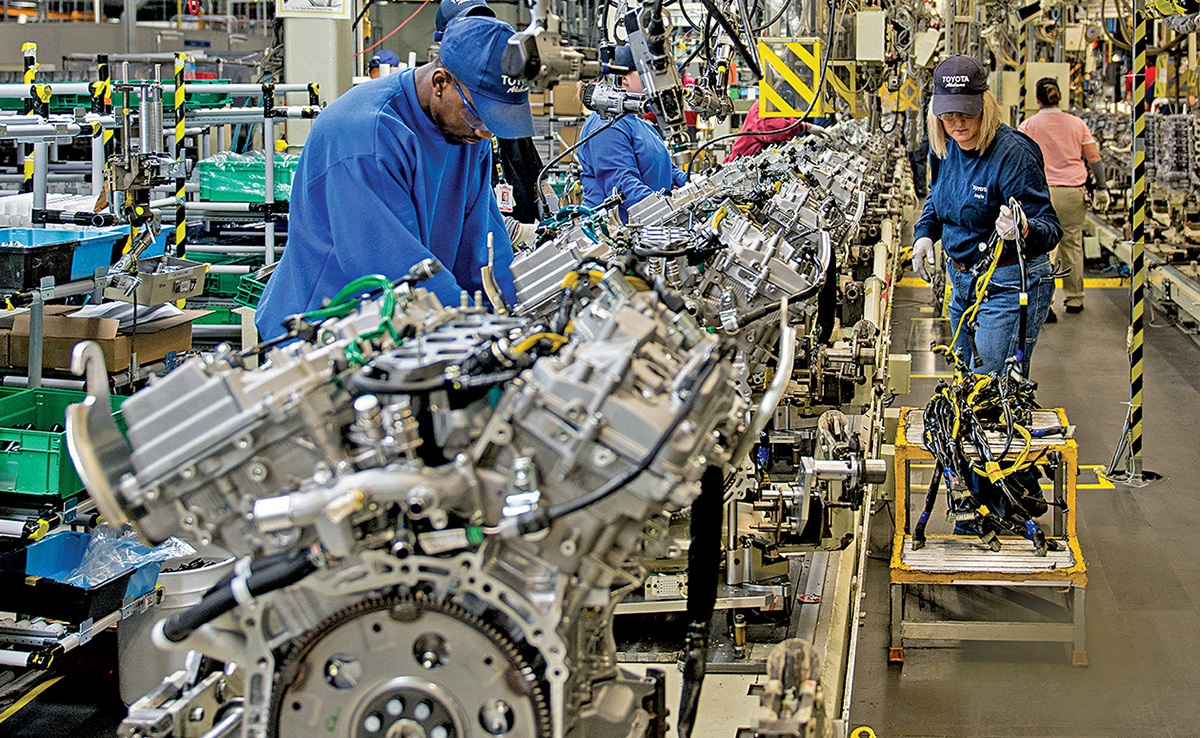
As the United States tightens its trade policy under President Donald Trump, cautious optimism is rippling through the nation’s industrial base. For companies that have long insisted on making their products in America, the renewed focus on domestic manufacturing feels like vindication — albeit tempered by uncertainty.

Ric Cabot, CEO of Vermont-based sock manufacturer Darn Tough, is one such executive. His company, which has earned national attention for its high-performance socks backed by a lifetime guarantee, has spent years doing what many others abandoned: manufacturing entirely in the U.S.

“For the first time, and hopefully not for the last time, domestic manufacturing is in a good spot,” Cabot said in an interview with Business Insider. “But you gotta commit. You gotta commit to making it here. It isn’t easy. Nobody outsources anything for quality.”

That last line is more than a quip. It underscores a fundamental belief among domestic producers: offshoring may cut costs, but quality and control suffer in the process. With the Trump administration’s tariff-heavy trade strategy, companies like Darn Tough may finally have the market conditions to prove that point, even if they remain wary of the pace and unpredictability of the White House’s approach.

Tariffs and Their Double-Edged Sword

Under the Trump administration’s evolving trade agenda, tariffs are being wielded as tools to encourage reshoring — or the return of manufacturing to U.S. soil. Treasury Secretary Scott Bessent said as much in a February interview, calling tariffs “a means to an end” aimed at restoring the country’s industrial might.

But for business leaders, the end may be clear, yet the means remain fraught.

“It’s not like we could just flip a switch, write a check, and turn on all that capability the next day,” said Bill Banta, CEO of Decked, an Idaho-based truck storage system maker that manufactures its products in Ohio and Utah. “Multimillion-dollar capital investments don’t work on short timelines — especially not with tariff threats looming.”

Banta, whose company has gradually built its own injection-molding machines and robotic welding infrastructure, acknowledged that the current moment is favorable for firms like his. Still, he warned that a poorly coordinated tariff policy could backfire, particularly if the cost of imported manufacturing equipment rises.

“It’s really hard to make long-term investments if you don’t know whether you’ll be hit with significant tariffs by the time that equipment lands in a U.S. port,” he said.

Darn Tough faces similar challenges. While its wool is sourced domestically and all production happens in Vermont, the specialized machines it uses to knit socks come from Italy. That means even companies committed to U.S. manufacturing are not immune from the fallout of global trade disruption.

Undoing The Years of Manufacturing Neglect

For many executives, the current push to bring production back to America comes after decades of decline. Bayard Winthrop, CEO of California-based apparel maker American Giant, described the past 40 years as an era in which U.S. manufacturing was not just ignored but actively undermined.

“You can absolutely — particularly in knitwear — make very high-quality, very large volume knitwear in the United States,” Winthrop said. “They’ve just forgotten how to do it.”

American Giant’s model, like Darn Tough’s, relies on deep investment in U.S. supply chains and labor. But unlike multinationals that can shift supply networks around the globe, these companies are locked in, by choice and conviction, to the U.S. economy.

That commitment is starting to pay off. Darn Tough’s socks, which retail for around $25 a pair, may seem expensive next to $3 wool socks on Amazon. But with imported goods facing potentially higher tariffs, that price gap is narrowing. What once seemed like a niche product for quality-focused customers could soon be a mainstream buy for cost-conscious consumers.

A Long Road Back

Still, the CEOs agree: rebuilding America’s manufacturing base won’t happen overnight.

Cabot emphasized that making things domestically requires more than patriotic slogans — it requires time to train workers, develop supply chains, and build the kind of muscle memory that was lost when companies offshored en masse.

“We sort of jettisoned a whole demographic of people that worked in manufacturing,” Cabot said. “I just don’t see the reason why we can’t bring this back, but it’s going to take time.”

That time, and a predictable policy environment, are what leaders like Banta and Winthrop are now pleading for. They welcome the administration’s intent but worry about the execution.

“I don’t like the instability,” Winthrop said. “I certainly don’t think we ought to be treating our friendly allies, like Canada and Vietnam, the same way we’re treating China.”

He’s not alone in that concern. Many in the domestic manufacturing sector believe that while tariffs can be a useful tool, they must be deployed with precision. A blunt-force approach could hurt allies, drive up input costs, and make it harder — not easier — to build out U.S. capabilities.

Companies like Darn Tough, American Giant, and Decked are proving that American-made is viable. But they also serve as reminders that reshoring is a long game. It took decades to hollow out the industrial economy, and it will take more than tariffs and slogans to bring it back.

“The opportunity is real,” said Cabot. “But only if we’re serious about it — and only if we give it enough time to grow roots again.”

Binance in Talks With Multiple Governments and Sovereign Wealth Funds on Bitcoin Strategic Reserve

0

Binance, the world’s largest cryptocurrency exchange, has been actively engaging with multiple governments and sovereign wealth funds to provide guidance on establishing strategic Bitcoin reserves and formulating cryptocurrency regulations. According to Binance CEO Richard Teng, in an April 17, 2025, interview with the Financial Times, several nations have approached the exchange for its expertise in navigating crypto-related initiatives, spurred by growing global interest in digital assets, particularly following the United States’ move to create a Strategic Bitcoin Reserve under an executive order signed by President Donald Trump on March 6, 2025.

Teng highlighted Bitcoin’s appeal as a neutral, borderless, and decentralized asset, which is seen as a hedge against inflation and geopolitical tensions. While specific countries were not named, nations like Pakistan and Kyrgyzstan have previously collaborated with Binance on crypto regulatory frameworks, though they have not confirmed plans for Bitcoin reserves. Binance’s advisory role marks a shift from its earlier “no headquarters” stance, as it now explores establishing a global base to align with its compliance-focused strategy.

This development reflects a broader trend of governments viewing Bitcoin as a potential strategic asset, driven by U.S. policy advancements and Binance’s expertise in the crypto space. However, concerns remain about Bitcoin’s price volatility and the implications of private exchanges influencing public financial policy. The implications of Binance advising global governments on strategic Bitcoin reserves and cryptocurrency regulations are multifaceted, spanning economic, geopolitical, and regulatory domains.

Governments adopting Bitcoin as a reserve asset could diversify their portfolios, hedging against inflation and currency devaluation, especially in countries with unstable fiat currencies. Bitcoin’s fixed supply (21 million coins) makes it an attractive “digital gold.” Increased governmental demand for Bitcoin could drive significant price appreciation, given its limited supply. However, this could exacerbate volatility, impacting retail and institutional investors.

Bitcoin’s price fluctuations pose risks to public treasuries. A sharp decline could lead to substantial losses, drawing scrutiny over the prudence of such reserves. Bitcoin’s decentralized and borderless nature could appeal to nations seeking financial autonomy, particularly those facing sanctions or geopolitical tensions. This could shift global financial power dynamics, reducing reliance on traditional reserve currencies like the U.S. dollar.

The U.S.’s Strategic Bitcoin Reserve may prompt other nations to follow suit to avoid falling behind in the digital asset race, potentially creating a “Bitcoin arms race” among sovereigns. Binance’s advisory role raises concerns about a private exchange shaping public policy, potentially prioritizing corporate interests over national ones.

Binance’s expertise could accelerate the creation of balanced crypto regulations, fostering innovation while addressing risks like money laundering and fraud. Countries like Pakistan and Kyrgyzstan have already benefited from such collaborations. Binance’s involvement with multiple governments could push for harmonized international crypto regulations, reducing regulatory arbitrage and enhancing cross-border cooperation.

Governments may face pressure to align with Binance’s compliance-driven approach, which could strain resources in smaller nations or conflict with local financial systems. Government adoption of Bitcoin could legitimize cryptocurrencies, boosting public trust and adoption but also sparking debate over speculative risks and environmental concerns tied to Bitcoin mining.

Binance’s growing influence in sovereign financial strategies may raise questions about transparency and accountability, especially given its past regulatory scrutiny. Establishing Bitcoin reserves requires robust cybersecurity and custodial solutions to protect assets, potentially straining governmental resources or increasing reliance on third parties like Binance.

Collaboration with Binance could drive technological advancements in blockchain and digital finance, positioning participating nations as crypto hubs. Binance’s role in advising governments on Bitcoin reserves could reshape global finance by mainstreaming crypto, but it introduces risks related to volatility, geopolitical shifts, and the influence of private entities in public policy. The success of these initiatives will depend on balancing innovation with robust risk management and transparent governance.

Russia is Pushing For Development of a National Stablecoin

0

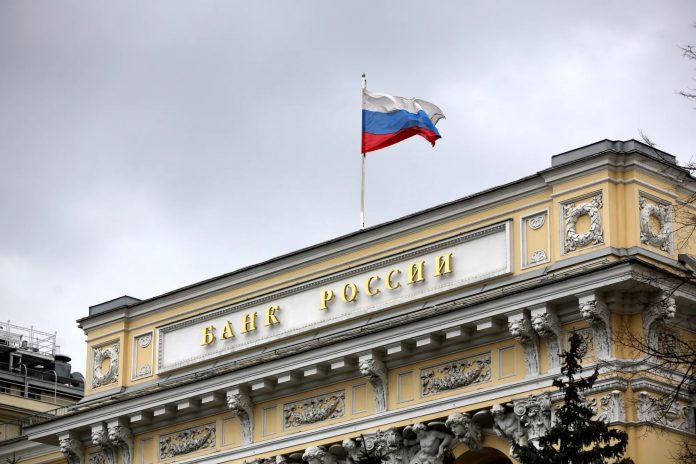
The Russian Finance Ministry is pushing for the development of a national stablecoin to reduce reliance on foreign-controlled digital currencies like USDT, following Tether’s freeze of over $27 million in assets linked to the sanctioned Russian crypto exchange Garantex. Osman Kabaloev, deputy head of the Ministry’s Financial Policy Department, emphasized the need for domestic alternatives, potentially pegged to non-dollar currencies, to enhance financial sovereignty amid Western sanctions.

The move comes as stablecoins gain global traction, with a market cap exceeding $200 billion in 2025. However, the Bank of Russia remains cautious, opposing crypto for domestic payments while allowing experimental use for international trade. No specific timeline or design for the stablecoin has been confirmed. A stablecoin could reduce Russia’s dependence on dollar-based systems like USDT, shielding its economy from Western sanctions and asset freezes, such as Tether’s $27M action against Garantex.

Pegging a stablecoin to non-dollar currencies (e.g., rubles or yuan) could align with Russia’s de-dollarization efforts, strengthening ties with allies like China and challenging USD dominance in global trade. A state-backed stablecoin would give Russia greater oversight of digital transactions, potentially curbing illicit activities but raising concerns about government surveillance and centralized control.

It could facilitate faster, cheaper cross-border payments, especially for trade with sanctioned nations, boosting Russia’s role in alternative financial networks. Stablecoins globally handle over $1T in annual transactions, indicating significant potential. The Bank of Russia’s skepticism about crypto in domestic markets may delay or limit the stablecoin’s adoption. Conflicting policies could create uncertainty for businesses and investors.

Success could inspire other nations to develop sovereign digital currencies, accelerating the fragmentation of global financial systems. However, failure—due to technical issues or lack of trust—could undermine confidence in Russia’s digital economy. Without clear regulation, a stablecoin could face volatility, mismanagement, or cyberattacks. Public trust hinges on transparency and stability, especially if pegged to the ruble, which has faced depreciation pressures. The outcome depends on execution, international acceptance, and Russia’s ability to navigate internal and external challenges.

Russia’s proposed stablecoin, potentially pegged to the ruble or a non-dollar currency like the yuan, aims to bypass dollar-dominated crypto markets. This follows Tether’s freeze of $27M linked to the sanctioned Garantex exchange, highlighting vulnerabilities in relying on USD-based stablecoins. The digital yuan (e-CNY) is used in pilot programs for domestic and cross-border payments, with trials in Hong Kong and Belt and Road countries to reduce dollar use in trade.

The digital rupee, launched in 2023, is being tested for wholesale and retail transactions, with plans to integrate it into trade with non-dollar partners. Digital currencies enhance transaction autonomy, but adoption requires trust, infrastructure, and international acceptance. Russia’s stablecoin could face skepticism due to ruble volatility and sanctions. Countries settle bilateral trade in their own currencies or those of trading partners, avoiding the dollar as an intermediary.

Russia has expanded ruble-yuan trade with China, with over 50% of bilateral trade settled in non-dollar currencies by 2024. It also uses rubles in trade with India and Turkey, though imbalances (e.g., India’s rupee surplus) complicate scalability. Both nations have explored rupee-yuan trade to bypass the dollar, though progress is slow due to geopolitical tensions. Countries like Malaysia and Indonesia are increasing local currency trade to reduce dollar reliance in intra-regional commerce.

Local currency trade reduces exposure to dollar volatility and sanctions but requires swap agreements, stable currencies, and mutual trust. Russia’s sanctioned status limits partners willing to fully abandon the dollar. Central banks reduce USD holdings in favor of other currencies (e.g., yuan, euro), gold, or alternative assets to hedge against dollar-centric risks. Russia slashed USD reserves from 40% in 2014 to under 10% by 2024, boosting gold (25% of reserves) and yuan (30%). This followed U.S. sanctions freezing $300B of Russia’s foreign reserves in 2022.

Holds over $800B in non-dollar assets, including gold and euros, and promotes yuan internationalization. Increased gold reserves by 100 tons since 2020, diversifying from USD amid geopolitical uncertainties. Diversification reduces vulnerability to U.S. financial leverage but faces liquidity risks, as the dollar remains dominant in global markets (58% of foreign exchange reserves in 2025).

Countries develop payment systems and financial networks to bypass dollar-dominated infrastructure like SWIFT. Russia’s SPFS (System for Transfer of Financial Messages) handles 20% of domestic and select cross-border payments. It also joined China’s CIPS (Cross-Border Interbank Payment System) to settle yuan transactions. CIPS processes $15T annually, expanding yuan-based trade with Asia and Africa.

INSTEX (now defunct) was an attempt to facilitate trade with Iran, bypassing U.S. sanctions. Alternative systems enhance autonomy but lack the scale and interoperability of SWIFT (used in 80% of global transactions). Russia’s SPFS struggles with limited international adoption. Countries form alliances to promote non-dollar trade and investment, often through regional organizations. Russia leverages BRICS (Brazil, Russia, India, China, South Africa) to advocate for a common currency or settlement mechanism. In 2024, BRICS discussed a blockchain-based payment platform to reduce dollar use.

Promotes yuan and ruble trade among members like China, Russia, and Central Asian states. Latin American countries explore local currency trade to counter dollar dominance. Trade blocs foster cooperation but face challenges from differing economic priorities and U.S. influence over global finance. Countries price key exports (e.g., oil, gas, metals) in non-dollar currencies to weaken the dollar’s role in global markets.

Russia sells oil to China and India in yuan and rupees, respectively, with 70% of its energy exports non-dollar-based by 2025. It also explores crypto-based commodity trading. Considered yuan-based oil sales to China, though still predominantly dollar-based due to petrodollar agreements. Iran: Trades oil in euros and yuan to evade U.S. sanctions.

Non-dollar pricing disrupts the petrodollar system but risks alienating dollar-reliant buyers. Russia’s shift has gained traction but is limited by global dollar preference in energy markets. U.S. sanctions, like those freezing Russia’s reserves or targeting Iran, push countries to seek alternatives to avoid financial isolation. Reducing dollar reliance counters U.S. influence over global finance, appealing to nations like Russia and China.

Diversifying from the dollar mitigates risks from U.S. monetary policy (e.g., interest rate hikes) and dollar volatility. Local currency or digital currency transactions can lower costs and speed up cross-border payments compared to dollar-based systems. The USD accounts for 58% of global forex reserves, 88% of SWIFT transactions, and 50% of cross-border loans in 2025. Its liquidity and stability are unmatched.

Global reliance on dollar-based systems (e.g., SWIFT, Wall Street) creates inertia, discouraging adoption of alternatives. Non-dollar currencies like the ruble or yuan face volatility or convertibility issues, undermining confidence. For example, the ruble lost 20% of its value in 2022. U.S. retaliation (e.g., secondary sanctions) deters countries from fully embracing de-dollarization. Alternative systems like SPFS or CIPS lack the scale, security, and global reach of dollar-based networks.

State-backed stablecoins or CBDCs may face skepticism due to government control, especially in authoritarian regimes like Russia. Russia’s stablecoin proposal aligns with its broader de-dollarization strategy, driven by sanctions and geopolitical tensions. Key factors shaping its success include: The stablecoin must be secure, scalable, and interoperable with global systems. Russia’s blockchain expertise (e.g., Garantex) could help, but sanctions limit access to advanced tech.

Convincing partners like China or India to accept a ruble-pegged stablecoin is critical. China’s digital yuan may overshadow Russia’s efforts. The Bank of Russia’s cautious stance on crypto could delay implementation or restrict the stablecoin’s domestic use. Rising de-dollarization efforts (e.g., BRICS, SCO) provide momentum, but the dollar’s entrenched role means progress will be gradual.

Widespread de-dollarization could split global finance into competing blocs, increasing transaction costs and economic inefficiencies. While not imminent, sustained efforts could erode the USD’s dominance, impacting U.S. ability to impose sanctions or finance deficits. Stablecoins and CBDCs could accelerate de-dollarization by offering scalable alternatives, but regulatory divergence (e.g., U.S. vs. Russia) complicates global adoption.

De-dollarization strengthens non-Western alliances, potentially reshaping global trade and power dynamics. Russia’s stablecoin initiative is a strategic move within its de-dollarization agenda, complementing efforts like local currency trade, reserve diversification, and alternative financial systems. While promising, it faces significant hurdles due to the dollar’s dominance, Russia’s economic challenges, and global skepticism.

Ojulari Unveils $60bn Investment Plan for NNPC, Promises a Turnaround After Years of Losses and Mismanagement Under Kyari

0

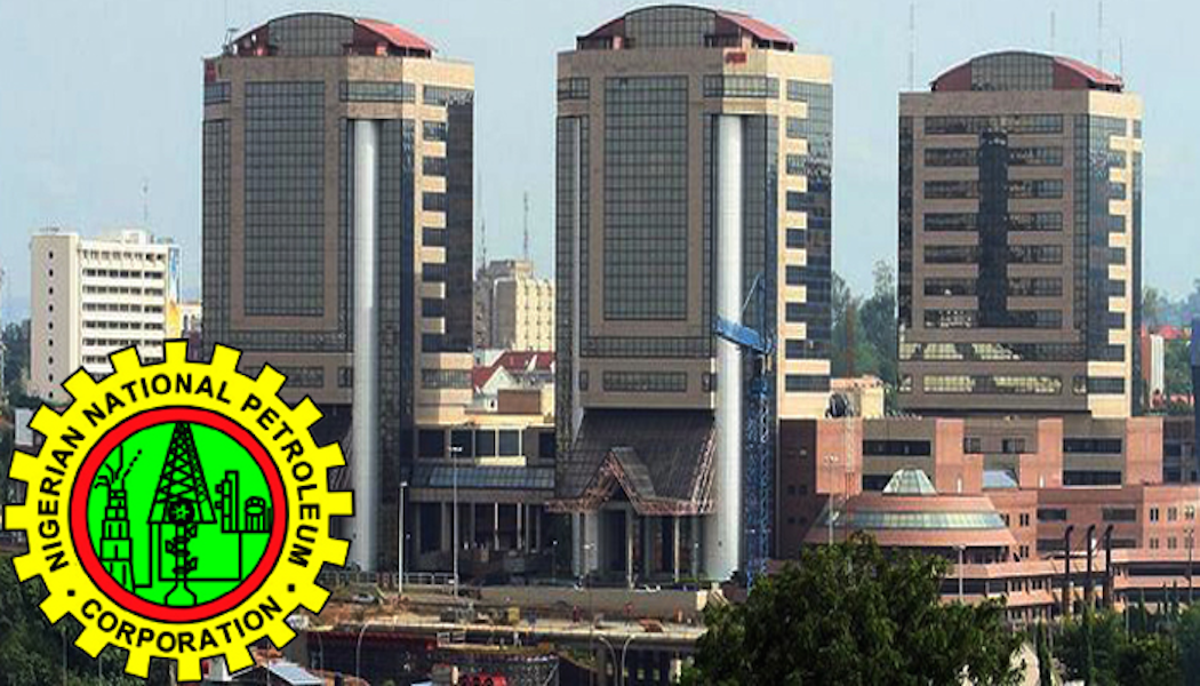
Barely weeks into his appointment, the new Group Chief Executive Officer of the Nigerian National Petroleum Company Limited (NNPC Ltd.), Bashir Ojulari, is already sketching out what could be the most transformative roadmap in the company’s troubled history. In a town hall meeting with NNPC staff in Abuja, Ojulari pledged to attract $60 billion in investments into Nigeria’s oil and gas sector by 2030, with $30 billion projected within the next three years.

The plan, which is seen as more than a mere vision statement, is expected to mark a departure from the failed promises of his predecessor, Mele Kyari, who repeatedly faced criticism for presiding through sharp operational decline, prolonged financial losses, and widespread opacity in the management of the state-run company.

“We stand at the gateway of a new era, one that demands courage, professionalism, and a relentless drive for excellence,” Ojulari declared. “Now is the time to turn our transformation promise into performance.”

Ojulari’s vow to reform NNPC Ltd. comes against a backdrop of mounting public frustration over years of operational inefficiency and financial bleeding under Kyari. Despite the company’s transition into a limited liability company in 2021, NNPC continued to underperform financially.

While Kyari occasionally declared paper profits, a closer look at the books often revealed creative accounting and heavy reliance on forex revaluations rather than real operational growth. Independent analysts and civil society organizations consistently challenged these declarations, citing discrepancies in subsidy payments, unpaid dividends to the federation account, and bloated overheads that consumed potential earnings.

In fact, under Kyari’s leadership, NNPC was widely viewed as a fiscal black hole—one that gulped billions in oil revenues with very little accountability or reinvestment. The years 2021 through 2023 saw the company struggle to meet its cash call obligations to joint venture partners, while fuel imports drained foreign reserves, often under controversial opaque subsidy arrangements.

The losses were staggering. NNPC’s financial statements prior to its 2021 transformation showed the company posting losses for several years, including a historic N803 billion loss in 2018. Even when reforms were introduced, they did little to address systemic corruption, political interference, and a lack of performance metrics. Kyari, critics argued, had allowed the transformation agenda to drift into a public relations campaign rather than enforce real structural reform.

Ojulari now carries the burden of rewriting that legacy.

Scaling Crude Production: A Recovery Plan or Wishful Thinking?

Ojulari aims to push Nigeria’s crude oil production beyond 2 million barrels per day (bpd) by 2027, with an even more ambitious goal of 3 million bpd by 2030. It is a tall order in an environment where oil theft, pipeline vandalism, and declining foreign investments have kept production levels below 1.5 million bpd for much of the past three years.

For many industry watchers, these figures represent a statement of intent rather than a forecast. But Ojulari insists the targets are achievable with the right performance culture, renewed partnerships, and operational discipline.

“The difference this time will be execution,” he said while promising a corporate restructuring that places agility, data, and accountability at the center of operations.

Ojulari also outlined a target to grow domestic refining capacity to 200,000 bpd by 2027, with the goal of hitting 500,000 bpd by 2030. The logic is that without functioning refineries, Nigeria will continue to burn its oil wealth importing refined fuel at a premium, an economic paradox that has endured for decades.

Past administrations, including Kyari’s, made repeated commitments to fix the country’s refineries in Port Harcourt, Kaduna, and Warri. Yet those facilities remained dysfunctional, often guzzling public funds through “turnaround maintenance” contracts with no tangible outcomes.

Ojulari’s plan signals a new approach, one that emphasizes performance contracts, public-private partnerships, and independent value assessments for every project.

“The targets we’ve set are indicators of hope, jobs, industrial growth, and energy security for millions of Nigerians,” Ojulari said.

The new GCEO projects that gas production will rise to 10 billion cubic feet per day (bcf/d) by 2027 and reach 12 bcf/d by 2030. These figures align with Nigeria’s Decade of Gas initiative but also reflect Ojulari’s understanding of the global energy transition, where gas will remain critical in the shift from fossil fuels to cleaner alternatives.

For years, Nigeria has underutilized its vast gas reserves. While export projects like NLNG flourished, domestic utilization for power, cooking, and industry lagged behind. Ojulari says his strategy will reverse this trend, especially by improving pipeline infrastructure and removing bottlenecks that discourage private sector participation.

Building a Performance-Driven Culture

Ojulari’s transformation pitch goes beyond figures. He is promising to overhaul NNPC’s corporate culture—something critics say was sorely lacking under Kyari. According to him, the company will embrace a robust performance management framework, emphasize independent data assessments, and empower staff to lead with integrity.

“Transparency and accountability will be our anchors,” he said, adding that partnerships going forward must be aligned with value creation and shared prosperity.

Ojulari’s appointment by President Bola Tinubu on April 2, 2025, came after a boardroom purge that swept out Kyari and board chairman Pius Akinyelure, among others. It was a clean break meant to signal a new direction for the state oil giant, which continues to play an outsized role in Nigeria’s economy, accounting for over 80 percent of government export revenues.

Before joining NNPC, Ojulari built a distinguished career at Shell and later moved to the private sector, where he gained a reputation for investment strategy and operational efficiency. Analysts say his success at NNPC will depend not only on his vision but also on his ability to resist political pressures and enforce corporate discipline.

While the new CEO’s vision is plausible, energy experts note that the challenge isn’t just about targets, it’s about turning NNPC Ltd. into the kind of organization where performance, not proximity to power, drives decision-making.

First Holdco Doubles Profit, Surpasses N3tn in Earnings for 2024 as Otedola Ups Stake

0

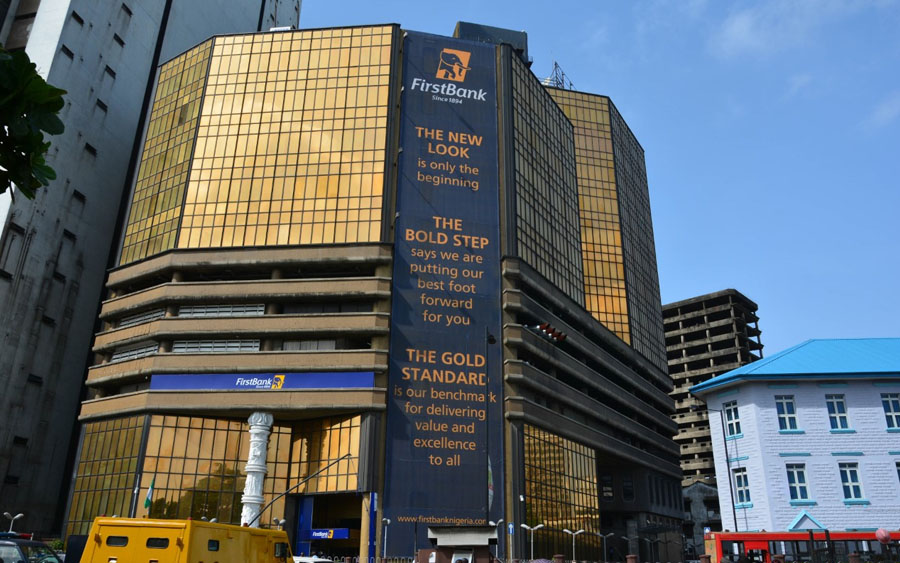
First Holdco Plc closed 2024 on a triumphant note, posting a pre-tax profit of N781.88 billion, more than double the figure recorded the previous year, as strong growth in interest and non-interest income pushed gross earnings to N3.213 trillion.

The group’s audited financial results for the year ended December 31, 2024, show an after-tax profit of N663.49 billion, up 115.12% year-on-year, with the Board recommending a final dividend of 60 kobo per share—bringing the total payout to N25.13 billion, a jump from N14.36 billion in 2023.

Backed by an aggressive loan book expansion and significant investment in securities, First Holdco delivered one of the strongest performances among Nigerian financial institutions, with return on equity and earnings per share also rising sharply.

Otedola Tightens Grip

One of the year’s major developments was billionaire investor Femi Otedola’s move to double down on his stake in the bank. Otedola now controls 4.23 billion shares—up 108.83% from 2.03 billion in 2023—giving him 11.8% of the group’s outstanding 35.9 billion shares.

This deepened ownership positions him as the largest single shareholder, fueling market speculation over his long-term strategy.

Interest Income Drives the Numbers

The lifeblood of First Holdco’s 2024 financial story was interest income, which soared 156% to N2.397 trillion, accounting for about 75% of total gross earnings, up from 60% in 2023.

Much of this growth stemmed from a rise in loans and advances to customers and financial institutions, which contributed over 64% of the interest income. A significant part of the remaining interest came from investments in securities, which jumped 134% year-on-year to N6.54 trillion, now representing a quarter of the group’s total assets.

Loan book growth was also impressive. Loans and advances to customers rose 43.5%, reaching N8.768 trillion, accounting for 45% of the group’s balance sheet.

But this growth came at a cost: interest expenses nearly doubled to N996.12 billion, driven mainly by the cost of deposits. Customer and institutional deposits surged 61.03% to N17.171 trillion, making up over 75% of the group’s total assets.

Despite impairment charges of N426.29 billion, of which N341 billion was provisioned for customer loans, net interest income after impairments still rose a staggering 203.4% to N975.02 billion.

Trading and Commissions Fuel Growth

Non-interest income held its weight in the performance story. Net fees and commissions rose 31% to N244.89 billion, with electronic banking, credit-related, and transfer fees each contributing over N46 billion.

On the trading side, First Holdco raked in N549.99 billion in gains from financial instruments measured at fair value (FVTPL), contributing 17% to gross earnings.

Windfall Levy Hits Tax Line Amid Recapitalization Push

Not all was rosy, though. Tax expenses nearly tripled to N132.98 billion, largely due to a N33.49 billion windfall levy spanning 2023 to 2025. The impact of this special tax, while heavy, did little to dent the group’s profit trajectory.

The Central Bank of Nigeria’s recapitalization directive is still in play, but First Holdco has already begun shoring up its buffers. It launched a N149 billion rights issue in November 2024, part of efforts to meet the February 2026 deadline for new minimum capital thresholds.

Despite strong earnings and retained profits, now at N1.116 trillion, up 89.54%—the group’s share capital and premium remain unchanged at N251.34 billion, underscoring the urgency of its ongoing capital raise campaign.

On the Nigerian Exchange, the company’s stock closed at N24.60 as of April 17, 2025—a 12.3% decline year-to-date, despite the stellar numbers. Market analysts point to profit-taking and macroeconomic headwinds as reasons for the muted investor response.

Still, with total assets up 56.6% to N26.524 trillion, shareholders’ equity up 60% to N2.795 trillion, and cash and bank balances crossing N4.4 trillion, the group’s fundamentals remain solid.

What lies ahead? Analysts believe the group’s ability to sustain asset quality amid rapid loan growth and high-interest costs will be crucial in sustaining its revenue momentum. Meanwhile, all eyes will focus on how quickly it wraps up its capital raise—and whether Otedola plans another surprise move in 2025.