DD
MM
YYYY

PAGES

DD
MM
YYYY

spot_img

PAGES

Home Blog Page 1489

BlockDAG’s X1 App Shocks Crypto World at Keynote 3—Making Litecoin and MANTRA Look Outdated

0

Mining no longer starts with a rig—it starts with a phone. As the crypto world grows more inclusive, projects like Litecoin and MANTRA show how early vision and focused utility can lead to long-term presence and returns. Litecoin, with over a decade behind it, has leaned on speed and simplicity. MANTRA, in contrast, taps into DeFi and real-world asset tokenization to drive its climb.

But BlockDAG’s recent surge, fueled by its X1 mobile miner and hybrid DAG + PoW model, reflects a deeper shift. It isn’t just adding users—it’s redefining crypto accessibility through phone mining at scale.

Litecoin: A Decade of Growth and Innovation

Launched on October 7, 2011, by former Google engineer Charlie Lee, Litecoin (LTC) was designed as a “lite” version of Bitcoin, aiming to offer faster transaction times and a more abundant supply. Specifically, its first block was mined on October 13, 2011. Since then, Litecoin has consistently ranked among the top cryptocurrencies by market capitalization.

For example, in November 2013, Litecoin’s value experienced a significant surge, doubling within 24 hours. Later, by early 2020, its market capitalization exceeded $10 billion, reflecting a 100% increase since August 2020. As of March 24, 2025, Litecoin’s price stood at $93.67, with a market cap of approximately $7.14 billion.

On the technical front, Litecoin has implemented features like Segregated Witness (SegWit) and the Lightning Network ahead of Bitcoin, serving as a testing ground for such upgrades. As a result, these advancements have contributed to its sustained relevance and growth in the cryptocurrency market.

MANTRA: Rapid Ascent in DeFi

MANTRA (OM) was conceptualized in late 2019 and officially launched in early 2021 by co-founders John Patrick Mullin, Will Corkin, and Rodrigo Quan Miranda. In terms of focus, the platform centers on staking, lending, and governance within the decentralized finance (DeFi) sector. Its native token, OM, has a total supply of 888,888,888 tokens.

Initially, OM traded at approximately $0.3820 in August 2020, though its price experienced fluctuations, reaching a low of $0.0175 in October 2023. However, by February 2025, the token achieved an all-time high of $8.53, marking an extraordinary return of over 15,000% over the past year. Currently, as of March 26, 2025, OM is trading at $6.53, with a market capitalization of approximately $6.44 billion.

Importantly, MANTRA’s growth is attributed to its focus on real-world asset tokenization and high staking rewards, bridging traditional assets like real estate and green energy with blockchain technology. Furthermore, the launch of its mainnet and strategic partnerships have further boosted its adoption and investor confidence.

BlockDAG’s X1 App Brought Crypto to the Masses

BlockDAG’s X1 Miner App has redefined what it means to participate in crypto. By design, it turns everyday smartphones into mining tools, eliminating the steep learning curve and expensive hardware that kept millions on the sidelines. To date, with over 750,000 users already mining through the app, the X1 has transformed passive users into active contributors of a decentralized network.

At the core of this shift is accessibility. The X1 app doesn’t ask users to understand code or invest in costly equipment—it simply offers a clean interface, quick setup, and real mining rewards. Consequently, what was once the domain of tech-savvy miners has now been opened up to anyone with a phone and a few minutes to spare.

Simultaneously, this mass adoption is fueling the momentum of BlockDAG’s presale, which has now raised a staggering $208 million. Currently, in batch 27, the token price sits at $0.0248, up 2,380% from batch 1. Over 18.9 billion coins have already been sold, underscoring the scale of belief in the project’s direction—and the community building behind it.

By combining mobile mining with a hybrid DAG + PoW consensus model, BlockDAG has created a system where participation is not only possible—it’s encouraged. Ultimately, the X1 app isn’t just onboarding users; it’s helping redefine what network contribution looks like in Web3. And it’s working.

From Legacy to Accessibility: Where Crypto Is Headed

Litecoin laid the groundwork, MANTRA expanded the possibilities, but BlockDAG is shifting how people interact with crypto altogether. While the first two found their place through strong fundamentals and steady community growth, BlockDAG is opening the door to everyday users—no technical knowledge required.
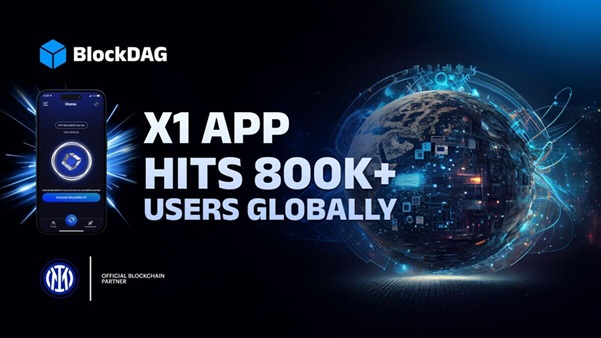
Its X1 app turns phones into entry points and contributors to a high-throughput, secure network, showing that accessibility isn’t just an option—it’s a strategy. As crypto moves forward, the projects that lower barriers without sacrificing performance may not just thrive—they may define what comes next.


Website: https://blockdag.network

Presale: https://purchase.blockdag.network

Telegram: https://t.me/blockDAGnetworkOfficial

Discord: https://discord.gg/Q7BxghMVyu

Nigeria’s Social Media Regulation Bill: A Case of Overreach or Digital Sovereignty?

0

Nigeria’s Social Media Regulation Bill: A Case of Overreach or Digital Sovereignty?

Nigeria’s Senate is currently considering a bill that seeks to amend the Nigeria Data Protection Act, 2023, by mandating that social media platforms and data processors establish physical offices within the country. Sponsored by Senator Ned Nwoko, the proposed amendment aims to address enforcement gaps, boost job creation, and promote Nigeria’s digital sovereignty. However, while the bill’s objectives may seem laudable, its practicality and alignment with global regulatory frameworks raise significant concerns.

The Proposed Amendment: What’s at Stake?

The bill, titled “An Act to Alter the Nigeria Data Protection Act, 2023, LFN, to Mandate the Establishment of Physical Offices within the Territorial Boundaries of the Federal Republic of Nigeria by Social Media Platforms, and for Related Matters, 2024”, seeks to correct what its sponsor calls a “glaring omission” in how multinational social media companies engage with Nigeria. The law would require companies such as Meta, X (formerly Twitter), TikTok, and YouTube to set up local offices, purportedly to enhance compliance with Nigerian regulations, foster job creation, and enable better enforcement of digital policies.

However, this approach raises questions about feasibility, enforcement, and Nigeria’s position in the global digital economy.

How Does This Compare to Global Best Practices?

Nigeria’s move to impose a physical presence mandate on digital platforms deviates significantly from the approaches taken by other jurisdictions. Countries with advanced digital economies have opted for more practical solutions to regulatory oversight and compliance.

  1. The EU’s Digital Services Act (DSA) & GDPR Compliance
    • The EU mandates that companies processing EU citizens’ data must appoint local representatives (Article 27 GDPR), but does not require them to establish physical offices in every member state.
    • The Digital Services Act (DSA) focuses on risk-based obligations, transparency, and compliance mechanisms tailored to platform size and influence, rather than mandating physical presence. Instead, it establishes a tiered system where large platforms have more obligations, including content moderation policies and algorithmic transparency, while SMEs and startups have fewer burdens.
  2. The UK’s Online Safety Act
    • The UK imposes strict obligations on online platforms to protect users, enforced through Ofcom, but does not require social media platforms to have offices in the country.
    • The law focuses on platform accountability for harmful content, rather than dictating physical presence. Platforms face financial penalties and potential service restrictions if they fail to comply with safety regulations.
  3. The US Approach – Federal and State-Level Regulations
    • US social media regulation largely revolves around liability protections under Section 230 of the Communications Decency Act, which shields platforms from being legally responsible for user-generated content.
    • While states enforce consumer protection laws, there is no federal requirement for social media companies to establish local offices in every jurisdiction. Instead, compliance is ensured through legal accountability, penalties, and federal oversight by agencies such as the FTC.

Why Nigeria’s Approach May Be Unrealistic

  • Tech Companies Rarely Set Up Offices in Every Market: Even in highly regulated economies, companies are not required to establish physical offices in every country where they operate. Instead, compliance is ensured through regulatory fines, legal representatives, and cooperative agreements.
  • Economic and Practical Challenges: The bill assumes that office mandates will automatically create jobs and drive economic benefits. However, social media platforms operate in a decentralized manner, with many critical functions such as content moderation and customer support being outsourced or handled remotely.
  • Potential Regulatory Overreach: This move mirrors past regulatory missteps, such as Nigeria’s controversial Twitter ban in 2021, which discouraged foreign investment and restricted digital free expression. If enforced, this bill could create an environment where tech giants reconsider their presence in Nigeria rather than comply with a costly and unnecessary requirement.

A Smarter Approach to Digital Regulation

Rather than enforcing a rigid physical office requirement, Nigeria could adopt alternative regulatory strategies that align with international best practices:

A Legal Representative Model: Similar to the EU’s GDPR, requiring social media platforms to appoint local representatives for compliance purposes.

Targeted Enforcement Mechanisms: The Nigeria Data Protection Commission (NDPC) could impose fines and conduct compliance audits rather than enforcing a one-size-fits-all office mandate.

Incentivizing Local Investment: Instead of coercion, Nigeria should create an attractive regulatory environment that encourages digital platforms to invest in local tech ecosystems through partnerships and innovation hubs.

Final Thoughts

Regulating digital platforms is crucial, but it must be done in a way that balances national interests with economic realities. Forcing tech giants to establish physical offices in Nigeria may seem like a way to enhance regulatory compliance, but it risks alienating global investors and stifling digital innovation. A more nuanced and strategic regulatory framework would serve Nigeria’s digital economy far better than a rigid office mandate.

As the bill progresses through the Senate, the big question remains: will Nigeria embrace a modern, practical approach to tech regulation, or will it take a path that risks isolation in the global digital economy?

GTCO Reports Record N1.266tn Profit in 2024, Declares N8.03 Dividend Per Share

1

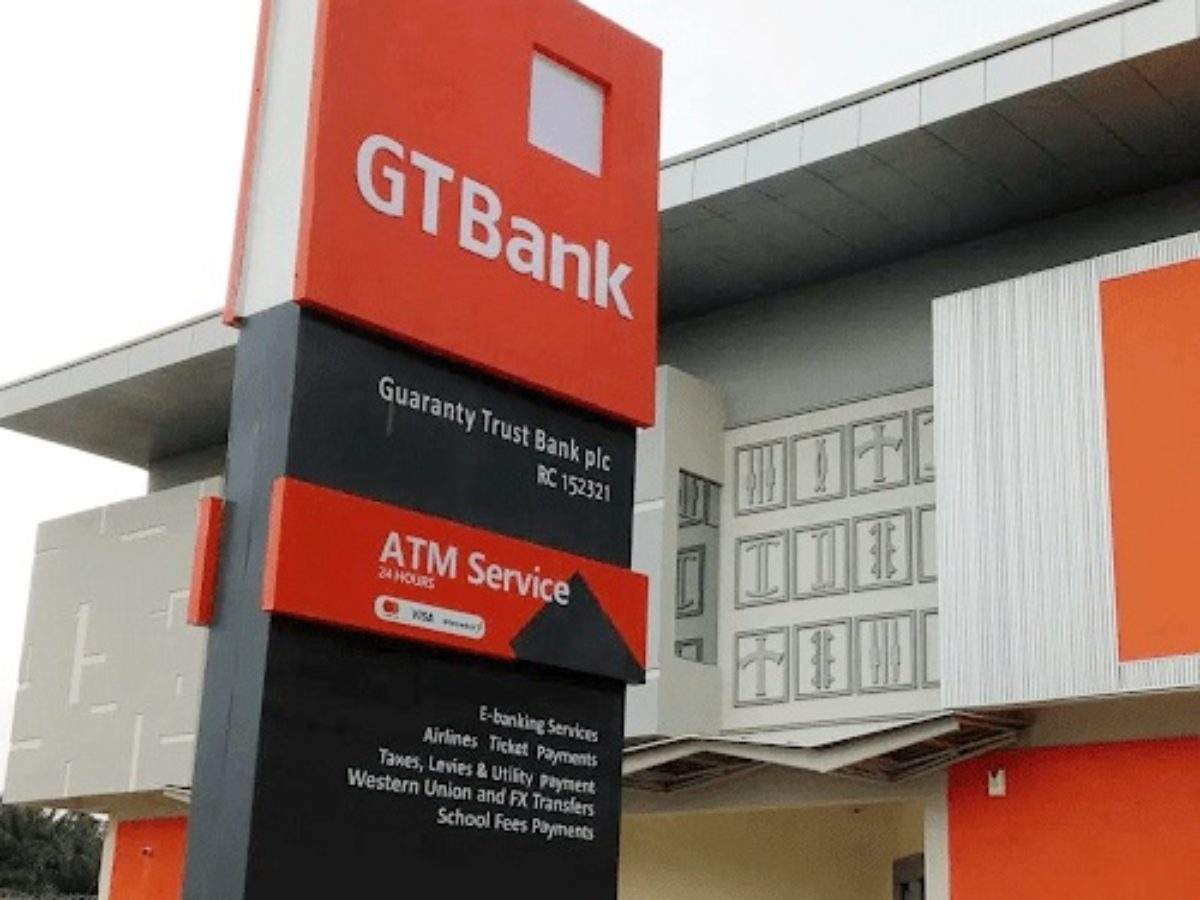
Guaranty Trust Holding Company Plc (GTCO Plc) has posted a record-breaking pre-tax profit of N1.266 trillion for its 2024 full-year audited results, more than doubling the N609.3 billion reported in 2023. This represents the highest profit ever recorded in the bank’s history and highlights the remarkable earnings momentum seen across Nigeria’s banking sector despite economic turbulence.

The bank also recorded gross earnings of N2.148 trillion, an 81% increase from the N1.186 trillion posted in 2023, demonstrating strong revenue growth across interest and non-interest income segments. Profit after tax surged by 88.4% to N1.017 trillion, underscoring GTCO’s ability to adapt to macroeconomic shifts and leverage high-yield assets.

As part of its earnings announcement, GTCO declared a final dividend of N7.03 per share, payable on April 24, 2025. This brings the total dividend for the 2024 financial year to N8.03 per share, marking a 151% increase in payout, reinforcing the bank’s commitment to delivering value to shareholders.

Nigerian Banks Flourishing Amid Economic Challenges

Despite Nigeria’s economic headwinds, 2024 has been a remarkable year for the banking sector. The country has faced rising inflation, foreign exchange instability, high interest rates, and weakened consumer spending power. However, Nigerian banks have thrived under these conditions, taking advantage of higher yields on fixed-income securities, increased interest income, and a growing deposit base.

The devaluation of the naira, while straining import-dependent businesses, has boosted banks with strong foreign currency positions. Many banks, including GTCO, reported huge revaluation gains on foreign currency assets, contributing significantly to profitability.

The Central Bank of Nigeria’s (CBN) tight monetary policies, which have kept interest rates high, have also worked in favor of banks. The elevated rates have enabled banks to earn more on loans and fixed-income investments, driving record revenue across the sector.

GTCO’s 2024 results are a testament to these trends, as the bank strategically shifted its focus towards investment securities, significantly increasing its holdings in high-yield instruments.

Interest Income and Deposit Growth Drive Performance

A breakdown of GTCO’s earnings structure shows that interest income remained the primary revenue driver, accounting for over 62% of total gross earnings. The bank recorded N1.342 trillion in interest income, representing a 143.6% year-on-year growth.

However, there was a notable shift in how the bank generated interest income. Traditionally, GTCO’s loan book was the biggest contributor to interest income. While interest income from loans and advances grew by 73% YoY, its share of total interest income dropped from 54.88% in 2023 to 38.91% in 2024.

Instead, GTCO pivoted aggressively into investment securities, with interest income from securities at amortized cost, fair value through profit or loss (FVTPL), and fair value through other comprehensive income (FVOCI) soaring by 230.15% to N582.856 billion, now making up 43.44% of total interest income.

This strategic shift reflects GTCO’s response to Nigeria’s high-interest rate environment, where government securities and other fixed-income investments delivered far higher yields than traditional loans.

Rising Deposits and Interest Expenses

GTCO’s deposit base grew significantly, increasing 44.78% YoY to N10.013 trillion. This N2.6 trillion growth denotes an increase in depositors even amid economic challenges.

However, the cost of maintaining these deposits also increased sharply. Interest expenses surged 148.31% YoY to N283.215 billion, with customer deposits accounting for 78% of this (N220.46 billion), marking a 115% rise from the previous year.

This suggests that GTCO had to offer higher interest rates to attract and retain customer deposits, reflecting the broader industry trend of banks competing aggressively for funding.

Despite this, GTCO’s net interest income still grew impressively by 142.41% to N1.059 trillion, indicating that the bank’s earnings from assets (particularly investment securities) outpaced the increased cost of deposits.

Non-interest income and Foreign Exchange Gains

GTCO’s non-interest income also experienced strong growth, led by fees, commissions, and revaluation gains.

The bank generated:

  • N56 billion from electronic banking fees
  • N32 billion from account maintenance charges
  • N34.8 billion from commissions on foreign exchange transactions

Although business growth recorded significant volumes, fees and commission expenses were contained at N31.5 billion, reflecting effective cost management.

One of the biggest contributors to GTCO’s bottom line was other income, particularly unrealized fair value gains on financial instruments, which totaled N517.5 billion, up from N367.3 billion in 2023.

This massive jump was driven by the revaluation of foreign currency assets, denoting the impact of naira devaluation and the resulting gains on foreign-denominated instruments.

Strong Balance Sheet and Shareholder Value Creation

GTCO’s total assets expanded by 52.67% YoY to N14.796 trillion, reflecting the bank’s robust growth trajectory. Loans and advances also rose to N2.786 trillion, a 12.32% increase, while shareholders’ funds climbed by 83.6% to N2.712 trillion.

The bank’s retained earnings more than doubled, reaching N1.320 trillion, a 127.55% increase YoY. Share capital and premium also saw a significant rise of 150.6% to N346.3 billion, reinforcing strong capital adequacy and shareholder value creation.

Tony Elumelu Foundation Commits $15 Million to Empower 3,000 Young African Entrepreneurs in 2025

0

The Tony Elumelu Foundation (TEF) has announced a $15 million grant to support 3,000 young entrepreneurs across 52 African countries, reinforcing its commitment to fostering economic transformation on the continent.

The announcement was made on Sunday in Abuja by Tony Elumelu, the Founder of TEF and Chairman of Heirs Holdings, Transcorp, and United Bank for Africa (UBA), during the unveiling of the 2025 cohort of the foundation’s Entrepreneurship Program.

Each selected entrepreneur will receive a non-refundable $5,000 seed grant to launch or expand their business. This initiative is part of the foundation’s broader effort to democratize access to funding and mentorship, ensuring that African youth have the necessary resources to thrive in their respective industries.

Elumelu reflected on the foundation’s journey, tracing it back to 2010 when the vision for a self-sustaining Africa was first conceived. He emphasized the importance of entrepreneurial empowerment in driving economic progress, stating that investing in young entrepreneurs was one of the most sustainable ways to create jobs and reduce poverty.

He explained that capital alone is not enough to build a successful business, highlighting the importance of business education, mentorship, and training. These additional resources, he said, play a crucial role in developing well-rounded, resilient entrepreneurs capable of navigating Africa’s complex business environment.

“We understand the challenges they face in contributing to Africa’s economic transformation.

“If empowered and encouraged, these young Africans can drive meaningful change,” he said.

The TEF Entrepreneurship Program was officially launched in 2015 with an ambitious goal to economically empower 10,000 young African entrepreneurs over a decade, providing each with a $5,000 grant, mentorship, and business training. However, over the years, the foundation has far exceeded its original target, expanding the program to reach over 21,000 entrepreneurs across all 54 African countries.

Since its launch in 2015, the foundation has lifted over two million Africans out of poverty, provided 2.5 million young Africans with access to training through TEFConnect, and disbursed more than $100 million in direct funding to thousands of African entrepreneurs, according to data from its website.

As the foundation marks its 15th anniversary, Elumelu reiterated that Africa must shift its focus from reliance on aid to investments in youth-driven economic initiatives. He stressed that Africa does not need aid but rather investment in its youth, reaffirming the foundation’s mission to equip the next generation of African entrepreneurs with the tools they need to succeed.

“In the 21st century, Africa does not need aid; what it needs is investment in its youth,” Elumelu said.

TEF CEO, Somachi Chris-Asoluka, highlighted the overwhelming demand for the program, revealing that over 200,000 applications were received for the 2025 cohort, reflecting the widespread need for financial and business support among Africa’s young entrepreneurs. Out of this highly competitive pool, 3,000 entrepreneurs from 52 African nations have been selected to receive the $5,000 non-refundable grant.

Chris-Asoluka also emphasized the broader economic impact of TEF’s entrepreneurship program, stating that it has empowered over 21,000 young African entrepreneurs, helped create more than 1.5 million enterprises, and generated $4.5 billion in revenue across supported businesses. She stressed that TEF entrepreneurs have demonstrated that ideas are the lifeblood of the African continent and that the foundation remains committed to nurturing these ideas into thriving businesses.

To ensure accountability and sustainability, the foundation has implemented a comprehensive monitoring and evaluation system to track beneficiaries’ progress. This system ensures that recipients adhere to their approved business plans, allowing TEF to assess the long-term impact of the funding and mentorship provided.

Beyond financial assistance, the TEF Entrepreneurship Program offers a robust training and mentorship structure to help entrepreneurs navigate challenges, scale their businesses, and create employment opportunities in their communities. Beneficiaries gain access to a network of experienced mentors, business leaders, and investors, equipping them with critical knowledge and insights to enhance their business acumen.

Over the years, TEF has maintained that Africa’s economic growth depends on its youth, and the foundation remains committed to nurturing the next generation of African business leaders. TEF is laying the groundwork for an Africa driven by innovation, enterprise, and financial independence by providing direct funding, mentorship, and training.

As the foundation looks toward the future, its focus remains on scaling its impact even further, ensuring that more entrepreneurs receive the necessary support to transform their ideas into thriving businesses. Through this continued investment in Africa’s youth, TEF aims to shape a continent that is not only economically self-sufficient but also positioned as a global hub for innovation and entrepreneurship.

Coreweave’s Stock Opens At $39 Below Price In Nasdaq Debut, Marking Largest Tech IPO In U.S. Since 2021

0
NASDAQ

CoreWeave Inc., the cloud-based artificial intelligence computing provider, made its public debut on the Nasdaq on Friday, marking the largest tech initial public offering (IPO) in the U.S. since 2021. However, the stock opened at $39 per share, below its $40 IPO price, reflecting a cautious investor sentiment despite the AI boom.

The AI-focused company, which specializes in renting out Nvidia-powered computing infrastructure to major technology firms, had initially targeted an IPO price range of $47 to $55 per share but was forced to lower its expectations due to market turbulence and investor caution.

The IPO raised $1.5 billion for CoreWeave, making it the biggest tech IPO in the U.S. in four years, since UiPath’s $1.57 billion debut in 2021. Originally, CoreWeave had planned to raise approximately $2.5 billion at the midpoint of its initial pricing range, but it scaled back the offering in response to investor caution and a broader downturn in the stock market.

Speaking about the company’s decision to lower its IPO price, CoreWeave CEO Michael Intrator told CNBC’s “Squawk Box” that there were significant macroeconomic headwinds, which made it necessary to adjust the size of the offering to match market interest.

CoreWeave’s arrival on the public market coincided with one of the toughest trading days for technology stocks in 2024, as the Nasdaq fell nearly 3%, heading for its worst quarterly performance since mid-2022. The tech-heavy index has been struggling under economic uncertainty and is down 10% so far this year. The broader market downturn has negatively impacted investor appetite for high-risk, high-growth technology stocks, making CoreWeave’s debut less than ideal.

Founded in 2017 and based in Livingston, New Jersey, CoreWeave has positioned itself as a major player in the AI computing space. The company specializes in renting out Nvidia-powered computing infrastructure to firms that require high-performance computing for artificial intelligence training and inference tasks. It has benefited significantly from the generative AI boom that began with OpenAI’s launch of ChatGPT in late 2022. The company is a key supplier to OpenAI, and Microsoft, which provides cloud services to OpenAI, is CoreWeave’s largest customer, accounting for 62% of the company’s $1.92 billion revenue in 2023. Other major clients include Meta, IBM, and Cohere.

CoreWeave’s rapid growth has been fueled by the increasing demand for AI infrastructure, with revenue soaring 737% in the past year. However, the company remains deeply unprofitable, reporting a net loss of $863 million in 2023. Running a cloud computing business at this scale is extremely capital-intensive, as the company must continuously invest in costly Nvidia GPUs and operate data centers. The company has raised nearly $13 billion in debt to finance its infrastructure, much of which has been allocated toward acquiring GPUs and expanding its leased data center facilities across the U.S. and abroad.

Despite strong revenue growth, the company faces significant challenges as it enters the public market. One of the biggest concerns for investors is the increasing competition from established cloud giants like Microsoft, Amazon, Google, and Oracle, all of which are expanding their own AI computing offerings. These companies have far greater financial resources and established customer bases, making it difficult for CoreWeave to maintain a competitive edge in the long term. Additionally, its high debt levels raise concerns about whether it can achieve profitability, especially if the AI sector experiences a slowdown.

The company’s performance in the coming months will be closely watched as a potential catalyst for other AI-related IPOs. If CoreWeave is able to prove its business model and gain investor confidence, it could pave the way for more AI-driven companies to go public.

Several high-profile firms are already preparing for IPOs, including Databricks, which was valued at $62 billion in December 2023, and OpenAI, which was reportedly closing in on a $260 billion funding round last month. Other companies such as Hinge Health, Klarna, StubHub, and Discord have also been making moves toward public listings.

The subdued market response to CoreWeave’s debut signals that, while investors remain interested in AI, they are wary of companies that are not yet profitable. Unlike some of its competitors in the cloud computing space, CoreWeave does not have a diversified revenue stream, as it remains heavily dependent on a small number of customers, particularly Microsoft and OpenAI. This lack of diversification presents a risk, as any shift in business strategy from these key partners could impact CoreWeave’s financial health.

Investor skepticism surrounding the IPO is also tied to broader economic factors. The tech sector has been hit hard by rising interest rates and inflation, which have reduced risk appetite and made it more difficult for companies to raise capital. The overall IPO market has remained largely shut since the end of 2021, with only a handful of venture-backed technology companies going public in recent years. Between 2022 and 2024, there were just 13 venture-backed tech IPOs in the U.S., a significant decline from the record 77 that occurred in 2021.

CoreWeave’s public listing represents a significant milestone for AI-focused companies, but it also underscores the challenges facing the sector. While the company has successfully established itself as a major player in the AI infrastructure market, its ability to navigate competitive pressures and achieve sustainable profitability remains uncertain.