DD
MM
YYYY

PAGES

DD
MM
YYYY

spot_img

PAGES

Home Blog Page 1493

Nigerian Senate’s Proposed Same-Day Elections Bill to Curtail Cost, Voter Apathy Passes Second Reading

0

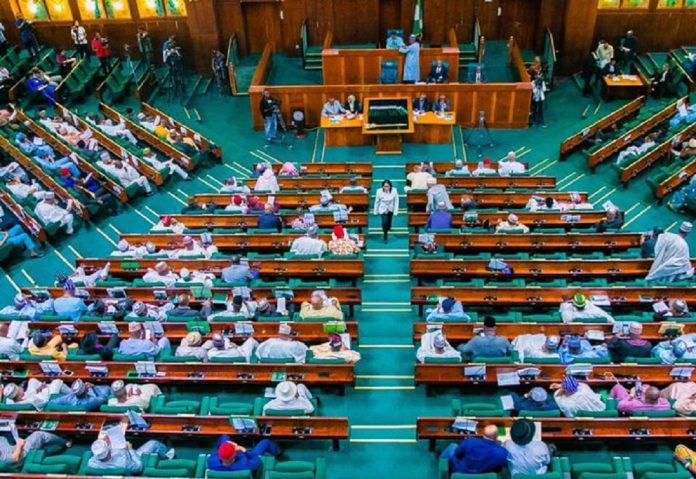
The Nigerian Senate has proposed to amend Nigeria’s Electoral Act 2022 and introduce same-day elections nationwide, to cut costs and curtail voter apathy.

The proposal is gaining traction among voters, civil society organizations, and political analysts who believe the reform could significantly reduce electoral malpractice.

The bill, sponsored by Senator Saliu Mustapha (Kwara Central), has already passed a second reading in the Senate, with widespread support from lawmakers who argue that Nigeria’s staggered election process is inefficient, expensive, and vulnerable to manipulation.

Mustapha highlighted that Nigeria’s election costs have skyrocketed from N1.5 billion in 1999 to N350 billion in 2023, calling the trend unsustainable. He also stressed that holding all elections on the same day would increase voter participation, reduce political tension, and prevent a scenario where parties that lose one election manipulate subsequent ones.

But while the idea is generating enthusiasm, concerns remain about whether the Independent National Electoral Commission (INEC) has the capacity to execute elections at all levels on a single day.

Electorates Cite 2023 Lagos Elections as Case Study

The proposal has resonated deeply with many Nigerians who believe that the current staggered system enables electoral fraud. Some have pointed to the 2023 general elections in Lagos State, where the ruling All Progressives Congress (APC) suffered an unexpected defeat in the presidential election but quickly regrouped to suppress voter turnout during the governorship election.

During the presidential poll, opposition parties, particularly the Labour Party (LP), secured a shock victory in Lagos, exposing weaknesses in APC’s stronghold. However, before the governorship election, the ruling party allegedly deployed thugs and security agents to intimidate and disenfranchise voters in key opposition areas.

Eyewitness reports indicated widespread voter suppression, particularly targeting areas with large populations of non-indigenous residents who had voted against the APC in the presidential election.

A video before election day also showed the then head of the National Union of Road Transport Workers (NURTW), popularly known as MC-Oluomo, warning voters not to come out unless they were prepared to vote for the ruling party. Many polling units in opposition strongholds recorded low turnout, partly due to fear of violence.

Against this backdrop, advocates of the bill argue that consolidating all elections into a single day would prevent politicians from adjusting their rigging strategies between election rounds. Under the current system, parties that perform poorly in early elections can use the interval before subsequent ones to deploy vote suppression tactics, bribe electoral officers, or influence security agencies.

Concerns Over INEC’s Capacity

Although the bill has garnered broad support, some lawmakers have expressed doubts about whether INEC has the logistical ability to manage a nationwide election covering presidential, National Assembly, governorship, and state assembly seats on the same day.

Senator Adams Oshiomhole warned that such a large-scale election would require major structural improvements in voter education, logistics, security, and election management.

“While the bill has good intentions, we must ensure that INEC is adequately prepared for the enormous task of conducting elections for all levels of government in one day,” Oshiomhole stated.

Others have raised concerns about potential voter confusion, especially in rural areas where many voters are less familiar with complex ballot systems. Managing multiple ballots for different positions on the same day could slow down voting and increase the risk of errors.

However, supporters of the bill pointed out that other countries—such as the United States, India, and Brazil—have successfully implemented same-day elections, demonstrating that with proper planning, Nigeria could do the same.

Will the Bill Pass?

With its passage for second reading, the bill is set to undergo further legislative scrutiny in the coming weeks. Lawmakers will debate the feasibility of its implementation, potential modifications to the existing electoral framework, and strategies for enhancing INEC’s capacity.

If passed, it would mark one of the most significant electoral reforms in Nigeria’s history, addressing long-standing concerns about election cost, manipulation, and voter disenfranchisement.

Nigerians are expressing optimism that the change will be adopted, believing that it will enhance democratic integrity, reduce political violence, and prevent the kind of post-election suppression seen in Lagos and other states.


US Senate Passed Resolution Nullifying the IRS on Defi Broker Rule

0

The U.S. Senate passed a resolution under the Congressional Review Act (CRA) to nullify the Internal Revenue Service’s (IRS) Decentralized Finance (DeFi) broker rule, with a vote of 70 to 28. This bipartisan decision marks the second time the Senate has approved such a measure, following an earlier vote on March 4, 2025, by a margin of 70 to 27. Due to constitutional requirements regarding budget-related legislation originating in the House, the House of Representatives passed its own version of the resolution on March 11, 2025, with a vote of 292 to 132, prompting the Senate to vote again.

The IRS DeFi broker rule, finalized in December 2024 during the final days of the Biden administration, aimed to expand tax reporting requirements by classifying certain DeFi platforms as “brokers.” This would have obligated them to collect, and report detailed transaction and taxpayer information, similar to traditional financial institutions. Critics, including lawmakers and crypto industry advocates, argued that the rule was impractical due to the decentralized nature of DeFi, where platforms often lack the infrastructure to gather such data. They also contended that it threatened innovation and privacy, potentially driving DeFi development overseas.

The resolution, led by Senator Ted Cruz (R-Texas) and Representative Mike Carey (R-Ohio), received significant bipartisan support, reflecting a broader push to reduce regulatory burdens on the crypto sector. Following the Senate’s latest vote, the measure now heads to President Donald Trump’s desk, where it is expected to be signed into law, given prior indications of support from the White House, including from AI and crypto czar David Sacks.

If enacted, the CRA will not only repeal the rule but also prevent the IRS from issuing similar regulations in the future. This development is seen as a significant victory for the DeFi and broader cryptocurrency industry, reinforcing the U.S. as a hub for financial innovation while highlighting ongoing tensions between regulatory oversight and technological advancement.

The U.S. Senate’s passage of the CRA to nullify the IRS DeFi broker rule is likely to have a notable impact on cryptocurrency regulation, both in the short term and over the longer horizon. The repeal removes immediate pressure on DeFi platforms to comply with burdensome tax reporting requirements. These platforms, which often operate without centralized control or the ability to collect detailed user data, would have struggled to meet the IRS’s broker definition. This decision provides operational clarity and reduces compliance costs for the industry. The bipartisan support and expected presidential approval signal a pro-innovation stance from the U.S. government.

This could spur increased investment and participation in DeFi and the broader crypto market, as businesses and developers perceive a more favorable regulatory environment. With the CRA barring the IRS from reissuing a similar rule, the agency may need to pivot its strategy for taxing crypto transactions. This could delay broader crypto tax enforcement efforts, giving the industry breathing room while new approaches are developed.

This successful use of the CRA sets a precedent for challenging other crypto-related regulations perceived as overreach. It demonstrates that Congress is willing to intervene when agencies like the IRS or SEC impose rules that clash with the sector’s decentralized ethos, potentially emboldening lawmakers to scrutinize future regulations. By rejecting rules that critics argued would push DeFi development offshore, the U.S. strengthens its position as a global leader in crypto innovation. This could attract talent, capital, and projects that might otherwise have migrated to jurisdictions with lighter regulatory touch, such as Singapore or Switzerland. The repeal highlights the limitations of applying traditional financial frameworks to decentralized systems, amplifying calls for tailored crypto legislation. Lawmakers may accelerate efforts to craft a cohesive regulatory framework that balances innovation, consumer protection, and tax compliance—something the industry has long sought. The decision could complicate alignment with international tax norms, such as those from the OECD, which push for greater transparency in crypto transactions.

If other countries adopt stricter DeFi reporting rules, U.S.-based platforms might face challenges operating globally, potentially creating a regulatory patchwork. The move aligns with a growing pro-crypto sentiment in Washington under the Trump administration, evidenced by figures like David Sacks advocating for lighter-touch policies. It contrasts with the Biden-era approach, which leaned toward stricter oversight. However, it doesn’t eliminate all regulatory uncertainty—issues like securities classification (under the SEC’s purview) and anti-money laundering rules (via FinCEN) remain unresolved and could still shape the crypto landscape.
In essence, nullifying the IRS DeFi broker rule is a deregulatory win that boosts DeFi’s growth prospects in the U.S. while underscoring the need for a more nuanced, crypto-specific regulatory framework. It’s a step toward flexibility, but not a full resolution of the complex interplay between crypto and government oversight.

The Benefits of Cycling: 4 Reasons to Pick Up Cycling as A Primary Method of Transport

0

In today’s world when we’re faced with a sedentary lifestyle, it’s become more important than ever to find a way to move your body and get some much-needed physical exercise. The problem with most physical activities is that they either require discipline and a strong will or are quite expensive. However, many often forget that something as simple as walking or cycling is the most beneficial exercise you can get.

Cycling is more than just a recreational activity; it is an efficient, environmentally friendly, and cost-effective way to get around. As cities become more congested with traffic and pollution, many people are turning to bicycles as their primary mode of transportation, and with good reason.

Whether you’re commuting to work, running errands, or simply exploring your city on a sunny day, cycling offers numerous benefits that go beyond just getting from point A to point B.

From improving personal health to reducing carbon footprints, cycling is a lifestyle choice that enhances both individual well-being and the world around us.

Why do we need to explore alternatives

The United States faces many challenges when it comes to urban congestion, pollution, and public health. With one of the highest rates of car ownership in the world, a total of 92%, American cities are burdened with heavy traffic, high carbon emissions, and deteriorating air quality.

Additionally, the country struggles with increasing obesity rates, largely due to sedentary lifestyles and a lack of regular physical activity. By incorporating cycling into daily routines, Americans can address these issues simultaneously—reducing their reliance on fossil fuels while improving their overall health.

Many cities have already begun implementing bike-friendly infrastructure, but widespread adoption of cycling as a primary mode of transportation could lead to even greater environmental and health benefits.

4 reasons to take up cycling

Below, let’s take a look at why cycling is probably the best exercise you can take up. Many are under the misconception that cycling costs a lot of money and that you constantly have to invest in good equipment.

However, in the beginning, all you need is a bike and a helmet. Everything else you can either get or upgrade at a later point. Also, something that discourages people from cycling is the number of bicycle accidents. Indeed, many cities don’t have dedicated bike lanes but this is slowly changing as governments become more aware of the issue.

Additionally, there are many legal resources cyclists can turn to in these situations, ranging from skilled bicycle accident attorneys to local cycling communities where you can get info on the legal regulations surrounding bike accidents.

Cycling improves physical health

One of the most significant benefits of cycling is its positive impact on physical health. Regular cycling helps to improve cardiovascular fitness, strengthen muscles, and increase overall endurance.

Unlike high-impact cardio exercises like running, cycling is gentle on the joints, making it an ideal choice for people of all ages.

Whether you ride casually or engage in long-distance cycling, the physical benefits are undeniable.

Additionally, cycling has been shown to help with weight management by burning calories and boosting metabolism, making it an excellent form of daily exercise.

A cost-effective mode of transportation

Another important advantage of cycling is the fact that’s much more affordable compared to driving. Owning a car or relying on public transportation is more expensive then simply investing in a proper bike.

The costs associated with bicycles are significantly lower than those of cars, which require fuel, insurance, maintenance, and parking fees.

Once you invest in a good quality bicycle, the ongoing expenses are minimal. Many cities now offer bike-sharing programs, further reducing costs for those who may not want to own a bike. By choosing to cycle instead of drive, individuals can save a substantial amount of money annually.

Cycling is environmentally friendly

With the increasing concerns over climate change and pollution, cycling provides an excellent way to reduce your carbon footprint. Now more than ever it’s important to take care of our planet and try to minimize pollution.

Unlike motor vehicles, bicycles do not emit harmful greenhouse gases or contribute to air pollution. By replacing even a few car trips each week with cycling, individuals can significantly lower their environmental impact. Many cities have recognized this and have invested in bike lanes and infrastructure to encourage cycling as a sustainable mode of transportation.

Cycling saves time and reduces traffic jams

How often do you find yourself stuck in a traffic jam with no way out? In heavily populated urban areas, traffic congestion can be a frustrating and time-consuming problem. It’s estimated that commuters spend an average of 43 hours annually stuck in traffic. Feel free to do the Math and check how many hours traffic jams take away from your life.

Cycling provides a practical solution by allowing commuters to avoid traffic jams and take alternative routes that cars cannot access. Many cities have implemented dedicated cycling lanes, making it easier and safer for cyclists to get to their destinations on time.

Additionally, cyclists do not have to worry about parking, which can be a major issue in busy metropolitan areas. In many cases, cycling can be just as fast, if not faster, than driving during peak hours.

The final word

If this article was convincing enough, you’re now hopefully wiping off the dust of your old bike and getting ready to take it out for a ride.

As cities continue to grow and environmental concerns become more pressing, cycling presents itself as a viable and beneficial mode of transportation. With the numerous advantages it offers for your health and also the fact it’s a money and time-saving way of transport, cycling is a lifestyle change that brings both personal and societal rewards.

The more people embrace cycling, the closer we move towards healthier cities and a more sustainable future. By promoting cycling, we’re also prompting local governments to ensure their cities and urban areas are bike-friendly.

Former Intel CEO Gelsinger Criticizes TSMC’s $100bn US Expansion, Says It Does Little to Help America’s Chip Leadership

0

Pat Gelsinger, the former chief executive of Intel, has criticized Taiwan Semiconductor Manufacturing Company’s (TSMC) decision to invest an additional $100 billion in advanced chip manufacturing plants in the United States, arguing that the move does little to help the country regain its leadership in semiconductor production.

His remarks come shortly after the White House praised TSMC’s investment as a milestone in efforts to bring production of advanced semiconductors back to US soil. However, Gelsinger insists that without research and development (R&D) capabilities in the US, the country cannot expect to achieve long-term leadership in semiconductor manufacturing.

“If you don’t have R&D in the US, you will not have semiconductor leadership in the US,” Gelsinger said. “All of the R&D work of TSMC is in Taiwan, and they haven’t made any announcements to move that.”

Trump’s Tariff Pressure Beneficial to US Chip Industry

Despite his skepticism about TSMC’s investment, Gelsinger acknowledged that President Donald Trump’s tariff policies had been “incrementally beneficial” in incentivizing chip manufacturers like TSMC to expand their presence in the United States. The Trump administration has pushed for greater US-based chip production amid concerns about Intel’s ability to compete with its Taiwanese rival.

Intel, once the undisputed leader in semiconductor manufacturing, lost its technological edge to TSMC over a decade ago. Under Gelsinger’s leadership, the company had embarked on an ambitious turnaround plan aimed at regaining that position, but his abrupt departure late last year underlines the board’s loss of confidence in his strategy.

“I wasn’t done with the five-plus years when the board made a directional change,” Gelsinger said, hinting at disagreements over Intel’s long-term vision. His successor, Lip-Bu Tan, appointed earlier this month, has yet to outline his strategy for Intel’s future.

TSMC to Keep R&D in Taiwan

TSMC has confirmed that its US expansion will focus solely on existing process technology rather than the development of next-generation semiconductor innovations. Gelsinger argues that without cutting-edge research in the US, the country will remain at a disadvantage.

“Unless you’re designing the next-generation transistor technology in the US, you do not have leadership in the US,” he said.

While Intel has struggled to regain its manufacturing lead, the US still maintains a technological edge in areas like artificial intelligence (AI) and quantum computing. Gelsinger, who has since joined Silicon Valley venture capital firm Playground Global, is now focusing on investments in “deep tech” innovations, including quantum computing and advanced semiconductor technologies.

Dismissing DeepSeek’s Threat, Advocating Cost Reductions for AI

Addressing concerns about China’s growing AI capabilities, Gelsinger dismissed recent fears surrounding DeepSeek, a Chinese AI company that made waves with its low-cost AI technology. He argued that while the company’s work was solid engineering, it did not represent any groundbreaking innovations.

“DeepSeek was good engineering, it wasn’t core innovations. It wasn’t major breakthroughs,” he said.

Gelsinger also pointed out that while AI has revolutionized technology, its current high costs remain a barrier to broader adoption. He stressed that significant cost reductions in AI inference—the process of running AI models—are necessary for the technology to be fully integrated into everyday life.

“AI, as exciting as it is, is much too expensive,” he said. “We have to have dramatic reductions in the cost of inference for it to be truly deployed in every aspect of humanity.”

Silicon Valley’s Future Investments in Chip Technologies

Gelsinger’s new role at Playground Global positions him at the forefront of emerging semiconductor innovations. The firm backs start-ups such as xLight, which develops advanced lasers for future chip-making lithography, and PsiQuantum, which is building large-scale quantum computing systems. Another investment, d-Matrix, is attempting to surpass Nvidia in AI chip development.

While his tenure at Intel did not yield the intended results, Gelsinger’s continued involvement in deep technology suggests he remains committed to shaping the future of semiconductor and AI advancements. However, he didn’t attempt to answer the broader question: can the United States regain its semiconductor leadership, or will it continue to rely on foreign companies like TSMC without securing the critical R&D capabilities needed for long-term dominance?

Nigerian Banks Struggle with Liquidity Crisis, Turn to Costly Commercial Papers Amid CBN’s Tightening Policies

0

Nigerian banks increasingly rely on short-term commercial papers (CPs) to navigate liquidity challenges as the Central Bank of Nigeria (CBN) enforces stringent cash reserve policies, significantly driving up the cost of deposits.

The move highlights the growing pressures on financial institutions in the face of aggressive monetary tightening measures by the apex bank.

Access Holdings Plc, the country’s largest bank by assets, along with at least three other financial institutions, have either recently issued or are in the process of issuing commercial papers to bolster liquidity. The decision to embrace CPs comes as banks struggle to attract deposits while grappling with rising funding costs imposed by the CBN’s policies aimed at stabilizing the naira and curbing inflation.

Since the central bank raised the cash reserve ratio (CRR) to 50% in September 2023, it has withdrawn approximately N26.6 trillion in liquidity from the banking system. The CRR policy effectively doubles the cost of raising deposits for financial institutions, as a significant portion of customer deposits is locked away at the CBN rather than being available for lending or investment.

Data from January 2024 shows that while the average rate for a six-month deposit stood at 19%, banks faced an effective cost of 36% due to the high CRR. Analysts point out that this reality significantly limits lenders’ ability to operate efficiently.

Chika Mbonu, Chief Executive Officer of KSBC Advisory Partners Ltd., explained that the effective cost soars to 36% because only half of the total deposits are available for lending.

“Assuming the customer deposit was obtained at 18%, the effective rate will be 36%, because of the high CRR rate, he told Bloomberg.

This situation has left banks searching for alternative funding mechanisms to keep their operations running smoothly.

CBN’s Interest Rate Hikes Intensify Liquidity Squeeze

Beyond the high CRR, Nigerian banks are also feeling the heat from the CBN’s sustained monetary tightening. Since early 2023, the apex bank has raised its benchmark interest rate by 875 basis points, bringing it to 27.5%. Additionally, the standing lending facility rate—a key tool used by banks to access short-term liquidity—has surged to 31.75%.

These measures, while intended to curb inflation and stabilize the currency, have made it increasingly difficult and expensive for banks to secure funding through traditional deposits. As a result, commercial papers, that offer short-term financing without the burden of CRR deductions, have become a more attractive option for banks seeking liquidity relief.

Commercial Papers Gain Favor Over Certificates of Deposit

The banking sector’s shift towards commercial papers reflects the rising cost of wholesale deposits and the need for more flexible funding options. Unlike certificates of deposit (CDs), which are subject to CRR deductions, CPs provide a workaround that allows banks to access funds without additional liquidity restrictions.

Samuel Sule, CEO of Renaissance Capital Africa, noted that CPs are becoming an increasingly preferred funding tool for banks. He explained that wholesale deposit rates are currently higher than commercial paper rates, and wholesale deposits often come with shorter tenors, making CPs a more viable alternative for liquidity management.

With CPs gaining traction, it is expected that more Nigerian banks will follow suit in issuing these short-term instruments to cushion the impact of CBN’s tightening measures.

“Other banks will follow to issue commercial papers as this is one of their funding tools,” he said.

Wider Implications for the Nigerian Banking Sector

The rising cost of funding and persistent liquidity constraints are poised to reshape Nigeria’s banking industry. Analysts suggest that the CBN’s aggressive monetary policies may continue to exert pressure on financial institutions in the near term.

While issuing commercial papers offers a temporary solution, the long-term sustainability of this approach remains uncertain. Banks will need to adapt to the evolving regulatory environment by exploring innovative financing models and diversifying their funding sources.

The continued reliance on costly short-term debt instruments such as CPs could also impact banks’ profitability and lending capabilities, potentially leading to reduced credit availability for businesses and consumers.