DD
MM
YYYY

PAGES

DD
MM
YYYY

spot_img

PAGES

Home Blog Page 1503

US-SEC Charges Founder of PGI Global For $198M Frauds

1

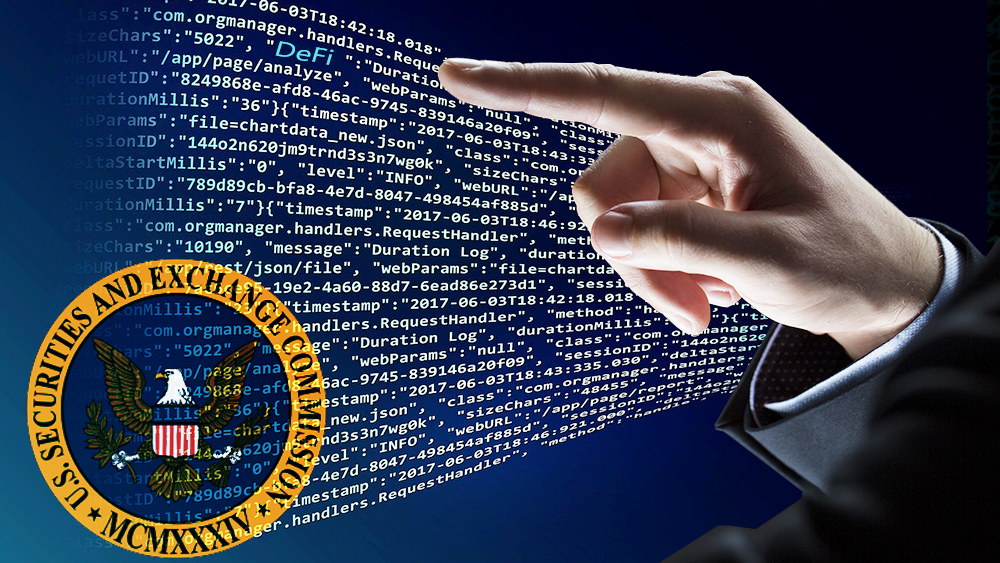
U.S. Securities and Exchange Commission (SEC) charged Ramil Palafox, founder of PGI Global, with orchestrating a $198 million cryptocurrency and foreign exchange fraud scheme. According to the SEC’s complaint, filed in the U.S. District Court for the Eastern District of Virginia, Palafox operated the scheme from January 2020 to October 2021. PGI Global, presented as a crypto and forex trading company, sold “membership” packages promising high returns—up to 3% daily and 200% total—through supposed trading activities, including claims of an AI-powered auto-trading platform. Investors were also incentivized with multi-level marketing-like referral rewards to recruit others.

The SEC alleges Palafox misappropriated over $57 million for personal luxury purchases, including Lamborghinis, a $1.7 million Las Vegas home, and items from high-end retailers like Cartier and Louis Vuitton. The remaining funds were largely used to pay earlier investors in a Ponzi-like structure, with little to no actual trading occurring. The scheme collapsed in late 2021, defrauding approximately 90,000 global investors. Palafox is accused of violating federal securities laws’ anti-fraud and registration provisions by offering unregistered securities and making false claims about his expertise and PGI’s operations.

The SEC seeks permanent injunctions to bar Palafox from similar ventures, disgorgement of ill-gotten gains, and civil penalties. Relief defendants, including Palafox’s wife, Marissa Mendoza Palafox, his brother-in-law, Darvie Mendoza, and others, are named for receiving illicit funds. In a parallel action, the U.S. Attorney’s Office for the Eastern District of Virginia filed criminal charges against Palafox, including wire fraud and money laundering, with a potential sentence of 9 to 11 years if convicted. The Department of Justice also alleges Palafox ran a smaller £612,425 ($815,000) scheme in the UK, shut down by the UK High Court in 2022.

This case, the first crypto-related enforcement under new SEC Chair Paul Atkins, reflects a shift toward targeting clear fraud while scaling back broader crypto regulation. The Department of Justice has similarly narrowed its focus to prosecuting major frauds. The case signals a focused SEC approach under Chair Paul Atkins, prioritizing clear-cut fraud over broad crypto market regulation. This aligns with a lighter regulatory touch, potentially easing compliance burdens for legitimate crypto projects but leaving gray areas unaddressed.

Charging Palafox with unregistered securities offerings reinforces the SEC’s stance that many crypto investment schemes fall under securities laws. This could deter similar fraudulent ventures but may also push operators to jurisdictions with looser regulations. The DOJ’s involvement, with wire fraud and money laundering charges, underscores multi-agency coordination, increasing legal risks for crypto fraudsters. The potential 9-11 year sentence serves as a deterrent.

With $198 million defrauded from 90,000 investors, recovery is uncertain. The SEC’s pursuit of disgorgement aims to return funds, but Ponzi-like payouts and Palafox’s lavish spending (e.g., $57 million on luxury assets) reduce available assets. High-profile frauds like PGI Global undermine confidence in crypto investments, particularly in DeFi and yield-generating platforms. Investors may become warier of promises of high returns or multi-level marketing structures.

The case highlights the need for investor education on red flags, such as guaranteed returns, lack of transparency, or unregistered offerings, to prevent future losses. PGI’s false claims of AI-powered trading platforms spotlight the need for verifiable technology in crypto projects. This may pressure firms to provide transparent proof of operations or face regulatory and investor skepticism.

The collapse of PGI Global, following other high-profile crypto scams, tarnishes the industry’s image. Legitimate projects may face heightened due diligence from investors and regulators. The scheme’s international scope (e.g., UK operations) underscores the challenge of cross-border enforcement. It may spur calls for global regulatory coordination, though differing national frameworks complicate this.

The SEC and DOJ targeting Palafox’s assets (e.g., Lamborghinis, $1.7 million home) could set a model for recovering misappropriated funds, though liquidation may not fully compensate victims. PGI’s referral-based rewards, likened to multi-level marketing, may draw scrutiny to similar crypto schemes, potentially limiting their use or prompting regulatory clarity on permissible structures.

As one of the first crypto cases under new SEC leadership, it may shape future enforcement priorities, balancing fraud prevention with innovation-friendly policies. Overall, the case strengthens anti-fraud measures but highlights persistent challenges in investor protection, cross-border enforcement, and restoring trust in the crypto ecosystem. It may accelerate calls for clearer regulations while pushing fraudulent actors to exploit regulatory gaps elsewhere.


IMF Urges Nigeria to Broaden Tax Base Amid Soaring Poverty and Shrinking Incomes

0

The International Monetary Fund (IMF) has once again advised Nigeria to expand its tax base and raise non-oil revenue to stabilize its fragile economy.

The recommendation, delivered during the Fund’s 2025 Spring Meetings in Washington, comes at a time when inflation, unemployment, and poverty have eroded the earnings of most Nigerians, raising fresh questions over whom the government intends to tax further.

Kristalina Georgieva, the IMF’s Managing Director, said Nigeria and other African countries must deepen domestic revenue mobilization using digital systems, reduce leakages, and ensure better compliance.

“Countries like Nigeria must broaden their tax revenue base. It is essential not just for short-term budget support, but for building long-term economic resilience,” she said.

“Technology offers tremendous opportunities to strengthen revenue collection. When deployed effectively, it can reduce leakages, increase efficiency, and promote fairness.”

However, the context on the ground suggests a growing disconnect. Nigeria is grappling with one of its worst cost-of-living crises in decades, and the government under President Bola Tinubu is struggling to convince citizens to endure more pain.

According to the World Bank’s Africa’s Pulse report released in April 2025, Nigeria has the highest number of extremely poor people in the world. The report, which examines macroeconomic performance across Sub-Saharan Africa, attributes the worsening poverty rate in Nigeria to a combination of persistent inflation, sluggish growth, and underemployment.

The country’s monthly minimum wage, recently reviewed and set at N70,000—about $45 at prevailing exchange rates—remains among the lowest globally. The government has exempted individuals earning that amount from personal income tax, effectively removing a large segment of workers from the tax net.

The challenge doesn’t end there. According to 2023 data from Enhancing Financial Innovation and Access (EFInA), over 50 percent of Nigeria’s adult population earns N35,000 or less monthly. That figure further shrinks the number of people with taxable income, leaving only a small portion of the formal workforce, mostly civil servants and some private sector employees, to bear the brunt of personal income taxation.

With such statistics in mind, the IMF’s call to broaden the tax base has triggered the same question across boardrooms and households: who, exactly, is left to tax?

Businesses Already Overburdened

In addition to a large chunk of the population effectively below the taxable threshold, businesses in the formal sector have long complained about the burden of multiple taxation. Industry groups including the Manufacturers Association of Nigeria (MAN) and the Nigerian Association of Small and Medium Enterprises (NASME) have, in recent years, warned that excessive and overlapping levies from federal, state, and local authorities are suffocating businesses and discouraging formalization.

In a joint statement issued in late 2024, the Nigerian Association of Chambers of Commerce, Industry, Mines and Agriculture (NACCIMA) and the Lagos Chamber of Commerce and Industry (LCCI) said the rising cost of doing business, compounded by inconsistent tax demands, was pushing companies into survival mode.

There are reports of businesses paying for signage permits, local council development levies, and environmental taxes, all in addition to company income tax, VAT, and other statutory remittances. In some states, businesses are also asked to pay development levies and informal security fees.

This tax layering not only affects business viability but also limits the incentive to stay compliant or to register formally—undermining the government’s own efforts to expand the tax base.

Declining Oil Revenue Fuels Call for More Taxes

Despite eliminating petrol subsidies and floating the naira, the government still struggles with revenue shortfalls. Oil production has consistently fallen below budget benchmarks, and the Nigerian National Petroleum Company Limited (NNPCL), which now operates as a commercial entity, is inconsistently remitting earnings to the federation account due to what it claims are deductions for under-recovery and pipeline repairs.

In 2024, the Federal Inland Revenue Service (FIRS) posted strong non-oil tax revenue performance, driven by improved VAT and company income tax collection, but the overall federal revenue still fell short of projections. With Nigeria’s debt service consuming over 80 percent of revenue in the 2024 budget year, the government has limited options outside of borrowing or raising more taxes.

That backdrop makes the IMF’s advice unsurprising.

Little Room to Tax the Informal Sector

Nigeria’s informal economy, which the National Bureau of Statistics (NBS) estimates accounts for over 50 percent of GDP and more than 85 percent of total employment, remains largely untaxed. The IMF and the World Bank have repeatedly urged Nigeria to bring informal businesses into the tax net, but the capacity to enforce that without worsening inequality or overreaching into survivalist enterprises is limited.

Many market traders, artisans, and informal workers operate on daily earnings below N2,000. For them, taxes—even micro levies—could mean the difference between feeding their families and not.

The federal government has not signaled a willingness to raise taxes on the wealthy or luxury consumption. Nigeria lacks an inheritance tax, and property tax enforcement remains weak. High-net-worth individuals often operate opaque business structures or shift assets abroad, complicating collection efforts.

While the FIRS under the new administration has indicated plans to integrate digital tools and use data analytics to improve compliance, results remain nascent.

In 2023, the total number of registered taxpayers was just over 41 million, out of a population exceeding 220 million. Only a fraction of those registered contribute any significant amount of tax due to their income levels.

The IMF’s call to broaden the tax base is not new—but it now comes at a moment of serious economic vulnerability. For a government already struggling to maintain public trust after subsidy removals and currency devaluation, adding more financial pressure to the lives of citizens could carry serious political consequences.

Without addressing wage stagnation, rebuilding public infrastructure, and reducing wasteful government spending, analysts say Nigeria will find it hard to justify expanding tax obligations, no matter how urgent the revenue needs may be.

Nigerian Tribunal Upholds FCCPC $220m Fine Against Meta, Orders Immediate Changes to WhatsApp Data Practices

0

Nigeria’s Competition and Consumer Protection Tribunal on Friday handed a resounding defeat to Meta Platforms Incorporated and its subsidiary WhatsApp, dismissing their appeal and affirming a $220 million penalty imposed by the Federal Competition and Consumer Protection Commission (FCCPC) for alleged data discrimination practices targeting Nigerian users.

In addition to the fine, the tribunal also ordered the tech giants to reimburse the FCCPC $35,000 to cover the cost of its investigation into the alleged misconduct.

The three-member tribunal panel, led by Thomas Okosun, ruled that the penalty was legally valid and in line with Nigeria’s consumer protection and data privacy laws. The ruling followed months of legal tussling that began when Meta and WhatsApp challenged the FCCPC’s sanction on 22 different grounds, alleging among other things that the directives from the Commission were vague, impractical, and contrary to Nigerian law.

The verdict, delivered in Abuja, caps a broader investigation that began after the FCCPC raised alarm over what it described as exploitative, abusive, and invasive data practices by Meta and WhatsApp. The Commission alleged that Meta engaged in unauthorized data transfers and invasive profiling of Nigerian users, acts which, according to the FCCPC, violated both the Nigerian Constitution and extant data protection frameworks.

Meta and WhatsApp were represented in court by Professor Gbolahan Elias, SAN, while the FCCPC’s legal team was led by Babatunde Irukera, SAN, the Commission’s former Executive Vice Chairman. Both parties had made final arguments before the tribunal on January 28, 2025, after which judgment was reserved.

In their submissions, Meta and WhatsApp argued that they were denied a fair hearing, claiming they had not been given an opportunity to understand how the FCCPC arrived at the $220 million figure or to respond to the methodology used in the computation. They also contended that building a consent mechanism for every data point processed by Nigerian users would be not only technically impossible but also financially exorbitant.

But the FCCPC rejected those claims, asserting that the penalty was not merely punitive but aimed at correcting what it called discriminatory practices. According to Irukera, the Commission’s findings revealed serious infractions, including the unauthorized transfer of Nigerian consumer data to third parties, in breach of both local privacy regulations and global standards for data protection.

During proceedings, Elias urged the tribunal not to rely on foreign precedents in adjudicating the matter, stating that Nigeria’s legal context was distinct and that no abuse of dominance had occurred since users still had alternative platforms such as TikTok and Google Meet. However, Irukera countered this by arguing that while foreign laws may not be binding in Nigeria, they remain persuasive, especially in similar market and regulatory contexts.

As part of its arguments, the FCCPC requested that the tribunal permit it to tender its complete internal investigative record to support transparency in adjudication. While the tribunal partially blocked this submission, it accepted an internal memo dated May 7, 2024, along with an email from Udo Udoma Law Firm and another FCCPC memo, as supplementary materials.

In delivering the final verdict, the tribunal ruled that the FCCPC had not exceeded its legal authority and had acted within its statutory powers under the FCCPC Act and Nigeria’s Evidence Act. Okosun dismissed the appeal on all grounds, stating that Meta and WhatsApp had been given ample opportunity to present their case and were accorded a fair hearing throughout the process.

“The appellants were given ample opportunity to be heard,” Okosun said.

“The tribunal finds that the FCCPC did not exceed its powers while making orders in respect to data protection.”

According to the tribunal, the FCCPC’s final and supplementary orders were properly executed and the social media giants had failed to produce compelling evidence that refuted the Commission’s findings. The panel further held that the companies violated Nigeria’s data protection laws by transferring users’ information to third parties without consent, a practice embedded in the privacy policy of WhatsApp and Meta that the tribunal found illegal under Nigerian law.

Okosun also emphasized that contrary to the appellants’ position, the FCCPC’s actions were not arbitrary. He ruled that the Commission had the mandate to address market dominance and enforce consumer rights protections, especially in digital markets where users are often vulnerable to privacy abuses.

“The tribunal finds no error in the overall orders of the FCCPC,” the tribunal held.

“Accordingly, the administrative penalties of the FCCPC were lawfully imposed on Meta and WhatsApp.”

In its final pronouncements, the tribunal issued a series of binding orders. Meta and WhatsApp must immediately reinstate Nigerian users’ rights to determine how their personal data is shared. The companies are also required to submit a letter of compliance with this directive to the FCCPC by July 1, 2025. In addition, Meta is expected to revert to its 2016 data-sharing policy and cease linking WhatsApp data to Facebook and other third-party platforms unless explicit consent is obtained from Nigerian users.

The companies are mandated to provide their proposed data policy framework within 10 days to both the FCCPC and the Nigeria Data Protection Commission (NDPC). The same policy must be publicly available. Evidence of compliance must also be presented, with the tribunal emphasizing that the companies must allow Nigerians to “fully express their legitimate right to relate with each data point.”

Furthermore, the tribunal ruled that Meta must pay the $220 million fine no later than 60 days from April 30, 2025, and reimburse the FCCPC $35,000 for its investigative costs.

Following the ruling, WhatsApp defended its data practices, stating that in 2021 it had informed users globally about how communications with businesses would be handled. It noted that while this generated initial confusion, the practice has since become “quite popular.”

Nonetheless, the judgment in Nigeria adds to a growing list of regulatory crackdowns on Big Tech companies over data privacy issues. Meta, along with firms like Amazon and Google, has in recent years faced hefty fines under the European Union’s General Data Protection Regulation (GDPR). In 2023, the European Data Protection Board fined Meta a record €1.2 billion for similar violations of privacy rules, underlining a global pattern of enforcement that now includes Nigeria.

The tribunal’s ruling firmly establishes the authority of the FCCPC in Nigeria’s digital economy, with analysts suggesting the verdict could set a precedent for future data protection and consumer rights enforcement actions. It also signals a tightening regulatory climate for foreign technology firms operating in Nigeria’s fast-growing digital market.

Apple to Shift US-Bound iPhone Assembly to India, but Faces Pushback from China

0

Apple is reportedly accelerating its plan to move the assembly of all iPhones sold in the US to India, as the company seeks to reduce its dependence on China amid ongoing trade tensions with the US.

The shift, which could take place this year, represents a significant step in Apple’s broader strategy to diversify its manufacturing operations away from China. However, recent reports suggest that this transition is facing increasingly aggressive pushback from Chinese authorities. Beijing, it appears, is not letting Apple go without a fight.

The iPhone maker is preparing to shift all assembly of iPhones bound for the US to India as early as next year, according to the Financial Times. The move marks a deepening of Apple’s supply chain overhaul as it attempts to insulate itself from Washington’s increasingly confrontational stance towards Chinese-made tech goods.

The multi-trillion-dollar company has long relied on China as the heart of its manufacturing ecosystem. Around 90% of iPhones sold globally are still assembled there, largely through partners like Foxconn. But that dominance has come under growing threat since Trump began slapping steep tariffs on a wide range of Chinese imports, including tech products.

Apple was briefly one of the biggest stock market casualties of the trade war until the White House carved out a temporary exemption for smartphones. Even with that reprieve, Apple still faces a 20% levy on Chinese goods as the US hardens its stance over China’s alleged role in producing Fentanyl.

In response, Apple has been trying to shift production capacity to India, and those efforts have intensified. The company is already diverting millions of iPhones assembled at its Indian facilities, operated by Foxconn and Tata, to the US. In March, nearly $2 billion worth of iPhones were shipped from India to the US, a record high. Apple even chartered cargo planes to move 600 tons of iPhones, equivalent to 1.5 million devices, just to shore up US inventory ahead of potential trade disruptions. The company’s largest Foxconn facility in Chennai has since added Sunday shifts to keep up.

By 2026, Apple wants to produce over 60 million iPhones a year in India for the American market, more than double its current output from the country. But that plan may now be running into geopolitical sabotage. A report by The Information reveals that Chinese authorities have begun actively delaying or blocking the export of key manufacturing equipment Apple needs to scale production in India.

In one instance cited by the report, a Chinese supplier central to Apple’s iPhone 17 trial production was barred from sending vital machinery to India earlier this year. To work around the blockage, the supplier quietly rerouted the equipment through a front company in Southeast Asia before it eventually reached Foxconn’s plant in India.

Multiple sources involved in Apple’s supply chain say delays in securing export permits for assembly equipment have surged, with approvals that used to take weeks now dragging on for months. In many cases, Chinese officials are reportedly denying export requests altogether, offering no reason. Foxconn, Apple’s lead manufacturing partner, is now said to be waiting up to four months for essential tools to be cleared from China — a timeline that threatens Apple’s ability to meet its 2026 target.

The friction underscores a deeper strategic anxiety in Beijing. Apple’s shift to India doesn’t just mean lost contracts for Chinese firms, it signals a symbolic erosion of China’s central role in global technology manufacturing. It also offers India an opening to become the next big supply chain hub, something the Modi administration has aggressively courted through incentive schemes and tax breaks.

However, while the path offers an alternative to China, it comes with challenges. India still lacks much of the infrastructure, labor flexibility, and high-precision industrial capability that makes China the world’s factory. Analysts say Apple’s operations in India will take years — possibly a decade — to match the scale, efficiency, and quality control currently achieved in Chinese plants.

But Apple is betting on long-term gains. Its three plants in India are expanding, and the company continues to deepen ties with local partners. Still, experts warn that scaling up in India won’t eliminate China from the picture entirely — especially if Beijing continues to control access to the specialized equipment and processes critical to high-end electronics assembly.

Even as Apple eyes India, the White House is pressuring the company to go one step further and bring production home. Press Secretary Karoline Leavitt recently pointed to Apple’s $500 billion investment announcement, claiming it signaled the potential for a US-made iPhone. But industry experts aren’t convinced.

Wedbush Securities, a prominent US financial firm, said that an iPhone assembled in America would cost more than triple what it does now.

“If consumers want a $3,500 iPhone we should make them in New Jersey or Texas,” said analyst Dan Ives.

That reality leaves Apple trapped in a geopolitical tug-of-war. The company’s attempt to sidestep tariffs by pivoting to India may provoke deeper retaliation from China, especially if more suppliers follow suit. Beijing’s recent moves to slow or block exports to India could mark the start of a broader effort to prevent key companies like Apple from decoupling too quickly.

Volkswagen Surpasses Tesla in EV Sales as Musk’s Political Ties, Protests, and Poor Q1 Earnings Bite

0

Tesla’s position as the king of electric vehicles in Europe has come under serious threat—now from Volkswagen, which overtook Elon Musk’s company in battery electric vehicle (BEV) registrations during the first quarter of 2025.

According to data from JATO Dynamics, the German automaker saw 65,679 BEVs registered in Europe from January to March, a staggering 157% jump from the same period last year. Tesla, by contrast, registered 53,237 vehicles, marking a sharp 38% decline, the steepest among the 30 most registered brands on the continent.

That market defeat lands at a time when Tesla is still reeling from one of its worst quarterly financial results on record. The American EV giant reported a 71% drop in profits for Q1 2025, missing Wall Street expectations and raising fresh questions about how long the company can hold off rising global competition, investor fatigue, and deepening reputational wounds.

While one bad quarter might not define Tesla’s future, this moment seems less like a bump and more like a brewing crisis. Musk’s blame game, aired during the company’s recent investor call, only deepened the sense of turmoil.

The Political Fallout Driving Sales Down

In that earnings call, Musk struck a defensive and combative tone, accusing protesters of orchestrating a campaign to hurt Tesla’s business.

“The protests that you’ll see out there, they’re very organized. They’re paid for,” he said, offering no proof.

Demonstrators have gathered at Tesla dealerships across the world, voicing outrage over Musk’s political activities—especially his public support for far-right politicians and his funding of President Donald Trump’s 2024 reelection campaign.

In the U.S., Tesla once had a tight grip on the progressive, climate-conscious EV demographic. That support has eroded. Many left-leaning consumers, long loyal to Tesla’s innovation and environmental brand, have grown disillusioned with Musk’s politics and are now actively avoiding his vehicles. The so-called “Tesla Takedown” protests have spread rapidly, becoming a way for critics of Trump’s policies to make a statement with their wallets.

And the damage isn’t limited to America. In Europe, Musk’s alignment with far-right ideologies, most notably his recent tacit endorsements of Germany’s nationalist Alternative for Germany (AfD) party, has also triggered a backlash. European consumers, particularly in countries with strong environmental and democratic traditions, have begun shunning Tesla in noticeable numbers. The brand’s sales have slumped by double digits across several EU countries.

Volkswagen’s Timely Rise

Volkswagen’s resurgence could not have come at a better time. While Tesla stumbles, VW has pressed forward with a clear and reliable EV rollout strategy. It has expanded production capacity, launched updated versions of its popular ID lineup, and remained relatively scandal-free. Unlike Tesla, whose marketing often revolves around its polarizing CEO, Volkswagen has kept the focus on vehicles, affordability, and customer service.

The ID.4, the company’s flagship EV SUV, has climbed to the third-most registered EV in Europe. While it still trails behind Tesla’s Model Y and Model 3, the gap is shrinking fast. In March alone, Model Y registrations fell 43%, while Model 3 inched up 1%. By contrast, VW’s ID.4 came within 2,000 units of overtaking the Model 3 for the quarter.

Volkswagen’s position in Europe has always been strong, but now, it’s evolving into a dominance driven by substance and market sentiment rather than just legacy brand power. EV buyers want affordability, functionality, and alignment with their values—and for now, VW is checking all those boxes.

Tesla’s Future Is Muddled

Back in the U.S., Tesla is also facing growing competition from Ford, Hyundai, and GM, all of which now offer EVs that match or exceed Tesla in range, performance, and price. The American EV space no longer revolves around Musk, and that spells trouble for a company still priced in the market like a tech giant rather than a carmaker.

One potential bright spot, a long-awaited affordable Tesla, is reportedly in the works. But there’s little buzz around the project, partly because Musk seems more focused on launching a self-driving “robotaxi” fleet. The first of these autonomous vehicles is expected to debut in June in Austin. However, experts warn that the viability of such a service depends entirely on Tesla’s ability to move its current models in large numbers. Without steady vehicle sales, there’s no cash to fund these grand ambitions.

That tension between Musk’s futuristic promises and Tesla’s present-day problems is becoming harder to ignore. The company helped invent the modern EV industry, but its dominance is no longer guaranteed. Consumers now have options. And in a politically divided global market, what used to be a tech icon is becoming, for many, a symbol of what they want to resist.